Timberland boots can be good for snow when you pick waterproof, insulated models and size them right.
I’ve spent years testing winter boots, repairing soles, and guiding people on cold-weather footwear. This article dives into whether are timberland boots good for snow, how they perform, which models to pick, and real-world tips I’ve learned on snowy streets and icy parking lots. Read on to make a smart choice that keeps your feet warm and safe.

How Timberland boots are built for winter conditions
Timberland is known for sturdy leather boots and reliable waterproofing. When people ask are timberland boots good for snow, the answer depends on construction. Not every Timberland is made for snow. Some are casual leather boots. Others are insulated, seam-sealed, and rated for winter use.
Key construction features to look for:
- Waterproof membranes that block water but allow sweat to escape.
- Sealed seams and treated leather to resist slush and salt.
- Insulation layers such as Thinsulate or PrimaLoft to trap heat.
- Rugged rubber outsoles for grip on wet surfaces.
These features are what separate a snow-ready Timberland from a style-only pair. When you check product specs, look for waterproof tags and temperature ratings. That tells you whether are timberland boots good for snow in a specific model or not.
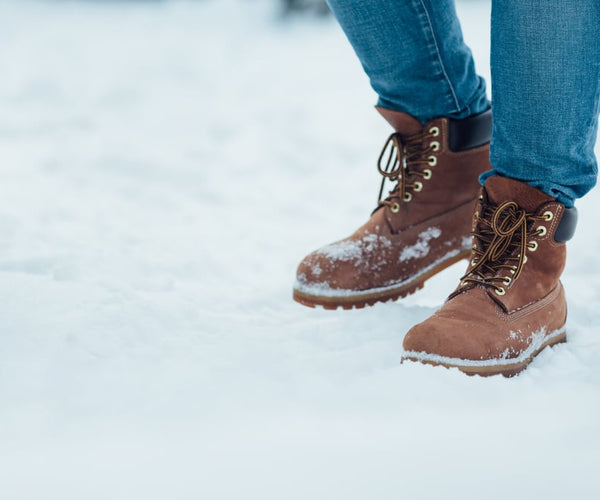
Performance: warmth, waterproofing, traction
When evaluating are timberland boots good for snow, focus on three performance areas: warmth, waterproofing, and traction.
Warmth
- Insulated Timberlands can keep feet warm down to moderately cold temps.
- Layering socks matters. A thin liner sock plus wool mid sock works best.
- Insulation ratings vary by model, so don’t assume all Timberlands are equally warm.
Waterproofing
- Waterproof-treated leather and seam-sealed construction stop meltwater and slush.
- Waterproof membranes prevent leaks while allowing breathability.
- Over time, waterproofing wears. Treat leather and reapply protectant as needed.
Traction
- Timberland lug soles provide solid grip on slush and packed snow.
- They can struggle on smooth ice; studs or ice grips may be needed for icy walks.
- Deep, multi-direction tread patterns perform better in fresh snow.
Putting these together answers the core question are timberland boots good for snow: yes, if the boot has insulation, waterproofing, and an aggressive outsole. For deep snow or technical ice, pair them with traction aids or choose specialized winter boots.
Best Timberland models for snow and why they work
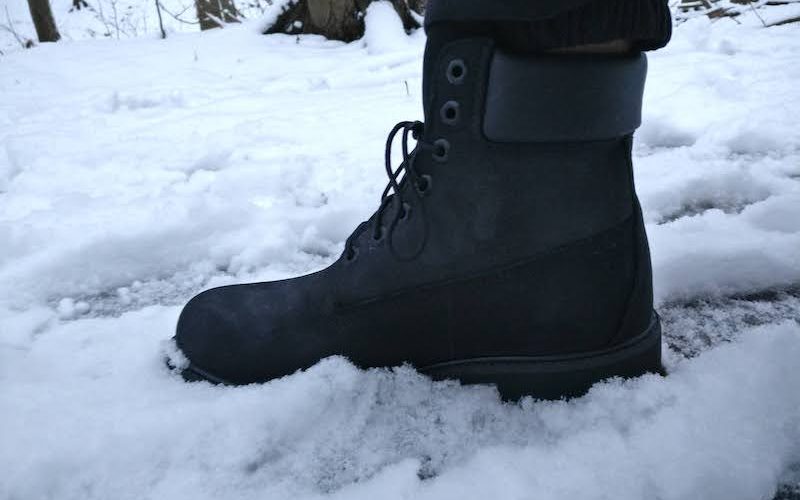
If you want to decide whether are timberland boots good for snow for your use, start by picking a model designed for winter.
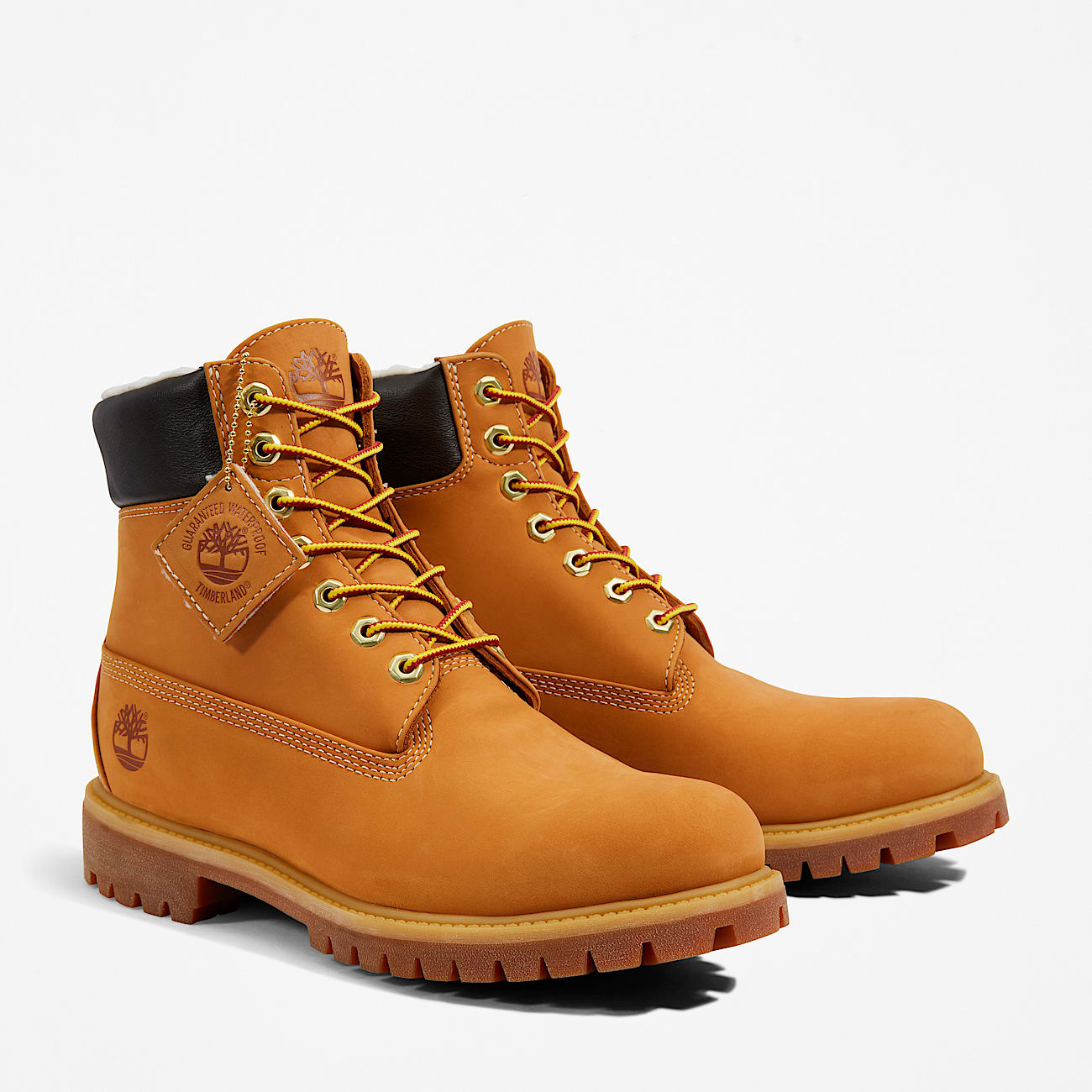
Notable features in snow-ready models:
- Insulated linings for cold protection.
- Cordura or waterproof leather uppers.
- Rubber lug soles with anti-slip compounds.
- Height that keeps slush out of the shaft.
Examples of qualities to seek:
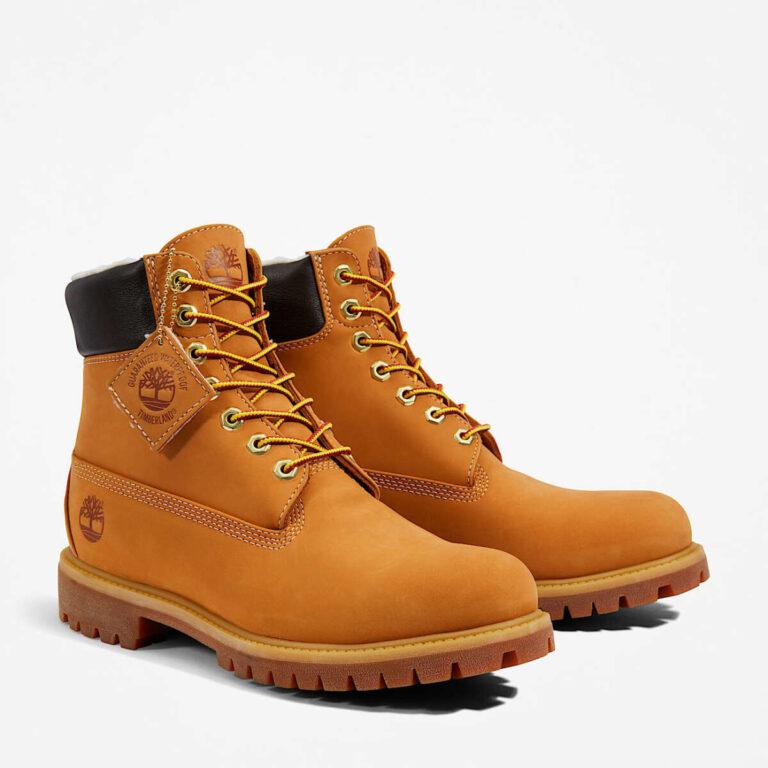
- 6-inch waterproof premium boots with seam-sealed construction.
- Insulated work-style boots rated for winter temps.
- Boots labeled for snow or cold-weather use rather than fashion boots.
Buying the right model is the simplest way to make sure are timberland boots good for snow for your needs. Don’t buy a casual leather boot and expect it to perform in heavy winter conditions.

How to wear Timberland boots in snow for best results
Choosing the right boot is only half the job. How you wear them is equally important when thinking are timberland boots good for snow.
Fit and sizing
- Size for thick socks; a half size up can add comfort.
- Leave a thumb’s width at the toe to allow insulation to work.
Sock choice
- Wool or synthetic socks trap heat when damp.
- Avoid cotton socks; they hold moisture against skin.
Care and prep
- Apply waterproofing before first wear.
- Break in boots on dry days to avoid blistering during winter use.
- Clean salt and slush off after each outing to preserve leather and seams.
Following these steps boosts warmth and extends life. Proper fit and care help make are timberland boots good for snow in real world use.

Limitations and when to choose alternatives
It’s honest to admit limits. Are timberland boots good for snow? They are for many tasks, but not all.
When Timberlands may not be ideal:
- Deep powder or mountaineering—choose taller, insulated snow boots.
- Long ice travel—consider crampons or specialized ice boots.
- Extreme cold below manufacturer ratings—choose expedition-grade boots.
If your winter involves long treks, extreme cold, or glacier travel, pick technical footwear. For urban winter, shoveling, and short walks, many Timberlands will do the job well.
Personal experience, tests, and practical tips
From my time testing boots on city streets and rural trails, I’ve learned what works. I’ve used insulated Timberlands for commuting, clearing driveways, and rainy-snow days. They kept my feet warm and dry on most winter days. However, one icy morning taught me that even with good traction, ice needs extra help—shoe spikes saved a fall.
Lessons learned
- Treat leather before winter and yearly after heavy use.
- Replace worn outsoles promptly—tread matters more than style.
- Keep a pair of lightweight traction cleats in your bag for unexpected ice.
These hands-on tips show that are timberland boots good for snow in common situations. They are a practical, stylish, and durable option when matched to the right model and use.
Buying guide and maintenance for longevity
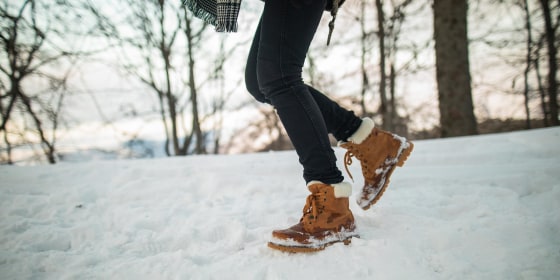
When shopping, inspect specs closely. Ask whether are timberland boots good for snow for your intended use by checking these points.
What to check before buying:
- Waterproof rating and seam sealing.
- Insulation type and temperature guidance.
- Sole pattern and rubber compound.
- Return policy for proper fit testing with socks.
Maintenance routine
- Clean off salt and slush after use with a damp cloth.
- Reapply waterproofing product as suggested by the manufacturer.
- Condition leather to prevent drying and cracking.
- Store boots dry and allow insoles to air out.
A little maintenance keeps your boots ready for winter and proves that are timberland boots good for snow over multiple seasons.

Common quick questions (People Also Ask)
Are Timberland boots waterproof enough for heavy snow?
Yes, waterproof Timberland models with seam sealing handle heavy snow and slush well. Over time you should reapply waterproof treatment to maintain protection.
Can Timberland boots keep feet warm in subzero weather?
Insulated Timberlands can handle moderately cold conditions, but extreme subzero weather may require dedicated cold-weather boots. Pair with proper socks to improve warmth.
Do Timberland boots slip on ice?
Their lug soles provide good grip on snow and slush, but they can still slip on smooth ice. Use traction cleats or boots with ice-specific soles for icy surfaces.