Most shoes last between six months and two years, depending on use, materials, and care.
I’ve spent years testing footwear, fixing soles, and helping people choose shoes that hold up. This guide gives a clear, expert look at how long does a shoe last, why lifespans vary, and what you can do to get the most value from every pair. Read on for practical tips, real-world examples, and simple tests you can run at home to know when to replace or repair your shoes.

How long does a shoe last? Typical lifespan by shoe type
Different shoes serve different jobs. That is the main reason why how long does a shoe last varies so much.
Common lifespan ranges:
- Running shoes: 300–500 miles, or about 6–12 months for regular runners.
- Walking shoes: 12–18 months with daily use.
- Casual sneakers: 1–3 years depending on activity and care.
- Dress shoes: 1–5 years, often longer if resoled.
- Work boots: 1–4 years, depending on job demands and resoling.
- Sandals and flip-flops: 3–12 months with frequent wear.
Think of lifespan in two ways: time and performance. A shoe may look fine but lose cushioning and support. When performance drops, that’s when you should act. How long does a shoe last depends on use, material, and maintenance. Knowing these ranges helps you plan repairs and replacements.

Key factors that determine how long a shoe lasts
Many things affect shoe life. Understanding them helps you buy smarter and care better.
Materials and construction
- Full-grain leather lasts longer than suede or synthetic leather.
- Stitched soles last longer than glued soles.
- High-quality midsoles and durable rubber outsoles resist wear.
How you use them
- Daily runners break down midsole foam faster.
- Standing all day compresses cushioning quickly.
- Uneven gait or heavy load increases wear on one side.
Environmental factors
- Heat and sun dry and crack materials.
- Salt and water speed corrosion and breakdown.
- Mud and grit abrade fabrics and soles.
Care and maintenance
- Regular cleaning removes grit that wears materials.
- Resoling and replacing insoles extend life significantly.
- Rotating pairs reduces constant stress on a single shoe.
Manufacturing quality and fit
- Poor fit causes hotspots and abnormal wear.
- Low-cost mass-produced shoes often use lower-grade foam and glue.
How long does a shoe last comes down to the mix of these factors. Treat the shoe well, and it will return the favor.

Signs your shoes need replacing
You don’t need a measuring tape. Look and feel for these signs.
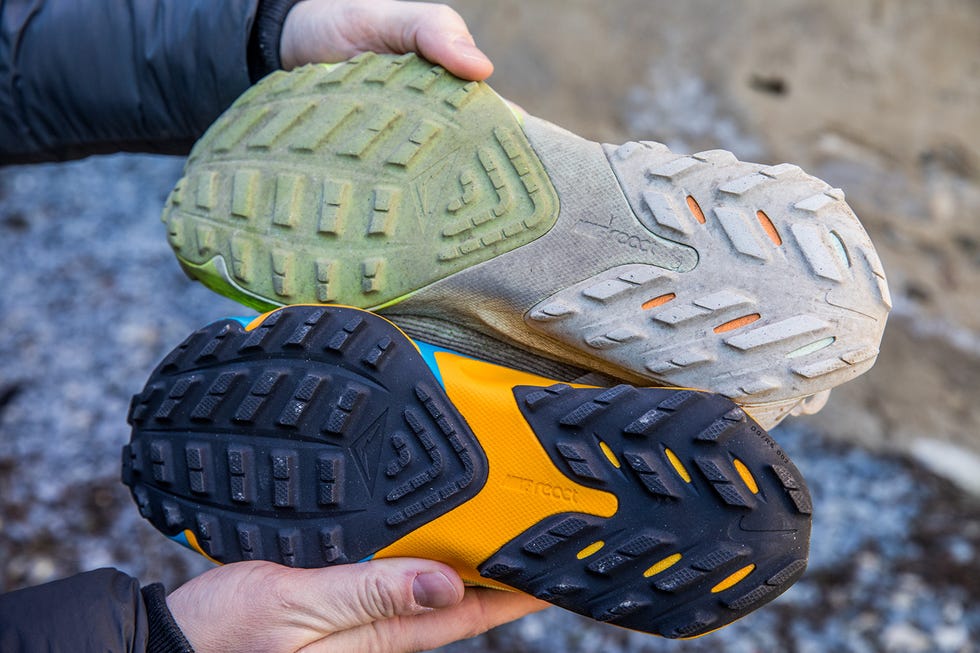
- Worn outsole treads or holes through the sole.
- Compressed or uneven midsole feel.
- Persistent pain, numbness, or new aches after wearing.
- Heel counter or upper collapsed or split.
- Visible separation where sole meets upper.
- Insole flattening and permanent creasing.
If you notice any of these signs, stop using the shoe for demanding activities. The question of how long does a shoe last matters most when comfort and safety are at risk.
How to extend a shoe’s life: practical steps
Small habits add up. Here are steps that work.
Rotate your shoes
- Use at least two pairs for daily wear. Rotating lets foam recover and reduces wear.
Clean and dry properly
- Remove dirt after each use. Air dry shoes away from direct heat.
- Use mild soap for fabric, and leather cleaner for leather.
Replace insoles and laces
- New insoles restore support and comfort.
- New laces prevent strain on eyelets and upper material.
Resole or repair
- Have soles replaced when outsole is worn but upper is intact.
- Fix small splits early to avoid larger damage.
Store smart
- Use shoe trees for leather shoes to preserve shape.
- Keep shoes in cool, dry places.
Treat with protectors
- Waterproof sprays help in wet climates.
- Leather conditioner prevents drying and cracking.
These steps directly affect how long does a shoe last. Often, simple fixes double a shoe’s useful life.

Cost per wear and environmental impact
Think beyond price tag. Cost per wear helps you decide when to replace.
How to estimate cost per wear
- Divide the shoe price by expected wears. For example: $100 shoe / 500 wears = $0.20 per wear.
- Add repair costs and divide by actual wears for a true figure.
Durability reduces waste
- A longer-lasting shoe can lower cost per wear.
- Repairing and resoling reduce landfill waste.
End-of-life options
- Donate shoes with life left.
- Recycle worn-out shoes through take-back programs.
- Repurpose soles or use as work shoes before recycling.
Understanding how long does a shoe last helps you make eco-smart choices. Spending a bit more on durability often reduces long-term cost and waste.

My experience: lessons from testing and retail
I’ve worked in shoe retail and ran dozens of shoe tests. Here are honest lessons.
- Running shoes often fail in the midsole first. I track mileage now. If foam feels squishy at 300–400 miles, I retire them.
- Leather dress shoes can last years. I had a pair that lasted seven years after two resoles and regular conditioning.
- Cheap casual sneakers can look good for a season but break down quickly. I learned to buy one solid pair instead of several cheap ones.
- Rotating shoes saved one client from chronic knee pain. Simple changes made a big difference.
These are practical, field-tested tips about how long does a shoe last. Real use reveals details that lab specs cannot.

Buying guide: choose shoes that last longer
If you want shoes that last, follow these steps.
Look at materials and construction
- Prefer stitched construction for soles on dress and casual shoes.
- For sneakers, choose dense midsole foam and durable rubber outsoles.
Check the warranty and return policy
- Longer warranties often signal better build quality.
- Try a short walk in-store and test for support and fit.
Pay attention to fit, not size alone
- A correct fit reduces wear and hot spots.
- Test shoes with the socks you will wear most.
Ask about resoling and parts
- Shoes designed for resoling extend lifecycle.
- Removable insoles are easier to replace.
Budget wisely
- Opt for value, not cheapest price. A mid-range durable shoe often costs less per wear than multiple cheap buys.
Following this guide changes how long does a shoe last for you. A smart buy today saves money and discomfort later.
Common myths about shoe lifespan
Myth: A shoe lasts exactly one year
- Reality: Lifespan depends on many factors. Time alone is not a reliable measure.
Myth: You must replace running shoes every 300 miles
- Reality: 300–500 miles is a guideline. Monitor cushioning and feel to decide.
Myth: Expensive always means durable
- Reality: Price can reflect brand, not durability. Check materials and build.
Myth: You can fix any shoe cheaply
- Reality: Some repairs cost more than a replacement. Evaluate cost per wear.
Busting myths helps you answer how long does a shoe last in a practical way. Use signs and tests rather than strict rules.

Frequently Asked Questions of how long does a shoe last
How often should I replace running shoes?
Most runners should replace running shoes every 300–500 miles or when cushioning and support decline. Comfort and pain are clear signals to change them.
Can I resole sneakers?
Some sneakers can be resoled if the upper and structure are sturdy. Many athletic shoes are not designed for resoling, while leather and stitched shoes often are.
Do insoles make a big difference?
Yes. New insoles restore support and comfort and can delay the need to replace the whole shoe by several months. Insoles are a low-cost upgrade with high impact.
How does climate affect shoe life?
Hot sun and humidity speed material breakdown. Salt and wet conditions corrode adhesives and leather faster, reducing overall lifespan.
Are waterproof sprays safe for all shoes?
Most sprays are safe for fabrics and leathers when used as directed, but test on a small area first. Excessive use can change breathability and finish.
Is it better to rotate shoes daily?
Yes. Rotating shoes allows foam to decompress and moisture to evaporate, which extends life. Two or three pairs in rotation work well for most people.
Conclusion
Shoes do not have a one-size-fits-all lifespan. How long does a shoe last depends on type, materials, use, and care. Watch for wear signs, rotate and maintain your pairs, and consider repair before replacing. Start tracking mileage or wear today. Try rotating two pairs for a month and note how much longer they feel fresh. If this guide helped, leave a comment, share your experience, or subscribe to get more practical shoe advice.

Madison Clark is a footwear expert and the voice behind MyStyleGrid.com. She specializes in honest shoe reviews, style tips, and practical guides to help readers find the perfect pair for any occasion. With years of experience in blogging and content creation, Madison makes footwear knowledge simple, stylish, and easy to follow.