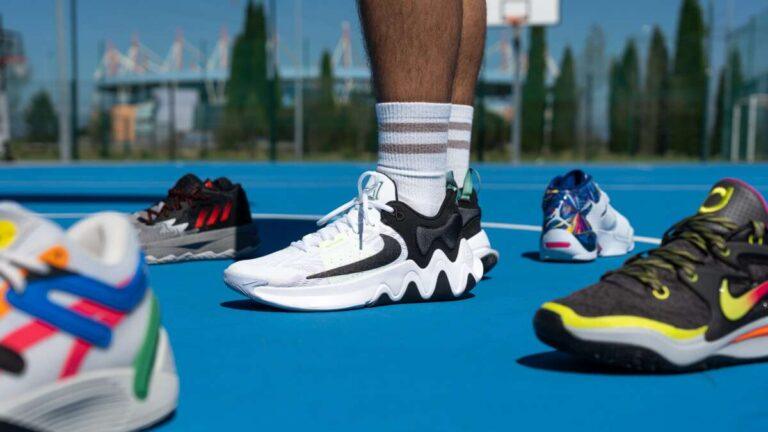
Pick shoes that match your play style, fit snugly, and protect your knees and ankles.
I’ve spent years testing basketball shoes, fitting players, and coaching teams, so I know how confusing it can be to answer what basketball shoes should I get. This guide breaks down the key choices — fit, support, traction, cushioning, and budget — with clear examples and real-life tips so you can pick shoes that make you play better and stay healthy.
How to decide what basketball shoes should I get
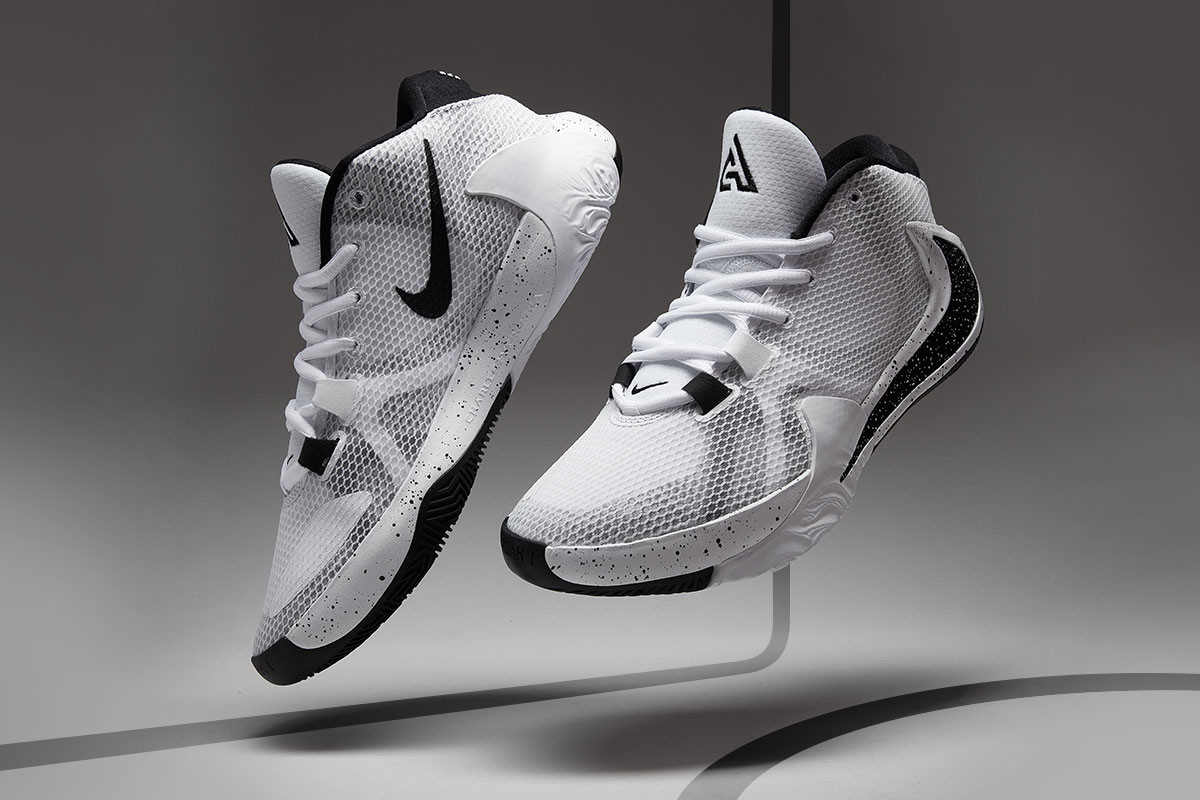
Choosing what basketball shoes should I get starts with one simple rule: match the shoe to how you play and move on court. Think about your position, foot shape, and the surface you play on. Short, fast guards need different shoes than bigs who post up and jump.
I test shoes by playing hard in them and tracking fit, grip, and comfort over weeks. Use this process when you pick shoes:
- Try them on with the socks you wear for games.
- Lace up and hop, cut, and sprint to feel support and lockdown.
- Walk around for 10–15 minutes to test long-term comfort.
Types of basketball shoes and which to pick
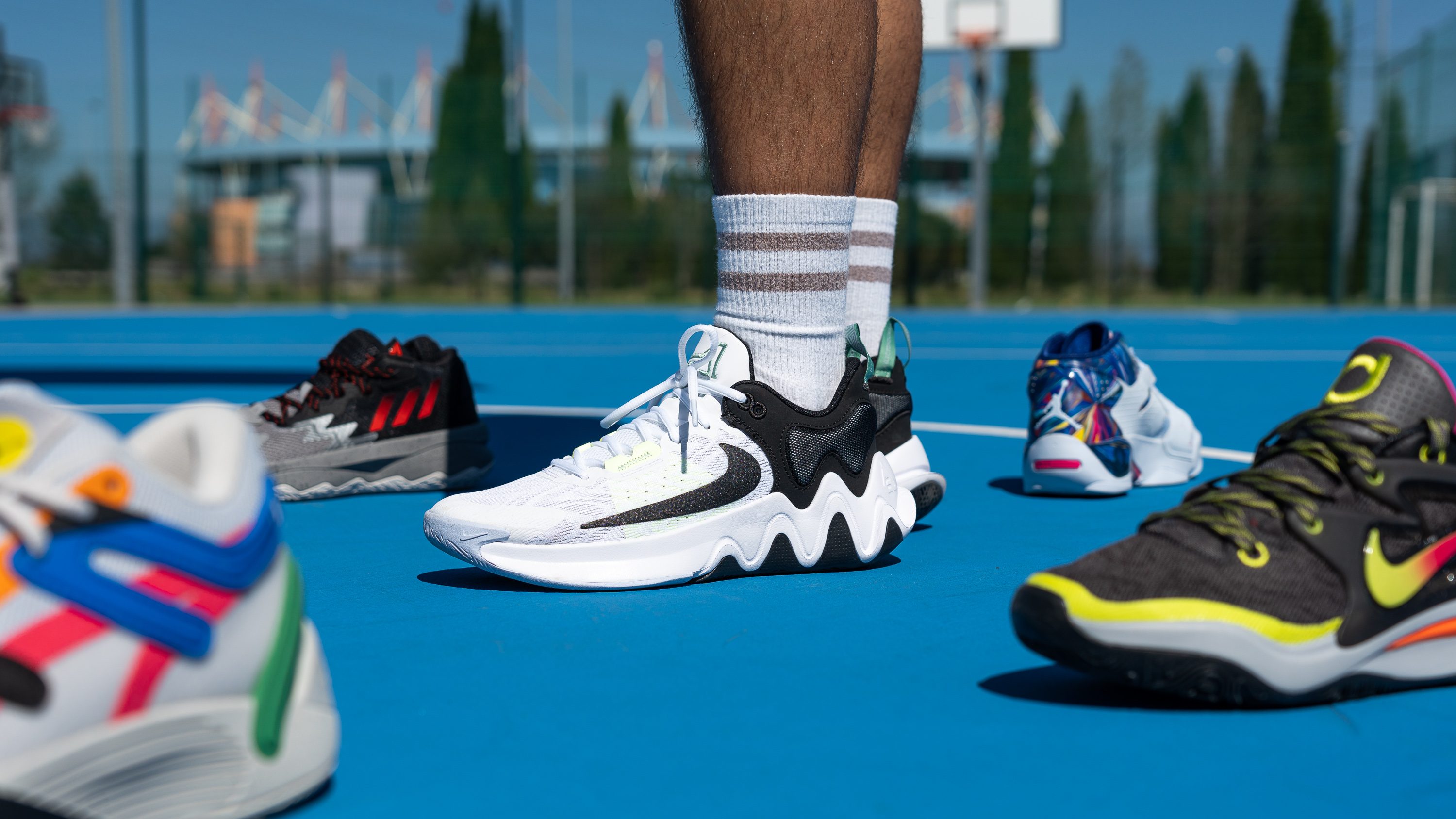
There are three main build styles. Knowing them answers what basketball shoes should I get by role.
Low-top
- Best for guards who value speed and ankle freedom.
- Offers less ankle support but lighter weight and quicker moves.
Mid-top
- A balance of support and mobility.
- Good for combo guards and wing players.
High-top
- Best for players needing max ankle support and landing protection.
- Often used by players who mix jumping and contact.
Match type to your style. If you cut a lot, low or mid may help. If you land hard or worry about ankle rolls, choose high.

Fit and sizing: the most critical part of what basketball shoes should I get
Fit beats fancy tech every time. Shoes that don’t fit cause blisters, poor performance, and injuries. Never buy basketball shoes based only on style.
Fit checklist
- Leave a thumb’s width of space in front of your longest toe.
- Heel should not slip when you sprint and stop.
- Width must feel snug but not pinching.
- Try both shoes and move laterally to test lockdown.
I once wore a popular model two sizes too small. After one game my toes hurt for days. Learn from that mistake — always test fit.

Traction and outsole: why it matters for what basketball shoes should I get
Good traction increases confidence on cuts and stops. Slippery outsoles cost points and cause falls.
Traction tips
- Look for multi-directional herringbone patterns for indoor courts.
- Soft rubber grips better on indoor wood but wears faster outdoors.
- If you play outdoors, choose a durable compound and deeper tread.
Test traction by doing quick stops and figure-eight cuts in the store or at home.

Cushioning and impact protection
Cushioning affects comfort, jump comfort, and injury risk. Cushioning choices affect the answer to what basketball shoes should I get.
Types of cushioning
- Foam (EVA, polyurethane): lightweight and responsive.
- Air or gas units: added impact protection for big landings.
- Hybrid systems: combine foam and air for balance.
Choose:
- Low-profile foam for court feel if you value speed.
- Extra cushion if you land hard or need knee protection.
I prefer a shoe with a responsive midsole for guards and a plusher midsole for forwards I coach.

Support, stability, and materials
Support matters for ankle and knee health. Materials and internal structure affect how supportive a shoe is.
Support elements
- Heel counter: hard shell at the heel for stability.
- Midfoot shank: adds torsional control.
- Padded collars: add comfort and ankle hold.
Materials
- Knit uppers are flexible and light but may need overlays for support.
- Leather and synthetic blends add durability and lockdown.
If you have a weak ankle, choose firm heel counters and midfoot shanks.

Position-specific recommendations for what basketball shoes should I get
Think of shoes like tools. Match them to your job on court.
Point guard
- Prioritize lightweight shoes with snappy traction.
- Choose low or mid-tops with tight lockdown.
Shooting guard / Wing
- Balance speed and cushioning.
- Mid-top with responsive foam works well.
Power forward / Center
- Look for strong ankle support and thick cushioning.
- High-tops with sturdy builds and strong outsole grip are smart.
I tested a center shoe with heavy cushioning and felt less fatigue after games. The difference mattered late in the fourth quarter.
Budget and durability: how much should you spend
You don’t need the newest pro model to play well. Decide how often you play and where.
Budget guide
- Casual players: $60–$100, look for durability and traction.
- Regular players: $100–$160, better cushioning and fit.
- Frequent or competitive players: $160+, top tech and longevity.
For outdoor play, prioritize durable rubber. For indoor-only players, focus on traction and fit.
Buying tips, care, and common mistakes
Practical tips make your purchase last longer and keep you safe.
Buying tips
- Shop late in the day when feet are slightly swollen for best fit.
- Bring the socks you use during games.
- Break shoes in with drills, not full games.
Care tips
- Air-dry shoes after use; avoid direct heat.
- Clean out dust and use mild soap for uppers.
- Rotate shoes if you play several times a week.
Common mistakes
- Buying by color or hype, not fit.
- Ignoring slip and heel movement during trial.
- Using indoor-only shoes outdoors.
My personal picks and lessons learned
From testing many models, these patterns hold true for what basketball shoes should I get.
What I choose personally
- For speed: lightweight mid-top with grippy rubber.
- For vertical play: cushioned high-top with firm heel lock.
- For outdoor pickup: heavy-duty rubber and strong upper.
Real lesson
- A shoe that fits well but costs less will beat an expensive shoe that doesn’t fit. Comfort and fit first, tech second.
Frequently Asked Questions of what basketball shoes should i get
What basketball shoes should I get if I have wide feet?
Pick shoes with a roomy toe box and go up half a size if needed. Look for models known to run wide or try knit uppers with supportive overlays.
Are high-top shoes better for ankle support?
High-tops can add ankle coverage and feel more secure, but fit and lockdown matter more. A low-top with great lockdown can protect ankles well too.
Should I buy shoes for indoor or outdoor play?
Buy shoes suited to your main surface. Indoor shoes use softer rubber for better grip. Outdoor shoes need tougher rubber to resist wear.
How often should I replace basketball shoes?
Replace shoes every 300–500 hours of play or when traction and cushioning wear down. If you feel more aches or less support, it’s time to replace them sooner.
Can I use running shoes for basketball?
Running shoes lack lateral support and traction for quick cuts, so they are not ideal for basketball. They may work for light drills but not for competitive play.
Conclusion
Choosing what basketball shoes should I get comes down to fit, play style, traction, cushioning, and budget. Test shoes in motion, prioritize fit over looks, and pick a type that matches your role on court. Take action: try shoes with your game socks, test cuts and jumps, and pick the pair that keeps you fast, safe, and confident. Share your pick in the comments or subscribe for more gear guides and shoe reviews.

Rubel Miah is the Senior Editor at MyStyleGrid.com, where he brings a sharp editorial eye and an unshakable love for fashion to everything he does. A true style addict, Rubel lives and breathes trends, from streetwear to high fashion, and has a knack for turning inspiration into impactful stories. With years of experience in fashion journalism and digital media, he curates content that empowers readers to express themselves through style. When he’s not editing features or forecasting the next big thing, you’ll find him hunting down vintage pieces or capturing street style moments around the city.