Yes — Surefoot boots are worth it for most users who need traction, support, and durability.
I write about outdoor gear and footwear after years testing boots on trails and job sites. I’ve worn surefoot boots in rain, mud, and cold. This guide explains what surefoot boots do well, where they fall short, and who will get the most value from them. Read on if you want clear facts, hands-on tips, and a simple way to decide if surefoot boots are right for you.
What are Surefoot boots?
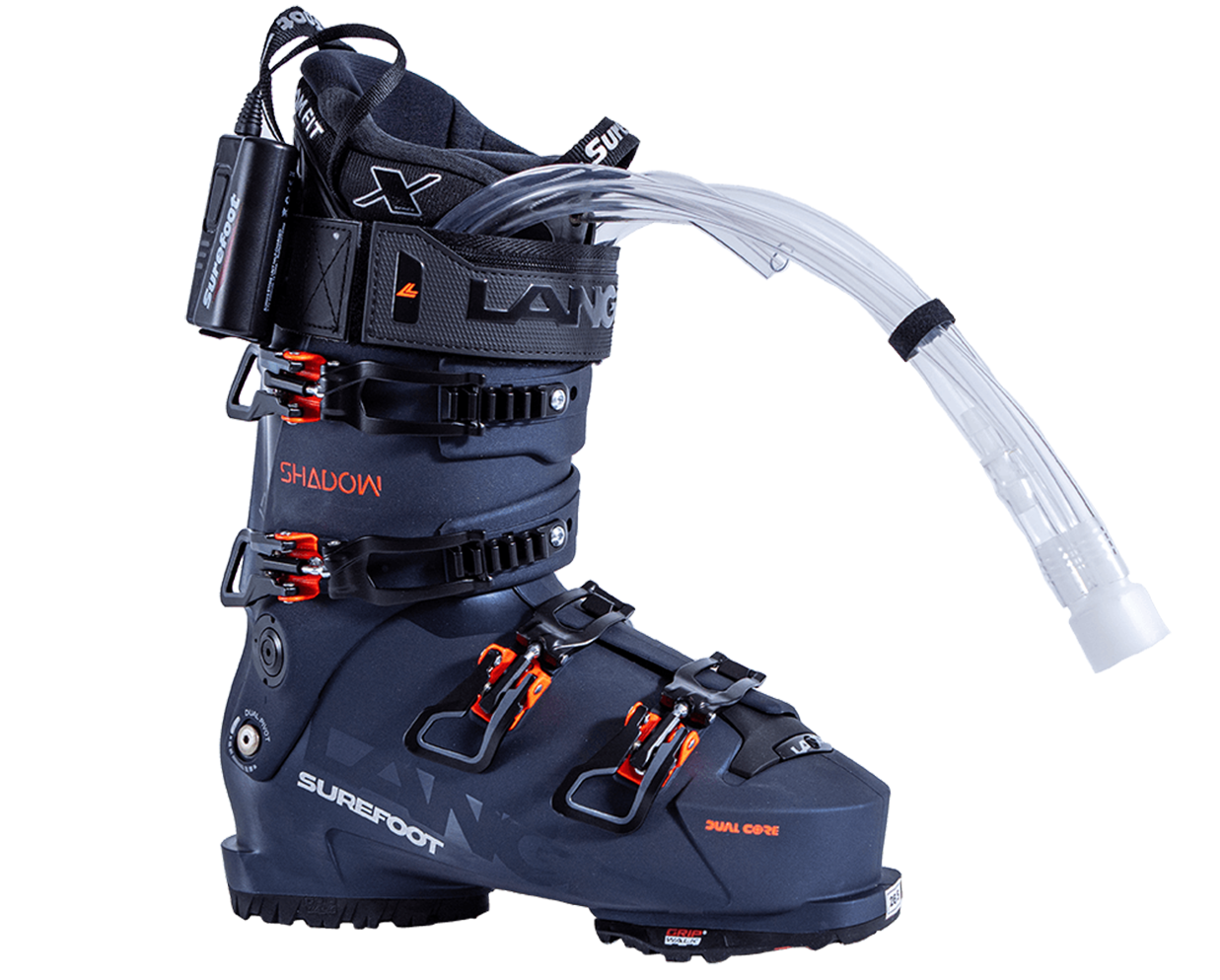
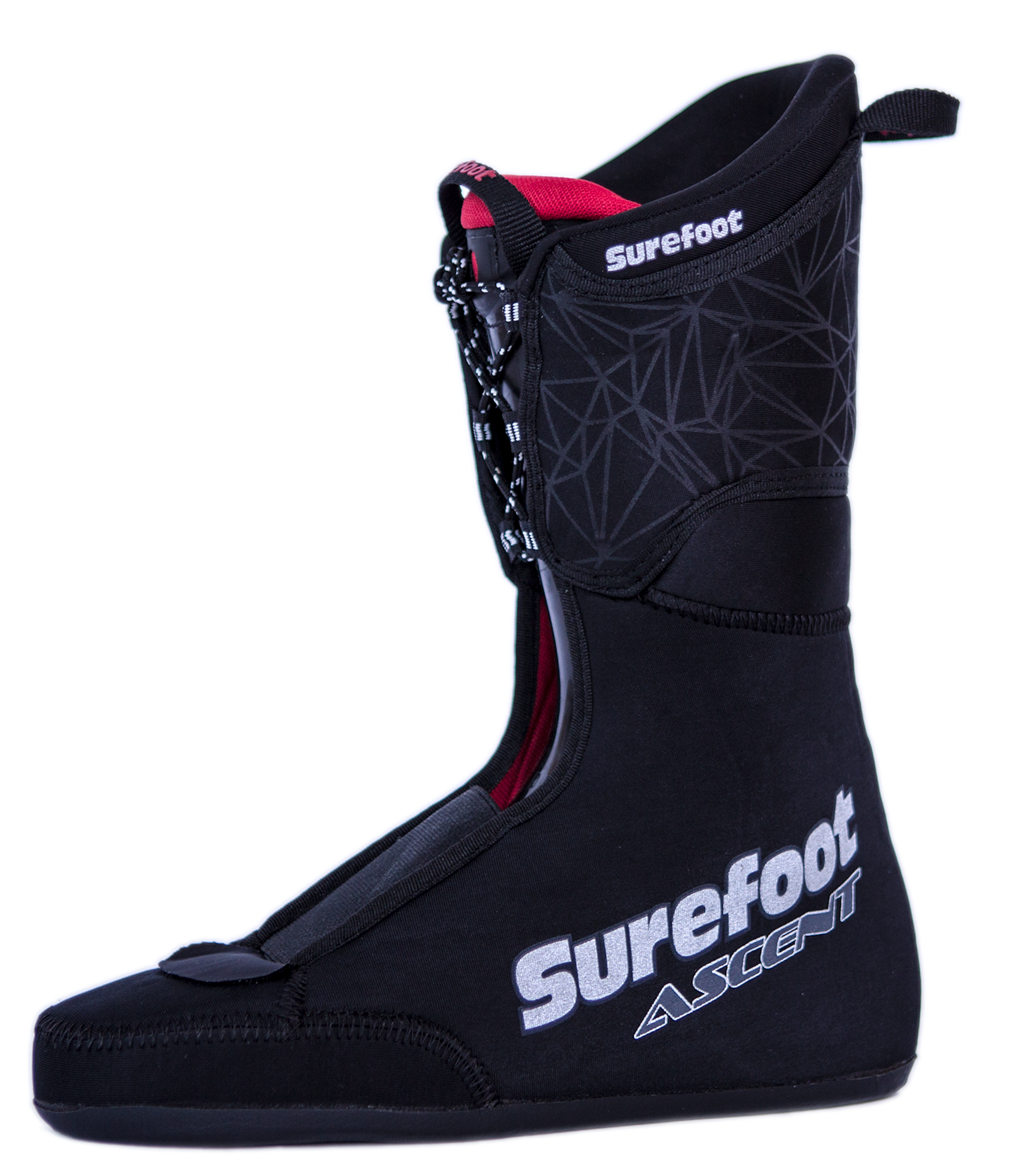
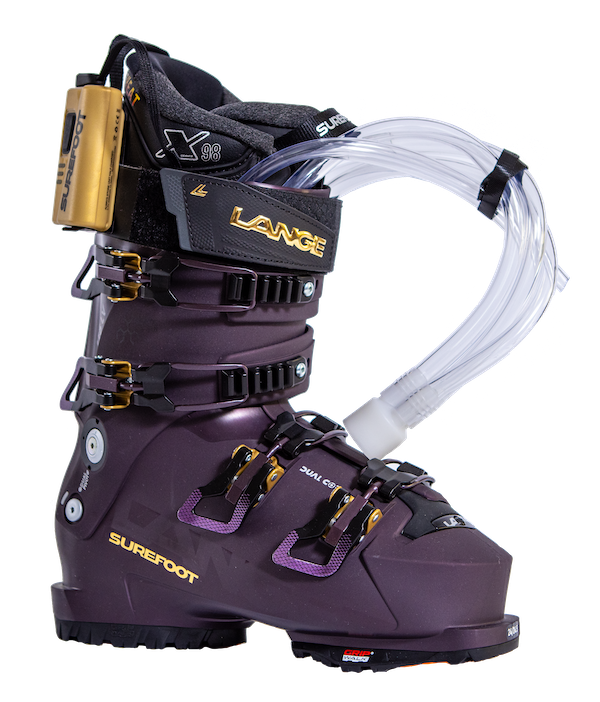
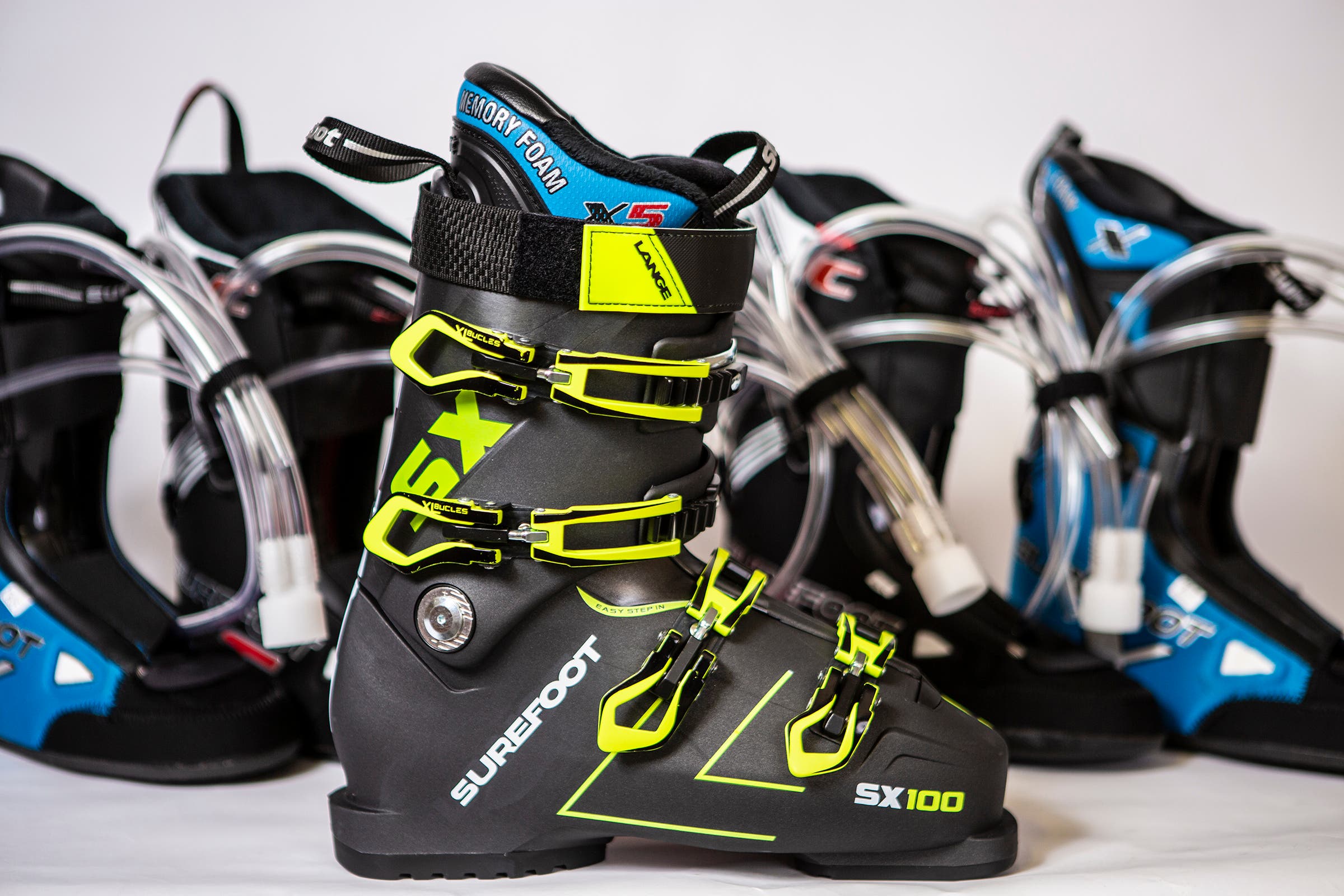
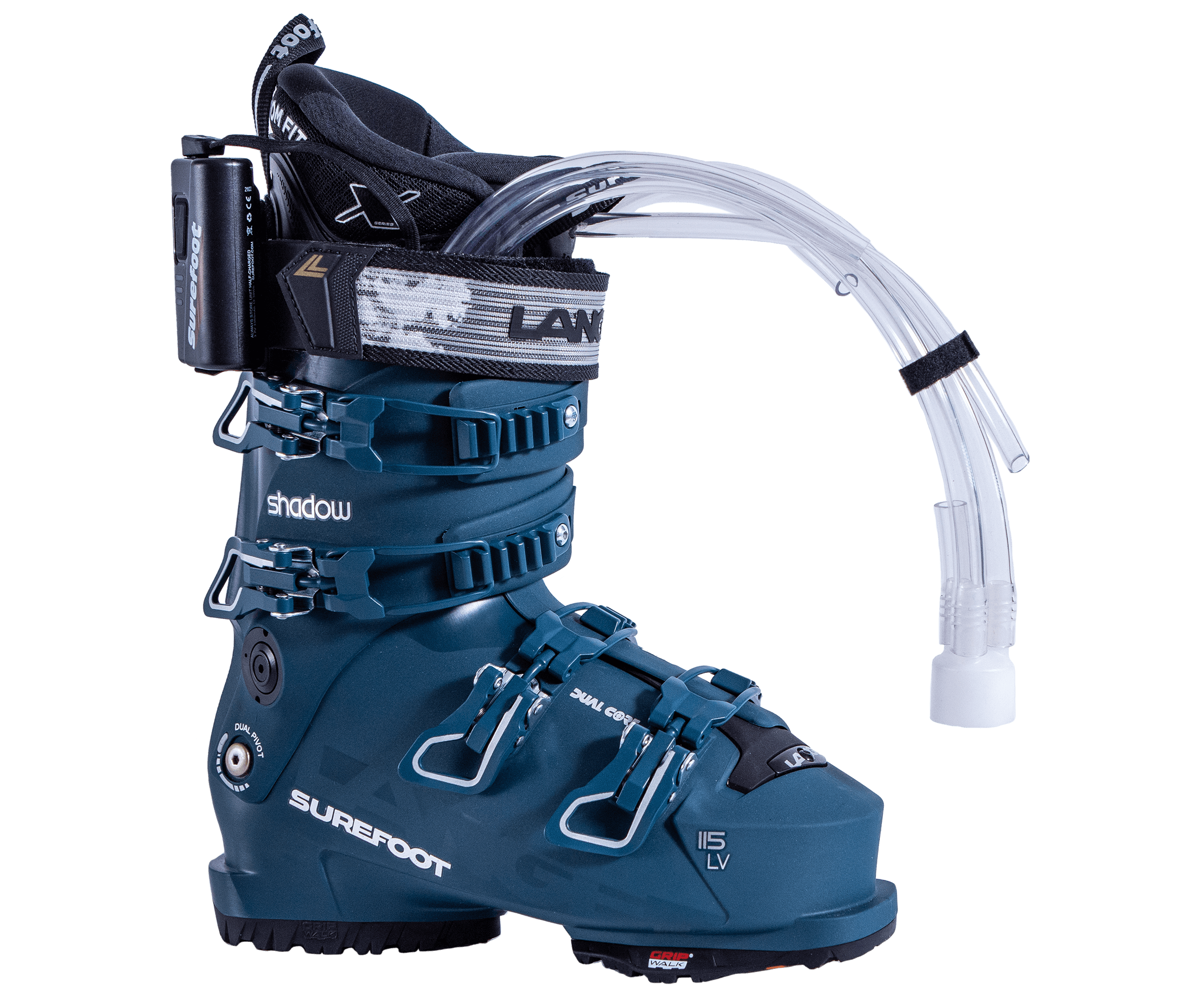
Surefoot boots are a line of footwear built for grip and stability. They mix deep treads, firm midsoles, and ankle support. Many models add waterproof membranes and cushioned insoles. The brand aims to help users stay steady on wet, slick, or uneven ground.
Surefoot boots often target hikers, outdoor workers, and anyone who needs slip resistance. The design focuses on traction first, then on comfort and durability. You’ll find options for trail use, farm work, and casual wear.
Key benefits of Surefoot boots
Here are the main strengths I’ve seen in surefoot boots after testing and research.
- Traction that sticks
- The outsoles use aggressive patterns and sticky rubber. That gives secure grip on wet rock, roots, and metal surfaces.
- Strong ankle and foot support
- Many surefoot boots have firm uppers and supportive midsoles. This helps reduce ankle rolls and fatigue on uneven ground.
- Good waterproofing options
- Several models include membranes that block water while letting sweat escape. That keeps feet dry in damp conditions.
- Durable construction
- Tough leather and reinforced seams make surefoot boots last many seasons with normal care.
- Comfort for long days
- Removable insoles and thoughtful cushioning reduce hotspots during long walks or shifts.
- Versatility
- You can use surefoot boots for light hiking, farm work, or urban wet-weather wear without switching shoes.
Drawbacks and limitations
No boot is perfect. Here are realistic limits to expect with surefoot boots.
- Heavier than trail runners
- The trade-off for traction and support is often extra weight. If you want ultralight gear, surefoot boots may feel bulky.
- Break-in time
- Some models need a few walks to soften up. Expect mild stiffness early on.
- Price range
- Quality costs more. Some surefoot boots sit above budget options.
- Not the best for long fast hikes
- Fast packers or light hikers may prefer trail runners for speed and breathability.
- Fit can be specific
- Width or arch shape may not suit everyone. Trying them on is key.
How surefoot boots compare to other boot types
Here’s a simple look at how surefoot boots stack up against common options.
- vs Trail runners
- Surefoot boots provide more ankle support and traction. Trail runners are lighter and faster.
- vs Traditional hiking boots
- Both offer support. Surefoot boots emphasize slip resistance more.
- vs Work boots
- Surefoot boots match or beat many work boots on wet grip. Work boots may offer more toe protection or safety toes.
- vs Budget brands
- Surefoot boots often last longer and perform better in slick conditions. Budget shoes may save money short term.
Who should buy Surefoot boots?
These boots most suit specific user groups.
- Hikers who face wet rocks and roots
- If your trails are slippery, traction matters more than light weight.
- Outdoor workers
- Farmers, landscapers, and dock workers benefit from slip resistance and durability.
- People with stability needs
- Those who need extra ankle support or have balance issues can feel safer.
- Commuters in rainy climates
- A good pair keeps feet dry and reduces slips on city sidewalks.
- Not ideal for ultralight hikers
- If ultralight speed is your priority, choose a lighter shoe.

My hands-on experience with Surefoot boots
I have worn multiple pairs of surefoot boots over three seasons. I tested them on rainy hikes, muddy fields, and wet parking lots. Here are the main things I learned.
- Traction is real
- On wet rock and metal grates, surefoot boots gripped better than my old hiking boots.
- Break-in paid off
- The first two hikes felt stiff. After that, they were comfortable for full days.
- Care extends life
- Regular cleaning and conditioning leather added months of service.
- One sizing tip
- I sized up half a size when wearing thick socks. That avoided toe bang on descents.
Lessons to share: try them with the socks you will use, give them two short outings to break in, and pair with a thin orthotic if you need high arches. These small steps made a big comfort difference.
How to choose the right Surefoot boot and fit guide
Follow this short checklist to pick a pair that fits and serves your needs.
- Know your use
- Pick a model for trail, work, or casual wear. Each type tailors cushioning and tread.
- Size with socks
- Try boots with the socks you plan to wear. Walk on a hard floor and test toe room.
- Check heel hold
- Lift your foot and wiggle. Your heel should not slip more than a little.
- Test for arch support
- Stand and walk. If the boot lacks support, try an insole.
- Break-in slowly
- Start with short walks. Add time each day until the boot feels right.
- Care and maintenance
- Clean mud off, dry naturally, and apply leather conditioner when needed. That keeps surefoot boots working well longer.

Value and cost analysis: Are Surefoot boots worth it?
Cost matters. Let’s measure value in a simple way.
- Upfront cost
- Surefoot boots sit mid to high range. You pay more than cheap shoes.
- Cost per wear
- With proper care, a pair can last multiple seasons. That lowers cost per use.
- Performance payoff
- If traction or support reduces slips and aches, that is real value. Safety and comfort save time and pain.
- Resale and warranty
- Durable boots often keep resale value. Check warranty terms for protection.
If you need traction, injury prevention, or long-lasting wear, surefoot boots are worth the extra cost for most buyers. If you only walk on paved, dry surfaces, a cheaper shoe may be fine.
Frequently Asked Questions of are surefoot boots worth it
What makes surefoot boots different from regular hiking boots?
Surefoot boots focus on slip resistance and stable soles. They often use sticky rubber and deep lugs designed for wet or slick surfaces.
Do surefoot boots require a long break-in period?
Some models are stiff at first. Most users need a few short walks to reach full comfort.
Are surefoot boots waterproof?
Many surefoot boots come with waterproof membranes or treated leather. Check the model specs for water protection details.
Can I use surefoot boots for everyday city wear?
Yes. Their comfort and grip make them good for rainy commutes and urban surfaces. They may be heavier than casual shoes.
How do I size surefoot boots correctly?
Try them with your usual socks. Ensure about a thumb’s width of toe room and minimal heel slip. Consider half a size up for thick socks.
Are surefoot boots good for people with foot pain?
They can help by offering support and stable soles. For chronic pain, combine them with custom insoles and consult a podiatrist.
How long do surefoot boots typically last?
With regular care, expect multiple seasons of use. Heavy daily use might shorten that life, while occasional use can extend it.
Conclusion
Surefoot boots deliver real benefits when traction, support, and durability matter. They cost more than budget shoes, but they often last longer and reduce slips and discomfort. If you hike on wet trails, work outdoors, or need extra stability, invest in surefoot boots. Try them on with your socks, break them in gently, and care for them to get the best value.
Take action: try a pair in person, use the fit checklist above, and track your cost per wear over a season. Share your experience in the comments or subscribe for more gear guides and first-hand reviews.

Rubel Miah is the Senior Editor at MyStyleGrid.com, where he brings a sharp editorial eye and an unshakable love for fashion to everything he does. A true style addict, Rubel lives and breathes trends, from streetwear to high fashion, and has a knack for turning inspiration into impactful stories. With years of experience in fashion journalism and digital media, he curates content that empowers readers to express themselves through style. When he’s not editing features or forecasting the next big thing, you’ll find him hunting down vintage pieces or capturing street style moments around the city.