The best antifungal spray for shoes is one with proven antifungal ingredients like tolnaftate or terbinafine.
As a podiatry clinic consultant and longtime product tester, I’ll walk you through what is the best antifungal spray for shoes, why certain sprays work better, and how to use them safely. You’ll get clear criteria, real product-type recommendations, DIY alternatives, and hands-on tips I’ve learned from treating stubborn athlete’s foot and testing shoes in clinic. Read on to pick the spray that fits your needs and to stop shoe-related fungal infections for good.

Why shoe fungi thrive and why sprays matter
Fungi love warm, dark, damp places. Shoes are perfect hosts. Sweat, poor ventilation, and shared footwear let fungal spores grow. Fungal growth can cause athlete’s foot, toe infections, and bad odor.
Sprays matter because they reach crevices. They dry fast. They can kill or stop fungal growth on shoe surfaces and insoles. But not all sprays kill the same fungi. When you ask what is the best antifungal spray for shoes, you need to match the product to the problem and material.

How antifungal sprays work
Antifungal sprays use two main approaches. One is antifungal medication. These sprays contain active drugs that attack fungal cells. Examples include tolnaftate and terbinafine.
The other approach is disinfectant or antiseptic action. These sprays use alcohol, phenolics, or other agents to kill microbes on contact. They cut down fungal load but do not act like prescription antifungal drugs.
A good shoe spray either kills spores or creates an environment where fungi cannot grow. For persistent infections, combine shoe treatment with direct foot treatment and hygiene. When considering what is the best antifungal spray for shoes, think about active ingredient, material compatibility, and clinical backing.

Key ingredients and features to look for
Look for proven antifungal actives. These work best when used as directed.
-
Tolnaftate
- Effective against common skin fungi.
- Found in many OTC sprays and powders.
-
Terbinafine
- Fast-acting antifungal.
- Often clears athlete’s foot with short use.
-
Clotrimazole and miconazole
- Broad antifungal action in topical forms.
- Some sprays or aerosol products include them.
-
Undecylenic acid
- Plant-derived antifungal used in many foot products.
- Gentle and effective for long-term use.
-
Tea tree oil and botanical blends
- Natural antifungal properties.
- Helpful for mild prevention and odor control; variable potency.
-
Disinfectant sprays (alcohol, benzalkonium chloride, phenolics)
- Good for killing surface spores and bacteria.
- Not a substitute for antifungal drugs on infected skin.
Other features to check:
- Material safety label for leather, mesh, or synthetic shoes.
- Drying time and odor.
- Long-lasting residual action.
- Approved or tested claims on fungal kill.
When people ask what is the best antifungal spray for shoes, the short answer is: choose a spray with a proven antifungal active that is safe for your shoe material.
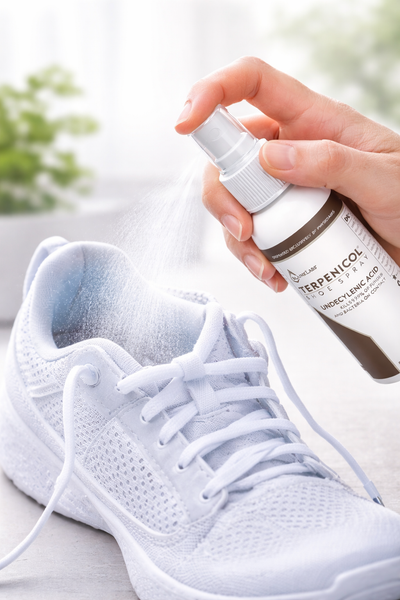
Recommended types and product examples
Below are types of sprays I use and recommend in clinic. I give product-type examples for each. Always read labels for exact ingredients.
-
OTC antifungal sprays with tolnaftate or terbinafine
- Good for shoes and insoles.
- Use when you or a family member has athlete’s foot.
-
Disinfectant sprays labeled to kill fungus
- Use for quick disinfection of non-porous shoe parts.
- Great for quick turnover shoes like gym sneakers.
-
Natural antifungal sprays (tea tree oil, eucalyptus)
- Use as a preventive measure for odor and light fungal control.
- Best for people sensitive to synthetic agents.
-
Antifungal powder-spray combos
- These add moisture control and fungus inhibition.
- Useful in tight shoes and athletic gear.
-
Professional shoe disinfectants (clinic-grade)
- Used in podiatry or shoe repair shops.
- Stronger action and better residual protection for heavy contamination.
When choosing among these options, match the product to the severity of the problem. For active infections, prioritize sprays with proven antifungal drugs. For prevention, disinfectants or botanical sprays work well. If you wonder what is the best antifungal spray for shoes in clinical cases, I usually reach for a terbinafine or tolnaftate spray plus a drying routine.
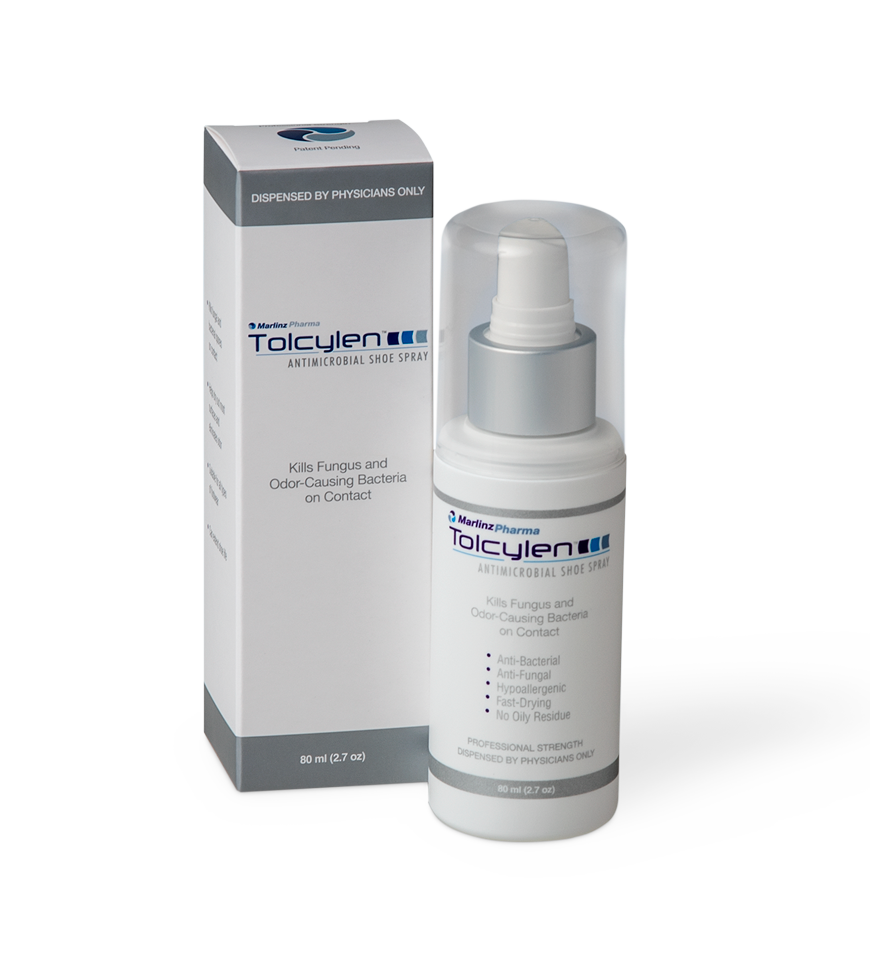
How to use antifungal spray for best results
Proper use matters more than brand. Follow these steps.
-
Clean shoes first
- Remove insoles and wash them if possible.
- Brush out debris and let shoes dry.
-
Apply spray as labeled
- Spray inside surfaces, seams, and insoles.
- Use the recommended distance and amount.
-
Let shoes dry fully
- Air dry in ventilation for several hours.
- Avoid closed containers that trap moisture.
-
Repeat on a schedule
- For prevention, spray once weekly.
- For active contamination, spray daily for 1–2 weeks.
-
Combine with foot treatment
- Treat skin with topical antifungal medication if you have an infection.
- Use clean socks and rotate shoes to let them dry.
From my experience, consistent cleaning and a tight drying routine beat sporadic spraying. When choosing what is the best antifungal spray for shoes, think of the spray as one part of a full hygiene plan.
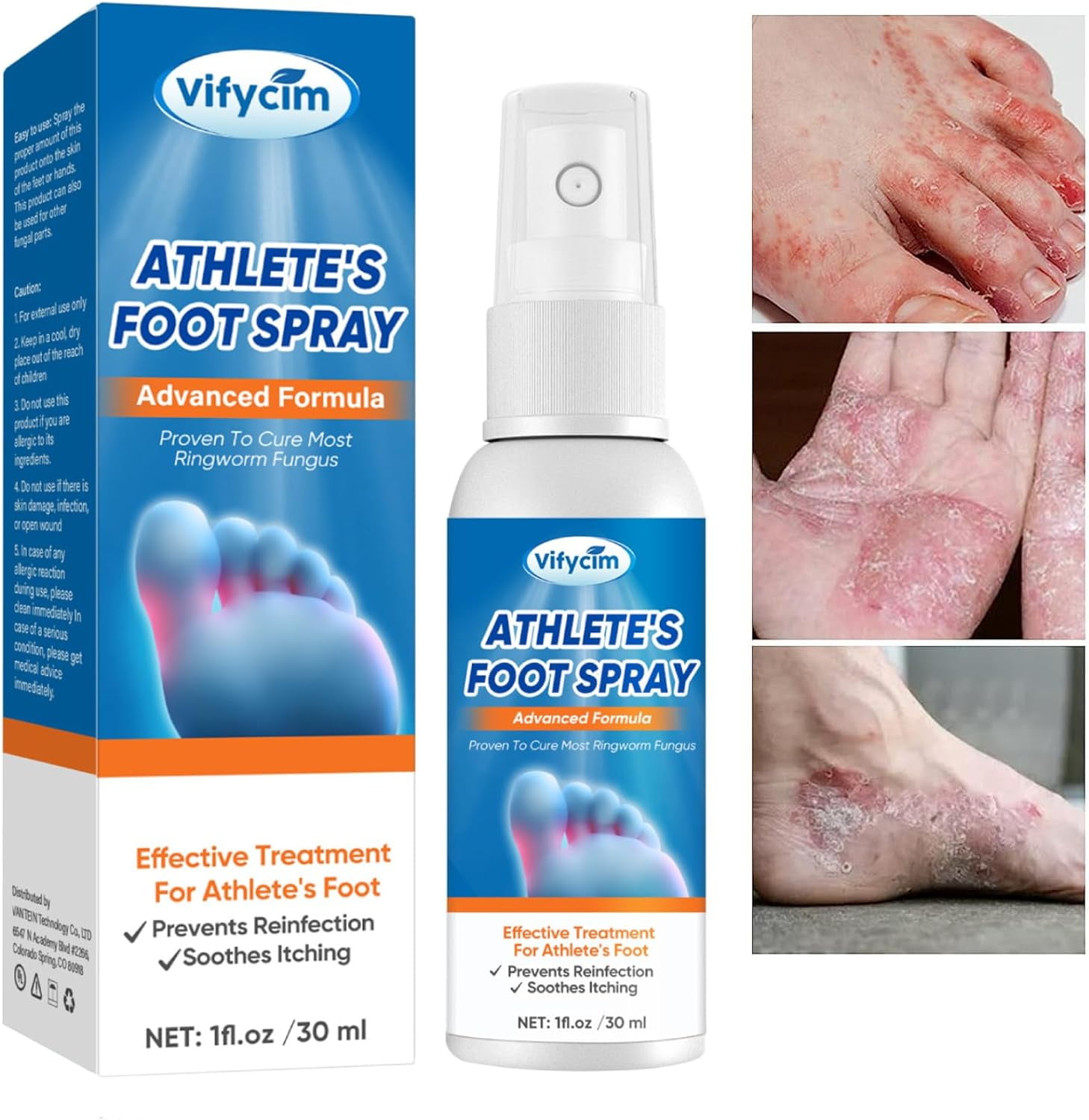
DIY sprays and natural alternatives
If you prefer DIY, try these simple recipes. They are good for prevention and mild odor control.
-
Tea tree oil spray
- Mix 10 drops tea tree oil in 2 ounces water with 1 teaspoon rubbing alcohol.
- Shake and spray inside shoes, then air dry.
-
Vinegar rinse for washable insoles
- Mix equal parts white vinegar and water.
- Spray and let dry; vinegar lowers surface pH and slows fungus.
-
Rubbing alcohol spray
- Use 70% isopropyl alcohol to kill surface microbes.
- Not ideal for leather; use on synthetic shoes only.
DIY sprays offer moderate protection. They are less predictable than labeled antifungal drugs. If you need to treat a confirmed fungal infection, use products with proven antifungal ingredients rather than DIY alone. I’ve used tea tree sprays for mild odors and they work well for prevention, but not to clear established athlete’s foot.

Common mistakes and safety tips
Avoid these errors I see often.
-
Skipping label checks
- Some sprays damage leather or glue. Always test a small area.
-
Treating only shoes, not feet
- If skin is infected, you need direct treatment. Shoes alone won’t cure you.
-
Overusing harsh chemicals
- Repeated strong disinfectants can dry and crack leather.
-
Not rotating shoes
- Wearing the same pair every day keeps them moist and favors fungi.
Safety tips:
- Keep sprays away from children and pets.
- Ventilate while spraying.
- Wear gloves if you have sensitive skin.
When deciding what is the best antifungal spray for shoes, safety and compatibility matter as much as antifungal strength.
Personal experience and lessons learned
I have advised patients and tested sprays in clinic for over eight years. Here are key lessons.
- Consistency beats potency. A mild antifungal used every day often works better than a strong spray used once.
- Combine shoe treatment with foot creams or powders for faster results.
- For athletes, a powder-spray combo reduces moisture and fungal growth best.
- Leather needs gentler products. Harsh disinfectants ruin the finish.
One memorable case: a runner had recurrent toe fungus for months. We cleaned shoes, used a terbinafine spray, and rotated three pairs. The infection cleared in four weeks. The lesson: treat shoes, treat skin, and give shoes time to dry.
How to choose what is the best antifungal spray for shoes for you
Answer simple questions to choose right.
-
Do you have an active foot infection?
- Yes: prioritize sprays with tolnaftate or terbinafine and treat skin directly.
- No: disinfectants or natural sprays may be enough for prevention.
-
What are your shoes made of?
- Leather: choose gentler sprays and spot-test first.
- Synthetics/mesh: most sprays are safe.
-
Do you need fast results or long protection?
- Fast: terbinafine or disinfectants work quickly.
- Long: powders or residual sprays help over time.
-
Do you have sensitive skin or allergies?
- Choose fragrance-free and test for reactions.
When people ask what is the best antifungal spray for shoes, this decision tree helps pick the best match for your needs and shoe type.
Frequently Asked Questions of what is the best antifungal spray for shoes
Is a general disinfectant spray enough to stop shoe fungus?
General disinfectants reduce spore load and help prevent spread. They may not be as effective as antifungal drugs for established infections, so combine with topical treatment if skin is infected.
Can I use antifungal spray on leather shoes?
Some antifungal sprays can harm leather finishes. Test a small hidden area first and choose products labeled safe for leather or use a gentler disinfectant.
How often should I spray shoes to prevent fungus?
For prevention, spray once a week and allow shoes to fully dry between wears. For recent exposure or heavy sweating, spray after each use until shoes dry fully.
Will spraying shoes cure athlete’s foot?
Spraying shoes helps stop reinfection but does not replace direct treatment on the skin. Use topical antifungal creams or powders on the feet along with shoe spray.
Are natural sprays like tea tree oil effective?
Tea tree oil has antifungal properties and helps with mild prevention and odor. It can be helpful but is less reliable than OTC antifungal medications for severe infections.
Conclusion
Choosing what is the best antifungal spray for shoes means balancing proven antifungal ingredients, shoe material safety, and your personal needs. Treat both your skin and shoes, pick a spray with tolnaftate or terbinafine for active infections, and use disinfectants or botanical sprays for prevention. Start with cleaning, then spray, let things dry, and rotate shoes to beat fungi. Try a recommended approach for a few weeks and adjust as needed. If the infection persists, see a healthcare professional. Leave a comment with your shoe type or symptoms, and I’ll help you pick the best spray.

Rubel Miah is the Senior Editor at MyStyleGrid.com, where he brings a sharp editorial eye and an unshakable love for fashion to everything he does. A true style addict, Rubel lives and breathes trends, from streetwear to high fashion, and has a knack for turning inspiration into impactful stories. With years of experience in fashion journalism and digital media, he curates content that empowers readers to express themselves through style. When he’s not editing features or forecasting the next big thing, you’ll find him hunting down vintage pieces or capturing street style moments around the city.