
Most people should replace shoes every 6 to 18 months, depending on use and type.
I’ve studied footwear wear, tested dozens of pairs, and advised friends and clients on when to replace shoes. In this guide I explain how often should you buy new shoes, what signs to watch for, and how to stretch shoe life without risking injury. Read on for clear rules, simple checks, and practical tips you can use today.

How often should you buy new shoes: general rules
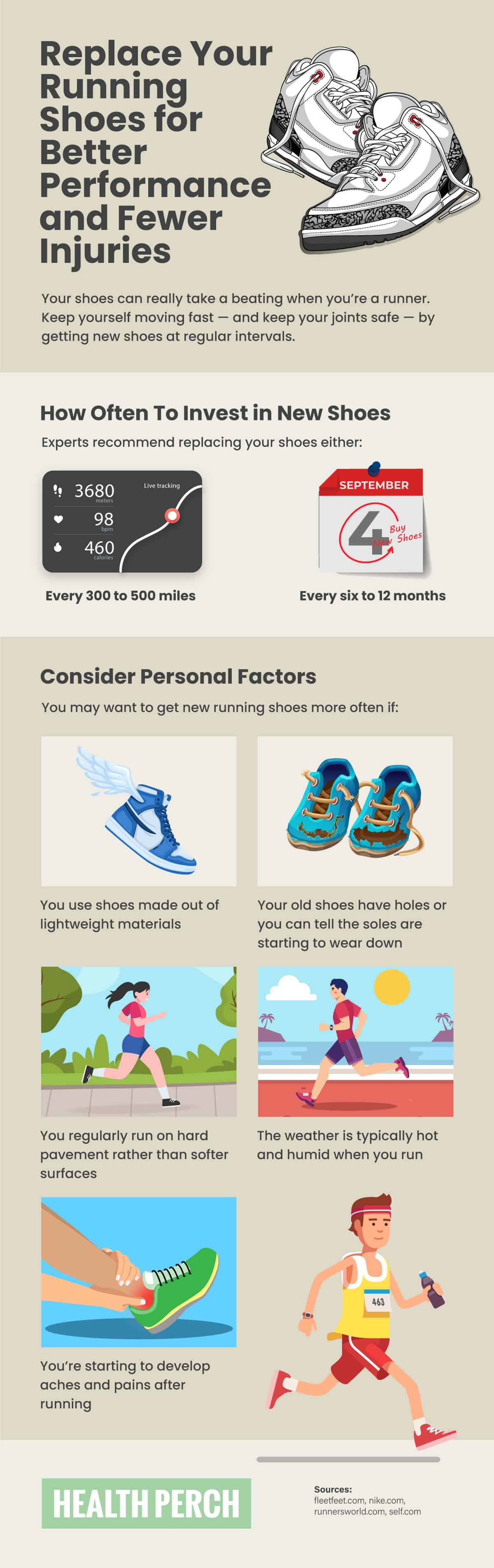
There is no single answer, but simple rules help. For high-impact use, like running, replace shoes every 300 to 500 miles. For daily casual sneakers, expect 6 to 12 months with regular wear. For dress shoes worn a few times a week, plan on replacing them every 1 to 3 years or sooner if soles wear out. Work boots and hiking boots can last 1 to 3 years with proper care, or longer if resoling is possible. For kids, replace shoes every 3 to 6 months because feet grow fast.
These ranges answer how often should you buy new shoes in a practical way that fits most lifestyles. Use type, mileage, and visual checks to set your schedule.

Factors that change how often should you buy new shoes
Use and intensity
- Shoes used for daily work, long walks, or running wear faster.
- Shoes worn only occasionally last longer.
Body and gait
- Heavier body weight and overpronation speed wear.
- A professional gait analysis can predict wear patterns.
Surface and environment
- Rough pavement and trails break down soles and midsoles faster.
- Wet or salty conditions damage materials faster.
Quality and construction
- Higher-quality leather and well-built soles last longer.
- Cheap foam midsoles compress quickly and need faster replacement.
Care and rotation
- Regular cleaning and rotating 2–3 pairs reduces wear.
- Inspections and timely resoling add months or years.
These factors explain why answers to how often should you buy new shoes vary widely. Adjust your replacement schedule based on your situation.

Signs your shoes need replacing
Look for clear, easy-to-check signs that tell you how often should you buy new shoes:
- Visible sole wear and holes or flat tread.
- Midsole compression or creasing that reduces cushioning.
- New aches in knees, hips, or back after wearing them.
- Uneven wear on the outsole indicating gait issues.
- Upper material splitting or seams coming apart.
- Loss of structure or fit—shoes feel loose or collapse.
If you notice two or more signs, it’s time to buy new shoes. Don’t wait for severe pain.

PAA-style questions (short answers)
How do I know if running shoes need replacing?
- Check miles (300–500), feel for less cushioning, and watch for changes in running pain or form.
Can I resole dress shoes instead of buying new ones?
- Yes. Many leather dress shoes can be resoled multiple times, extending life by years.
Do rotating shoes really help?
- Yes. Rotating gives materials time to rebound. It reduces sweat buildup and speeds recovery of cushioning.
How to extend shoe life and delay buying new shoes
Good care cuts down how often should you buy new shoes. Follow these easy habits:
- Rotate between two or three pairs for daily use.
- Clean regularly and let shoes air dry; avoid direct heat.
- Use shoe trees in leather shoes to keep shape.
- Replace insoles before the entire shoe feels worn.
- Use protective sprays for water and stains when appropriate.
- Get worn soles repaired or resoled when possible.
Small investments in care often save money and make shoes feel newer longer.
/assets/images/provider/photos/2822228.png)
How often should you buy new shoes by shoe type
Running shoes
- Replace every 300 to 500 miles or 6–12 months with regular training.
Walking shoes
- Replace every 6–12 months depending on steps and terrain.
Casual sneakers
- Replace every 6–18 months based on wear and frequency.
Dress shoes
- Replace every 1–3 years; resoling can extend life significantly.
Work boots and hiking boots
- Replace every 1–3 years for heavy use. Resole if the upper is in good shape.
Kids’ shoes
- Replace every 3–6 months due to growth, and sooner if fit becomes tight.
Sandals and flip-flops
- Replace as soon as straps weaken or soles thin; often within months for cheap pairs.
These timelines help you plan purchases and align with how often should you buy new shoes for different needs.
Cost, sustainability, and smart buying tips
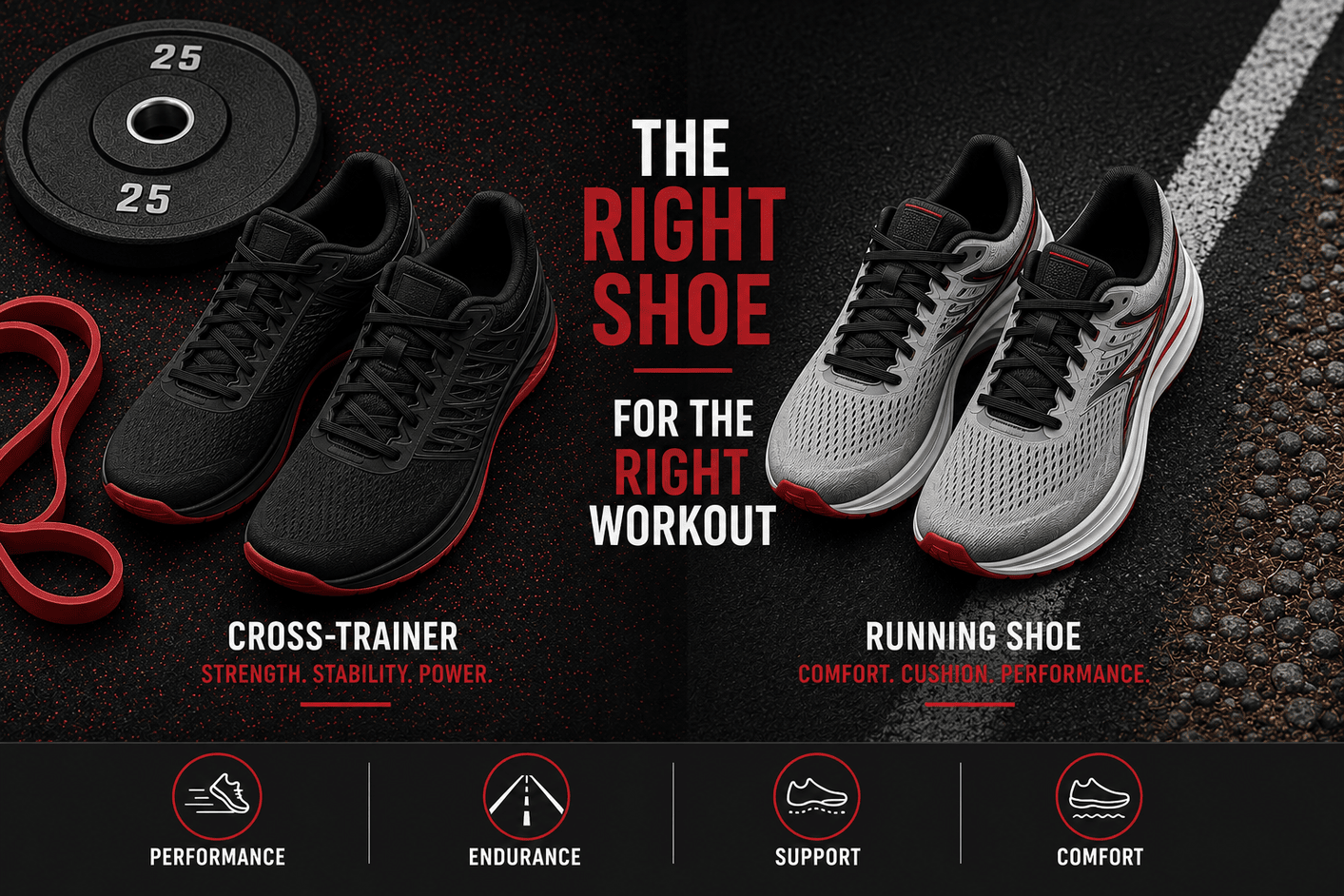
Think beyond price when planning how often should you buy new shoes. Cheaper pairs may need replacing more often. Higher-quality shoes cost more upfront but can last longer and be resoled.
Smart buying tips
- Buy shoes that match your main activity.
- Choose quality over trend when you want longevity.
- Keep receipts and check warranties for defects.
- Consider secondhand or refurbished shoes for lower impact and cost.
- Recycle or donate worn but usable shoes.
Sustainability matters. Plan purchases to reduce waste. Repair first, replace when necessary.
Personal experience and real-world tips
I once ran two seasons in a budget pair. Around 250 miles the cushioning felt gone and my knees hurt. I switched to a better fit and replaced the old pair. Pain dropped and my pace improved. Lesson learned: buy the right shoe for the right activity.
I also rotate three pairs for daily wear. Rotation cut down on odor and extended each pair by months. When I resoles dress shoes, they look and feel fresh for years. These small changes cut how often should you buy new shoes and save money over time.

Frequently Asked Questions of how often should you buy new shoes
How do I know if my running shoes are still good?
Check mileage (300–500 miles), cushioning feel, and your body. If you feel new aches or the midsole looks compressed, replace them.
Can I keep wearing shoes that look fine but feel different?
If cushioning or support feels reduced, stop wearing them for intense activity. Visual intactness doesn’t always mean they are safe.
Are expensive shoes always worth it?
Not always. A good fit and proper construction matter more. Sometimes mid-range shoes offer the best value for specific activities.
How many pairs of shoes should I own to rotate properly?
Aim for two to four daily-use pairs. Rotate by activity and let each pair rest 24–48 hours between heavy use.
Is resoling a good option for casual shoes?
Resoling works best with leather or well-built soles. For cheap molded soles, resoling may not be cost-effective.
Conclusion
Replacing shoes at the right time protects your comfort and body. Use simple rules like miles for running, visual checks, and listening to your body to answer how often should you buy new shoes. Rotate pairs, care for them, and repair when possible to save money and cut waste. Take action today: inspect your current shoes, note any signs of wear, and set a replacement plan that fits your life. If this guide helped, subscribe, leave a comment, or share your shoe story.

Madison Clark is a footwear expert and the voice behind MyStyleGrid.com. She specializes in honest shoe reviews, style tips, and practical guides to help readers find the perfect pair for any occasion. With years of experience in blogging and content creation, Madison makes footwear knowledge simple, stylish, and easy to follow.