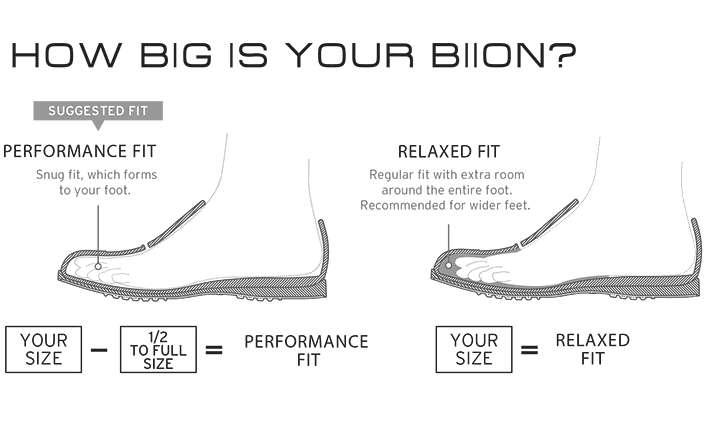
Shoes should feel snug but not tight: toes wiggle, heel holds, no pain.
As a footwear specialist with years fitting runners, hikers, and office-goers, I’ll walk you through exactly how snug should shoes fit so you can choose comfort and avoid injury. This guide breaks down fit by foot shape, shoe type, and activity. I’ll share simple measuring steps, red flags to watch, real-world tips I’ve learned from fitting hundreds of customers, and clear actions you can take today to get the right fit.

Why fit matters for comfort, performance, and foot health
A proper fit prevents blisters, bunions, and long-term pain. Shoes that are too loose let your foot slide and rub. Shoes that are too tight compress nerves and restrict blood flow. Knowing how snug should shoes fit helps you pick the right size and avoid returns or surgery.
Key outcomes of the right fit:
- Reduced blisters and hotspots
- Better balance and gait
- Longer shoe life and even wear
- Lower risk of foot conditions
My experience: I once adjusted an everyday loafer for a client whose shoes pinched the toes. A half-size change and a different width removed their pain immediately. Small fit changes matter.
How to measure your feet and test fit at home
Measure at the end of the day when feet are largest. Use a ruler or tape on a sheet of paper. Stand, trace your foot, and measure length and width. Try shoes with the socks you plan to wear.
Steps to test fit in-store or at home:
- Measure both feet; buy for the larger size.
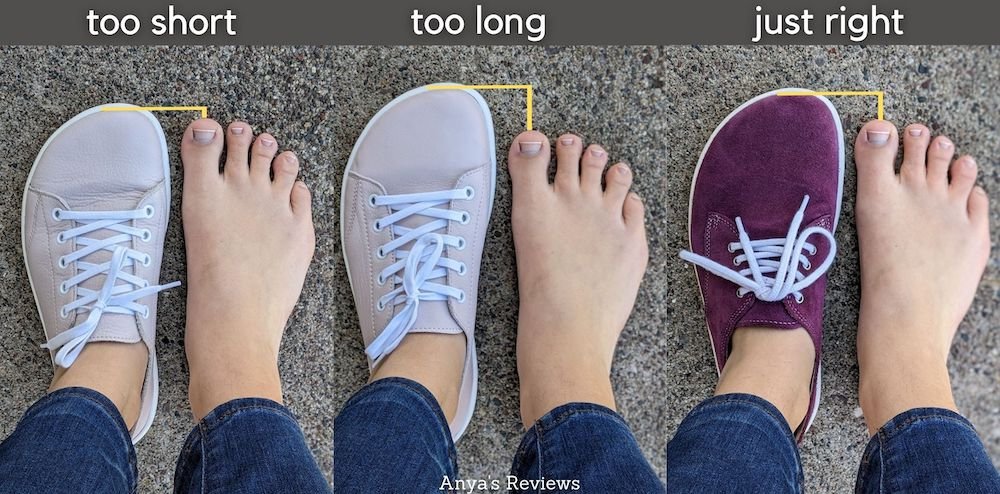
- Check for a thumb’s width (about 1/2 inch) of space at the toe with shoes on and standing.
- Ensure the heel stays in place when you walk and does not lift more than a small amount.
- Wiggle toes freely without pressure.
- Walk on different surfaces to check stability.
Practical tip from my fittings: always lace or fasten shoes fully before judging fit. Many think shoes fit until they walk with them. Lace them up. Walk at least 10–15 steps.

How snug should shoes fit by shoe type
Different shoes need different snugness. The phrase how snug should shoes fit applies across types, but the ideal tightness changes with purpose.
Running shoes
- Should fit snug in the midfoot and heel to prevent slipping.
- Allow about 1/2 inch at the toe for forward foot motion during runs.
Dress shoes
- Should be snug across the forefoot with minimal heel slip.
- Avoid tight toes; leather can stretch slightly but not enough for major size changes.
Hiking boots
- Should be snug enough to prevent heel slip on descents.
- Have room for toe lift when on steep slopes; consider half size larger than street shoes.
Athletic shoes for court sports
- Need secure lateral support.
- A slightly tighter fit than running shoes is fine to prevent side-to-side movement.
Casual sneakers
- Aim for comfort; they can be slightly roomier but not sloppy.
My rule of thumb: repeat to yourself how snug should shoes fit for each activity. Adjust based on whether your foot needs room to swell, move, or lock in.
Sizing issues: widths, half sizes, and foot shapes
Length alone doesn’t tell the full story. Width and arch shape influence how snug shoes feel. People with wide feet often pick longer sizes to avoid pressure, but this can cause heel slip.
Common adjustments:
- Try wide or narrow widths if available.
- Use insoles for volume control if shoes are slightly large.
- Consider orthotics for arch support, which can change snugness.
Personal note: I fit a client who wore a size up for width. Switching to the correct width fixed their heel lift and blisters. Don’t assume your length is fixed for every brand.

Problems caused by shoes that are too snug or too loose
Both extremes create trouble. Knowing signs helps you act fast.
Signs of too tight
- Numbness or tingling in toes
- Red marks or white lines across the foot
- Pain during or after wear
Signs of too loose
- Heel slipping and blisters
- Instability when turning
- Excessive creasing and wear in the toe box
If you feel persistent pain, seek a podiatrist. Short-term discomfort can turn into chronic issues.

Practical tips for trying, breaking in, and adjusting fit
Simple fixes can make a big difference. Try these when deciding how snug should shoes fit.
Before buying
- Try shoes later in the day when feet are bigger.
- Bring the socks you will wear with those shoes.
- Walk on a variety of surfaces.
After buying
- Break in shoes slowly: wear a few hours per day.
- Use heel grips for minor slip issues.
- Replace insoles to fine-tune fit and comfort.
When to size up or down
- Size up if toes hit the front when walking or running.
- Size down if foot slides forward and toes have too much room.
From experience: a thin insole can fix slight looseness. But do not compensate for a shoe that is clearly the wrong length or width by only adding pads.
PAA-style questions (common quick queries)
How snug should shoes fit for running?
Running shoes should be snug at the midfoot and heel and allow about a thumb’s width of space at the toes to accommodate foot movement.
How snug should shoes fit for wide feet?
For wide feet, choose wider widths rather than upsizing length. The shoe should feel secure without pinching across the forefoot.
How snug should shoes fit when buying online?
Measure feet, compare to the brand’s size chart, read reviews about fit, and allow for returns. If unsure, pick the larger of your common sizes and use insoles to adjust.
Signs you need a different size or specialist help
Pay attention to repeated pain or recurring blisters. If you see:
- Persistent numbness
- Frequent toe deformities
- Severe heel pain
then consult a foot specialist. A professional can check for structural issues and recommend custom solutions.
In my practice, clients with chronic pain often needed a combination of better-fitting shoes and targeted orthotics. That combo solved most issues.
How to choose shoes for growing feet and swelling
Children and adults with swelling need room to avoid pressure. Check fit regularly and allow extra length for growth in kids. For swelling:
- Choose shoes with adjustable closures.
- Pick breathable materials and avoid stiff toe boxes.
- Consider half-size increases or wider fits as needed.
Frequently Asked Questions of how snug should shoes fit
How can I tell if a shoe is too tight?
A shoe is too tight if you feel pressure, numbness, or a burning sensation. Red marks or white creases after removing shoes are also signs.
Is it okay to break in shoes that feel tight at first?
You can break in some leather shoes, but persistent tightness is not safe. If pain continues after gradual wear, choose a larger size or different width.
Should there be room at the toes for running?
Yes. For running, leave about a thumb’s width of space at the longest toe to allow forward movement and swelling.
Can insoles fix poor fit?
Insoles can fix small fit issues and add support. They cannot correct shoes that are too short or too narrow.
How often should I re-measure my feet?
Measure at least once a year or after major weight changes, pregnancy, or foot injuries. Feet can change over time.
Conclusion
Getting the fit right starts with knowing how snug should shoes fit for your foot and activity. Aim for a secure heel, a snug midfoot, and a toe box that lets toes wiggle. Measure, try shoes on with proper socks, and pay attention to signs of pain. Small fit changes can prevent big problems.
Take action today: measure your feet, try shoes near the end of the day, and use the tips here when you shop. If you have persistent pain, see a specialist. Share your fit story or questions below — I’ll respond with tailored advice.

Madison Clark is a footwear expert and the voice behind MyStyleGrid.com. She specializes in honest shoe reviews, style tips, and practical guides to help readers find the perfect pair for any occasion. With years of experience in blogging and content creation, Madison makes footwear knowledge simple, stylish, and easy to follow.