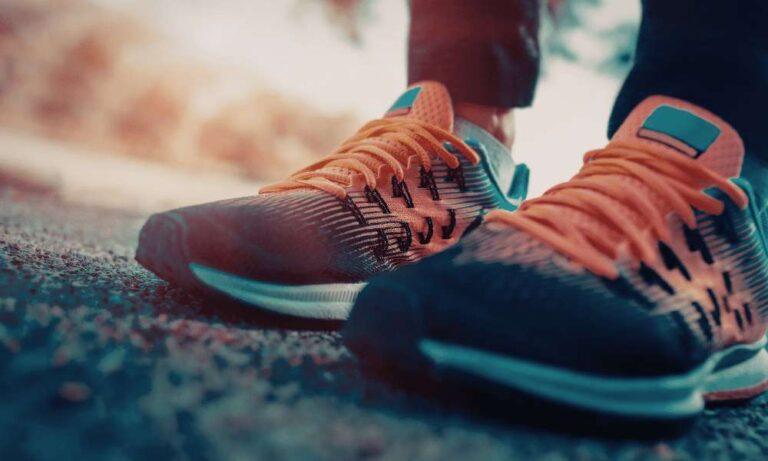
Podiatrists generally recommend supportive shoes with good arch support, cushioning, and a roomy toe box.
As a clinician with years helping patients relieve foot pain, I’ll walk you through exactly what shoes do podiatrists recommend and why. This guide explains features, shoe types, fitting tips, and real-world advice so you can pick footwear that protects your feet, supports healing, and keeps you comfortable all day.

Why shoe choice matters to podiatrists
Footwear affects posture, gait, and joint stress. When people ask what shoes do podiatrists recommend, we focus on how a shoe alters pressure and motion. The right shoe prevents common problems like plantar fasciitis, bunions, and ankle instability. Choosing well-built footwear can ease pain and slow foot damage over time.
Key shoe features podiatrists recommend
When answering what shoes do podiatrists recommend, we look for several core features. These basics protect foot structure and improve comfort.
- Arch support
- Supports the medial arch to reduce strain on tendons and ligaments.
- Stable heel counter
- A firm back stabilizes the heel and limits excessive movement.
- Cushioning in the midsole
- Absorbs shock and lowers impact on joints.
- Roomy toe box
- Lets toes splay naturally and reduces bunion or hammertoe pressure.
- Removable insole
- Lets you insert custom orthotics when needed.
- Low, gradual heel (4–8 mm drop)
- Balances calf tension and reduces forefoot load.
- Lightweight, flexible forefoot
- Allows natural toe-off without rigid restriction.
These attributes answer the core of what shoes do podiatrists recommend for everyday wear and for many foot conditions.

Best shoe types and when podiatrists recommend them
Different shoes suit different needs. Here are common categories podiatrists recommend and why.
- Supportive running shoes
- Good for walkers and runners who need shock absorption and arch support.
- Stability shoes
- Help people with mild to moderate overpronation control inward roll.
- Motion-control shoes
- For severe overpronation or flat feet, they add rigidity to limit collapse.
- Cushioned or neutral shoes
- Best for high-arched feet that need extra shock absorption.
- Trail shoes
- Offer sturdier soles and protection on uneven terrain; useful for ankle support.
- Rocker-soled shoes
- Help offload forefoot pressure in arthritis or after forefoot surgery.
- Orthopedic and diabetic shoes
- Built for pressure relief and reducing risk of ulcers in neuropathy.
- Wide-fit and extra-depth shoes
- Recommended for bunions, hammertoes, and swollen feet.
Knowing what shoes do podiatrists recommend for specific activities helps you choose purpose-built footwear.
How to choose shoes for specific foot problems
Answering what shoes do podiatrists recommend often starts with the diagnosis. Match the shoe to the problem.
- Plantar fasciitis
- Choose shoes with firm arch support, a cushioned heel, and a moderate heel-to-toe drop.
- Bunions
- Prioritize a wide toe box, soft upper material, and removable insole for orthotics.
- Flat feet or overpronation
- Look for stability or motion-control shoes with structured midsoles.
- High arches
- Select cushioned, neutral shoes with good shock absorption.
- Achilles tendinopathy
- Use shoes with a slightly higher heel and good heel cushioning to reduce strain.
- Diabetes or neuropathy
- Use protective, seamless shoes with extra depth and pressure-distributing insoles.
Each recommendation reflects how footwear changes force on the foot. When people ask what shoes do podiatrists recommend, we tailor advice to the foot’s structure and medical needs.

Fitting tips and a quick shopping checklist
A great shoe must fit well. Use this short checklist when deciding what shoes do podiatrists recommend for you.
- Shop later in the day when feet are slightly swollen.
- Wear the socks you will normally use with the shoe.
- Allow one thumb’s width (about 1/2 inch) of space in front of the longest toe.
- Make sure the heel sits snugly without slipping.
- Check that the toe box allows natural toe spread.
- Perform a quick walk test: no rubbing, slipping, or pinching.
- Try both shoes and walk on multiple surfaces if possible.
Good fit matters more than brand. When you ask what shoes do podiatrists recommend, fit is often the top priority.
Shoe maintenance and when to replace shoes
Shoes wear out. Knowing when to replace them is part of what shoes do podiatrists recommend.
- Replace athletic shoes every 300–500 miles or when midsoles feel compressed.
- Look for uneven outsole wear or a loss of cushioning.
- Alternate between two pairs to increase lifespan and allow recovery of cushioning.
- Avoid using worn-out shoes for long runs or daily work where support matters.
- Get insoles and orthotics checked annually for wear.
Keeping shoes in good condition prevents injury and keeps the benefits you sought when asking what shoes do podiatrists recommend.

My experience: what shoes do podiatrists recommend in practice
In clinic, I often hear the same worries. Patients want comfort and style. I explain how support beats trend for long-term foot health. I have tried dozens of models with patients. The shoes that work best combine a firm heel, good arch support, and a roomy toe box.
One memorable case was a runner with chronic heel pain. We switched his footwear to a stability shoe with a supportive insole. Within weeks his pain dropped and his pace improved. That taught me to balance clinical advice with real use. When people ask what shoes do podiatrists recommend, I give options rather than a single brand. Fit, activity, and foot type win every time.

Frequently Asked Questions of what shoes do podiatrists recommend
Are expensive shoes always better for foot health?
Not always. Cost can reflect materials and tech, but fit and the right features matter more than price. A modestly priced shoe with proper support can outperform an expensive but ill-fitting pair.
Can orthotics make cheap shoes safe to wear?
Custom orthotics can improve support, but they work best in shoes with removable insoles and enough depth. Very flimsy shoes may still fail to protect your foot even with orthotics.
What shoes do podiatrists recommend for plantar fasciitis?
Podiatrists typically recommend shoes with firm arch support, a cushioned heel, and a small heel-to-toe drop. Compression sleeves, night splints, and targeted stretching often help alongside proper shoes.
How often should I replace my running shoes?
Replace running shoes every 300–500 miles or when the midsole loses cushioning. If you feel new aches or notice uneven wear, it’s time to get a new pair.
Are minimalist shoes good for foot health?
Minimalist shoes can help some people build strength, but they risk injury if introduced too quickly. Gradual transition and guidance on gait mechanics are important.
Can wide feet benefit from standard shoe models?
Wide feet usually need wide-fit models or shoes that stretch, like soft leather uppers. Wearing narrow shoes may cause pain, corns, and bunions over time.
How do I know if a shoe provides proper arch support?
A shoe with proper arch support holds your midfoot without collapsing under weight and feels comfortable during short walks. If your arch fatigues quickly, the shoe likely lacks adequate support.
Conclusion
Choosing the right shoe matters more than you might think. Focus on arch support, a stable heel, cushioning, and a roomy toe box to match what shoes do podiatrists recommend. Try shoes on late in the day, test them by walking, and match the shoe type to your activity and foot condition. Take action today: check your current shoes, measure fit, and consider upgrading to footwear that protects your feet long term. Share your questions or experiences below, or subscribe for more foot health advice.

Rubel Miah is the Senior Editor at MyStyleGrid.com, where he brings a sharp editorial eye and an unshakable love for fashion to everything he does. A true style addict, Rubel lives and breathes trends, from streetwear to high fashion, and has a knack for turning inspiration into impactful stories. With years of experience in fashion journalism and digital media, he curates content that empowers readers to express themselves through style. When he’s not editing features or forecasting the next big thing, you’ll find him hunting down vintage pieces or capturing street style moments around the city.