The best pac boots for hunting keep feet warm, dry, steady, and ready for long days outdoors.
A cold, wet foot can end a hunt before the day even starts. I have learned that the right pac boot feels less like heavy gear and more like a warm shelter for your feet. The best pac boots for hunting must block water, hold heat, grip slick ground, and stay comfortable during long walks. The models below cover cold weather, wet timber, ranch work, and lighter hunts. I also explain where each boot shines, where it falls short, and who should buy it.
Kenetrek Cowboy Insulated Pac Boot

The Kenetrek Cowboy Insulated Pac Boot brings a western shape to a cold-weather hunting boot. Its tall build helps shield the lower leg from snow, brush, and shallow water. Insulation adds welcome warmth when a hunter spends hours in a blind or follows a slow blood trail. The cowboy-style opening also makes the boot easy to pull on when speed matters.
I see this model as a strong choice for hunters who split time between open country and working land. It offers the cozy feel that I want on frosty mornings without the look of a bulky snow boot. The taller shaft can also help keep debris out during rough walks. As with any insulated boot, fit matters, so leave room for wool socks without letting the heel slide.
Pros:
- Warm insulated design for cold hunts
- Tall shaft helps block snow, mud, and brush
- Easy pull-on cowboy boot shape
- Useful for hunting, ranch work, and outdoor chores
- Comfortable choice for stationary hunts
- Distinct western styling for buyers who dislike plain boots
Cons:
- Pull-on design may feel less secure than laces on steep slopes
- Insulation can feel too warm in mild weather
- Cowboy shaft may not fit every calf shape
LaCrosse Hunt Pac Extreme 2000G
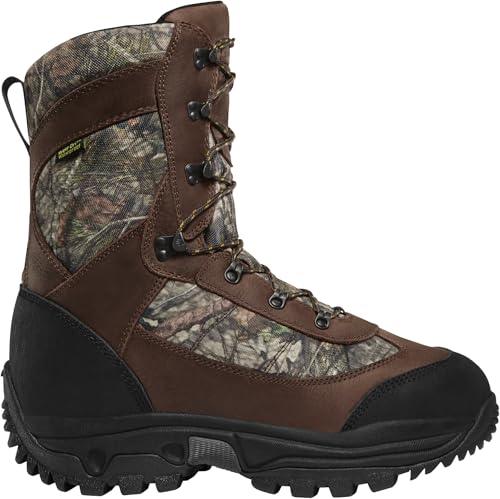
The LaCrosse Hunt Pac Extreme is built for hunters who expect cold, wet ground. Its 2000-gram insulation rating offers serious heat for late-season hunts and long sits. A waterproof build helps keep snow and slush from reaching the foot. The Mossy Oak Break-Up Country finish also blends well with many eastern and western hunting settings.
In my view, this is one of the most practical choices for a hunter who values warmth above all else. The 10-inch height gives solid coverage while avoiding the feel of a very tall boot. It suits deer hunters, waterfowl hunters, and anyone who works around frozen mud. Keep in mind that heavy insulation takes more space, so a thin or medium wool sock may fit better than a thick liner.
Pros:
- 2000G insulation supports very cold-weather use
- Waterproof construction helps stop snow and slush
- 10-inch height balances coverage and mobility
- Camouflage pattern suits many hunting areas
- Strong option for long stationary hunts
- Built for wet ground and winter travel
Cons:
- May feel too warm during early-season hunts
- Heavier than lightly insulated hunting boots
- Bulk can reduce natural ankle movement
10-Inch Grizzly Insulated Pac Boot

The 10-inch Grizzly Insulated Pac Boot offers a simple, useful design for cold outdoor work. Its brown finish looks at home in the woods, on a farm, or around camp. Insulation helps hold body heat when temperatures drop. The mid-height shaft gives protection from wet grass, light snow, and loose forest debris.
I like this style for buyers who want a traditional pac boot without paying for a long list of complex features. It has the feel of a dependable work boot that can also handle hunting trips. The 10-inch height keeps it easier to walk in than a very tall winter boot. For the best comfort, try it with the socks you plan to hunt in, since pac boots often need a little extra toe room.
Pros:
- Warm build for cool and cold conditions
- Useful 10-inch height for mixed outdoor tasks
- Classic brown color hides normal trail dust
- Good fit for hunting, camping, and farm use
- Less restrictive than many taller winter boots
- Simple design is easy to understand and use
Cons:
- May not provide enough warmth for extreme cold
- Traditional styling may lack modern fit adjustments
- Brown color offers less concealment than camouflage
LaCrosse Insulated Pac 12-Inch Boot

The LaCrosse Insulated Pac 12-inch boot is made for hunters who need waterproof coverage and steady warmth. Its foam insulation helps protect the foot from cold ground, damp leaves, and winter wind. The ZXT rubber shell adds a durable barrier against puddles and mud. A slip-resistant outsole is especially useful when a trail turns slick.
This boot stands out as a balanced pick rather than a specialist model. It has enough height for wet brush but does not reach as high as many extreme winter boots. The OD green color works well for general outdoor use and quiet hunting areas. I would consider it for deer hunting, camp duty, and cold-weather chores where dependable waterproofing matters as much as warmth.
Pros:
- Waterproof construction for wet trails
- Foam insulation helps retain warmth
- Durable ZXT rubber shell
- Slip-resistant outsole supports safer footing
- 12-inch shaft protects against wet brush and snow
- Versatile OD green color suits hunting and work
Cons:
- Can feel bulky during fast, steep climbs
- Foam insulation may run warm in mild weather
- Limited adjustability compared with lace-up boots
Kenetrek Northern Insulated Pac Boot

The Kenetrek Northern Insulated Pac Boot is aimed at hunters who face true winter weather. Its 13-inch shaft adds a large zone of protection from snow, wet brush, and cold air. The insulated build helps preserve warmth during long glassing sessions and slow tracking days. The brown upper also gives the boot a rugged, traditional look.
I would put this model on the short list for northern deer camps and deep winter travel. Extra height can make a major difference when snow reaches above the ankle. It also offers a reassuring barrier when I step through frozen grass or slush. The trade-off is weight and bulk, so this boot makes more sense for cold conditions than for warm-weather mountain hunts.
Pros:
- 13-inch shaft gives strong snow protection
- Designed for cold northern hunting conditions
- Insulated interior supports long sits
- Useful coverage through wet brush and slush
- Rugged look suits hunting and winter work
- Good choice for hunters who often stand still
Cons:
- May feel heavy on long uphill hikes
- Too warm for many early-season hunts
- Tall shaft may feel stiff around the calf
Kenetrek Rancher Insulated Pac Boot

The Kenetrek Rancher Insulated Pac Boot combines a ranch-ready profile with the warmth needed for cold hunts. Its 10-inch height keeps the boot useful in brush, mud, and light snow. Insulation adds comfort during chilly mornings without making the boot as tall as a deep-winter model. The brown finish also works well beyond the hunting season.
This is a smart option for people who want one pair for the field and the ranch. I can see it handling chores before dawn, a short still-hunt, and a full day around camp. The lower shaft should feel easier to move in than a 13- or 16-inch boot. However, buyers who face deep snow or extreme cold may want more height and more insulation.
Pros:
- Useful balance of warmth and mobility
- 10-inch shaft suits mixed outdoor use
- Works for hunting, ranch work, and chores
- Brown finish hides dust and wear
- Less bulky than many deep-winter pac boots
- Good one-boot solution for rural users
Cons:
- Not the best choice for very deep snow
- May lack enough warmth for extreme cold
- Ranch styling may not appeal to every hunter
LaCrosse Pac 16-Inch Steel Toe Boot

The LaCrosse Pac 16-inch Steel Toe boot is built for serious coverage and hard use. Its tall shaft helps defend against wet grass, deep mud, snow, and cold wind. Insulation supports warmth, while the steel toe adds protection for work around equipment, wood, and heavy gear. The slip-resistant outsole can help on wet floors and rough ground.
Although this is more of an all-around work boot, it can serve hunters who also need job-site protection. I would choose it for a farm, camp, or property where hunting and demanding chores happen on the same day. The 16-inch height gives more coverage than most hunting boots. That extra protection brings a clear cost: the boot feels heavier and less nimble on steep trails.
Pros:
- 16-inch shaft provides extensive lower-leg coverage
- Steel toe helps protect against impact
- Insulation supports cold-weather work
- Waterproof design suits mud and wet ground
- Slip-resistant outsole improves traction
- Useful for hunting, farm work, and job sites
Cons:
- Steel toe adds weight for long hikes
- Very tall shaft can restrict movement
- May be more boot than a mobile hunter needs
Irish Setter VaprTrek Waterproof Boot

The Irish Setter VaprTrek takes a lighter, more active approach to hunting footwear. Its 8-inch height offers waterproof coverage while keeping the boot easier to move in. The Realtree APX pattern helps it blend into many wooded and brushy settings. This design fits hunters who walk often instead of sitting in one cold blind all day.
I would consider this model when speed, comfort, and trail feel matter more than maximum insulation. An 8-inch boot can feel less tiring on long hikes and steep ground. It also works well for early-season deer hunts and changing fall weather. If temperatures drop sharply, pair it with suitable socks or choose a warmer pac boot built for deep winter.
Pros:
- Lighter feel for active hunters
- Waterproof build helps manage wet trails
- 8-inch height supports natural movement
- Camouflage pattern blends with woodland cover
- Good choice for long walking hunts
- Less bulky than heavily insulated pac boots
Cons:
- Less warm than heavy insulated pac boots
- Shorter shaft gives less snow protection
- May not suit extreme winter temperatures
Kenetrek Bobcat T-Zip Insulated Boot

The Kenetrek Bobcat T-Zip Insulated Pac Boot offers a useful alternative to a traditional pull-on or lace-up boot. Its T-zip entry can make putting the boot on and taking it off less of a chore. Insulation helps hold warmth during cold mornings and long sits. The pac boot design also gives the foot a soft, protected feel on frozen ground.
This boot is a good match for hunters who want easy access without giving up winter comfort. The zipper may help users who dislike bending down to work with laces. It can also be helpful at camp, where boots often go on and off several times. I would still inspect the zipper and keep it clean, because dirt and ice can affect any zip system over time.
Pros:
- T-zip design makes entry and removal simple
- Insulated construction supports cold-weather comfort
- Pac boot shape cushions the foot on hard ground
- Useful for hunting, camp, and winter chores
- Good option for buyers who dislike laces
- Convenient design for frequent boot changes
Cons:
- Zip hardware needs care in mud and ice
- May offer less fine fit control than laces
- Insulation can feel warm during active hikes
Sorel Women’s Caribou Waterproof Boot

The Sorel Women’s Caribou Waterproof boot gives women a proven winter option with a practical hunting-friendly shape. Its waterproof lower section helps block slush, puddles, and melting snow. The insulated design is made for cold outdoor use, while the shorter profile keeps it useful around camp and on easy trails. It also works well for winter travel beyond hunting.
I recommend this boot for women who need warmth and wet-weather protection but do not want a very tall field boot. It can serve for a blind hunt, snowy camp, winter scouting, and daily cold-weather wear. The design feels more at home in cold, damp conditions than in warm and dry upland hunts. Check the fit carefully, especially if you plan to wear thick socks or use an added insole.
Pros:
- Waterproof lower boot helps block slush and snow
- Warm design suits cold outdoor conditions
- Women-specific option for winter hunting use
- Useful for hunting, camp, travel, and chores
- Shorter profile allows easier daily wear
- Recognizable winter design with broad use
Cons:
- May feel less suited to steep backcountry hikes
- Shorter shaft gives limited deep-snow coverage
- Can run warm during active movement
How to Choose the Best Pac Boots for Hunting
Choosing the best pac boots for hunting starts with the weather and terrain. A hunter in wet coastal woods needs a different boot from a hunter in dry high country. Think about the coldest day you expect, the amount of walking you do, and how often you cross water. A warm boot that stays in the truck is not as useful as a lighter boot you can wear all day.
Insulation Level
Insulation is one of the most important boot details. Pac boots may use felt, foam, synthetic insulation, or a mix of materials. More insulation usually means more warmth, but it can also mean more weight and less room inside the boot. A 2000G boot can suit very cold sits, while a lighter boot may work better for active hunts in mild weather.
Do not judge warmth by the insulation number alone. Your socks, activity level, circulation, and ground contact all affect comfort. I prefer a boot that leaves enough space for a wool sock without squeezing my toes. Tight boots can reduce circulation and make cold feet worse.
Waterproof Protection
Wet feet lose heat fast. Look for a sealed rubber lower, waterproof upper, or a waterproof membrane. A tall shaft helps when you walk through wet grass, snow, and brush. Still, no boot can replace gaiters when snow or water reaches above the collar.
Pay attention to the boot opening. A loose opening can let water run inside during rain or a creek crossing. A snug upper helps, but it should not pinch the calf. After each hunt, dry boots away from direct high heat, which can damage rubber and adhesives.
Traction and Outsole Design
A warm boot is not enough if it slips on a wet log. Look for a deep tread with clear edges and flexible lugs. Rubber outsoles often provide reliable grip on mud, leaves, and packed snow. A slip-resistant design is helpful when walking over wet rocks, barn floors, or icy truck beds.
Remember that tread depth is only part of traction. A stiff, heavy boot can make it harder to feel the ground. For steep terrain, I like a boot that bends near the forefoot but still supports the heel. Always clean packed mud from the outsole because clogged tread loses bite.
Boot Height
Boot height affects protection, movement, and comfort. An 8- to 10-inch boot often works well for active hunters and mixed terrain. A 12- to 13-inch boot gives more protection in snow, brush, and wet grass. A 16-inch boot can help with deep mud and demanding work, but it adds weight and may limit stride.
Match the shaft to the way you hunt. If you hike several miles each day, a shorter and lighter design may be the better choice. If you sit in a blind for hours, extra height and insulation may matter more. The best pac boots for hunting should match your day, not just the coldest number on a weather app.
Fit and Sock Space
Fit can make or break a winter boot. Your toes should move freely, and your heel should not lift with each step. Leave enough room for the sock you plan to wear. Do not size down to get a close fit, because a cramped toe box can cause cold feet and painful pressure.
Try boots late in the day when feet are slightly larger. Walk on stairs if possible, and test the fit with hunting pants. If you use thick socks, account for their extra space before ordering. Also check the return policy, since sizes can vary between brands and boot styles.
Weight and Mobility
Every ounce matters when you climb a ridge. Heavy insulation, steel toes, thick rubber, and tall shafts all add weight. Those features can be valuable, but they may tire your legs during a long stalk. A lighter waterproof hunting boot may feel better for active travel.
For a blind hunt, weight matters less than warmth. For mountain hunting, mobility usually matters more. I suggest choosing the lightest boot that still meets your weather and terrain needs. That simple rule often leads to better comfort by the end of the day.
Quiet Movement
Some hunters overlook noise until a boot scrapes a branch or cracks a frozen puddle. Soft rubber and flexible materials can help reduce sound. A bulky, stiff boot may be warmer but louder during a slow stalk. Walk in your boots at home before the season and listen for squeaks or sharp rubbing.
Quiet footwear cannot hide careless movement, but it can remove one small source of noise. Move slowly, keep your steps short, and avoid dragging your soles. A well-fitting boot also helps because it reduces foot lift and unwanted movement.
Care and Storage
Good care can extend the life of pac boots. Brush off mud after each trip, then let the boots dry in a cool, open area. Never place rubber boots beside a wood stove or blast them with a high-heat dryer. Heat can cause cracking, shrinkage, or separation.
Remove liners when the boot allows it. Dry liners fully before the next hunt to prevent odor and dampness. Store boots away from sunlight and chemicals. Before the season, inspect seams, soles, laces, zippers, and rubber for damage.
Pac Boots Compared With Regular Hunting Boots
Pac boots usually offer more warmth and wet-weather protection than standard leather hunting boots. Their rubber lower sections resist water and mud well. They also work nicely for hunters who sit still in cold weather. In return, they can weigh more and feel less precise on rocky trails.
Regular hunting boots may offer better ankle support and a closer fit. They often feel more natural on steep ground and long hikes. However, they may need extra waterproof care and may not hold heat as well during long periods of stillness. The best choice depends on whether your main problem is cold feet, wet feet, or trail fatigue.
I see pac boots as cold-weather tools, not universal footwear. They shine when snow, rain, mud, and low temperatures arrive together. A lighter waterproof hunting boot may be a better choice for warm fall days. Many serious hunters keep both types ready for changing conditions.
Are Pac Boots Good for Deer Hunting?
Yes, pac boots can be excellent for deer hunting. They work especially well for late-season hunts, cold blinds, and wet woods. A warm, waterproof boot helps you stay longer and focus on wind, cover, and shot placement. It also protects your feet during slow tracking after the shot.
For an active deer hunter, avoid choosing the heaviest boot by default. A very warm boot may cause sweat during a long walk, and damp socks can later turn cold. Match insulation to your movement and the expected temperature. For long sits, choose more insulation and enough room for warm socks.
Are Pac Boots Good for Mountain Hunting?
Pac boots can work in the mountains, but the model must fit the terrain. A lighter 8- or 10-inch waterproof boot may suit moderate slopes and long walks. A tall, heavily insulated boot can feel tiring during steep climbs. It may also offer less ankle precision than a dedicated mountain boot.
If you hunt high elevations in deep snow, warmth and waterproof coverage may outweigh the extra weight. If you climb several thousand feet, focus more on fit, traction, and mobility. Test your boots on smaller hikes before a major trip. Blisters and hot spots are much easier to fix at home than in remote country.
Best Pac Boots for Hunting by Use
| Best for | Why |
|---|---|
| Extreme cold and long sits | The LaCrosse Hunt Pac Extreme 2000G and Kenetrek Northern offer strong insulation and useful weather coverage. |
| Active walking hunts | The Irish Setter VaprTrek gives a lighter feel, waterproof protection, and easier movement on trails. |
| Ranch, work, and hunting | The Kenetrek Rancher and LaCrosse Steel Toe models handle mixed outdoor duties beyond the hunting season. |
My Recommendation
After comparing warmth, height, water protection, movement, and daily use, I would choose the LaCrosse Hunt Pac Extreme 2000G for most cold-weather hunters. It gives a strong mix of insulation, waterproof protection, useful height, and hunting-focused design. It suits deer hunters, waterfowl hunters, and people who spend long hours outside in cold weather.
For active hunters who walk far, the Irish Setter VaprTrek makes more sense because it is lighter and less bulky. For deep winter and heavy snow, the Kenetrek Northern offers more shaft coverage. The Kenetrek Rancher is a practical pick for ranch owners who need one boot for work and hunting. These are my leading choices among the best pac boots for hunting because each one solves a clear field problem.
How I Evaluated These Hunting Pac Boots
I focused on the details that matter after several hours outside. Warmth came first, but I also considered waterproof coverage, shaft height, outsole grip, weight, fit, and daily usefulness. A boot can have thick insulation and still disappoint if it slips or causes foot fatigue. I also looked at how each design fits a real hunting style.
I favor clear strengths over vague marketing claims. A 16-inch steel-toe boot may be excellent for cold farm work, yet it is not the best tool for a fast mountain stalk. An 8-inch waterproof boot may feel great on a warm hike, but it cannot replace a deep-winter pac boot. This approach helps match each product to the right user instead of naming one boot for every condition.
Common Mistakes When Buying Hunting Pac Boots
Buying Too Much Insulation
More insulation sounds better, but it can create sweaty feet during an active hunt. Moisture inside the sock can later chill the foot. Choose insulation based on your activity, not fear of cold alone.
Ignoring Toe Room
Winter socks need space. If your toes touch the front or the upper presses down, circulation may suffer. A roomy toe box often keeps feet warmer than a tight boot with more insulation.
Testing Boots Only Indoors
A boot can feel fine on a carpet and fail on a slope. Walk on different surfaces before the return period ends. Check heel lift, ankle movement, toe pressure, and sole grip.
Forgetting Boot Weight
Weight adds up over miles. A heavy boot may be perfect for a blind hunt but tiring on a ridge. Think about the full day, not just the first ten minutes.
Using Cotton Socks
Cotton holds moisture next to the skin. Wool or a quality synthetic sock usually manages dampness better. Carry a spare pair on long hunts, even with waterproof boots.
FAQs Of Best Pac Boots for Hunting
What are the best pac boots for hunting in extreme cold?
Look for heavy insulation, a waterproof lower shell, enough toe room, and a tall shaft. The LaCrosse Hunt Pac Extreme 2000G and Kenetrek Northern are strong choices for very cold hunts.
Are pac boots waterproof?
Many pac boots use waterproof rubber or a waterproof membrane, but designs vary. Check the product details and inspect seams, liners, and the boot opening. Water can still enter from the top during deep snow or creek crossings.
How should hunting pac boots fit?
Your heel should stay mostly in place, and your toes should move freely. Leave room for your hunting socks without allowing the foot to slide. Try boots late in the day with the socks you plan to wear.
How much insulation do I need in hunting boots?
Choose lighter insulation for active hunts and moderate fall weather. Choose heavier insulation for long sits, deep snow, and very low temperatures. Your activity level is just as important as the forecast.
Can I use pac boots for mountain hunting?
Yes, but pick a lighter model with reliable traction and a stable fit. Heavy pac boots work best in cold snow and slow travel. For steep, technical ground, a dedicated mountain boot may offer better control.
Final Verdict: Which Should You Buy?
The LaCrosse Hunt Pac Extreme 2000G is my top overall pick for cold-weather hunters. It combines warmth, waterproof coverage, useful height, and a hunting-ready design.
For lighter hikes, choose the Irish Setter VaprTrek. For deep winter, consider the Kenetrek Northern. Match the boot to your terrain, activity, and weather for the best pac boots for hunting.

Madison Clark is a footwear expert and the voice behind MyStyleGrid.com. She specializes in honest shoe reviews, style tips, and practical guides to help readers find the perfect pair for any occasion. With years of experience in blogging and content creation, Madison makes footwear knowledge simple, stylish, and easy to follow.