Most 5-month-old babies wear US infant shoe size 1 or 2, but foot length matters more than age.
Parents often search for what size does a 5 month old wear in shoes because baby shoe labels can vary widely between brands. In most cases, a 5-month-old has a foot about 3.75 to 4.25 inches long, but growth, genetics, and the shoe’s design all affect the best fit. This guide explains how to measure your baby’s feet, understand infant shoe sizes, and choose safe footwear without guessing.
What shoe size does a 5-month-old usually wear?
Most 5-month-old babies wear a US infant shoe size 1 or 2. Some babies may fit a size 0, while others may need a size 3, so age should only provide a starting point.
A typical size range looks like this:
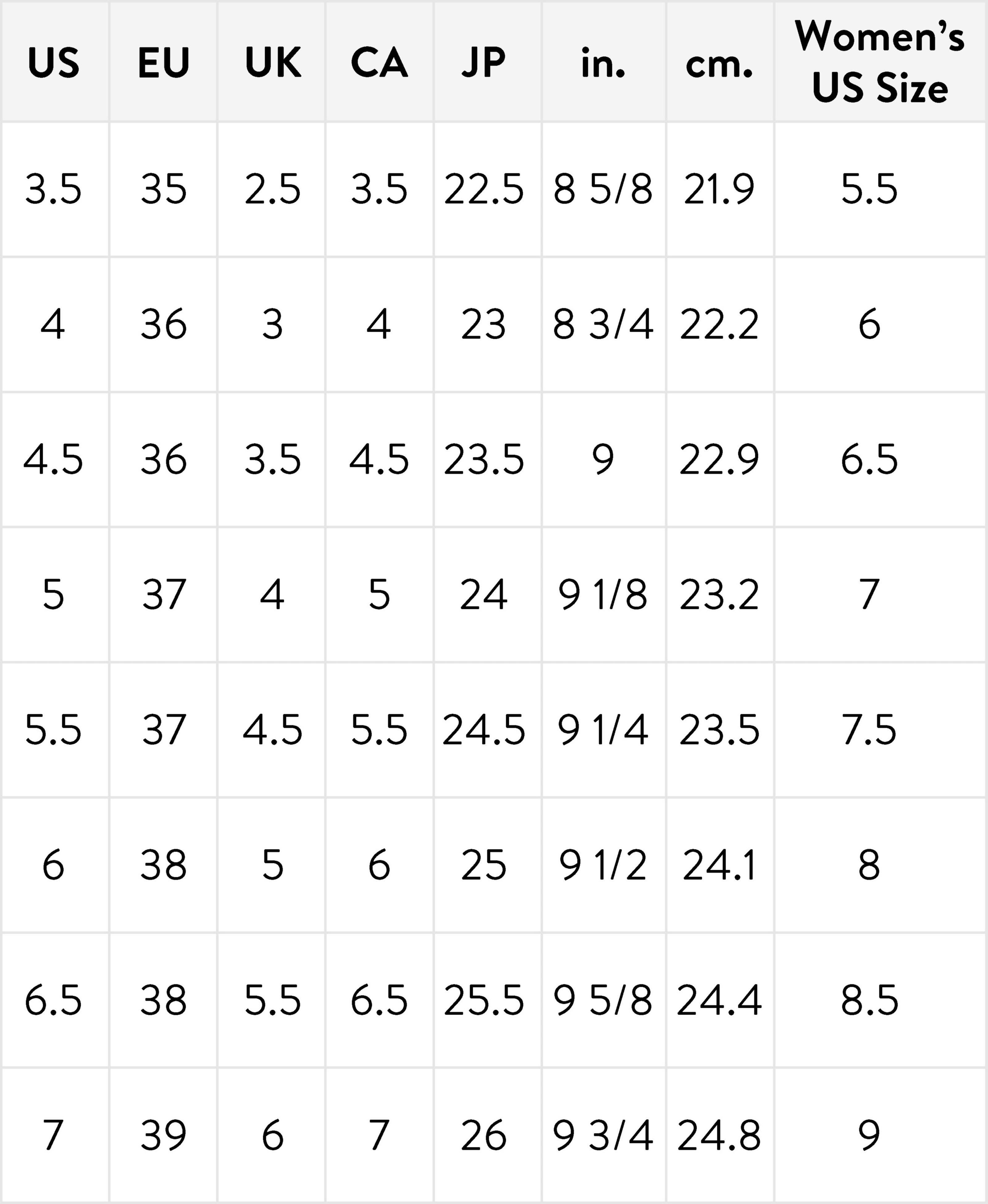
| Baby’s age | Common US shoe size | Approximate foot length |
|---|---|---|
| Newborn to 3 months | 0 | 3.5 to 3.75 inches |
| 3 to 6 months | 1 or 2 | 3.75 to 4.25 inches |
| 6 to 9 months | 2 or 3 | 4.25 to 4.5 inches |
| 9 to 12 months | 3 or 4 | 4.5 to 4.75 inches |
These measurements are general estimates, not rules. Baby shoe sizing is not fully standardized. A size 2 in one brand may fit like a size 1 or size 3 in another.
When asking what size does a 5 month old wear in shoes, the most useful answer is usually “measure the foot and compare it with the brand’s chart.” A baby’s foot length gives a more reliable result than the number of months since birth.
Do 5-month-old babies need shoes?
Most 5-month-old babies do not need firm shoes because they are usually not walking yet. Bare feet are often best indoors because they allow natural movement and help babies feel the floor as they learn to roll, sit, crawl, and stand.
Soft footwear can still be useful in certain situations. Socks, booties, and flexible baby shoes may protect feet from cold surfaces, rough fabric, or light outdoor contact.
Choose soft footwear for:
• Keeping feet warm
• Completing an outfit for a special event
• Protecting feet in a stroller or carrier
• Covering feet during cool outdoor walks
• Helping prevent scratches from rough surfaces
Avoid stiff soles, narrow toe boxes, and heavy shoes. At this age, shoes should feel more like a soft layer of clothing than equipment for walking.
The American Academy of Pediatrics and pediatric foot specialists generally support flexible, lightweight footwear for early walkers. Before walking begins, there is usually no developmental need for structured shoes.
How to measure a 5-month-old’s feet at home
Measuring your baby’s feet takes only a few minutes. Try to measure both feet because one foot may be slightly longer than the other.
Follow these steps:
-
Place a sheet of paper on a hard floor.
-
Put your baby’s foot gently on the paper.
-
Hold the ankle steady without pressing down on the toes.
-
Mark the back of the heel and the tip of the longest toe.
-
Measure the distance between the two marks.
-
Repeat the process with the other foot.
-
Use the measurement from the longer foot.
If your baby curls their toes, wait and try again when they are calm. Measuring while your baby is relaxed often gives a more accurate result. You can also trace the foot, but tracing may make the foot appear slightly larger if the pencil angle is not straight.
Measure with the type of sock your baby will wear. A thick winter sock can change the fit, while a thin cotton sock may have little effect.
When parents ask what size does a 5 month old wear in shoes, I recommend measuring at the end of the day when feet may be slightly fuller. This mirrors adult shoe fitting, although the difference is usually small in babies.

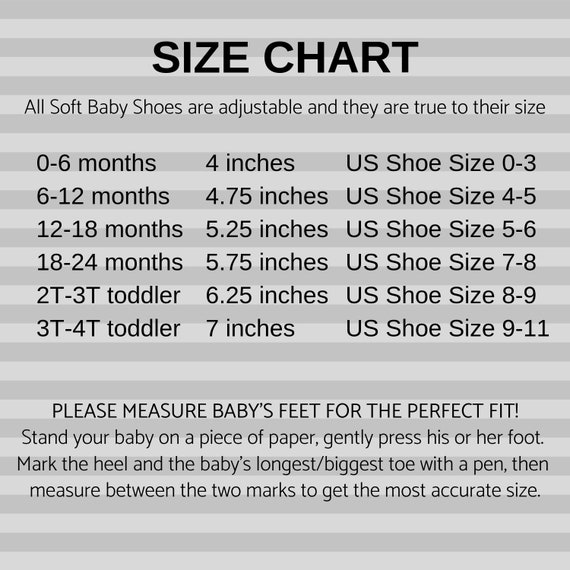
Baby shoe size chart by foot length
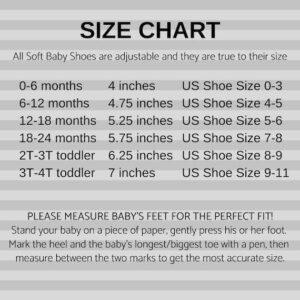
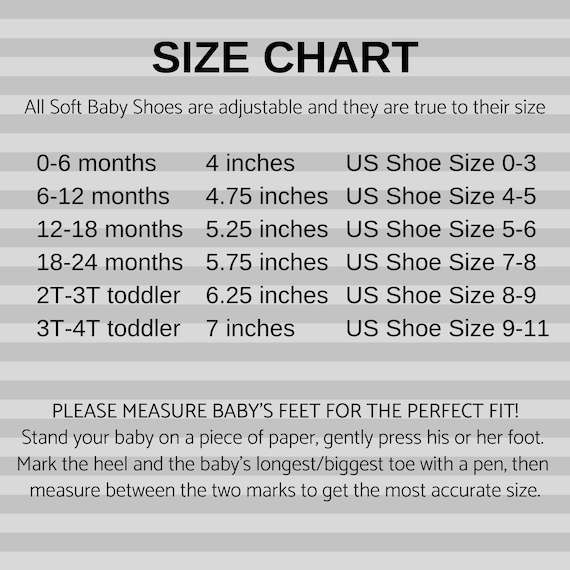
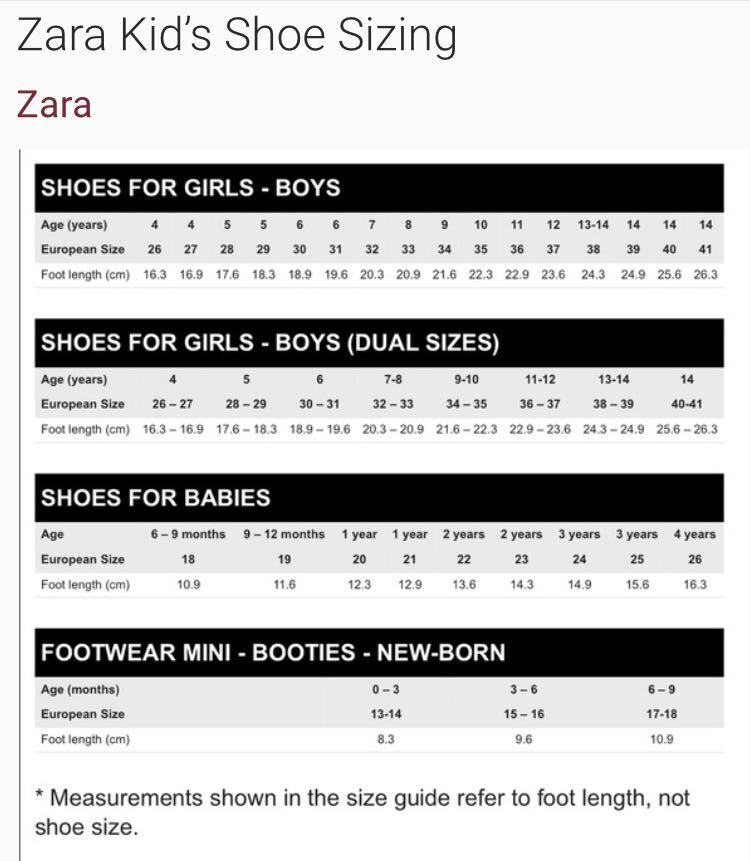
Foot length is the best way to compare your baby’s measurement with a shoe size. The chart below gives common US infant sizing estimates.
| US infant size | Approximate foot length | Typical age range |
|---|---|---|
| 0 | 3.5 to 3.75 inches | Newborn to 3 months |
| 1 | 3.75 to 4 inches | 3 to 6 months |
| 2 | 4 to 4.25 inches | 3 to 6 months |
| 3 | 4.25 to 4.5 inches | 6 to 9 months |
| 4 | 4.5 to 4.75 inches | 9 to 12 months |
Brand charts may use centimeters instead of inches. If so, remember that:
• 3.75 inches equals about 9.5 centimeters
• 4 inches equals about 10.2 centimeters
• 4.25 inches equals about 10.8 centimeters
The chart can help answer what size does a 5 month old wear in shoes, but it cannot replace checking the manufacturer’s chart. Look for the brand’s foot length range, not only its age label.

How much room should baby shoes have?
Baby shoes should have a small amount of extra space. Aim for about 0.25 to 0.5 inch of room beyond the longest toe.
This space allows the toes to move and gives the foot room to grow. Too little space can press against the toes. Too much space can make the shoe slip, bunch, or create a tripping risk when your baby begins standing.
Check the fit in several places:
• The toes should move freely.
• The heel should stay in place without tight pressure.
• The shoe should not leave deep red marks.
• The upper material should not press across the top of the foot.
• The sole should bend easily near the toes.
• The shoe should stay on without squeezing the ankle.
Do not rely on the “thumb-width” test used for older children. A baby’s foot is small, and that method can leave too much extra space. Measuring in inches or centimeters is more accurate.
If you are between two sizes, check the shoe’s shape and fastening system. A soft, adjustable shoe may fit well in the larger size, while a loose slip-on may fall off.
What features should you look for in shoes for a 5-month-old?
The best shoes for a 5-month-old are light, soft, and flexible. They should protect the feet without restricting natural movement.
Look for these features:
• Soft fabric, leather, or breathable knit
• A wide toe area
• Flexible soles
• Lightweight construction
• Secure but gentle closures
• Smooth seams
• Easy access for quick changes
Velcro straps, elastic openings, and soft snaps can make shoes easier to put on. Avoid hard plastic soles and stiff ankle support unless a medical professional recommends them.
For warm weather, breathable cotton or mesh can help reduce heat. For cold weather, fleece-lined booties may work better than rigid shoes. Always check your baby’s feet for sweat, coldness, redness, or pressure marks.
When deciding what size does a 5 month old wear in shoes, remember that the shoe’s shape matters as much as its length. A long but narrow shoe may not fit a baby with a wide foot.

Common mistakes when buying baby shoes
Buying baby shoes can feel simple, but several common mistakes lead to poor fit.
Choosing by age alone
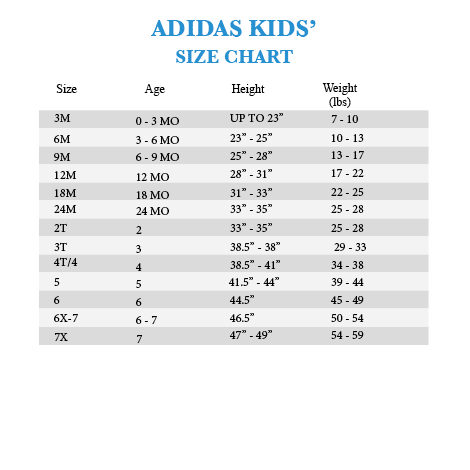
Age labels are estimates. Two 5-month-old babies can have very different foot lengths, just as they can have different heights and weights.
Buying several sizes ahead
A shoe that is much too large may slip off or catch on clothing. For a nonwalking baby, this is usually more annoying than dangerous, but it can still cause discomfort or become a choking concern if the shoe comes loose.
Using adult or toddler fit rules
Infant shoes need more flexibility and less structure than shoes for children who walk. A firm heel counter or thick sole is rarely needed for a 5-month-old.
Forgetting to check both feet
Small differences between feet are normal. Always fit shoes to the longer foot.
Keeping shoes that leave marks
Remove the shoes and inspect the skin after a few minutes. Red marks, swelling, or indents suggest that the fit is too tight.
In my experience helping families compare baby footwear, the most common mistake is trusting a familiar size number from another brand. The number looks precise, but infant sizing is not consistent enough for that shortcut.

How often should you check your baby’s shoe size?
Check your baby’s feet every four to six weeks if they wear shoes often. Babies grow quickly, and a shoe that fits well today may feel tight sooner than expected.
You should also check the fit when:
• Your baby begins standing
• Your baby starts cruising along furniture
• You change sock thickness
• You buy a new brand
• You notice marks or slipping
• Your baby seems upset when wearing the shoes
Pressing the toe of the shoe is not a reliable test if your baby curls their toes. Remove the shoe and measure the foot again instead.
If you are wondering what size does a 5 month old wear in shoes after several weeks, do not automatically move up one size. Measure first. Some babies grow in foot width before length, while others show the opposite pattern.
Are different baby shoe types sized differently?
Yes. Soft booties, crib shoes, sandals, and early walking shoes may use different sizing systems and fit differently.
Soft booties often have flexible openings and may stretch. They can fit a range of foot lengths, but they may slide off if the opening is too loose.
Crib shoes usually have a light sole and a soft upper. They are designed for warmth and appearance rather than walking support.
Baby sandals may feel wider but can expose the toes and heel. Choose a secure style with smooth edges and enough room for movement.
Early walking shoes should have a flexible sole, a wide front, and a secure closure. Once your baby walks independently, a professional shoe fitting can be helpful, especially if you notice unusual foot positioning or frequent falls.
Do not assume a size 2 bootie will fit the same as a size 2 sneaker. Compare the actual foot length range for each product.
When should you ask a pediatrician about foot concerns?
Most differences in baby foot shape are normal. Babies often have rounded feet, soft arches, and toes that spread naturally.
Ask your pediatrician if you notice:
• Persistent swelling
• Skin turning blue, white, or very red
• A foot that seems much smaller than the other
• Severe stiffness or limited movement
• A toe that stays curled under another toe
• Repeated signs of pain
• A shoe mark that does not fade
A pediatrician can decide whether your baby needs further evaluation. Do not use corrective shoes or inserts without professional advice.
Foot development varies widely. A single shoe size does not diagnose a developmental issue, and a baby’s shoe size is not a measure of future height or athletic ability.
Frequently Asked Questions About What Size Does a 5-Month-Old Wear in Shoes
What size does a 5-month-old wear in shoes?
Most 5-month-old babies wear US infant size 1 or 2. Measure the foot first because some babies fit size 0 or size 3 at the same age.
What is the average foot length of a 5-month-old?
A 5-month-old baby’s foot is often about 3.75 to 4.25 inches long. This is only an estimate, so use the longer foot and compare it with the brand’s measurement chart.
Should a 5-month-old wear hard-soled shoes?
Usually, no. Before a baby walks, soft and flexible footwear is generally more comfortable and allows natural foot movement.
How much extra room should baby shoes have?
Leave about 0.25 to 0.5 inch of space beyond the longest toe. More room can make the shoe unstable, while less room may press against growing toes.
How can I tell if baby shoes are too small?
Look for red marks, squeezed toes, swelling, or a baby who repeatedly tries to remove the shoes. Take the shoes off and measure again if you notice any of these signs.
Can my baby wear shoes that are one size too big?
A slightly larger soft shoe may work for a nonwalking baby if it stays secure and does not slip. Avoid shoes that are so large that they fall off, bunch up, or interfere with movement.
Is baby shoe sizing the same for every brand?
No. Brands use different measurements, shapes, and sizing standards. Always review the brand’s foot length chart before ordering.
Conclusion
Most 5-month-old babies wear US infant shoe size 1 or 2, but the correct answer depends on foot length, width, and the brand’s sizing chart. Soft, flexible footwear is usually the best choice before walking begins, with about 0.25 to 0.5 inch of space beyond the longest toe.
Measure both feet, fit the larger one, and check often for marks or slipping. These simple steps make it easier to choose comfortable shoes and avoid buying by age alone. Use this guide when shopping, compare each product’s chart, and share your own baby shoe-fitting tips in the comments.

Rubel Miah is the Senior Editor at MyStyleGrid.com, where he brings a sharp editorial eye and an unshakable love for fashion to everything he does. A true style addict, Rubel lives and breathes trends, from streetwear to high fashion, and has a knack for turning inspiration into impactful stories. With years of experience in fashion journalism and digital media, he curates content that empowers readers to express themselves through style. When he’s not editing features or forecasting the next big thing, you’ll find him hunting down vintage pieces or capturing street style moments around the city.