Clean jelly sandals with mild soap, warm water, and a soft brush, then rinse and air-dry them fully.
Jelly sandals are easy to wash, but the wrong cleaner can leave them cloudy, sticky, or cracked. This guide explains how to clean jelly sandals safely, remove common stains and odors, and keep the soft plastic fresh for many sunny seasons.
What You Need to Clean Jelly Sandals
Before learning how to clean jelly sandals, gather a few simple items. Most homes already have everything needed for the job.
You will need:
• Mild dish soap or gentle liquid laundry detergent
• Warm water
• A soft toothbrush or soft cleaning brush
• A microfiber cloth or soft sponge
• Baking soda for odor control
• A clean towel
• A small bowl or sink
Avoid strong products such as bleach, acetone, nail polish remover, and harsh bathroom cleaners. These products may damage the plastic, fade the color, or make the surface feel tacky.
A soft brush matters because jelly sandals often have small grooves, straps, and textured footbeds. A rough scrubber can leave fine scratches that collect more dirt later.

How to Clean Jelly Sandals Step by Step
The safest method uses gentle soap, light scrubbing, and plenty of rinsing. Do not rush the drying step, since trapped moisture can cause odor.
1. Remove loose dirt
Take out any insoles or removable parts, if the sandals have them. Shake off sand and brush away dry dirt with a soft cloth or dry toothbrush.
This step keeps grit from turning into a muddy paste during washing. It also lowers the risk of rubbing small grains into the jelly material.
2. Mix a mild cleaning solution
Fill a bowl or sink with warm water. Add a few drops of mild dish soap and stir until the water looks slightly cloudy.
The water should feel warm, not hot. Very hot water may soften, warp, or change the shape of some jelly sandals.
3. Wash the sandals
Dip a soft sponge or cloth into the soapy water. Wipe the straps, sides, soles, and footbeds.
Use a soft toothbrush for seams and small holes. Work in small circles, but use light pressure. When you clean jelly sandals this way, you lift dirt without scuffing the surface.
4. Rinse well
Rinse each sandal under clean, cool or lukewarm water. Remove all soap from the straps and sole grooves.
Soap residue can make sandals feel slippery. It may also attract dust once the sandals are dry.
5. Dry them completely
Pat the sandals with a clean towel. Place them in a cool, shaded area with good airflow.
Do not leave jelly sandals on a hot dashboard, near a heater, or in direct summer sun. Heat can cause plastic footwear to bend, shrink, or lose its original shape.
How to Remove Stains From Jelly Sandals
Different stains need different levels of care. Start with the mildest method and increase the cleaning strength only when needed.
Mud and grass stains
Let wet mud dry first. Brush away the loose dirt, then wash the area with mild soapy water.
For grass marks, use a soft toothbrush and a little extra soap. Avoid hard scrubbing, since colored jelly can show cloudy marks after too much friction.
Black scuff marks
A damp microfiber cloth often removes light scuffs. If the mark remains, apply a small amount of baking soda mixed with water to make a thin paste.
Test the paste on a hidden spot first. Rub gently for a few seconds, then rinse well. Baking soda is mildly abrasive, so too much pressure may dull glossy jelly.
Food, makeup, or sunscreen
Wipe these stains as soon as possible. Use warm water and mild dish soap before the product has time to dry.
For oily sunscreen marks, repeat the soap wash rather than using a strong solvent. Solvents can react badly with soft plastic and may leave a permanent sticky patch.
Ink or dye
Ink and dye can be difficult to remove from jelly sandals. Try a damp cloth with mild soap first, and test any stronger product on a hidden area.
Do not use acetone or nail polish remover unless the manufacturer clearly permits it. These chemicals can dissolve or discolor plastic.
How to Remove Odor From Jelly Sandals
Jelly sandals can hold sweat, skin oils, and moisture, especially during hot weather. Cleaning the surface helps, but odor control also requires full drying.
Use this simple method:
-
Wash the sandals with mild soap and warm water.
-
Rinse away all soap.
-
Sprinkle a small amount of baking soda inside the sandals.
-
Leave the baking soda in place for several hours or overnight.
-
Shake it out and wipe the footbeds with a clean, damp cloth.
Baking soda can absorb some odors, but it is not a disinfectant. If the sandals have a strong smell from mold or long-term damp storage, cleaning may not remove every odor.
Never mix baking soda with bleach, ammonia, or other cleaners. You do not need a chemical cocktail to clean jelly sandals safely.
How to Clean Jelly Sandals With Glitter or Decorations
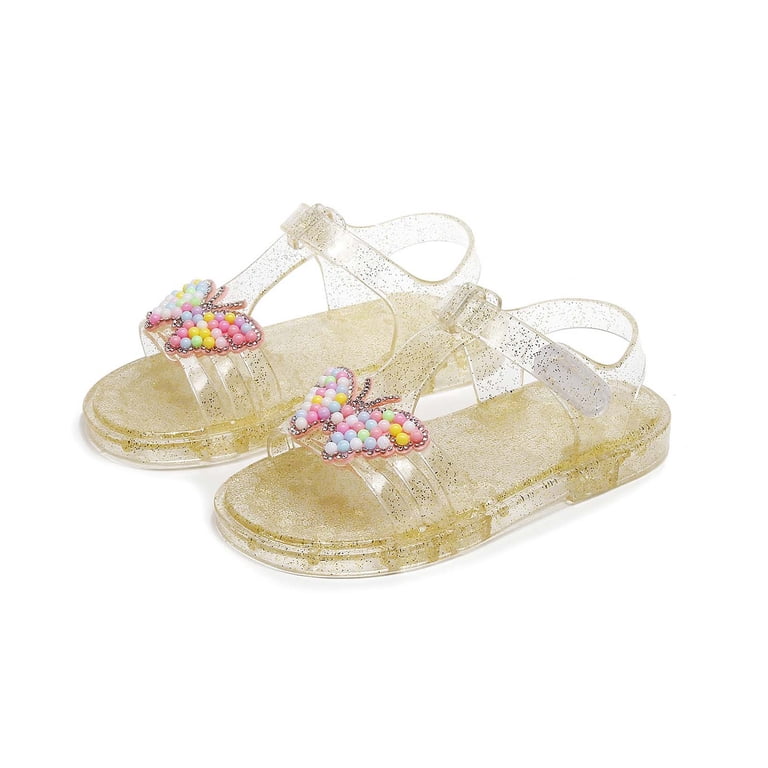
Decorated jelly sandals need a gentler approach. Glitter, charms, flowers, and glued details may loosen when soaked or scrubbed.
Dip a cloth into mild soapy water and wring it out well. Wipe around the decorations instead of soaking the entire sandal.
Use a cotton swab to clean tight spots. If a decoration becomes loose, stop cleaning that area and let it dry. Do not pull, twist, or apply heat to make the glue set faster.
For sandals with fabric straps, check the care label first. Fabric may need a different method from the jelly base, and some dyes can bleed into the plastic.

Can You Put Jelly Sandals in the Washing Machine?
Some jelly sandals may survive a gentle machine wash, but hand washing is safer. A washing machine can bend the sandals, scratch the surface, or damage attached decorations.
If the care label allows machine washing, follow these steps:
• Place the sandals inside a mesh laundry bag.
• Use cold or lukewarm water.
• Select a gentle cycle.
• Use a small amount of mild detergent.
• Skip bleach and fabric softener.
• Air-dry the sandals after washing.
Do not place jelly sandals in a dryer. The heat can change their shape and make them uncomfortable to wear.
When in doubt, clean jelly sandals by hand. It takes only a few minutes and gives you better control.
How to Clean the Footbed and Straps
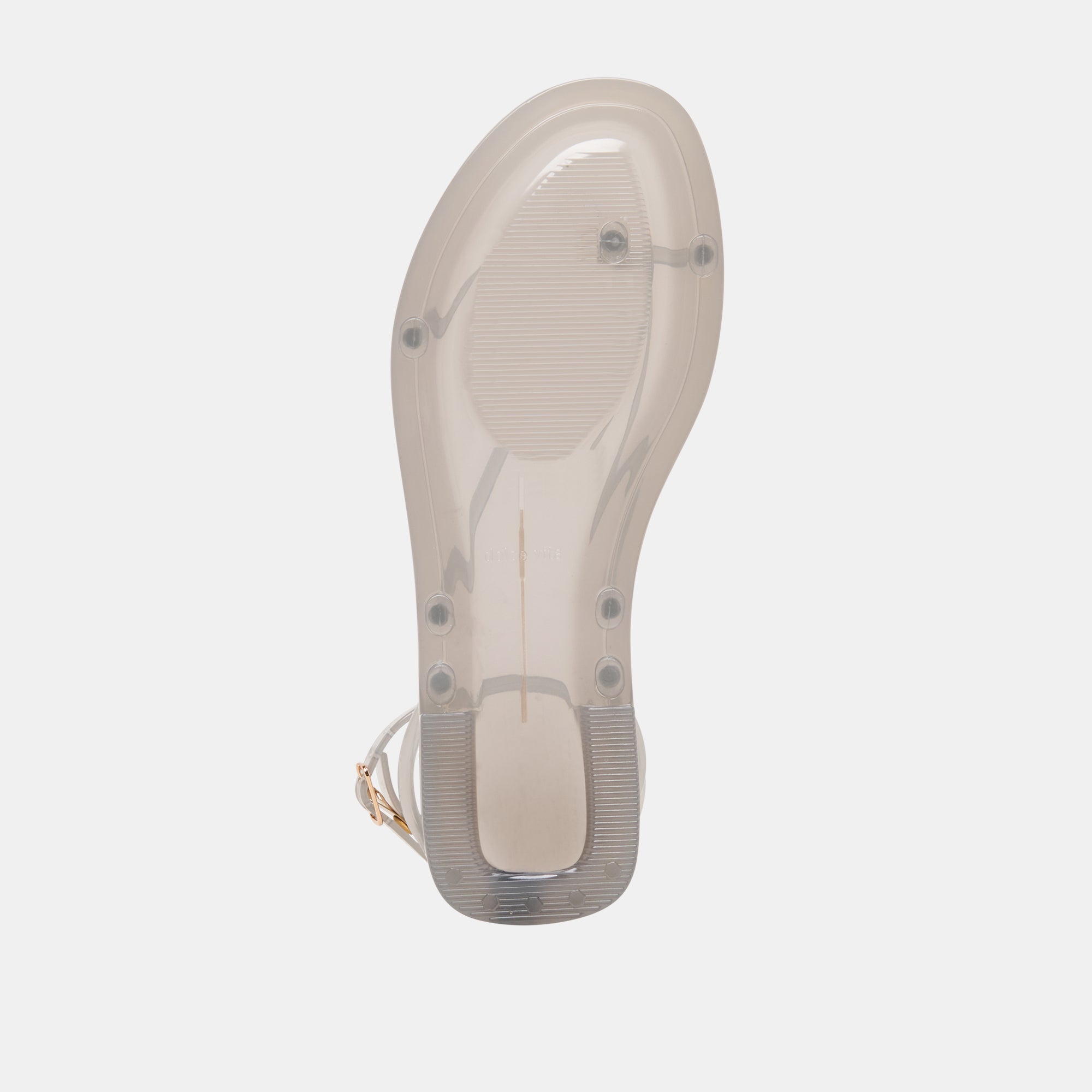
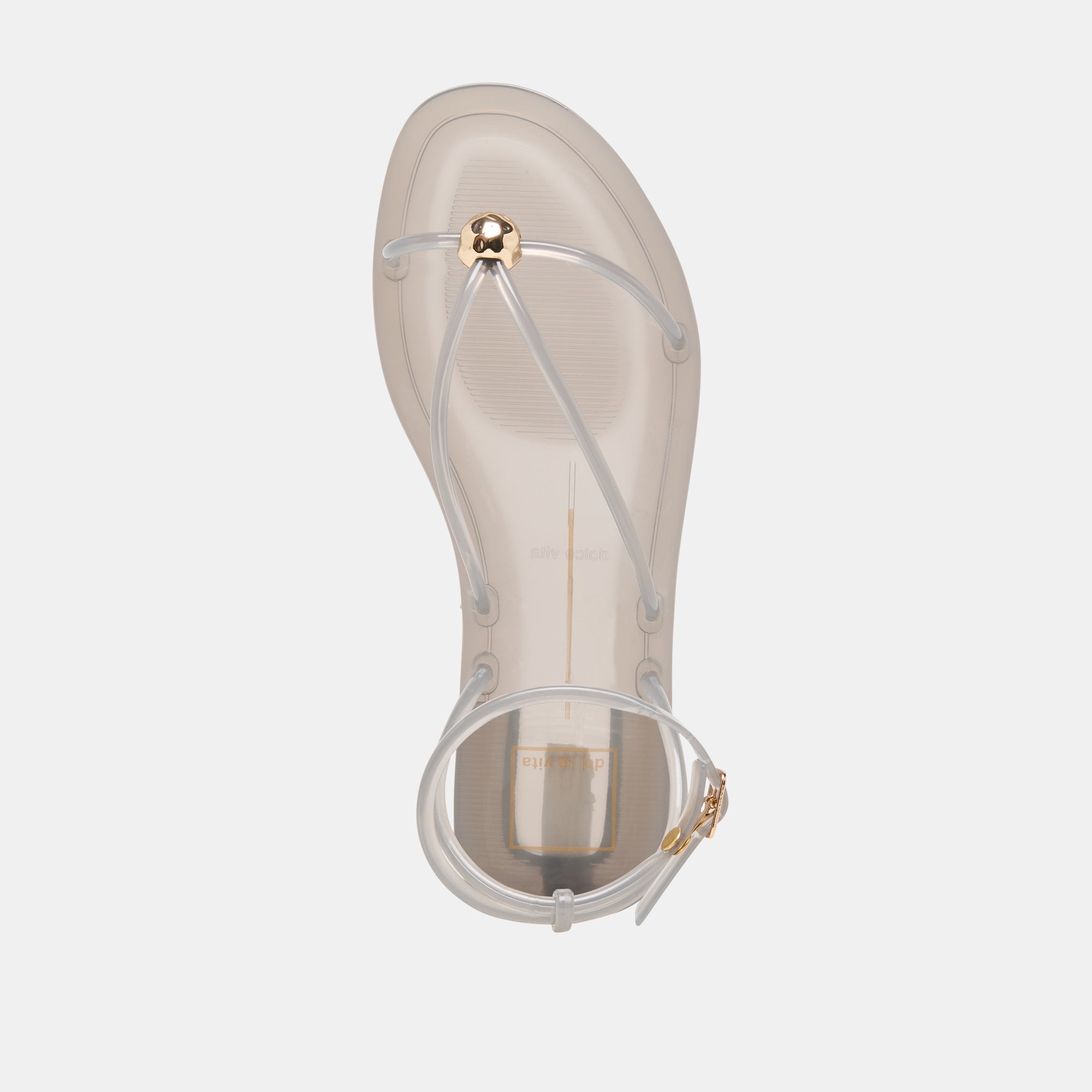
The footbed often needs the most attention because it touches your skin. Sweat and body oils can settle into texture, lines, and small grooves.
Apply diluted soapy water with a soft toothbrush. Brush the footbed from the heel toward the toe, then clean under the straps.
For narrow strap openings, wrap a damp cloth around the edge of a cotton swab. This lets you reach tight spaces without using a sharp object.
Never use a knife, pin, or metal tool to scrape dirt from jelly sandals. These tools can create cuts that grow over time.
Rinse the footbed carefully. A sandal that looks clean on top may still hold soap or dirt underneath a strap.

Common Mistakes to Avoid
Knowing what not to do is a major part of learning how to clean jelly sandals. Many cleaning problems come from too much heat, pressure, or chemical strength.
Avoid these mistakes:
• Using boiling water or very hot water
• Scrubbing with steel wool or a rough scouring pad
• Applying bleach to colored or clear jelly
• Using acetone, paint thinner, or nail polish remover
• Leaving sandals wet inside a closed bag
• Drying sandals on a radiator or in a hot car
• Wearing them before the footbed is fully dry
• Soaking sandals with glued decorations for a long time
A common mistake is using a magic eraser with heavy pressure. It may remove a mark, but its abrasive surface can also make glossy plastic look dull.
Another mistake is putting wet sandals straight into a closet. Moisture needs a way out. Otherwise, the sandals may develop a stale smell even after a good wash.
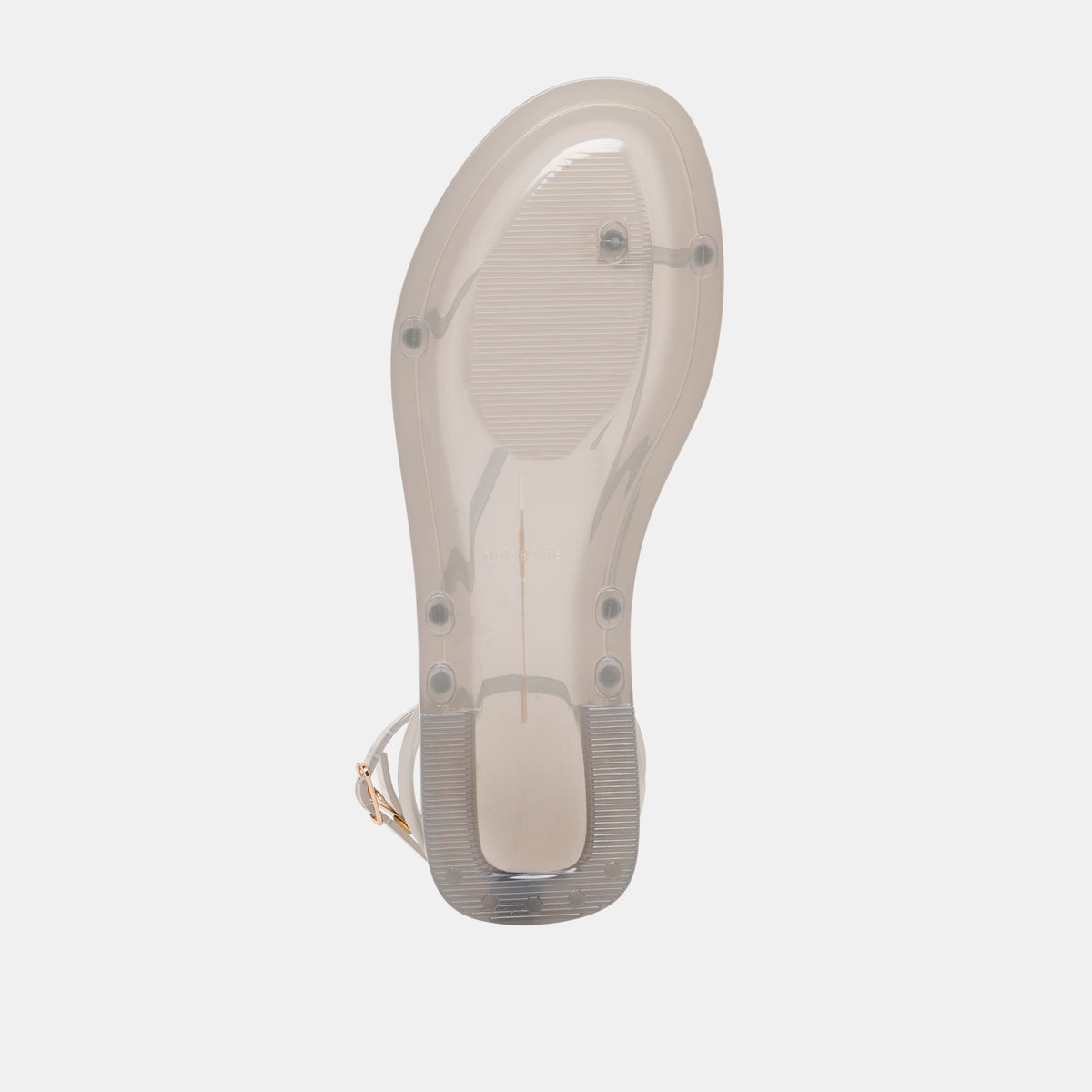
How Often Should You Clean Jelly Sandals?
Clean jelly sandals whenever they look dirty or smell less than fresh. For regular summer use, a quick wash once a week is a practical routine.
You may need to wash them more often when you:
• Wear them at the beach
• Walk through mud or grass
• Wear them without socks in hot weather
• Use sunscreen or foot lotion
• Store them while damp
A quick rinse after beach use can remove salt and sand before they scratch the surface. A deeper wash is useful after muddy walks or heavy sweating.
Cleaning frequency also depends on color. Clear jelly sandals often show dust, cloudiness, and marks sooner than dark pairs.
How to Store Clean Jelly Sandals
Good storage protects the work you put into cleaning jelly sandals. First, make sure they are completely dry.
Store them in a cool place away from direct sunlight. Keep them flat or in their natural shape, and avoid placing heavy shoes on top of them.
Helpful storage tips include:
• Use a breathable fabric bag
• Keep sandals away from heaters
• Avoid sealed plastic bags when moisture may remain
• Store light-colored sandals away from dark dyes
• Keep pairs separate from sharp objects
Some jelly materials naturally become less flexible with age. Heat, sunlight, oils, and harsh chemicals can speed up that change. Proper storage cannot stop aging, but it can help the sandals last longer.
When Cleaning Cannot Fix the Problem
Cleaning removes dirt, sweat, and many surface stains. It cannot repair every type of damage.
Replace the sandals if you notice:
• Deep cracks in the straps or sole
• Sharp edges that can cut your skin
• A strong chemical smell after rinsing
• Sticky areas that remain after repeated cleaning
• A sole that has become badly warped
• Loose parts that may create a tripping risk
Do not wear damaged jelly sandals just because they look attractive. A cracked strap can break while you walk, and a warped sole can affect balance.
If the sandals are new and become sticky, cracked, or misshapen after normal care, contact the seller or manufacturer. Product formulas vary, so the brand’s care advice should take priority.
A Simple Five-Minute Cleaning Routine
For light dirt, you do not need a full deep clean. This quick routine works well after everyday wear.
-
Brush off loose dirt.
-
Wipe the sandals with a damp, soapy cloth.
-
Use a soft toothbrush on the footbed and grooves.
-
Rinse with clean water.
-
Pat dry and leave the sandals in moving air.
This short routine helps prevent dirt from building up. It is also easier than waiting until the footbed has a thick layer of grime.
For best results, clean jelly sandals before storing them at the end of the season. A few minutes of care now can prevent stains and odor later.
Frequently Asked Questions About How to Clean Jelly Sandals
Can I use dish soap to clean jelly sandals?
Yes, a small amount of mild dish soap mixed with warm water is usually safe. Rinse well afterward so no slippery residue remains.
Can I clean jelly sandals with vinegar?
Diluted white vinegar may help with mild odor, but test it on a hidden area first. Do not mix vinegar with bleach or other cleaners, and rinse the sandals well after use.
How do I clean white or clear jelly sandals?
Use mild soap, warm water, and a soft brush. Avoid harsh chemicals and strong scrubbing, which can make clear or white plastic look cloudy.
Can I use bleach on jelly sandals?
Bleach is not recommended unless the manufacturer specifically approves it. It may fade color, weaken the material, or leave a rough and unpleasant surface.
How do I dry jelly sandals after washing?
Pat them with a towel and let them air-dry in a cool, shaded place. Keep them away from dryers, heaters, hot cars, and strong direct sunlight.
Why do my jelly sandals still smell after cleaning?
They may still contain moisture, sweat, or odor inside textured areas and under the straps. Wash them again, use a small amount of baking soda, and allow them to dry fully with good airflow.
Can I use a toothbrush to clean jelly sandals?
Yes, a soft toothbrush is useful for footbeds, seams, and small grooves. Use gentle pressure to avoid dulling or scratching the jelly surface.
Conclusion
Learning how to clean jelly sandals is simple: use mild soap, warm water, a soft brush, and careful air-drying. Treat stains early, avoid harsh chemicals and high heat, and pay close attention to the footbed, straps, and small grooves.
A gentle cleaning routine keeps jelly sandals fresher, safer, and more comfortable. Try these steps after your next outdoor walk or beach trip, then share your favorite sandal-care tip in the comments.

Madison Clark is a footwear expert and the voice behind MyStyleGrid.com. She specializes in honest shoe reviews, style tips, and practical guides to help readers find the perfect pair for any occasion. With years of experience in blogging and content creation, Madison makes footwear knowledge simple, stylish, and easy to follow.