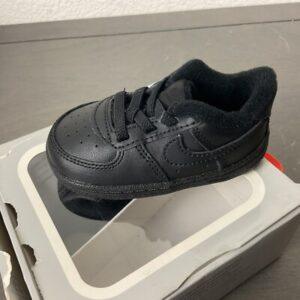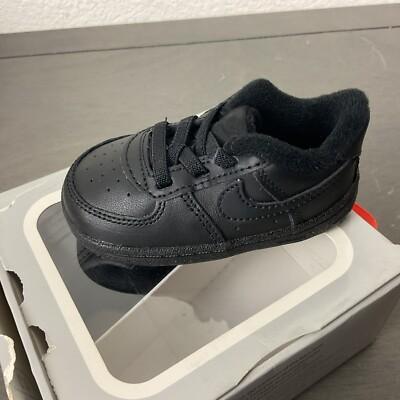
A 4C baby shoe usually fits a foot about 4.5 to 4.75 inches long.
The label “4C” can look simple, but baby shoe sizing has two parts: the number shows length, while the letter often shows width. In this guide, you will learn what size is 4C in baby shoes, how it compares with other sizes, how to measure your child’s foot, and how to avoid a poor fit.

What does 4C mean in baby shoes?
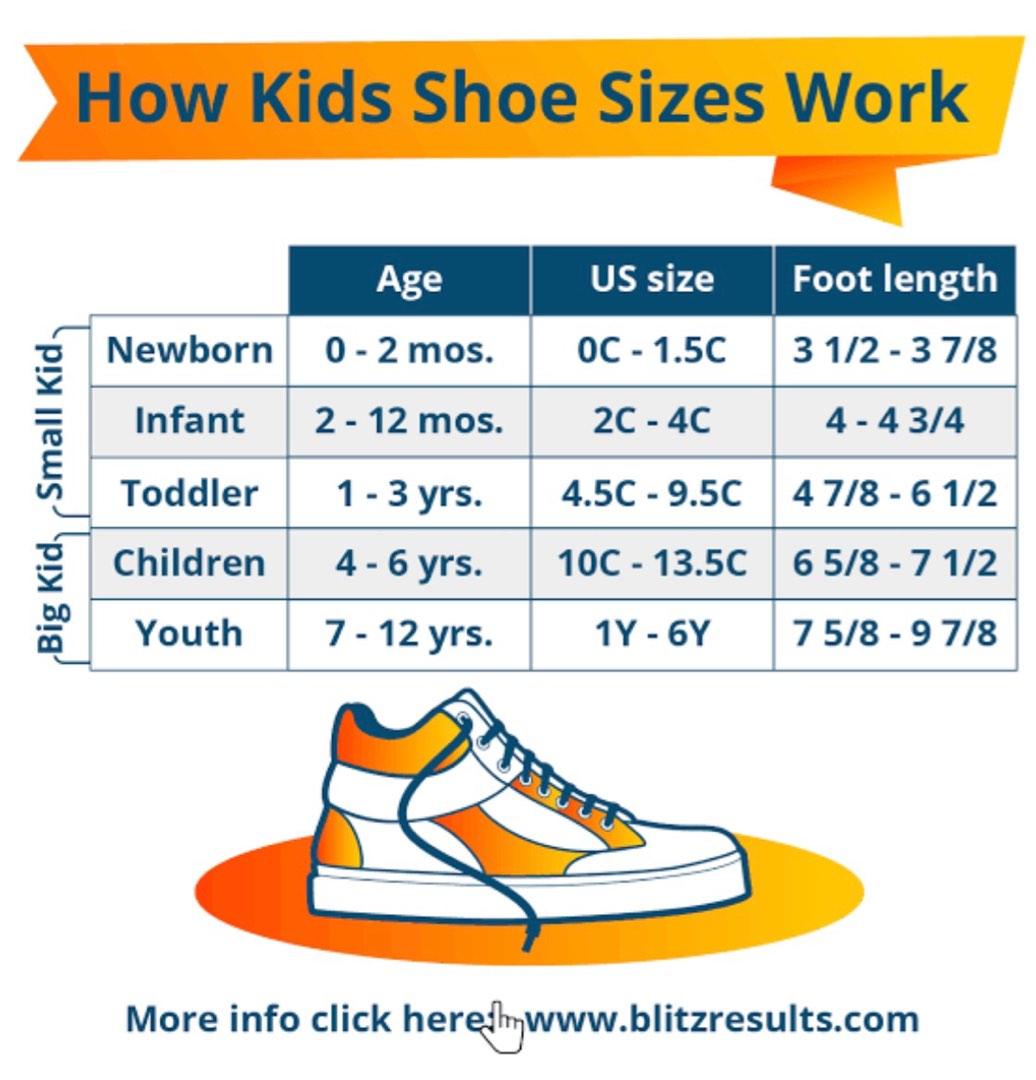
In most US baby shoe charts, 4C means a US children’s shoe size 4 with a C width. The number refers to the shoe’s length range. The letter may refer to width, although brands do not always use width letters in the same way.
For many brands, 4C is an infant or early walker size. It often fits a foot around 4.5 to 4.75 inches long, or about 11.4 to 12.1 centimeters. Still, this is only a guide. A size 4C from one brand may fit differently from a size 4C from another.
The “C” can also mean “child” in some shoe labels. For example, athletic brands may use labels such as 4C, 5C, and 6C to mean children’s sizes. In other charts, C may describe a standard or medium width.
That is why the best answer to “what size is 4C in baby shoes?” is not based on the label alone. You should compare your child’s foot length with the brand’s own size chart.
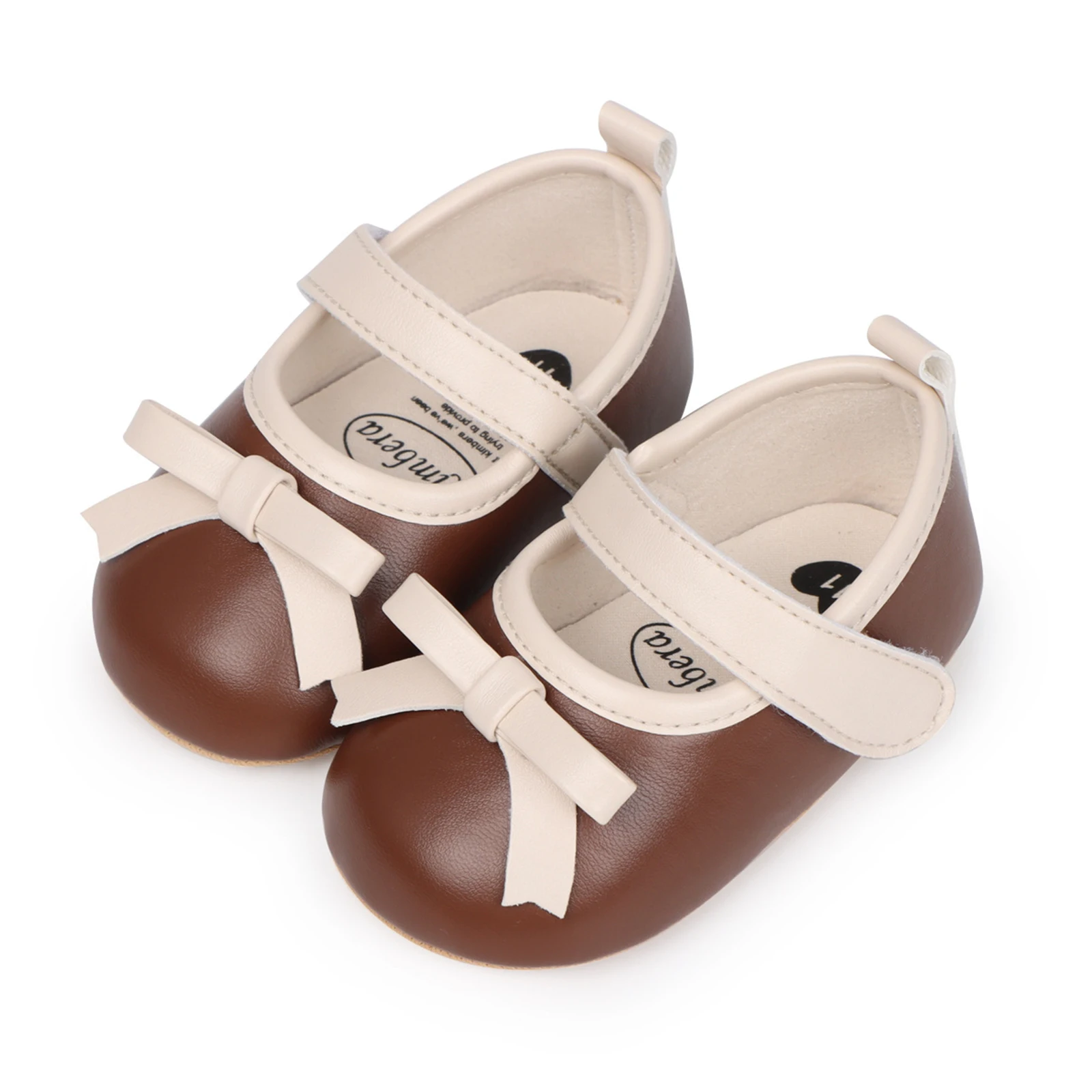
What size is 4C in baby shoes by age?
A 4C baby shoe often fits babies between about 9 and 12 months old. Some babies may wear it earlier, while others may not reach it until their first birthday or later.
Age is not a reliable way to choose baby shoes. Babies grow at different rates, and foot shape can vary just as much as height and weight. A shoe that fits one 10-month-old may be too short or too loose for another.
Here is a general guide:
| US baby shoe size | Approximate foot length | Common age range |
|---|---|---|
| 2C | 3.75 to 4 inches | 3 to 6 months |
| 3C | 4.25 to 4.5 inches | 6 to 9 months |
| 4C | 4.5 to 4.75 inches | 9 to 12 months |
| 5C | 4.75 to 5 inches | 12 to 18 months |
| 6C | 5 to 5.25 inches | 18 to 24 months |
These ranges are estimates, not rules. If you are asking what size is 4C in baby shoes for a gift, check the child’s current foot measurement if possible. A gift card or exchange-friendly purchase may be safer than guessing.
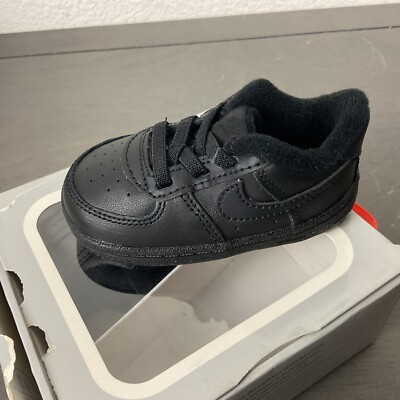
What is the length of a 4C baby shoe?
A 4C baby shoe is commonly made for a foot about 4.5 to 4.75 inches long. That equals roughly 11.4 to 12.1 centimeters.
The inside of the shoe should be slightly longer than the child’s foot. Babies need some space to move their toes and grow. A useful target is about 0.4 to 0.6 inches of extra space, or around 10 to 15 millimeters.
Do not confuse the foot length with the outside length of the shoe. The sole may be longer because of its shape, padding, and design. A soft boot may also have a different interior fit from a structured sneaker labeled 4C.
A simple size comparison looks like this:
• 4C: usually about 4.5 to 4.75 inches of foot length
• US toddler 4: often similar in length, but the label may use a different sizing system
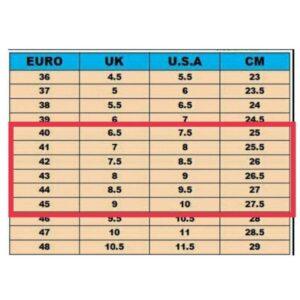
• EU 20: often close to a US 4C, depending on the brand
• UK infant 3: may be close, but conversion charts vary
When converting from 4C to another system, use centimeters whenever possible. Centimeter measurements reduce confusion caused by different brand charts.
Is 4C a wide or narrow baby shoe?
The meaning of C depends on the brand. In some baby shoe charts, C means a standard or medium width. In others, C simply means “children’s” and does not describe width at all.
This causes many parents to misunderstand what size is 4C in baby shoes. They may think the C always means a wide shoe. That is not a safe assumption.
Look for a separate width guide. Common width labels include:
• M or N: medium or standard width
• W: wide width
• XW: extra-wide width
• S or N: narrow width, depending on the brand
Some brands use letters in a completely different order. A C width in one system may not equal a C width in another. Always read the brand’s chart before ordering.
Your baby may need a wider shoe if the sides look tight, the foot spills over the sole, or the shoe leaves red marks. A longer shoe is not a good fix for a width problem. Extra length can make the shoe unsafe and cause the foot to slide.
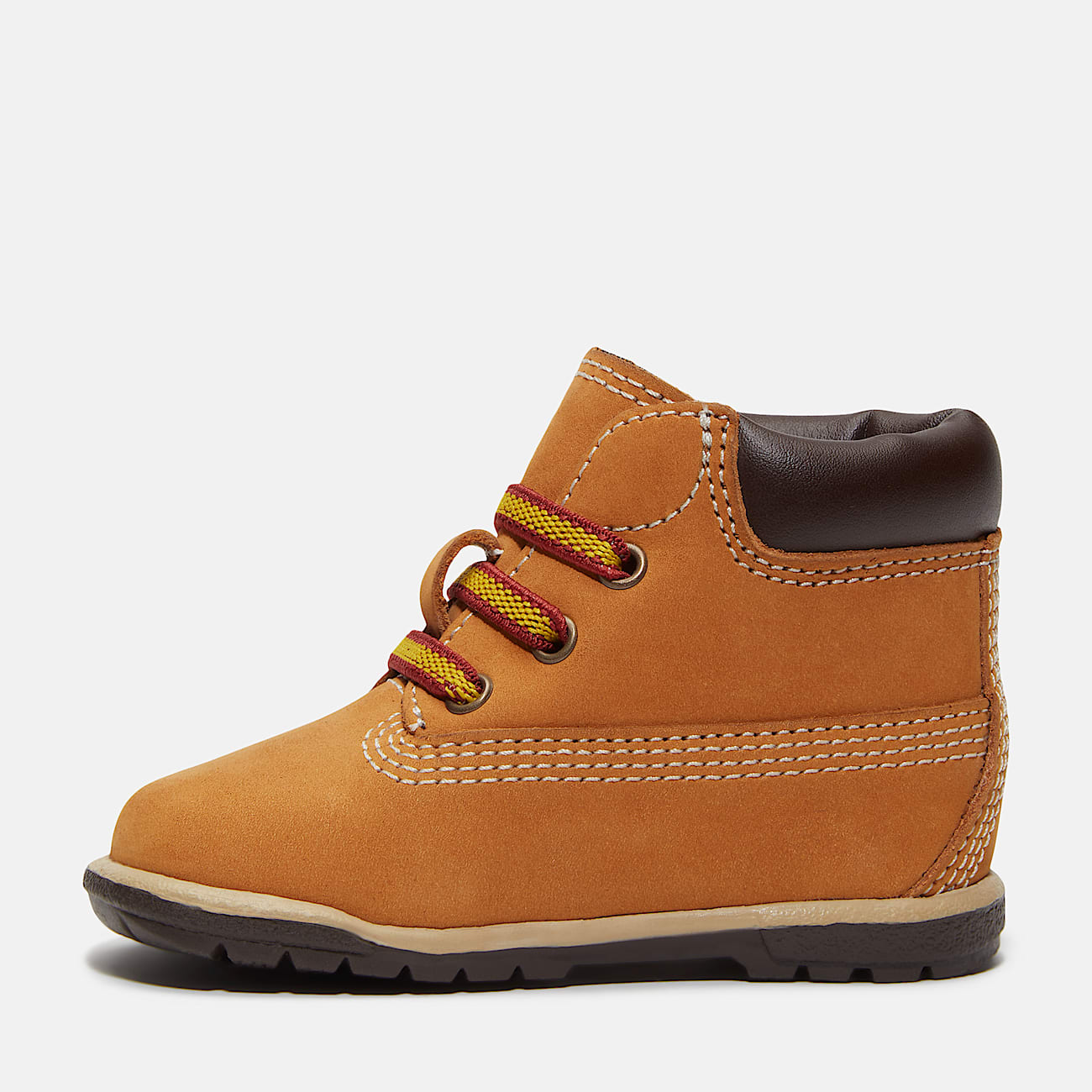
How to measure your baby’s foot for a 4C shoe
Measuring your baby’s foot at home takes only a few minutes. It is more accurate than choosing a size based on age.
What you need
• A sheet of paper
• A pencil
• A ruler or measuring tape
• The socks your baby will wear with the shoes
Measure both feet because one foot may be slightly larger. Choose the size that fits the longer foot.
Follow these steps
- Place the paper on a hard floor and have your child stand on it.
- Keep the heel gently against a wall or another straight edge.
- Mark the end of the longest toe. It may not be the big toe.
- Mark the back of the heel.
- Measure the distance between the two marks.
- Repeat the process for the other foot.
- Add the brand’s recommended growth space.
- Compare the result with the brand’s chart.
If your baby cannot stand, trace the foot while it rests flat. This method is less exact because the foot may not carry weight, but it still gives a helpful estimate.
Measure later in the day if possible. Feet can swell slightly with normal daily activity. I have found that many sizing mistakes happen because parents measure only one foot or measure while the toes are curled.

How should a 4C baby shoe fit?
A properly fitted 4C shoe should feel secure without squeezing the foot. Babies need freedom to move their toes, especially while learning to stand and walk.
Check these areas:
• Length: There should be about a thumb’s width, or 10 to 15 millimeters, between the longest toe and the shoe’s end.
• Width: The sides should not bulge over the sole.
• Heel: The heel should stay in place without rubbing.
• Instep: The upper should not leave deep marks.
• Flexibility: The sole should bend near the toes, not only in the middle.
• Fastening: The shoe should stay secure without being tight.
Watch your baby after putting on the shoes. Red marks, blisters, slipping, toe curling, or sudden fussiness may signal a poor fit. Remove the shoes and check the feet after 10 to 15 minutes.
For new walkers, light shoes with flexible soles are often easier to use than stiff, heavy shoes. Inside the home, barefoot time is usually helpful when the floor is safe and warm. Shoes mainly protect the feet outdoors.
Common mistakes when buying size 4C baby shoes
Parents often focus on the number and overlook the shape of the shoe. Understanding what size is 4C in baby shoes helps, but fit still matters more than the printed label.
Avoid these common mistakes:
• Buying by age alone: Age ranges are only rough estimates.
• Measuring one foot: Always measure both feet.
• Choosing a much larger size: Oversized shoes can slip and affect balance.
• Assuming every C width is the same: Width labels vary between brands.
• Measuring with curled toes: This can make the foot seem shorter.
• Ignoring socks: Thick socks can change the fit.
• Keeping worn-out shoes: Shoes can stretch, flatten, or lose support.
• Buying stiff shoes for early walkers: Heavy shoes may make movement harder.
• Checking only the sole: The inside shape matters more than the outside length.
One mistake I see often is buying a full size larger so the shoes last longer. Babies grow quickly, but too much extra room can cause trips and heel movement. A small amount of growth space is useful; a loose shoe is not.

How often should you check a baby’s shoe size?
Check your baby’s shoe fit every four to six weeks during rapid growth. You should also check after a growth spurt or whenever the shoes seem harder to put on.
Many babies do not complain when shoes are tight. Their feet are soft, and they may not clearly show discomfort. Regular checks can help you spot pressure before it causes blisters or sore areas.
A quick home check works well:
- Remove the insole if it comes out.
- Place your child’s foot on the insole.
- Check the space beyond the longest toe.
- Look for side overhang.
- Inspect the heel and toe area for red marks.
If the toes touch the front or the foot spills over the sides, it is time to reassess the size. The answer to what size is 4C in baby shoes can change within weeks because infant feet grow quickly.
What to look for in a 4C baby shoe
The best 4C baby shoe depends on how your child uses it. A soft crib shoe, a first-walker shoe, and an outdoor sneaker may all have different designs.
Choose shoes with:
• A flexible sole
• A wide enough toe box
• A secure hook-and-loop strap or adjustable closure
• A lightweight design
• Smooth seams and soft materials
• Good grip for outdoor surfaces
• A heel that stays in place
Avoid shoes that are too rigid, narrow, heavy, or difficult to fasten. Decorative features are fine, but comfort and fit should come first.
For a baby who is not yet walking, soft socks or flexible crib shoes may be enough for warmth and protection. For a new walker, look for a shoe that bends easily and allows natural foot movement. For outdoor use, choose a sole with enough grip to reduce slipping.
What size is 4C in baby shoes compared with other sizes?
A 4C baby shoe generally falls near the middle of the infant shoe range. It is usually larger than 2C and 3C, but smaller than 5C and 6C.
The difference between nearby sizes may seem small, yet a few millimeters can affect comfort. Some brands increase length by about one-eighth to one-quarter of an inch between sizes. The exact step depends on the company and shoe style.
Use this comparison as a starting point:
• 3C is usually shorter than 4C.
• 4C is usually shorter than 5C.
• 5C may fit a longer or wider foot than 4C.
• A wide 4C may feel roomier than a standard 5C in some styles.
• A 4C sneaker may fit differently from a 4C sandal or boot.
When shopping online, read customer comments with care. Reviews can reveal whether a style runs small, large, narrow, or wide, but they should not replace a foot measurement.
Frequently Asked Questions About What Size Is 4C in Baby Shoes
What age usually wears a 4C baby shoe?
A 4C baby shoe often fits babies around 9 to 12 months old. Age is only a guide, so measure the child’s foot before buying.
Is 4C the same as a toddler size 4?
Not always. A 4C is usually part of the infant or children’s system, while toddler sizes may use different labels or fit standards.
Is 4C a wide width?
Not necessarily. In some brands, C means a standard width or children’s size, while other brands use separate letters for width.
How many inches is a 4C baby shoe?
A 4C size commonly fits a foot about 4.5 to 4.75 inches long. The shoe’s inside length may be slightly longer to allow toe movement and growth.
What is the closest European size to 4C?
A US 4C is often close to EU size 20 or 21. The conversion varies, so use the brand’s centimeter chart for the most accurate match.
Should baby shoes have room to grow?
Yes, but only a little. Aim for about 10 to 15 millimeters of space beyond the longest toe, rather than buying a very loose shoe.
How can I tell if a 4C shoe is too small?
Look for curled toes, red marks, toe contact with the front, side bulging, or resistance when putting the shoe on. Check both feet because one may need a larger size.
Conclusion
A 4C baby shoe usually fits a foot about 4.5 to 4.75 inches long, or roughly 11.4 to 12.1 centimeters. The letter C may describe a child’s size or a width category, so brand charts remain essential.
Measure both feet, allow a small amount of growing room, and check the fit often. Use the size label as a starting point, but let your baby’s actual foot shape and comfort make the final decision. If you found this guide helpful, explore more baby footwear resources or share your sizing experience in the comments.

Rubel Miah is the Senior Editor at MyStyleGrid.com, where he brings a sharp editorial eye and an unshakable love for fashion to everything he does. A true style addict, Rubel lives and breathes trends, from streetwear to high fashion, and has a knack for turning inspiration into impactful stories. With years of experience in fashion journalism and digital media, he curates content that empowers readers to express themselves through style. When he’s not editing features or forecasting the next big thing, you’ll find him hunting down vintage pieces or capturing street style moments around the city.