The best waterproof shoes for Alaska blend sealed protection, strong grip, comfort, and support for wet, rough ground.
A rainy walk in Anchorage, a muddy trail near Juneau, or a cold shore trip can turn into a foot-soaking chore fast. Alaska brings rain, slush, puddles, loose rock, and slick wood in the same day. I look for shoes that keep water out without feeling like heavy work boots. The picks below cover light trail shoes, women’s hiking shoes, and ankle boots. They are not all made for deep winter. For snow and severe cold, add warm socks and choose insulated boots rated for the temperature.

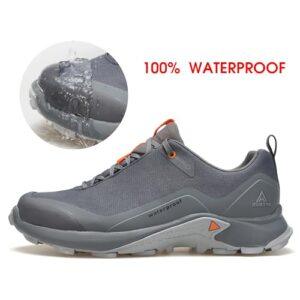
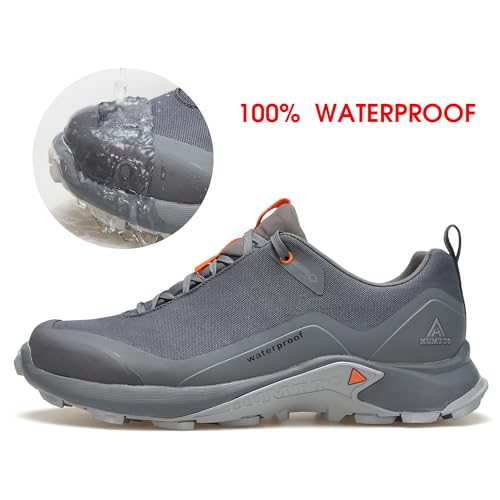
HUMTTO Men’s All-Terrain Waterproof Hiking…
WATERPROOF: The mens waterproof hiking shoes features a HUMTTO-TEX advanced waterproof membrane construction,Easily handle the entry of any water molecule. ALL-DAY SUPPORT ELASTIC MD MIDSOLE: Removable flexible insole offers arch…

CC-Los Women’s Waterproof Lightweight Hiking…
Eco-friendly suede leather and mesh upper promote airflow, prevent excessive accumulation of foot sweat, help reduce foot odor, and provides all-day comfort. Memory foam sockliner and lightweight non slip rubber…

Columbia Womens Crestwood Waterproof, Ancient…
OMNI-TECH: For prolonged exposure to moderate rain and snow. Multilayered, waterproof, seam-sealed construction that allows the inside to breathe, keeping feet dry and comfortable no matter the conditions. TECHLITE: For…
HUMTTO Men’s Waterproof Hiking Shoes

The HUMTTO men’s waterproof hiking shoe is a good fit for active days when I want trail grip without the weight of a tall boot. Its low-cut design feels easy to wear on city walks, park paths, and moderate hikes. The waterproof build helps block rain and shallow puddles during wet Alaska trips. A breathable upper can also feel less stuffy than a fully rubber shoe.
The outsole is the main reason I would consider this pair for Alaska. Its tread gives useful traction on dirt, packed trails, and damp ground. The shoe also has a light trekking feel, so it works well for travelers who walk many miles in one day. Still, no low hiking shoe can protect the ankle like a boot, and water can enter over the collar in deep puddles.
Pros:
- Waterproof design helps keep feet dry in rain
- Low weight suits long walks and travel
- Trail tread helps on dirt and wet paths
- Breathable build may reduce warm, damp feet
- Useful for hiking, errands, and outdoor work
- Lower profile feels less bulky than a boot
Cons:
- Low collar gives less ankle support than hiking boots
- Not designed as an insulated winter shoe
- Deep water may rise over the shoe opening
My Recommendation
I recommend the HUMTTO for men who want the best waterproof shoes for Alaska in a light, low-cut style. It suits summer travel, wet trail walks, and daily use more than extreme winter hiking. Choose it if you value easy movement and do not need tall ankle coverage. Check the current size chart and listing details before ordering because fit can vary with socks and foot shape. Overall, it offers practical value for mild and wet conditions.
CC-Los Women’s Waterproof Hiking Shoes

The CC-Los women’s waterproof hiking shoe focuses on simple comfort and daily outdoor use. Its beige color looks more like a walking sneaker than a rugged mountain boot. That makes it easy to pair with travel clothes when you move from a wet trail to a café or hotel. The waterproof upper can help protect against light rain, wet grass, and small puddles.
I see this model as a practical choice for casual hikers and travelers. The non-slip outsole should help on common outdoor surfaces, though I would still slow down on smooth ice. Its lightweight shape may reduce tired legs during sightseeing. Because it is a shoe rather than a tall boot, it cannot provide full snow protection or keep water out if a stream reaches the collar.
Pros:
- Waterproof upper helps handle rainy walks
- Lightweight shape feels comfortable for travel
- Non-slip sole adds confidence on wet paths
- Casual look works for town and trail use
- Good option for short and moderate hikes
- Low design allows natural foot movement
Cons:
- Limited ankle support for rough, uneven trails
- Light color may show mud more quickly
- Not a substitute for insulated snow boots
My Recommendation
The CC-Los is best for women who need the best waterproof shoes for Alaska for walking, travel, and easy trails. I would pack it for a summer cruise stop, a rainy city tour, or a maintained park path. It is less suited to heavy packs, deep mud, or steep rocky ground. If style and low weight matter as much as water protection, this pair gives a balanced choice at a useful price when available.
Columbia Women’s Crestwood Waterproof Shoes

The Columbia Crestwood is one of the strongest all-around options in this guide. Columbia builds this line for outdoor walking, so the shoe has a more serious trail feel than a basic sneaker. Its waterproof construction helps stop rain from reaching the foot during wet hikes. The low-cut shape keeps it more flexible and less heavy than a full hiking boot.
The outsole matters in Alaska because wet ground can change underfoot with little warning. The Crestwood offers traction for trails, gravel, and forest paths, while its cushioning helps soften long walks. I like this balance for travelers who want one pair for sightseeing and day hikes. It still lacks insulation, and the shoe’s waterproof protection cannot prevent water from entering above the collar.
Pros:
- Reliable waterproof design for wet trail days
- Established outdoor brand with broad availability
- Traction suits dirt, gravel, and forest paths
- Cushioning supports long walking days
- Versatile shape works for travel and hiking
- Low cut offers a less bulky feel
Cons:
- May feel firm until the shoe breaks in
- Low collar does not cover the ankle fully
- Needs warm socks in cold Alaska weather
My Recommendation
I recommend the Crestwood to women who want the best waterproof shoes for Alaska with a proven hiking profile. It is a smart middle ground for visitors who may hike one day and walk around town the next. The shoe offers better trail confidence than a casual walking sneaker without the weight of a boot. It has strong overall value, but confirm the selected size, color, and current waterproof details on Amazon before purchase.
OUTJET Women’s Waterproof Hiking Shoes

The OUTJET women’s waterproof hiking shoe is aimed at people who want a light outdoor sneaker with useful wet-weather protection. The green color gives it a clear trail style, while the low shape remains easy to wear for daily walks. Its waterproof build can help during rain, damp grass, and short crossings over wet ground. The non-slip outsole adds a helpful layer of grip for normal outdoor use.
This shoe makes sense for casual trails and active travel. I would use it for a short hike, a campground walk, or a day spent exploring a rainy Alaska town. It should feel more flexible than an ankle boot, which can be useful when climbing stairs or walking on pavement. However, low shoes offer limited support on rough rock, and waterproof fabric is not the same as insulation.
Pros:
- Waterproof construction helps in rainy conditions
- Lightweight feel works well for daily walking
- Non-slip tread supports wet outdoor surfaces
- Sporty style suits travel and casual hikes
- Flexible profile allows easy movement
- Useful choice for mild weather and short trails
Cons:
- Less ankle protection than a hiking boot
- Green upper may not suit every outfit
- Not made for deep snow or severe cold
My Recommendation
The OUTJET is best for women seeking the best waterproof shoes for Alaska on a budget-friendly, light-duty basis. It fits travelers who expect rain but plan to stay on easy trails and paved paths. I would not choose it for a heavy backpack or remote route where ankle support is vital. For everyday outdoor use, its low weight, wet-weather build, and easy style make it a practical option when the size is in stock.
Columbia Women’s Newton Ridge Waterproof Boots

The Newton Ridge Plus Waterproof Amped is a boot for people who want more structure around the foot and ankle. It has the classic hiking boot look, with a higher collar than the low shoes in this guide. That extra height can help keep trail debris out and offer more support on uneven ground. Its waterproof design is useful for rain, mud, and wet vegetation.
I consider this one of the better choices for long walks on mixed Alaska trails. The boot provides a more stable platform when the path includes roots, loose gravel, or small rocks. Its design also gives a secure feel when carrying a light day pack. The trade-off is weight and break-in time, and it is not a true cold-weather boot unless the product details specifically state insulation.
Pros:
- Higher collar gives better ankle coverage
- Waterproof build suits muddy and rainy trails
- Supportive structure helps on uneven ground
- Hiking tread improves grip on natural surfaces
- Works well with light day packs
- Classic boot design offers useful trail protection
Cons:
- Heavier than low-cut hiking shoes
- May need a break-in period
- Not automatically warm enough for winter snow
My Recommendation
I recommend the Newton Ridge to women who need the best waterproof shoes for Alaska with added ankle support. It is especially useful for forest trails, wet day hikes, and routes with loose or uneven ground. Pick this model over a low shoe if stability matters more than a light, sneaker-like feel. It offers strong long-term value for hikers who care for the upper and check the sole after muddy trips.
NORTIV 8 Women’s Waterproof Hiking Boots

The NORTIV 8 women’s waterproof hiking boot gives more coverage than a basic outdoor shoe. Its black and pink design has a clear trekking focus, and the taller build can help steady the ankle on rough ground. Waterproof materials help shield the foot from rain and wet trail plants. This makes the boot a useful partner for damp routes where a low shoe may feel too exposed.
I like this style for users who want protection without jumping to a very heavy mountaineering boot. The sole is built for outdoor traction, and the boot shape can feel secure when the trail becomes uneven. It may also leave more room for a medium hiking sock than a close-fitting sneaker. As with all waterproof footwear, the collar and seams need care, and the boot will not replace an insulated model in deep winter.
Pros:
- Higher boot shape gives added ankle protection
- Waterproof materials help block rain and mud
- Outdoor tread supports common hiking surfaces
- Good match for uneven trails and day packs
- Bold color detail improves visibility and style
- More protective than a low walking shoe
Cons:
- Can feel warmer than a breathable low shoe
- May require time to soften around the ankle
- Not intended for extreme cold without added insulation
My Recommendation
The NORTIV 8 is best for women who want the best waterproof shoes for Alaska in a supportive boot format. I would choose it for muddy trails, wet forest walks, and trips where ankle coverage matters. It suits hikers who prefer a secure fit over the freedom of a sneaker. Its value is appealing for occasional outdoor use, but wear the right socks and verify fit before taking it on a long trip.
NORTIV 8 Women’s Lightweight Ankle Boots

This NORTIV 8 ankle boot takes a lighter approach to trail footwear. It reaches above the ankle for extra coverage, yet its design aims to avoid the stiff feel of a tall trekking boot. That balance can work well for travelers who walk on mixed surfaces all day. The waterproof construction helps handle wet pavement, damp paths, and light trail mud.
The dark gray color is easy to wear with travel clothing, and the ankle height helps keep small stones and leaves outside. I would use this pair for sightseeing, campsite walks, and moderate hikes where I want more support than a sneaker gives. It may not offer the same heavy-duty structure as a full backpacking boot. Buyers should also remember that lightweight does not mean warm enough for icy winter use.
Pros:
- Lightweight ankle design balances support and comfort
- Waterproof build helps manage wet Alaska weather
- Dark gray color hides small marks well
- Higher collar helps block trail debris
- Good for travel, walking, and moderate hikes
- Less bulky than many traditional hiking boots
Cons:
- May provide less heavy-load support than a stiff boot
- Not a dedicated insulated winter boot
- Ankle fit may feel snug with thick socks
My Recommendation
I recommend this pair to shoppers seeking the best waterproof shoes for Alaska with a light ankle-boot feel. It is a strong choice for mixed travel, easy hikes, and wet city walks. Choose it when you want added coverage but dislike heavy footwear. Its overall value is good for general outdoor use, especially if the fit leaves enough room for your chosen hiking socks.
Columbia Women’s Crestwood Waterproof Shoes

This Columbia Crestwood option gives women another low-cut waterproof hiking shoe choice, with a gray-green and fossil color scheme. The style is calm and outdoorsy, so it fits both trail use and casual travel. Its waterproof construction can help protect feet during wet walks and changing weather. The low profile also makes it easy to pack in a suitcase.
I would place this model on the shortlist for visitors who want a dependable shoe for a broad range of mild Alaska activities. It can support day hikes, boardwalk walks, and long sightseeing days better than a smooth-soled casual shoe. The traction is useful on dirt and gravel, but users should remain careful on ice and polished surfaces. This model also needs warm socks or a separate winter boot when temperatures fall sharply.
Pros:
- Waterproof design suits wet travel conditions
- Low shape packs well for Alaska trips
- Trail outsole offers useful everyday grip
- Neutral colors match many travel outfits
- Cushioned feel supports long walking days
- Versatile for parks, paths, and town use
Cons:
- Low collar gives limited ankle protection
- May not fit thick socks as easily as a boot
- Does not provide built-in deep-winter insulation
My Recommendation
This Crestwood is a smart choice for women comparing the best waterproof shoes for Alaska for travel and easy hiking. It is best for someone who wants one compact pair for wet paths, parks, and city walks. I would select a boot instead for rocky routes or heavy packs. If the available size fits well, this model offers a useful mix of brand support, water protection, comfort, and everyday style.
What to Look for in Waterproof Alaska Footwear
Finding waterproof footwear is easy. Finding footwear that works for Alaska takes more thought. The state covers a vast area, so weather and ground conditions vary from coastal rain to cold interior snow. A shoe that feels perfect on a wet summer trail may fail on ice or deep slush. I always match the shoe to the trip, season, and planned activity.
Waterproof Protection
Look for clear language about a waterproof membrane, sealed construction, or waterproof upper. Water resistance can repel a light splash, but it may not stop steady rain. A waterproof shoe also has a limit. Water can enter through the tongue, collar, open seams, or the top of the shoe.
For rain, wet grass, and shallow puddles, the models above can be useful. For streams or deep slush, choose a taller boot or waterproof gaiter. I also avoid assuming that a waterproof label means the shoe will remain dry forever. Inspect the seams, clean off dirt, and follow the care directions.
Grip for Wet and Loose Ground
Alaska trails can include mud, gravel, roots, wet rock, and wooden walkways. A sole with deep, well-spaced lugs can shed mud better than a flat sneaker sole. Rubber compound also matters. Some soles grip well on wet dirt but slide on smooth ice.
No hiking shoe can make ice safe. If your trip includes frozen paths, carry traction aids made for your shoe. Walk with shorter steps, keep your center of balance steady, and slow down near water. These simple habits matter as much as the tread pattern.
Warmth and Layering
Waterproof is not the same as insulated. Most lightweight hiking shoes protect from moisture but do not create much warmth. In mild weather, that can be an advantage because your feet will not overheat. In cold weather, you need a warm sock, enough toe room, and perhaps a dedicated insulated boot.
A sock that fits too tightly can reduce comfort and make feet feel cold. I prefer a wool or wool-blend hiking sock for damp trips. Test the shoe with the socks you plan to wear. The fit should hold the heel without crushing the toes.
Fit and Support
Fit comes before brand name. Your heel should stay in place when you walk uphill, and your toes should not hit the front when you walk downhill. Leave a little space for normal foot swelling and socks. Lace the shoe firmly across the midfoot, but do not make it so tight that your toes feel numb.
Low shoes offer freedom and low weight. Ankle boots offer more coverage and may feel steadier on rough trails. Neither style is best for every person. If you carry a pack, have weak ankles, or hike on uneven ground, I would lean toward a supportive boot.
Weight and Packability
Light shoes save space and reduce fatigue. That benefit becomes clear on travel days with airport walks, bus transfers, and long trail approaches. A heavier boot may protect better, but it can feel tiring if your plan includes many miles on pavement.