You can check polarized sunglasses with a simple screen test, lens comparison, or optical shop inspection.
Knowing how to know if a sunglasses is polarized helps you avoid glare, eye strain, and disappointing purchases. Polarized lenses use a special filter to reduce harsh reflected light from roads, water, snow, and glass. This guide explains reliable at-home tests, common mistakes, and the limits of each method so you can check your sunglasses with confidence.
What Does “Polarized” Mean in Sunglasses?
Polarized sunglasses contain a filter that blocks much of the intense, horizontal light that creates glare. Think of the filter as a tiny window blind inside the lens. It allows useful light through while reducing reflected light that travels toward your eyes.
Glare often comes from flat surfaces, such as:
• Water
• Wet pavement
• Car hoods and windshields
• Snow and ice
• Store windows
• Concrete roads
Regular tinted sunglasses make the world darker. Polarized sunglasses can also make the world darker, but their main job is to control glare. This difference explains why a dark lens is not always a polarized lens.
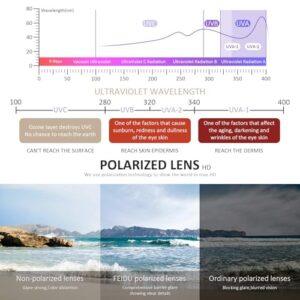
Polarization can improve visual comfort during driving, boating, fishing, hiking, skiing, and outdoor work. However, it does not automatically mean the sunglasses provide full ultraviolet protection. UV protection and polarization are two separate lens features.

How to Know If a Sunglasses Is Polarized With a Phone or Computer Screen
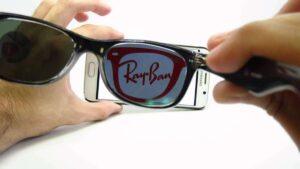
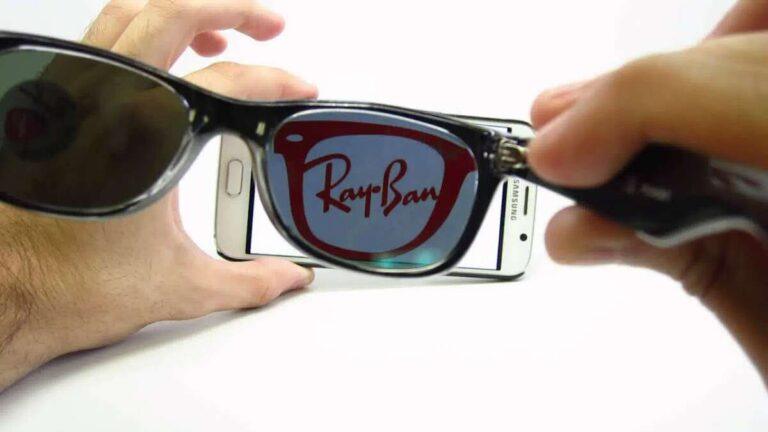
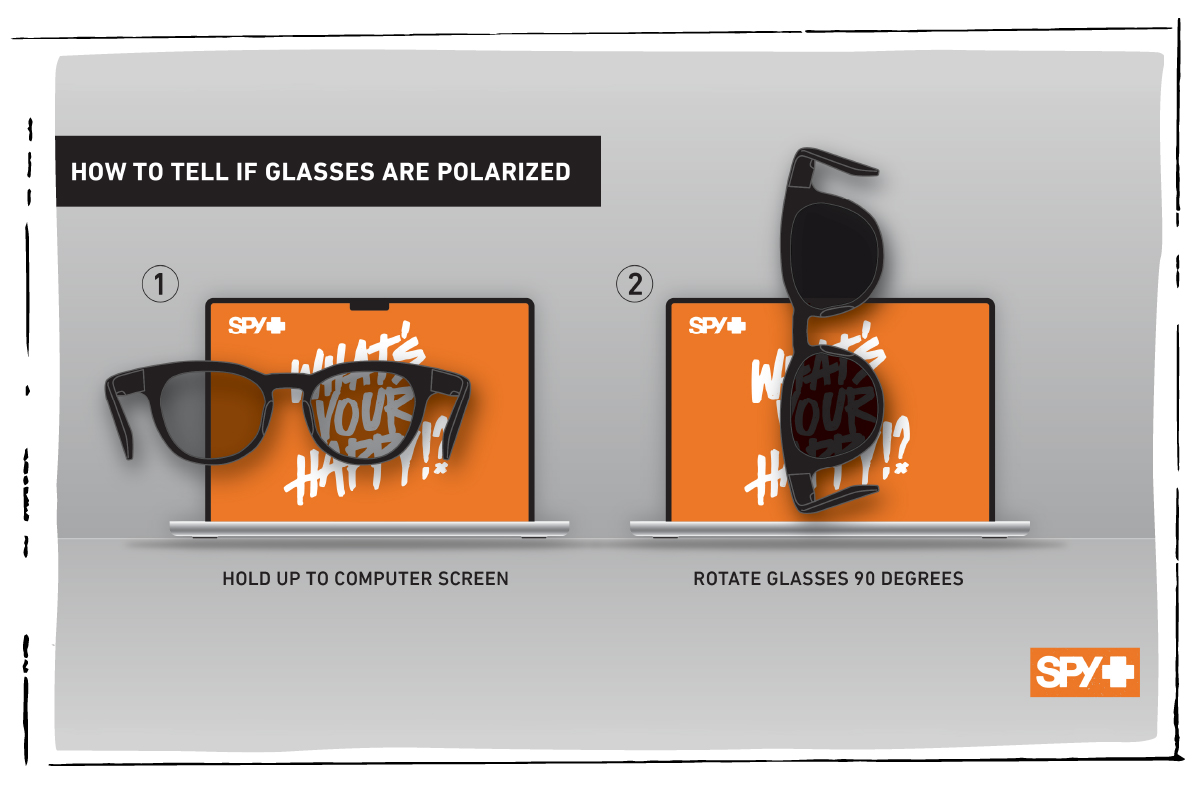
The screen test is one of the easiest ways to learn how to know if a sunglasses is polarized. It works because many LCD screens produce light that interacts with a polarized lens filter.
Follow these steps:
-
Turn on a phone, tablet, laptop, or LCD computer monitor.
-
Set the screen brightness to a medium or high level.
-
Hold the sunglasses in front of the screen.
-
Slowly rotate the sunglasses about 60 to 90 degrees.
-
Watch for a major change in brightness.
If the lenses are polarized, the screen may become much darker, show black areas, or appear to fade as you rotate the glasses. With nonpolarized sunglasses, the screen usually stays almost the same brightness.
This method is useful, but it is not perfect. Some newer screens use different display technology, and the result may be weak or unclear. An OLED screen, for example, may not react in the same way as an LCD screen.
Also, test one lens at a time if the frame makes the result hard to see. Keep the lens close to the screen, and try the test in a dim room for a clearer difference.

How to Know If a Sunglasses Is Polarized by Rotating Two Pairs
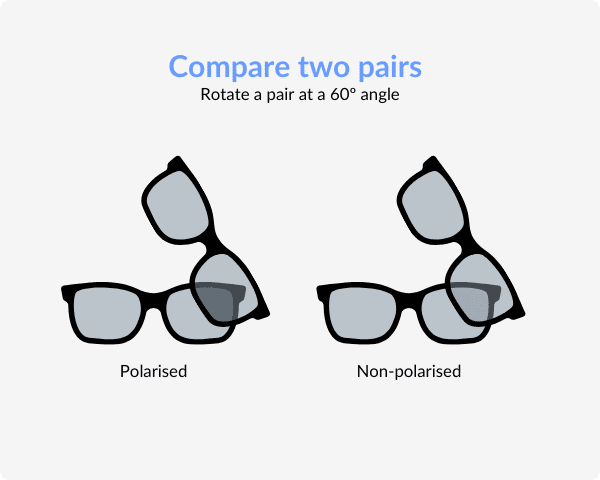
A second practical answer to how to know if a sunglasses is polarized is to compare it with another pair that you already trust. This test works best when both pairs have similar lens shapes and colors.
Place one pair in front of the other. Look through both lenses toward a bright window or outdoor light. Slowly rotate one pair while keeping the other still.
When two polarized lenses overlap at certain angles, they can block much more light. The view may become very dark or nearly black. This happens because the two filters cross each other and allow less light through.
Use care with this test. A dark result does not prove that both pairs are polarized unless the known pair is genuine. The test is most useful when one pair came from a reliable optical store or has verified lens information.
You may also compare the unknown sunglasses with a known polarized pair while looking at a bright, glare-filled surface. Never stare at the sun during this test. Bright daylight reflected from a wall or window is enough.
How to Know If a Sunglasses Is Polarized by Looking at Reflections
Outdoor glare can provide another clue. Wear the sunglasses and look at a safe reflective surface, such as a car hood, a lake, or a bright road. Then remove the glasses and compare what you see.
Polarized sunglasses often make reflected glare look softer and less intense. Details under the surface of water may become easier to see. Wet pavement may also look less bright, which can make lane markings and road texture easier to notice.
This is a useful real-world check, but it is not a final proof. Lens tint, lighting, and the angle of the reflection can change what you see. A strong gray tint may reduce brightness even when the lenses are not polarized.
For this reason, use the reflection test along with the screen test. Several matching signs are more reliable than one quick impression.
A simple example is driving after rain. Nonpolarized dark lenses may make the road look darker, but glare can still spread across the surface. Polarized lenses may reduce that bright, white shine and make the road feel more comfortable to view.
Check the Sunglasses Label and Product Details
Product information can help answer how to know if a sunglasses is polarized before you even test the lenses. Look for clear terms such as:
• Polarized
• Polarized lenses
• Glare reduction