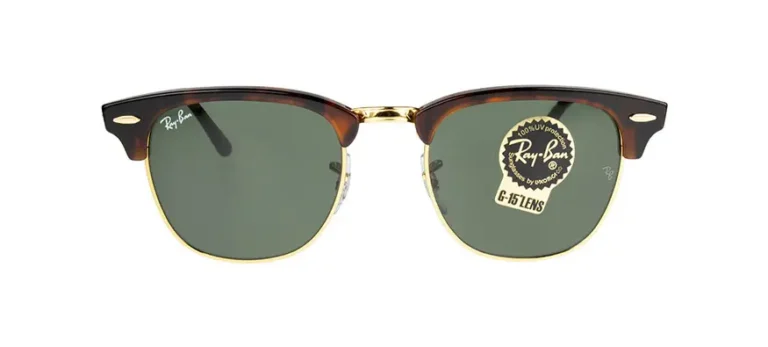
Yes, some Ray-Ban sunglasses have glass lenses, but many models use lighter nylon or polycarbonate lenses.
The answer to “do ray bans have glass lenses” depends on the model, lens type, and production year. Ray-Ban has used glass for decades, but modern collections also include nylon, polycarbonate, and other synthetic lens materials. Knowing the difference helps you choose the right pair, check product details, and avoid assuming that every Ray-Ban lens is made of glass.
Do Ray-Bans have glass lenses?
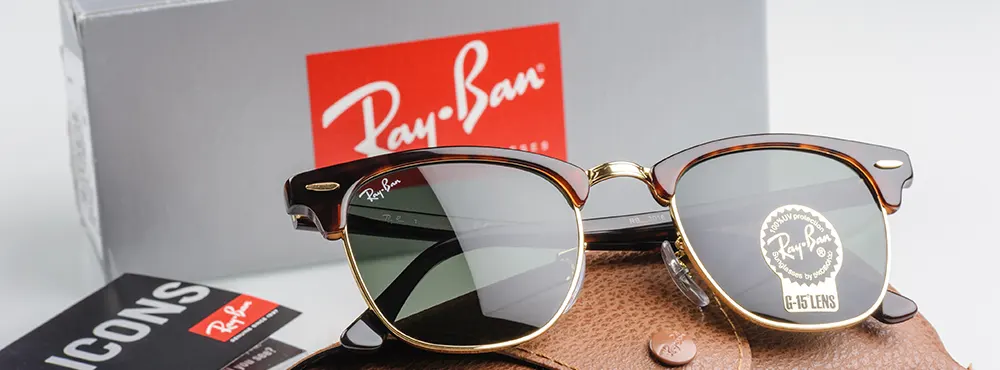
Some Ray-Ban sunglasses do have glass lenses. Ray-Ban often calls these lenses “crystal” lenses, especially in classic models such as the Original Wayfarer, Aviator, and certain Clubmaster versions.
However, not every pair uses glass. The brand also makes sunglasses with nylon and polycarbonate lenses. The exact material can change based on the frame, color, lens technology, prescription setup, and product collection.
When people ask, “do ray bans have glass lenses,” the most accurate answer is: sometimes. You must check the product specifications for the exact model.
Ray-Ban lens materials commonly include:
• Glass, often listed as crystal
• Nylon, a light and durable plastic material
• Polycarbonate, a strong and impact-resistant plastic
• Prescription lens materials selected by the optical provider
Glass lenses can offer excellent clarity and strong scratch resistance. Plastic lenses are usually lighter and safer for active use. Neither material is automatically better for every wearer.

How to tell whether your Ray-Bans have glass lenses
The most reliable way to find out whether your Ray-Bans have glass lenses is to check the official product information. Look for a field named “lens material,” “material,” or “lens type.”
Product descriptions often use terms such as:
• Crystal: Usually means glass
• Glass: A direct reference to glass lenses
• Nylon: A lightweight synthetic lens
• Polycarbonate: A tough plastic lens
• Bio nylon: A newer plant-based or partly bio-based nylon material
You can also check the packaging, receipt, or model page. The model code is usually printed on the inside of the temple arm and may look similar to “RB2140” or “RB3025.” The color code and size often appear after the model number.
Do not rely only on touch or weight. A glass lens may feel heavier, but frame size and metal parts can change the overall weight. A plastic lens can also feel firm and high quality, so physical inspection alone is not a dependable test.
Avoid tapping the lens, scratching it, or using heat to identify the material. These tests can damage an expensive pair and still may not give a clear answer.

Which Ray-Ban models commonly use glass lenses?
Several classic Ray-Ban styles have been sold with glass lenses. This is one reason many people associate Ray-Ban with crystal lenses.
Models that may be available with glass or crystal lenses include:
• Aviator, including some Classic and Evolve versions
• Original Wayfarer
• Clubmaster
• Round Metal
• Erika and other fashion collections, depending on the specific version
This list is not a guarantee. The same frame design may come in more than one lens material. A polarized version, a special-edition color, or a newer production run may use a different lens than an older pair.
For example, one Aviator may have crystal polarized lenses, while another Aviator with a different finish may use nylon. The frame name alone does not prove the lens material.
When checking a listing, look for the full model name and product code. If the seller only writes “Ray-Ban Aviator” without the model number or lens details, ask for more information before buying.

Glass lenses versus nylon and polycarbonate lenses
Understanding lens materials makes the question “do ray bans have glass lenses” much easier to answer. Each material has clear strengths and limits.
Glass lenses
Glass lenses are known for sharp optical clarity. They also resist everyday scratches better than many standard plastic lenses.
Their main drawbacks are weight and breakage risk. Glass can crack or shatter after a hard impact. For casual driving, walking, or daily wear, this may not be a major concern. For sports, cycling, or active work, a lighter impact-resistant lens may be a better choice.
Nylon lenses
Nylon lenses are light and flexible. They suit people who wear sunglasses for long periods or dislike pressure around the nose and ears.
They can also work well in wraparound frames and active styles. Nylon may scratch more easily than glass, so careful storage and cleaning are important.
Polycarbonate lenses
Polycarbonate is a strong plastic material. It is often chosen for impact resistance and low weight.
This makes it useful for outdoor activities and some prescription eyewear. Its optical clarity can be very good, but some wearers notice more visual distortion at the edges than with high-quality glass or premium plastic lenses.
Here is a simple comparison:
| Lens material | Main benefit | Main limitation |
|---|---|---|
| Glass or crystal | Clear vision and strong scratch resistance | Heavier and can break |
| Nylon | Light, flexible, and comfortable | Can scratch more easily |
| Polycarbonate | Light and impact resistant | May show more edge distortion |
| Other optical plastics | Light and available for prescriptions | Quality varies by lens design |
Are glass Ray-Ban lenses better?
Glass Ray-Ban lenses are not always better. They are better for some needs and less suitable for others.
Glass may be the right choice if you value:
• High visual clarity
• A premium, traditional feel
• Strong resistance to small surface scratches
• A heavier, more substantial frame
Nylon or polycarbonate may be better if you value:
• Low weight
• Comfort during long wear
• Outdoor activity
• Greater impact resistance
• A flexible lens for an active lifestyle
Think of the choice like footwear. A sturdy leather boot may last well and feel protective, but a light running shoe may be more comfortable for a long walk. The best option depends on how you use it.
For everyday driving and city use, either glass or plastic can work well. For mountain biking, basketball, construction work, or water sports, impact-rated protective eyewear is more important than choosing glass.
Regular Ray-Ban sunglasses should not automatically be treated as safety glasses. If you need workplace protection, choose eyewear marked for the relevant safety standard.

Are Ray-Ban glass lenses polarized?
Some Ray-Ban glass lenses are polarized, but not all of them are. Polarization is a lens feature, not a guarantee that the lens is glass.
Polarized lenses reduce reflected glare from surfaces such as:
• Water
• Snow
• Wet roads
• Car hoods
• Glass buildings
This can make driving and outdoor activities more comfortable. Polarization does not automatically provide better scratch resistance or stronger impact protection.
Ray-Ban may offer the same frame in several versions:
• Standard glass lenses
• Polarized glass lenses
• Nylon lenses
• Polarized nylon lenses
• Gradient or mirrored lenses
Check the product details for both material and polarization. A listing that says “polarized” does not answer whether the lens is glass.
One practical note: polarized lenses can make some phone screens, car displays, and LCD panels look darker or uneven at certain angles. This is normal and does not mean the sunglasses are defective.

Benefits and drawbacks of Ray-Ban glass lenses
If you are deciding whether glass Ray-Bans are right for you, consider both the benefits and the limits.
Benefits
Glass lenses can provide:
• Excellent optical quality
• Strong resistance to light scratches
• A classic Ray-Ban feel
• Good long-term appearance when handled carefully
• A heavier, more solid fit in some frames
Many wearers enjoy the crisp view offered by glass. This is especially noticeable when comparing a clean glass lens with a low-grade plastic lens.
Drawbacks
Glass lenses also have disadvantages:
• They weigh more than nylon or polycarbonate
• They can break after a strong impact
• They may feel less comfortable during long wear
• Replacement can cost more
• They are not ideal for every sport or job
The biggest mistake is treating scratch resistance as the same as safety. Glass may resist small scratches well, but it is not automatically the safest lens for impact.

How to care for Ray-Ban glass lenses
Good care helps glass lenses stay clear for years. The same basic habits also protect plastic Ray-Ban lenses.
Use this simple routine:
-
Rinse the lenses with clean, lukewarm water.
-
Add a small amount of lens-safe cleaner if needed.
-
Dry them with a clean microfiber cloth.
-
Store the sunglasses in a hard case.
-
Keep the lenses facing upward when you set them down.
Avoid paper towels, tissues, shirt sleeves, and household glass cleaner. These can leave fibers, spread dirt, or damage lens coatings over time.
Do not wipe a dry lens when dust or sand is present. Small particles can act like sandpaper. Rinsing first is one of the easiest ways to prevent fine scratches.
Never leave Ray-Bans on a hot dashboard for long periods. High heat can affect frame shape, lens coatings, and adhesive parts. A hard case offers better protection than a soft pouch.
How to check if Ray-Bans are authentic
Lens material alone cannot prove that a pair is genuine. A counterfeit pair may use glass, plastic, or a mix of materials.
Check several details together:
• The model code on the temple arm
• Clear and even Ray-Ban logo printing
• Accurate hinges and frame alignment
• Consistent engraving on the lens or temple, where applicable
• Professional packaging and product information
• A receipt from an authorized seller
The Ray-Ban logo etched into a lens can be a useful detail, but it is not conclusive by itself. Counterfeit products may copy visible logos.
Be cautious with unusually low prices, poor spelling, blurry product photos, and sellers who refuse to show the model code. Buying from an authorized retailer is the strongest way to reduce the risk.
If a pair feels different from one you previously owned, that does not automatically mean it is fake. Ray-Ban can use different materials across collections and production periods.
Common mistakes when buying Ray-Ban sunglasses
People often make the same few mistakes when searching for an answer to “do ray bans have glass lenses.”
The first mistake is assuming every classic model has glass lenses. A familiar frame can be sold with several lens materials.
The second mistake is confusing “crystal” with crystal-clear plastic. In Ray-Ban product descriptions, “crystal” commonly refers to glass, but you should still verify the full specification for the exact item.
The third mistake is choosing based only on scratch resistance. Comfort, impact resistance, UV protection, fit, and intended use also matter.
Before buying, use this checklist:
• Find the exact model code.
• Confirm the lens material.
• Check whether the lenses are polarized.
• Confirm 100% UV protection from a trusted seller.
• Review the return policy.
• Make sure the frame fits your face.
• Ask whether replacement lenses are available.
A product page that lacks lens information is incomplete. Ask the retailer before placing the order.
Do replacement Ray-Ban lenses come in glass?
Replacement lenses may be available in glass, nylon, polycarbonate, or other optical materials. The choices depend on the frame, prescription, lens color, coating, and supplier.
An optical professional can help you identify the original lens material and select a suitable replacement. The replacement may not feel or look exactly like the factory lens, even when it fits the same frame.
Be careful with cheap, unverified replacement lenses. Poorly made lenses can cause distortion, loose fitting, weak coatings, or inaccurate prescription power.
If the frame is valuable or sentimental, have the lenses replaced by a qualified optician. A good technician can check frame condition, lens alignment, and whether the frame can safely accept new lenses.
Prescription sunglasses require extra care. The best lens material may depend on prescription strength, frame curve, thickness, and local optical standards.
Are Ray-Ban glass lenses safe for driving and daily wear?
For normal driving and daily wear, Ray-Ban glass lenses can be safe when they fit well, provide proper UV protection, and remain free from damage. Good vision and a secure fit matter more than the lens material alone.
Do not drive with cracked, badly scratched, loose, or distorted lenses. Damage can scatter light and make glare worse, especially at night or in bright sun.
For frequent outdoor activity, consider impact-resistant eyewear designed for that use. Standard fashion sunglasses are not a replacement for certified protective glasses.
Also remember that dark lenses are not the same as UV protection. Reliable sunglasses should block 100% of UVA and UVB rays, regardless of whether the lenses are glass or plastic.
Frequently asked questions about do ray bans have glass lenses
Do all Ray-Bans have glass lenses?
No. Some Ray-Ban sunglasses use glass or crystal lenses, while others use nylon, polycarbonate, or different optical plastics. Check the exact model specifications before buying.
How can I tell if my Ray-Ban lenses are glass?
Look for “glass” or “crystal” in the official product details, packaging, or receipt. The model code can help you find the correct specifications, but weight and touch are not reliable tests.
Are glass Ray-Ban lenses more scratch resistant?
Glass generally resists everyday scratches better than many plastic lenses. However, glass can still scratch, and its coatings may be damaged by rough cleaning or poor storage.
Are plastic Ray-Ban lenses fake?
No. Genuine Ray-Ban sunglasses can use nylon, polycarbonate, and other plastic lens materials. Lens material alone does not prove whether a pair is authentic.
Are Ray-Ban glass lenses polarized?
Some are, but not all. Polarization is a separate feature, so check both the lens material and the product description.
Which Ray-Ban lens material is best for sports?
Nylon or polycarbonate is often more practical for active use because it is light and more impact resistant. For high-risk work or sports, use eyewear certified for the specific safety need.
Do glass lenses provide better UV protection?
Not automatically. Both glass and plastic lenses can provide excellent UV protection when properly manufactured and treated. Confirm that the sunglasses offer 100% UVA and UVB protection.
Conclusion
So, do ray bans have glass lenses? Some do, especially models listed with crystal lenses, but many Ray-Ban sunglasses use nylon or polycarbonate. The exact model, lens version, and product code matter more than the frame name alone.
Glass offers crisp vision and good scratch resistance, while synthetic lenses are lighter and often better for active use. Check the official specifications, buy from a trusted seller, and choose the material that fits your daily habits.
If you are comparing a specific Ray-Ban model, look up its full code before purchasing and share your findings or questions in the comments.

Rubel Miah is the Senior Editor at MyStyleGrid.com, where he brings a sharp editorial eye and an unshakable love for fashion to everything he does. A true style addict, Rubel lives and breathes trends, from streetwear to high fashion, and has a knack for turning inspiration into impactful stories. With years of experience in fashion journalism and digital media, he curates content that empowers readers to express themselves through style. When he’s not editing features or forecasting the next big thing, you’ll find him hunting down vintage pieces or capturing street style moments around the city.