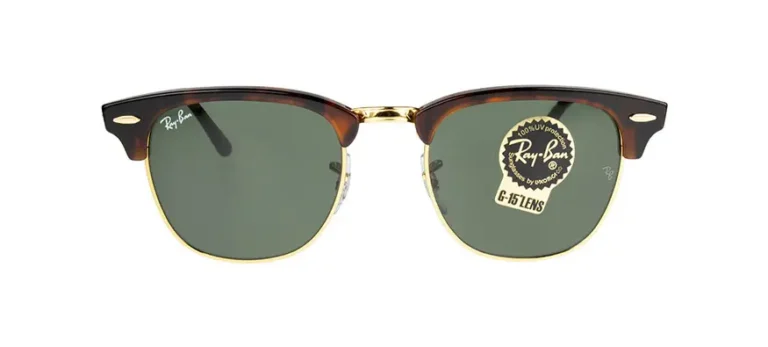
Yes, some Ray-Ban sunglasses have glass lenses, but many models use lighter nylon or polycarbonate lenses.
The answer to “do ray bans have glass lenses” depends on the model, lens type, and production year. Ray-Ban has used glass for decades, but modern collections also include nylon, polycarbonate, and other synthetic lens materials. Knowing the difference helps you choose the right pair, check product details, and avoid assuming that every Ray-Ban lens is made of glass.
Do Ray-Bans have glass lenses?
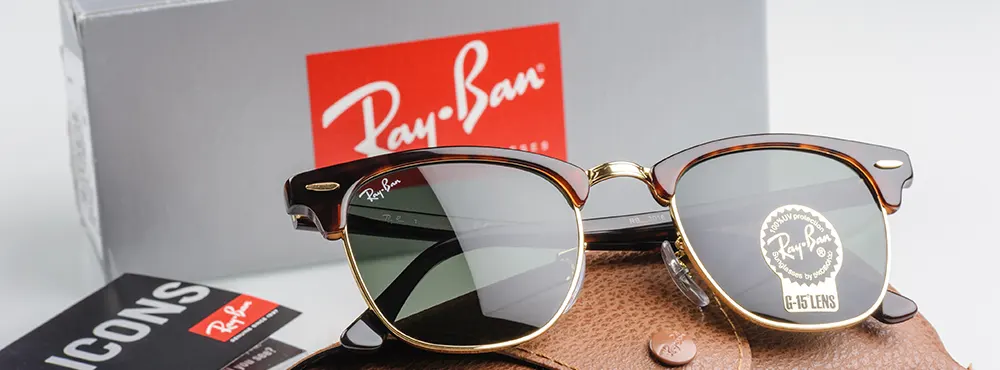
Some Ray-Ban sunglasses do have glass lenses. Ray-Ban often calls these lenses “crystal” lenses, especially in classic models such as the Original Wayfarer, Aviator, and certain Clubmaster versions.
However, not every pair uses glass. The brand also makes sunglasses with nylon and polycarbonate lenses. The exact material can change based on the frame, color, lens technology, prescription setup, and product collection.
When people ask, “do ray bans have glass lenses,” the most accurate answer is: sometimes. You must check the product specifications for the exact model.
Ray-Ban lens materials commonly include:
• Glass, often listed as crystal
• Nylon, a light and durable plastic material
• Polycarbonate, a strong and impact-resistant plastic
• Prescription lens materials selected by the optical provider
Glass lenses can offer excellent clarity and strong scratch resistance. Plastic lenses are usually lighter and safer for active use. Neither material is automatically better for every wearer.

How to tell whether your Ray-Bans have glass lenses
The most reliable way to find out whether your Ray-Bans have glass lenses is to check the official product information. Look for a field named “lens material,” “material,” or “lens type.”
Product descriptions often use terms such as:
• Crystal: Usually means glass
• Glass: A direct reference to glass lenses
• Nylon: A lightweight synthetic lens
• Polycarbonate: A tough plastic lens
• Bio nylon: A newer plant-based or partly bio-based nylon material
You can also check the packaging, receipt, or model page. The model code is usually printed on the inside of the temple arm and may look similar to “RB2140” or “RB3025.” The color code and size often appear after the model number.
Do not rely only on touch or weight. A glass lens may feel heavier, but frame size and metal parts can change the overall weight. A plastic lens can also feel firm and high quality, so physical inspection alone is not a dependable test.
Avoid tapping the lens, scratching it, or using heat to identify the material. These tests can damage an expensive pair and still may not give a clear answer.

Which Ray-Ban models commonly use glass lenses?
Several classic Ray-Ban styles have been sold with glass lenses. This is one reason many people associate Ray-Ban with crystal lenses.
Models that may be available with glass or crystal lenses include:
• Aviator, including some Classic and Evolve versions
• Original Wayfarer
• Clubmaster
• Round Metal
• Erika and other fashion collections, depending on the specific version
This list is not a guarantee. The same frame design may come in more than one lens material. A polarized version, a special-edition color, or a newer production run may use a different lens than an older pair.
For example, one Aviator may have crystal polarized lenses, while another Aviator with a different finish may use nylon. The frame name alone does not prove the lens material.
When checking a listing, look for the full model name and product code. If the seller only writes “Ray-Ban Aviator” without the model number or lens details, ask for more information before buying.

Glass lenses versus nylon and polycarbonate lenses
Understanding lens materials makes the question “do ray bans have glass lenses” much easier to answer. Each material has clear strengths and limits.
Glass lenses
Glass lenses are known for sharp optical clarity. They also resist everyday scratches better than many standard plastic lenses.
Their main drawbacks are weight and breakage risk. Glass can crack or shatter after a hard impact. For casual driving, walking, or daily wear, this may not be a major concern. For sports, cycling, or active work, a lighter impact-resistant lens may be a better choice.
Nylon lenses
Nylon lenses are light and flexible. They suit people who wear sunglasses for long periods or dislike pressure around the nose and ears.
They can also work well in wraparound frames and active styles. Nylon may scratch more easily than glass, so careful storage and cleaning are important.
Polycarbonate lenses
Polycarbonate is a strong plastic material. It is often chosen for impact resistance and low weight.
This makes it useful for outdoor activities and some prescription eyewear. Its optical clarity can be very good, but some wearers notice more visual distortion at the edges than with high-quality glass or premium plastic lenses.
Here is a simple comparison:
| Lens material | Main benefit | Main limitation |
|---|---|---|
| Glass or crystal | Clear vision and strong scratch resistance | Heavier and can break |
| Nylon | Light, flexible, and comfortable | Can scratch more easily |
| Polycarbonate | Light and impact resistant | May show more edge distortion |
| Other optical plastics | Light and available for prescriptions | Quality varies by lens design |
Are glass Ray-Ban lenses better?
Glass Ray-Ban lenses are not always better. They are better for some needs and less suitable for others.
Glass may be the right choice if you value:
• High visual clarity
• A premium, traditional feel
• Strong resistance to small surface scratches
• A heavier, more substantial frame
Nylon or polycarbonate may be better if you value:
• Low weight
• Comfort during long wear
• Outdoor activity
• Greater impact resistance
• A flexible lens for an active lifestyle
Think of the choice like footwear. A sturdy leather boot may last well and feel protective, but a light running shoe may be more comfortable for a long walk. The best option depends on how you use it.
For everyday driving and city use, either glass or plastic can work well. For mountain biking, basketball, construction work, or water sports, impact-rated protective eyewear is more important than choosing glass.
Regular Ray-Ban sunglasses should not automatically be treated as safety glasses. If you need workplace protection, choose eyewear marked for the relevant safety standard.

Are Ray-Ban glass lenses polarized?
Some Ray-Ban glass lenses are polarized, but not all of them are. Polarization is a lens feature, not a guarantee that the lens is glass.
Polarized lenses reduce reflected glare from surfaces such as:
• Water
• Snow
• Wet roads
• Car hoods
• Glass buildings
This can make driving and outdoor activities more comfortable. Polarization does not automatically provide better scratch resistance or stronger impact protection.
Ray-Ban may offer the same frame in several versions:
• Standard glass lenses
• Polarized glass lenses
• Nylon lenses
• Polarized nylon lenses
• Gradient or mirrored lenses
Check the product details for both material and polarization. A listing that says “polarized” does not answer whether the lens is glass.
One practical note: polarized lenses can make some phone screens, car displays, and LCD panels look darker or uneven at certain angles. This is normal and does not mean the sunglasses are defective.