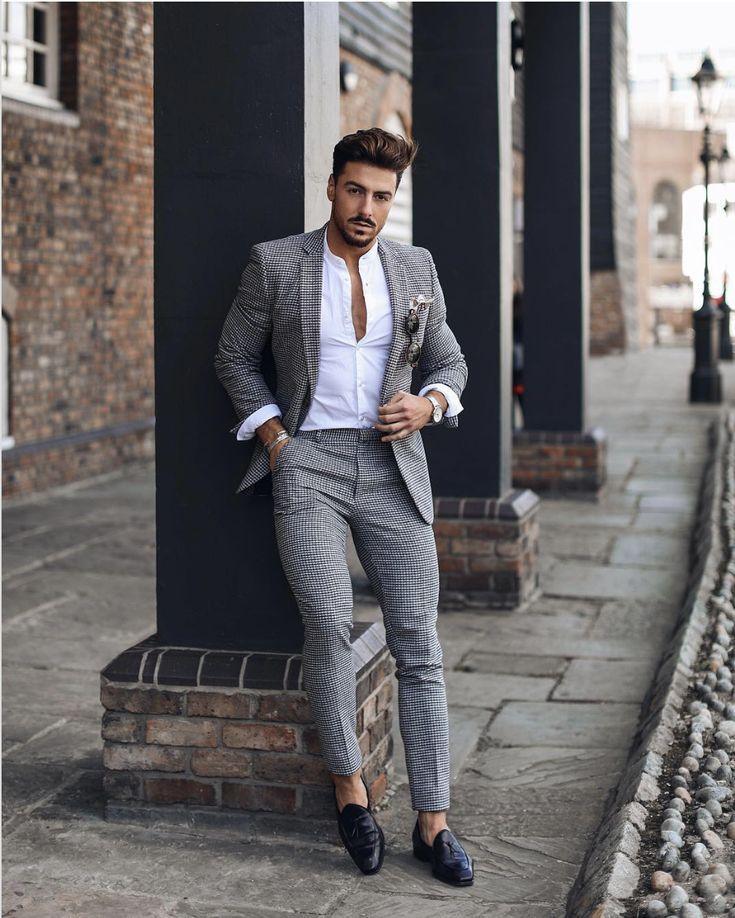
To style men’s dress pants well, balance fit, color, shoes, and occasion for a clean, confident look.
Learning how to style dress pants men can wear for work, weddings, dinners, and relaxed weekends is mostly about balance. The right rise, hem, shirt, shoes, and jacket can turn one pair of pants into several outfits. This guide explains the details stylists use to create polished looks without making them feel stiff or forced.
Start With the Right Fit
Good styling starts with fit. Even the finest wool trousers will look untidy if they pull at the waist or bunch around the ankles. When learning how to style dress pants men should first focus on comfort, shape, and clean lines.
Your pants should sit securely at your natural waist or just below it. You should not need a tight belt to keep them up. The seat should lie flat, with no large folds beneath the pockets.
Check these fit points:
• Waist: You should be able to slide one or two fingers between your waist and the waistband.
• Seat: The fabric should follow your shape without pulling across the back.
• Thigh: You need enough room to sit and walk with ease.
• Leg: The trouser leg should fall in a clean line without twisting.
• Hem: The hem should touch the top of your shoe with a slight break or no break.
• Pockets: Side pockets should remain flat when you stand.
A small amount of tailoring can make inexpensive dress pants look sharp. A tailor can adjust the waist, shorten the hem, or taper the leg. However, major changes to the rise or seat can be costly and may not produce a natural result.
A useful real-world lesson is to try pants while wearing the shoes you plan to use. A hem that looks perfect with loafers may look too short with leather boots. The shoe changes the visual length of the entire outfit.
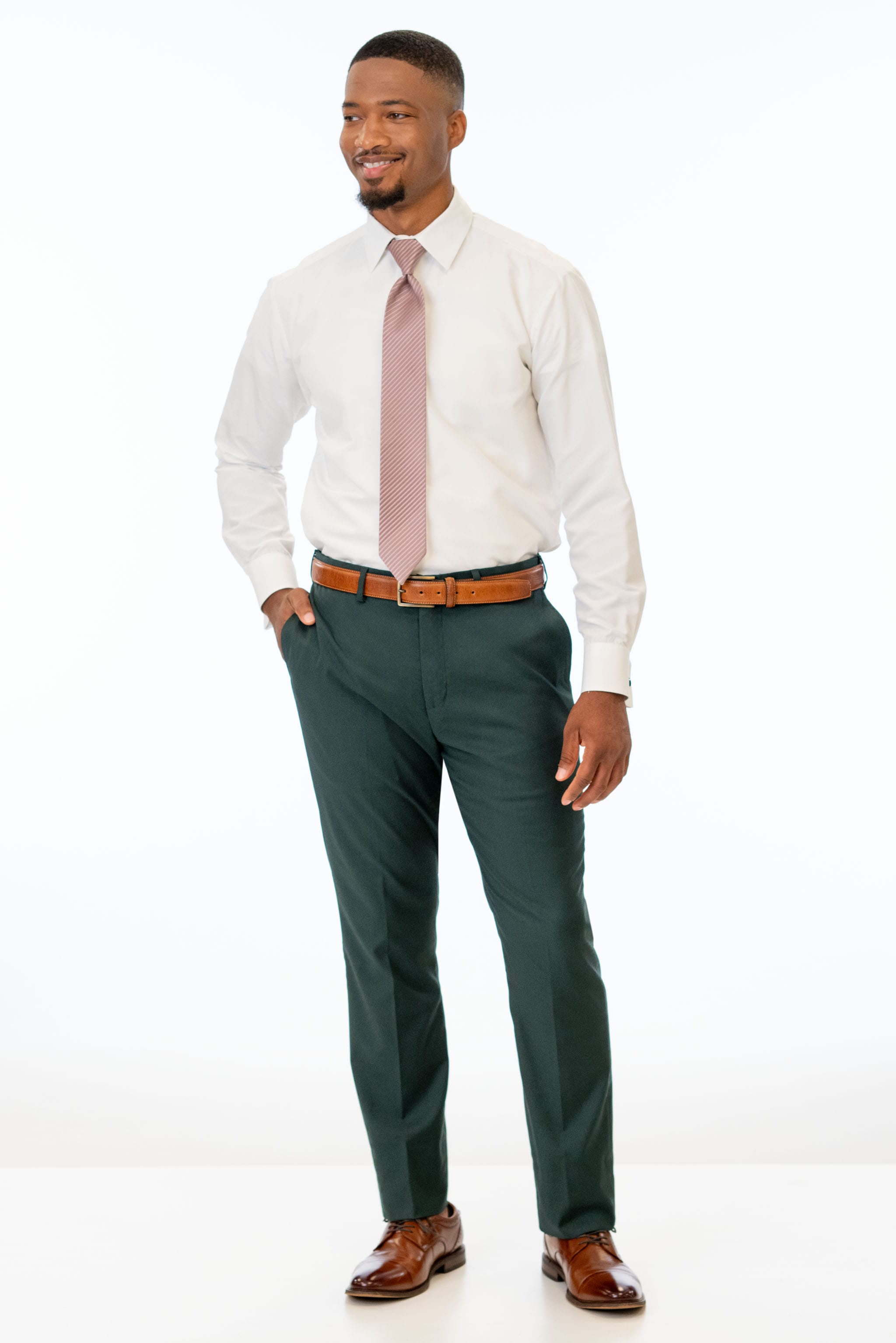
Choose the Best Dress Pants Style
Dress pants come in several cuts, fabrics, and rises. The best option depends on your body shape, lifestyle, and the level of formality you need.
Flat-Front Dress Pants
Flat-front pants have a clean, modern look. They work well for office outfits, business dinners, and smart casual clothing. They often look best with a slim or tailored leg.
Pleated Dress Pants
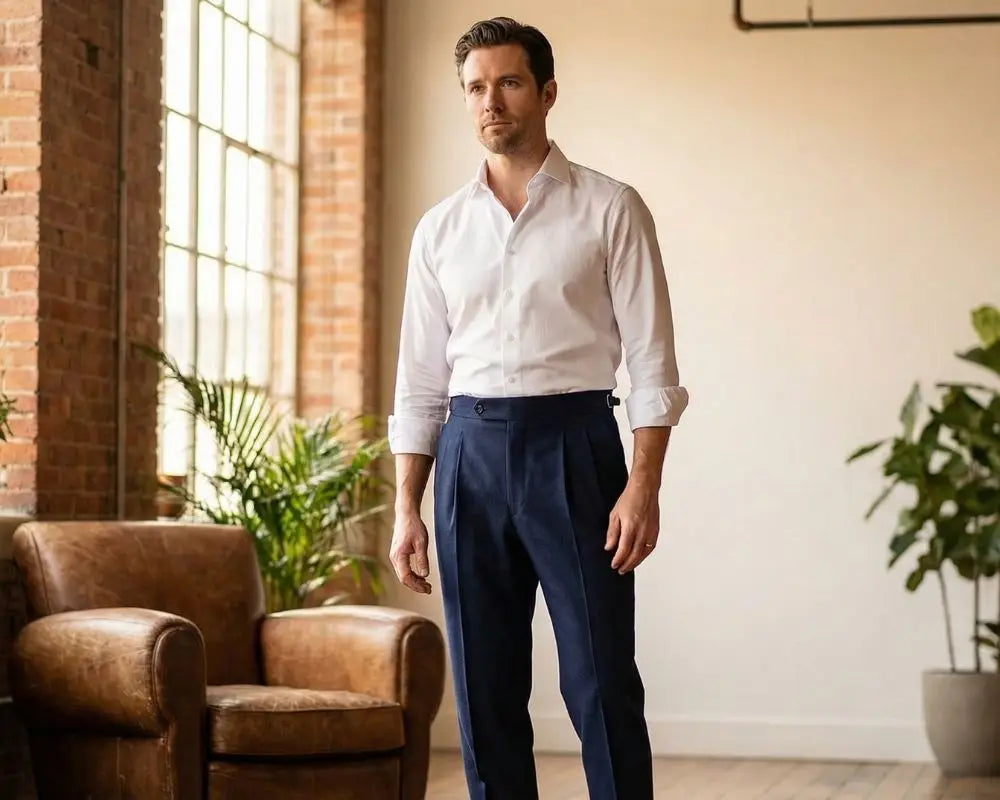
Pleated pants have extra fabric near the waistband. They offer more room through the hips and thighs. Modern pleated trousers can look elegant, especially with a higher rise and a fuller leg.
Avoid choosing pleats only because they feel roomy. Poorly fitted pleats can open when you stand and add bulk to the front of the body.
Slim, Straight, and Relaxed Cuts
Slim pants follow the leg closely but should never feel tight. Straight pants offer a balanced shape and suit most men. Relaxed pants provide more room and can look refined when the fabric drapes well.
The goal is not to wear the narrowest pants possible. The goal is to create a smooth outline from your waist to your shoes.
Wool, Cotton, Linen, and Blends
Wool dress pants are a classic choice because wool drapes well and resists wrinkles. Cotton pants feel more casual and work well with polo shirts, Oxford shirts, and knitwear.
Linen pants are excellent for warm weather but wrinkle easily. Blended fabrics can offer stretch, easy care, and better crease resistance. Always follow the care label, since heat and harsh washing can damage the shape of tailored trousers.
Match Dress Pants With the Right Shirt
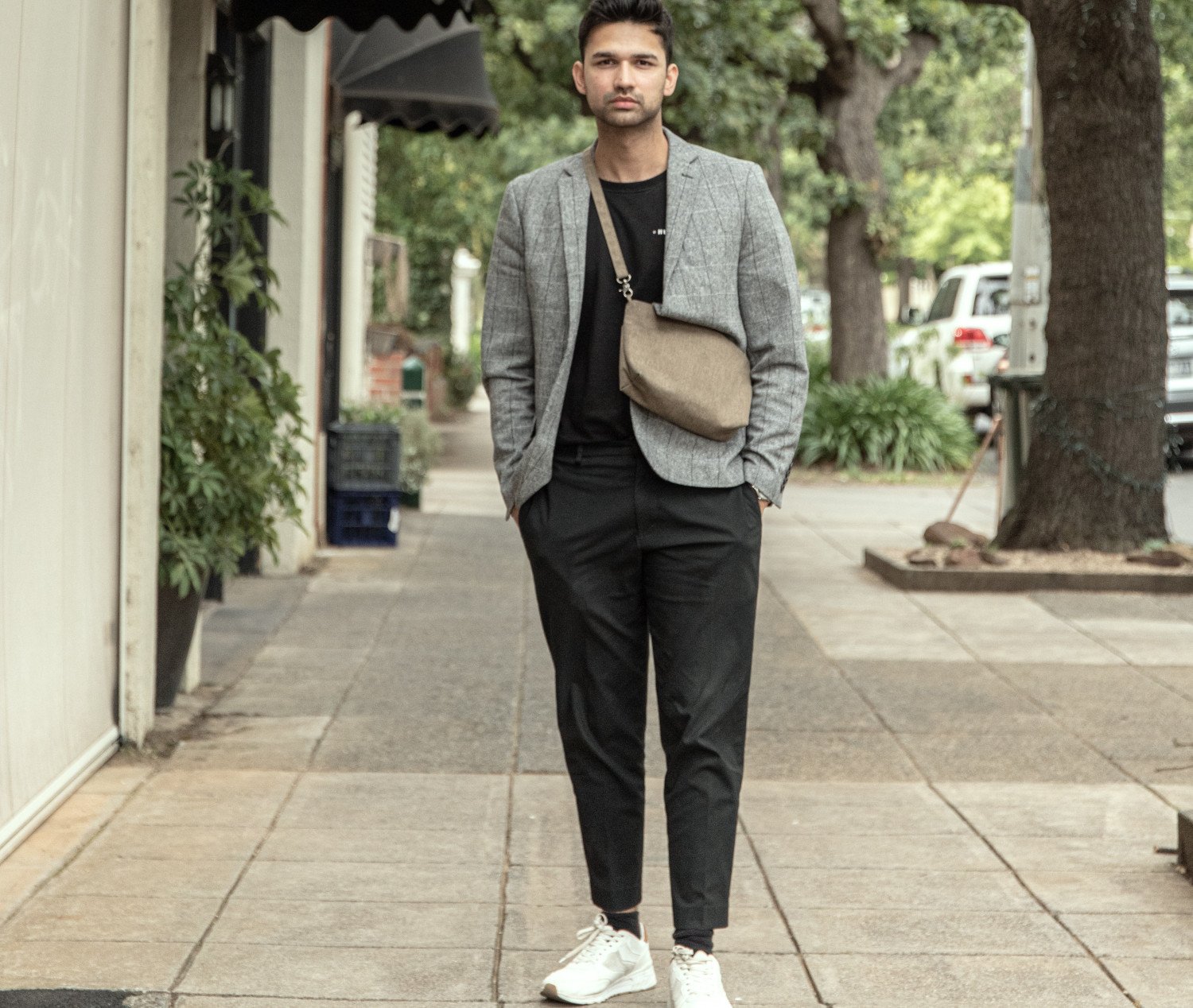
The shirt controls the mood of the outfit. A crisp dress shirt creates a formal look, while a knit polo or casual button-down makes the same pants feel relaxed.
For a classic office outfit, try:
• Charcoal dress pants with a white or pale blue dress shirt
• Navy dress pants with a white, pink, or light gray shirt
• Medium gray pants with a blue Oxford shirt
• Khaki dress pants with a white linen or cotton shirt
A shirt should fit close to the body without stretching across the chest. The shoulder seam should sit near the edge of your shoulder. The collar should close comfortably without pressing into your neck.
For casual styling, leave the top button open. You can also roll the sleeves once or twice, but avoid rolling them too high with formal trousers. A tucked shirt usually looks sharper with dress pants, while an untucked shirt works best when it is designed with a shorter hem.
When deciding how to style dress pants men often make one mistake: pairing formal pants with a very casual shirt. A basic graphic T-shirt can work in some fashion-forward outfits, but it may look disconnected from traditional wool trousers. A plain knit polo, fine-gauge sweater, or textured overshirt is often a better bridge.
Build Outfits by Color
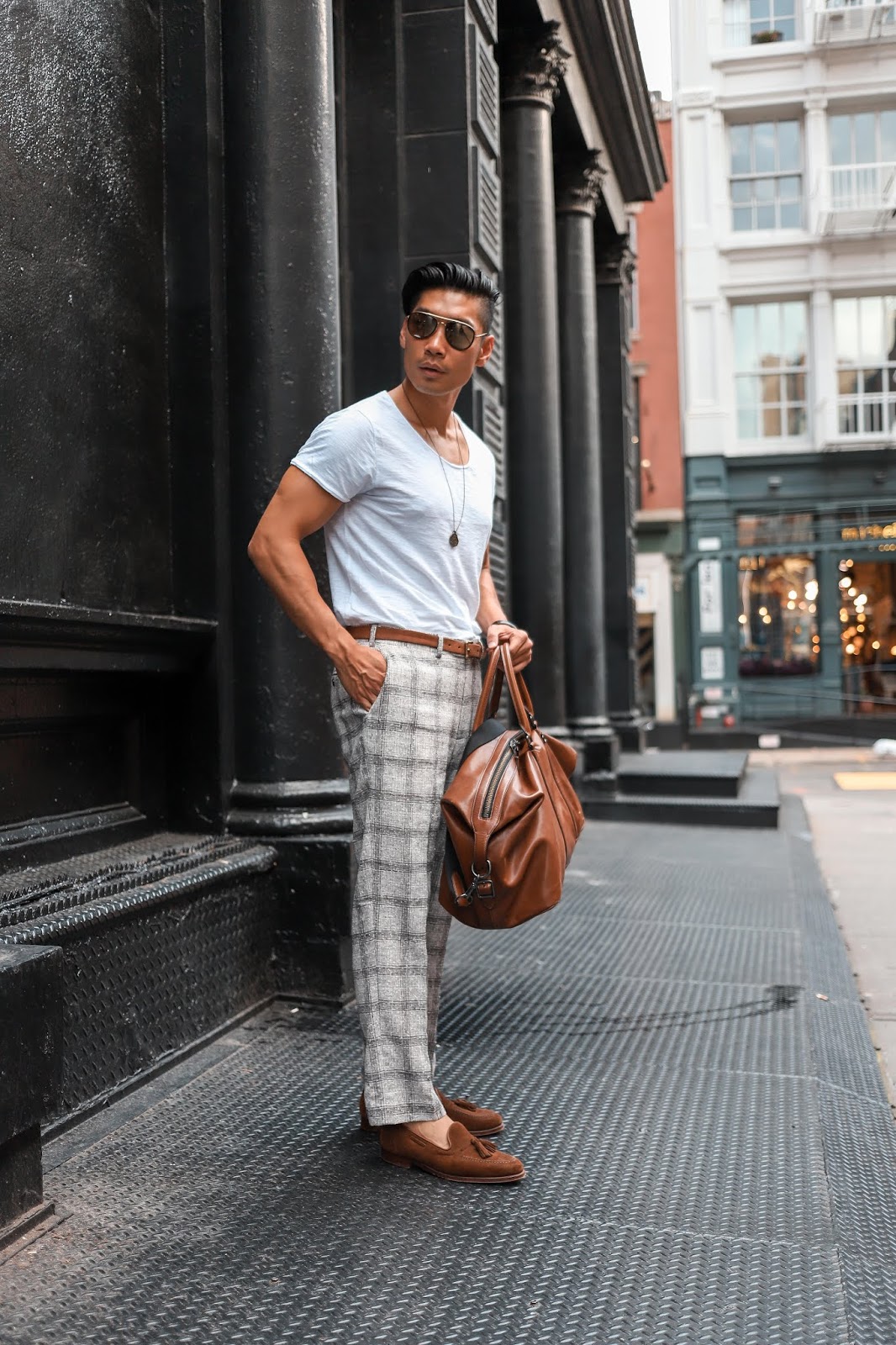
Color coordination does not require complex rules. Start with neutral dress pants, then add contrast through your shirt, shoes, belt, and jacket.
Gray Dress Pants
Gray pants are among the most useful pieces in a men’s wardrobe. Light gray works well with navy, white, pale blue, and soft pastels. Charcoal pants pair easily with white, black, burgundy, forest green, and medium blue.
Gray pants with black shoes create a more formal effect. Brown shoes make the same pants feel warmer and slightly less strict.
Navy Dress Pants
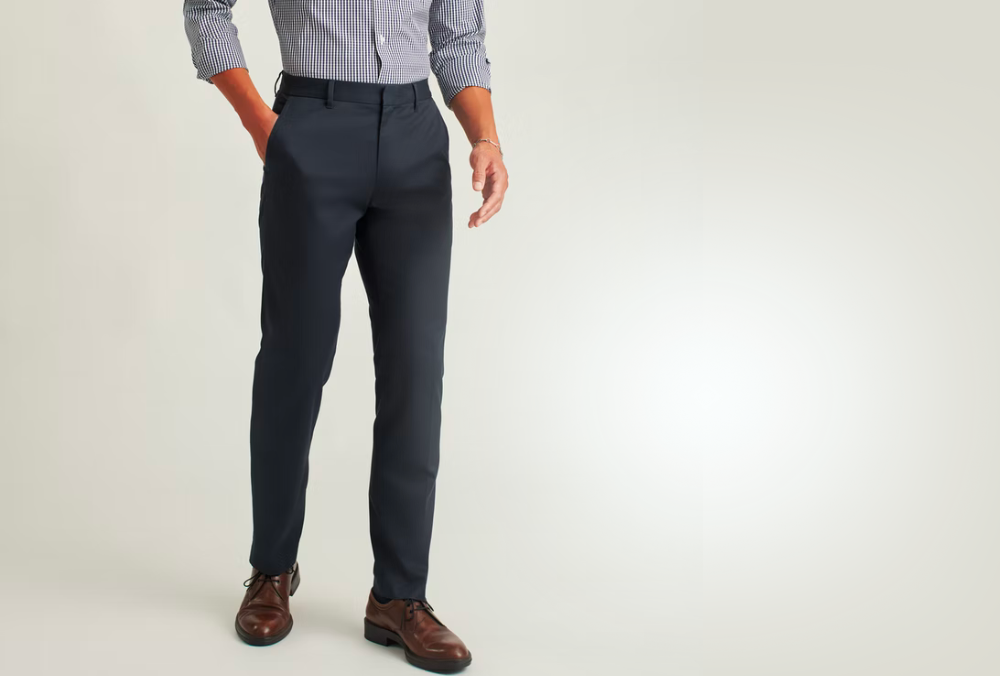
Navy trousers look polished with white, light blue, gray, and muted pink shirts. Brown leather shoes offer classic contrast. Black shoes make the outfit more formal and are useful for conservative offices.
Avoid wearing navy pants with a navy jacket unless the colors and fabrics clearly match. Slightly different navy shades can look like a mismatched suit.
Black Dress Pants
Black pants are best for evening events, formal workplaces, and sleek monochrome outfits. Pair them with a white shirt for contrast or a black knit polo for a modern evening look.
Black pants can seem severe during the day. Softening the outfit with a light blue shirt, gray sweater, or brown textured jacket can make it more approachable.
Tan and Khaki Dress Pants
Tan pants work well in spring and summer. Pair them with white, light blue, olive, navy, or burgundy. Brown loafers, suede chukkas, and clean white leather sneakers can all work, depending on the setting.
The main rule is contrast. If your shirt and pants are almost the same shade, add texture or a darker layer to keep the outfit from looking flat.
Select Shoes That Fit the Occasion
Shoes can change the formality of dress pants more than almost any other item. The pants may stay the same, but the outfit can move from business formal to weekend casual.
Oxfords and Derbies
Black Oxfords are the safest choice for formal business clothing. Brown Oxfords and Derbies work well with gray, navy, and medium-brown pants.
Derby shoes have a more open lacing system and often feel slightly less formal than Oxfords. They are useful for office outfits and dressy social events.
Loafers
Penny loafers and tassel loafers look excellent with cropped or lightly broken dress pants. They work especially well in warm weather and with tailored smart casual outfits.
Wear loafers with no-show socks for a relaxed look, or choose thin dress socks for a more traditional appearance. Avoid going sockless in shoes for long periods, since moisture can damage the lining and create odor.
Boots
Chelsea boots and sleek lace-up boots can work with dress pants in fall and winter. Choose a narrow profile so the footwear does not overpower the trouser leg.
Bulky work boots usually clash with fine wool pants. If you want a rugged look, choose heavier trousers made from flannel, cotton twill, or corduroy.
Sneakers
Minimal leather sneakers can work with casual dress pants. Choose a clean pair with a simple shape and little branding. This combination looks best with cropped or tapered trousers and a casual shirt.
Running shoes, basketball shoes, and heavily worn sneakers usually make dress pants look confused rather than modern.
Coordinate Your Belt, Socks, and Accessories
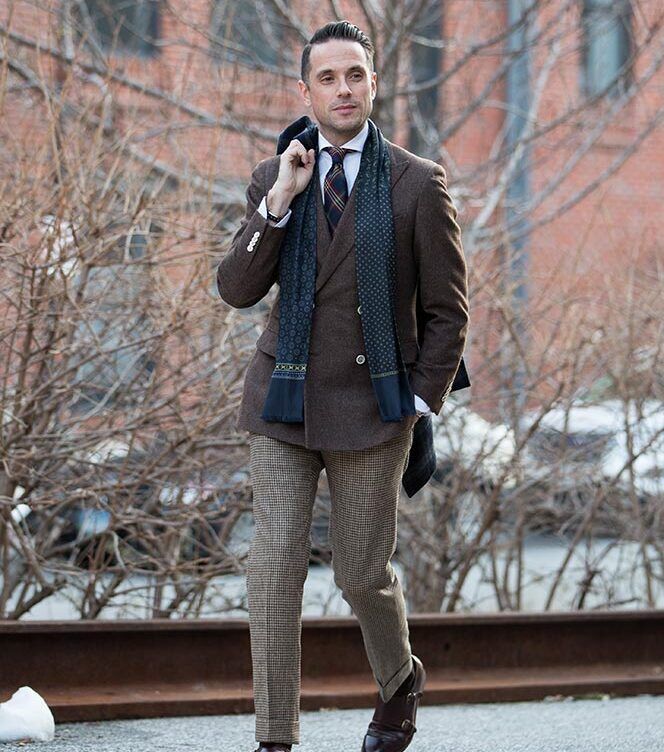
Small details often decide whether an outfit looks complete. Your belt should usually match the general color of your shoes. It does not need to be an exact match, but black shoes with a dark brown belt can look careless.
Socks give you a chance to add color or pattern. For a classic outfit, match your socks to your pants or choose a darker shade. For a more expressive look, use burgundy, navy, green, or a subtle pattern.
Avoid white athletic socks with dress pants unless you are intentionally creating a casual fashion look. They can break the visual line between the trousers and shoes.
Keep accessories simple:
• Use a leather belt for formal or business outfits.
• Choose a pocket square only when it supports the jacket, not when it exactly copies the tie.
• Wear a simple watch with a leather or metal band.
• Keep jewelry limited in conservative workplaces.
• Use suspenders only with trousers designed for them, especially pants with side tabs or suspender buttons.
A belt can also change how your pants sit. If the waistband fits correctly, you should not need to tighten the belt until the fabric gathers.
Add Jackets and Sweaters With Balance
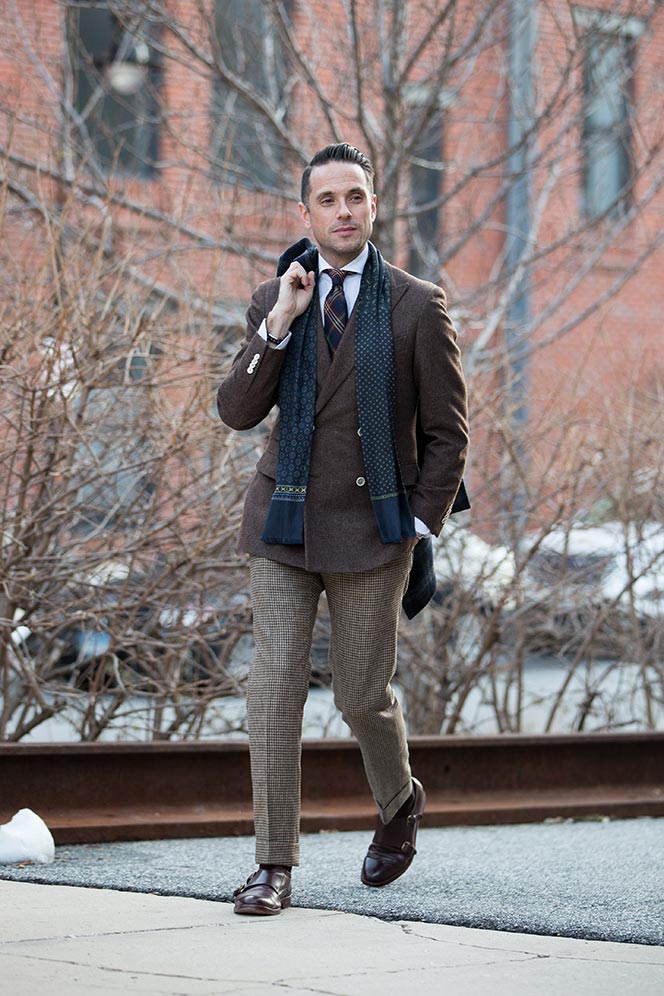
A jacket can make dress pants look more formal, but the jacket should not appear to be a random part of a broken suit. Consider color, fabric, texture, and structure.
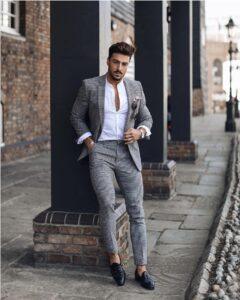
A navy blazer with gray dress pants is a reliable combination. A charcoal jacket with black pants can work for evening wear, but the shades should be clearly different or intentionally matched.
Try these combinations:
• Gray pants, navy blazer, white shirt, and brown loafers
• Navy pants, textured gray jacket, pale blue shirt, and black Derbies
• Tan pants, olive overshirt, white T-shirt, and suede loafers
• Charcoal pants, burgundy sweater, white shirt, and dark brown boots
A fine merino sweater can replace a jacket in a smart casual setting. A crew-neck sweater over a collared shirt looks neat and easy. A turtleneck with wool pants creates a refined fall or winter outfit.
Avoid adding too many strong textures at once. For example, tweed, corduroy, a patterned shirt, and suede shoes may compete for attention. Let one item lead and keep the rest calm.
Dress Pants for Work
Workwear standards vary by industry. A law office, bank, school, creative studio, and restaurant may all define professional clothing differently. When in doubt, dress slightly more formally on your first day and adjust after observing the workplace.
For a traditional office, wear:
• Wool dress pants
• A tucked dress shirt
• Leather Oxfords or Derbies
• A matching belt
• A blazer or conservative suit jacket when needed
For a business casual office, try:
• Chinos or less formal wool trousers
• An Oxford shirt or knit polo
• Loafers, Derbies, or clean leather sneakers
• A cardigan, overshirt, or unstructured blazer
Dress pants should not look shiny, wrinkled, or worn at the knees. Rotate your trousers instead of wearing the same pair every day. Giving wool fabric time to rest can help it recover its shape.
A clothes brush can remove dust and surface lint. Hanging pants from the waistband or using a proper trouser hanger helps reduce creases. Follow the care label before washing or pressing any tailored garment.

Dress Pants for Weddings and Special Events
Wedding attire depends on the invitation, venue, season, and time of day. A dark suit is usually safer than separate dress pants for formal weddings. Separate trousers can work well for cocktail, garden, daytime, or dressy casual events.
For a daytime wedding, consider:
• Light gray pants with a navy blazer
• Tan pants with a pale blue shirt
• Navy pants with a patterned jacket
• Brown loafers or polished Derbies
For an evening event, choose darker colors and sharper shoes. Charcoal, navy, and black trousers create a more refined base.
Do not wear white or ivory trousers unless the dress code clearly supports them. Avoid competing with the wedding party through loud patterns or overly bright colors. The best guest outfit shows respect for the event while still reflecting your personal style.
When considering how to style dress pants men should also think about movement. You may stand, sit, dance, and take photos for several hours. Comfortable trousers and properly fitted shoes will help you look better because you will move with more ease.
Create a Smart Casual Look
Smart casual is where dress pants become especially useful. The key is to mix one polished item with one relaxed item.
Good combinations include:
• Dress pants with a knit polo and loafers
• Wool trousers with a crew-neck sweater and clean sneakers
• Cotton dress pants with an Oxford shirt and suede chukkas
• Pleated trousers with a tucked T-shirt, overshirt, and leather sneakers
The fit should be slightly easier than formal office clothing. A relaxed leg can look modern, but the pants should still have a clean hem and a clear shape.
Try to avoid combining too many casual pieces. Dress pants with a hoodie, athletic sneakers, and a baseball cap may work as streetwear, but it is not a traditional smart casual outfit. If you want a relaxed look, keep at least one or two elements polished.
Common Mistakes to Avoid
Knowing what not to do makes learning how to style dress pants men much easier. Most poor outfits fail because of small details rather than major fashion errors.
• Wearing pants that are too long: Excess fabric creates folds and makes shoes look smaller.
• Choosing pants that are too tight: Pulling at the pockets or thighs signals poor fit.
• Mixing formal and casual items without a bridge: Fine wool pants and old gym shoes rarely look intentional.
• Ignoring the rise: A low rise can make the torso look long and cause the shirt to come untucked.
• Overmatching colors: Matching your shirt, tie, pocket square, and socks too closely can look artificial.
• Using a worn belt: Cracked leather can weaken an otherwise polished outfit.
• Skipping pressing or steaming: Wrinkles around the knees and seat can make pants look tired.
• Keeping items in the pockets: Phones, wallets, and keys can distort the trouser line.
A simple mirror check helps. Stand, sit, and walk before leaving home. Look at the side view as well as the front. Clothing should work when your body moves, not only when you stand still.
A Simple Outfit Formula
If you are unsure how to style dress pants men can start with a reliable formula:
-
Choose a neutral trouser color such as gray, navy, charcoal, or tan.
-
Add a shirt with clear contrast.
-
Select shoes that match the formality of the setting.
-
Match the belt to the shoe family.
-
Add one layer, such as a blazer, cardigan, or overshirt.
-
Check the hem, wrinkles, and pocket shape.
-
Remove anything that feels uncomfortable or overly busy.
Here are three easy examples:
• Office: Charcoal pants, pale blue shirt, navy blazer, black Derbies, and a matching belt.
• Dinner: Navy pants, white knit polo, brown loafers, and a textured jacket.
• Weekend: Tan pants, white Oxford shirt, olive overshirt, and clean leather sneakers.
This formula works because it creates structure without requiring a large wardrobe. One well-fitted pair of gray pants can support several outfits with different shirts, shoes, and jackets.
How to Care for Dress Pants
Care affects both appearance and lifespan. Hang dress pants after wearing them so moisture can escape and the fabric can relax. Use a sturdy hanger that supports the waistband or a hanger designed for trousers.
Brush away dust instead of washing pants too often. Excess washing can weaken fibers, fade color, and change the shape. For wool trousers, follow the care label and use a reputable cleaner when needed.
Steam can remove light wrinkles, but keep the steamer a short distance from delicate fabric. A hot iron can create shine, especially on dark wool. Use a pressing cloth when ironing and test an inside seam first.
Store trousers in a dry, well-ventilated space. Give each pair enough room so the fabric does not remain crushed between other garments.
Frequently Asked Questions About How to Style Dress Pants Men
Can men wear dress pants with sneakers?
Yes, men can wear dress pants with clean, minimal leather sneakers for a smart casual outfit. Choose trousers with a tailored or slightly cropped hem, and avoid bulky athletic shoes.
What color dress pants should every man own?
Gray or charcoal dress pants are the most versatile starting point. They work with white, blue, black, brown, burgundy, and many neutral shades.
Should dress pants be slim or relaxed?
Dress pants should fit close enough to create a clean shape but loose enough for comfortable movement. Straight and tailored cuts suit most men, while relaxed cuts work well when the fabric drapes neatly.
Can you wear a T-shirt with dress pants?
You can wear a plain, well-fitted T-shirt with less formal dress pants for a modern casual look. Add clean sneakers, loafers, or an overshirt to connect the relaxed shirt with the polished trousers.
Should shoes match dress pants?
Shoes do not need to match the pants exactly, but they should suit the outfit’s formality and color balance. Black shoes look formal with charcoal pants, while brown shoes add warmth to gray, navy, and tan trousers.
How long should men’s dress pants be?
Traditional dress pants usually touch the top of the shoe with a slight break. A modern pair may have little or no break, but the hem should not bunch heavily around the ankle.
Conclusion
Learning how to style dress pants men can wear for many settings begins with fit, then moves to color, shoes, shirts, and layers. Gray, navy, charcoal, and tan trousers give you a strong base, while small details such as the hem, belt, socks, and fabric keep the outfit polished.
Start with one well-fitted pair. Try it with a white shirt, a textured sweater, loafers, and clean sneakers. Use the mirror, test the outfit while moving, and adjust one detail at a time. Explore more men’s style guides, and share your favorite dress-pants combination in the comments.
Madison Clark is a footwear expert and the voice behind MyStyleGrid.com. She specializes in honest shoe reviews, style tips, and practical guides to help readers find the perfect pair for any occasion. With years of experience in blogging and content creation, Madison makes footwear knowledge simple, stylish, and easy to follow.