Wear dress pants with the right fit, a balanced shirt, polished shoes, and accessories that suit the occasion.
Knowing how to wear dress pants men can make everyday outfits look sharp without feeling stiff. The key is balance: proper length, clean lines, matching colors, and the right level of formality. This guide explains the fit, fabrics, shoes, shirts, jackets, and styling details that experienced dressers use to create polished looks.
What Are Dress Pants?
Dress pants are tailored trousers made for formal, business, or smart-casual outfits. They often use wool, wool blends, cotton, linen, or synthetic fabrics. Unlike jeans or casual chinos, dress pants usually have a cleaner shape, a smoother finish, and a more refined waistband.
They may include:
• Flat-front trousers with a simple, modern look
• Pleated trousers with extra room through the hips and thighs
• Suit trousers designed to match a specific jacket
• Odd trousers worn with a separate shirt, sweater, blazer, or sport coat
• Tuxedo trousers made for black-tie events
A common mistake is treating every pair of dress pants like suit pants. Suit trousers should usually stay with their matching jacket because the fabric may fade differently when separated. Odd trousers, however, are designed to work with other pieces.
When learning how to wear dress pants men, first identify the pants’ level of formality. A dark wool trouser may suit a business meeting, while light linen pants may work better for a summer dinner.
Start With the Right Fit
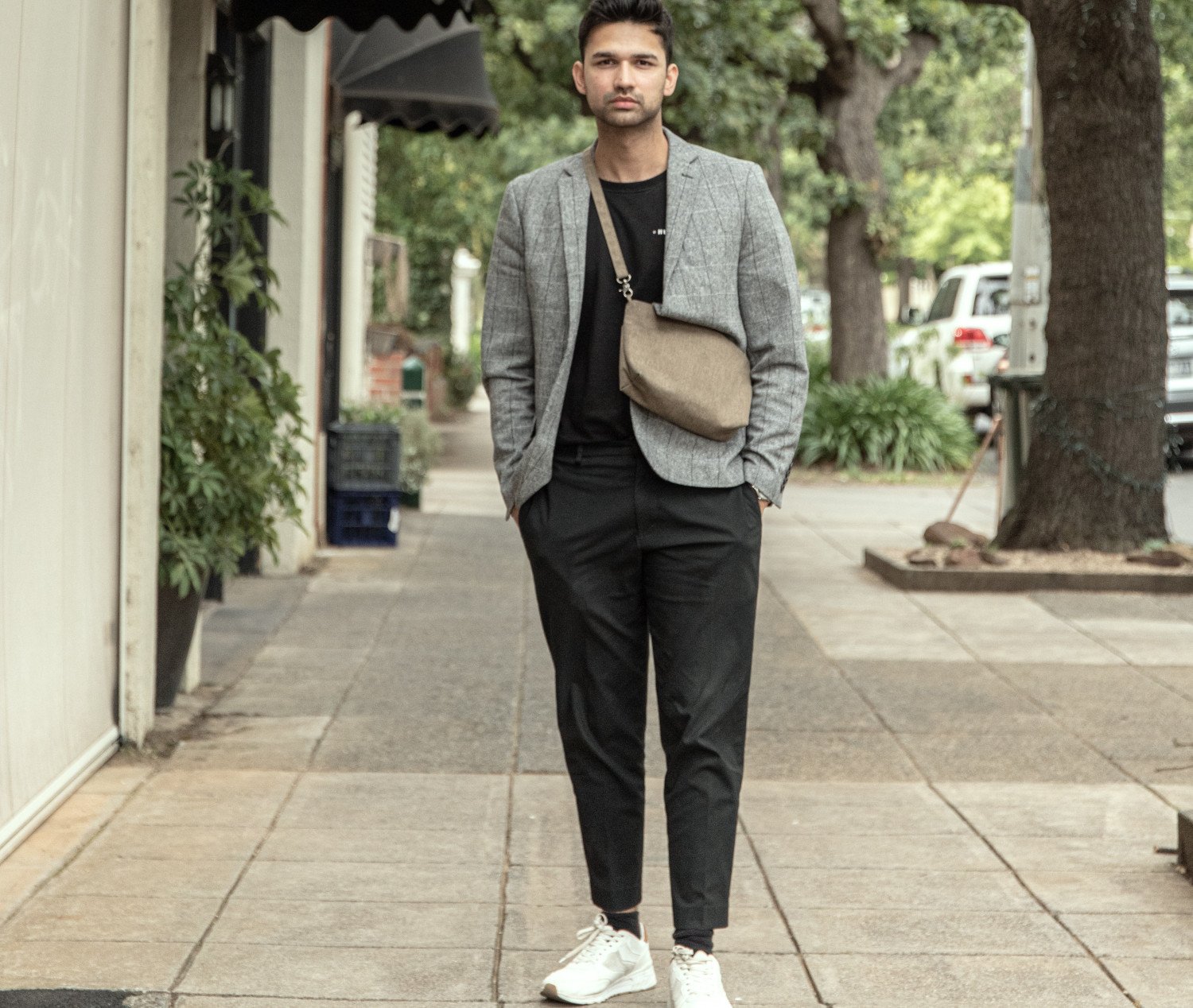
Fit is the foundation of how to wear dress pants men. Even expensive trousers look poor when they pull, bunch, or sag. A good fit should follow your body without clinging to it.
Check these areas before buying:
• Waist: The waistband should sit comfortably without a belt. You should be able to slide one or two fingers between your waist and the pants.
• Seat: The fabric should lie smoothly over your backside. Horizontal pulling often means the pants are too tight.
• Rise: The rise should feel secure without pressing into your stomach or creating excess fabric.
• Thighs: You need room to sit, walk, and climb stairs. Tight thighs can ruin the drape.
• Knees: The trouser leg should fall cleanly without twisting.
• Hem: The bottom should rest neatly over the shoe with little or no bunching.
Dress pants should not feel like leggings. They should also not look like borrowed clothes. The best fit gives you space to move while keeping a clean shape.
In my experience helping men improve their wardrobes, the waist and hem cause the most trouble. Many men buy pants that fit the waist but ignore the length. A tailor can often fix the hem, but major changes to the rise or seat may not be practical.
Understanding the trouser break
The break is the small fold created where the trouser hem meets the shoe.
• No break: The hem barely touches the shoe. This looks modern and sharp but needs a precise hem.
• Half break: The hem creates one small fold. This is the safest choice for business and daily wear.
• Full break: The fabric folds more heavily over the shoe. It can look traditional but may appear untidy on slim trousers.
For most men, a slight or half break offers the best balance. The exact choice depends on your height, build, shoe style, and personal taste.

Choose Dress Pants for the Occasion
The best answer to how to wear dress pants men depends on where you are going. Dress pants can work for a wedding, office, dinner, interview, or relaxed weekend event, but the styling should change.
For the office
Choose medium to dark shades such as:
• Navy
• Charcoal gray
• Medium gray
• Dark brown
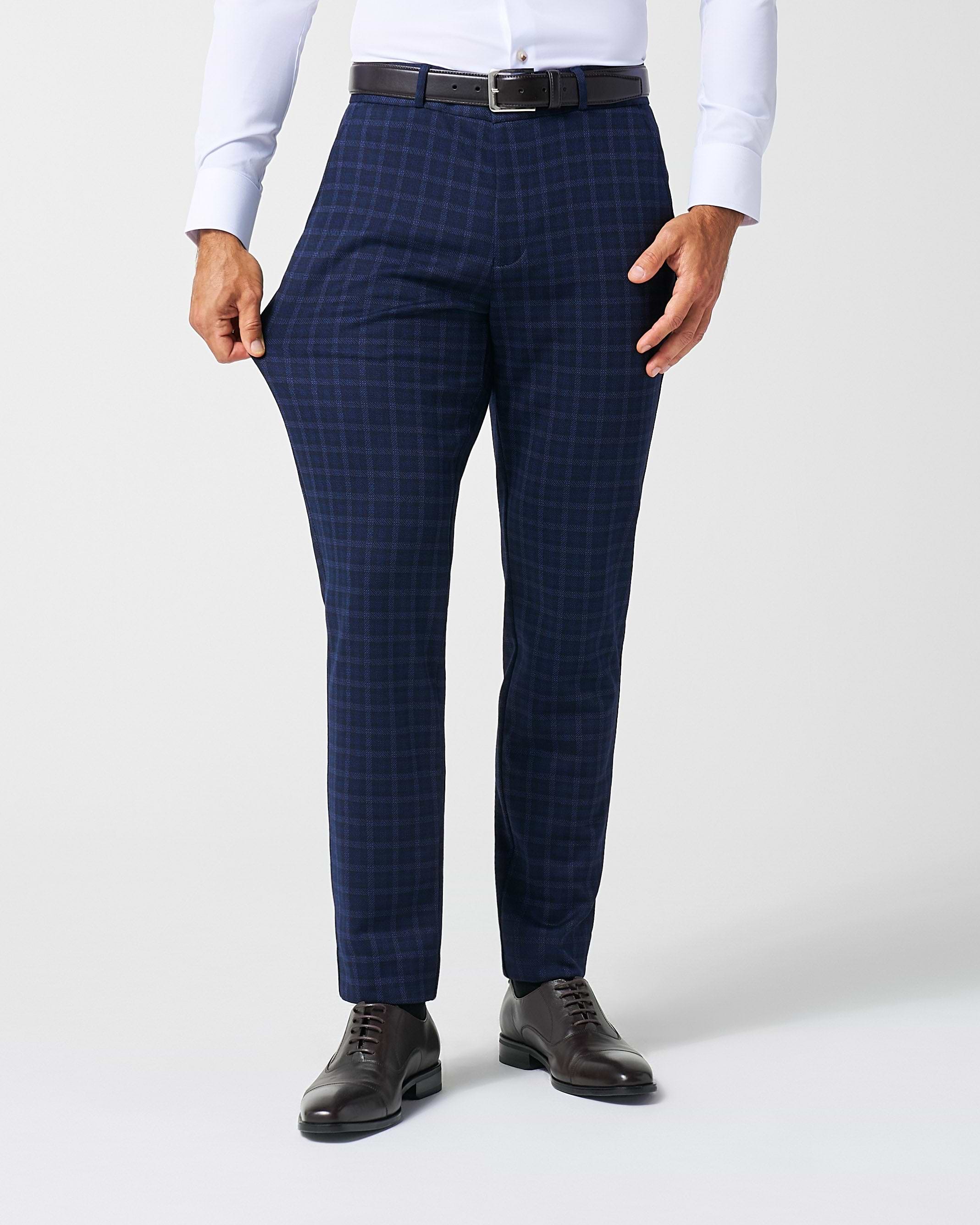
• Subtle gray or blue patterns
Pair them with a dress shirt, leather belt, and leather shoes. Add a blazer when the workplace calls for a stronger professional look.
For a job interview
Keep the outfit simple and conservative. Charcoal or navy dress pants work well with a white or light-blue shirt, dark leather shoes, and a matching belt. A navy blazer with gray trousers is also a reliable choice.
Avoid loud checks, shiny fabric, bright socks, and overly trendy shoes. An interview outfit should support your confidence rather than become the main subject.
For a wedding
Weddings allow more color and texture. You might wear gray wool trousers with a white shirt and navy blazer, or tan dress pants with a light-blue shirt for a warm-weather event.
Always consider the invitation. A black-tie event requires a tuxedo, not regular dress pants. A cocktail dress code allows more flexibility, but the outfit should still look polished.
For a date or dinner
Try dark brown, navy, or charcoal trousers with a knit polo, open-collar shirt, or fine-gauge sweater. Loafers, sleek leather sneakers, or suede shoes can lower the formality without making the outfit look careless.
Match Shirts With Dress Pants
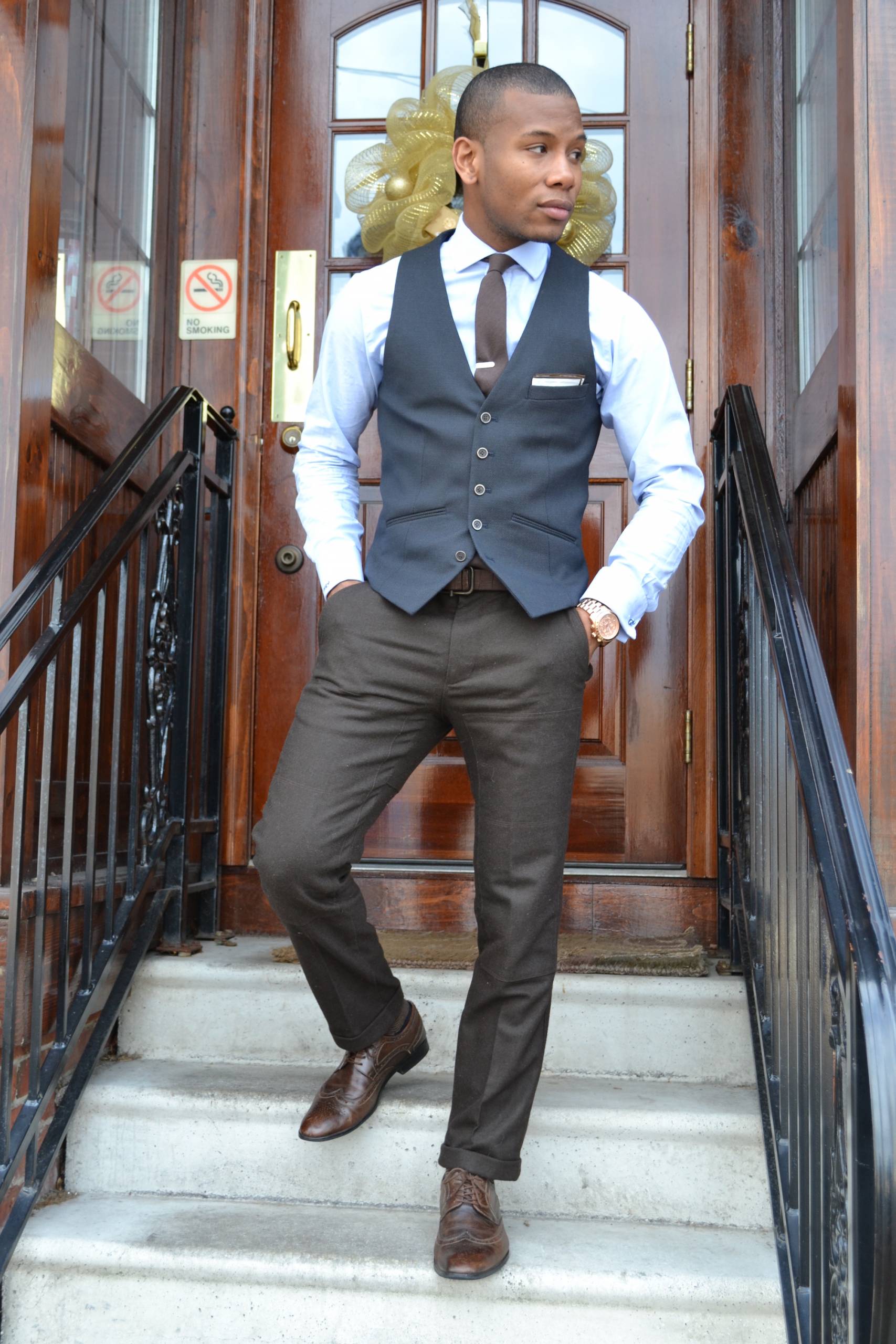
Shirt choice can change the entire mood of your outfit. When considering how to wear dress pants men, think about contrast, texture, and proportion.
White shirts
A white dress shirt is the most flexible option. It works with navy, gray, black, brown, and tan pants. Add a blazer for formal settings or wear it untucked only when the shirt has a shorter casual cut.
Blue shirts
Light blue shirts soften dark trousers and create a classic business look. A blue Oxford shirt can also make gray dress pants feel more relaxed. Dark blue shirts work best with lighter trousers for contrast.
Patterned shirts
Small checks, stripes, and subtle prints add interest. Keep the pants plain when the shirt has a strong pattern. Pairing bold patterns on both the shirt and pants can make the outfit look noisy.
Polo shirts and knitwear
A knit polo or fine sweater can make dress pants suitable for smart-casual settings. Choose a fitted but not tight top. Heavy, oversized sweaters may hide the trouser shape and make the outfit look unbalanced.
A useful rule is to balance volume. Slim or straight dress pants usually pair well with a neat shirt. Wider trousers can handle a slightly fuller sweater or relaxed jacket.

Select the Right Shoes and Belt
Shoes tell people how formal your outfit is. They also affect how the trouser hem falls, so shoe choice matters when learning how to wear dress pants men.
Best shoe options
• Oxford shoes: Best for formal business wear and conservative events
• Derby shoes: Slightly more relaxed and comfortable than Oxfords
• Monk straps: Stylish with business or dressy evening outfits
• Loafers: Excellent for business-casual and smart-casual looks
• Chelsea boots: Strong with wool trousers in cool weather
• Minimal leather sneakers: Appropriate only for relaxed dress pants outfits
Black shoes suit charcoal, black, and navy pants. Brown shoes work well with navy, gray, tan, olive, and brown trousers. Burgundy shoes can add depth to navy or charcoal without looking too bright.
Your belt should be close to the color and finish of your shoes. A black leather belt with brown shoes creates a visible mismatch. For a more modern outfit, you can skip the belt if the pants fit well and have side adjusters.
Avoid athletic running shoes with formal wool pants. The contrast is usually too strong. If you want sneakers, choose a clean, low-profile pair with minimal branding.

Coordinate Colors Without Overthinking
Color coordination does not require a complex fashion system. Start with one main color, one supporting color, and a small accent.
Reliable combinations include:
• Charcoal pants, white shirt, black shoes
• Navy pants, light-blue shirt, brown loafers
• Gray pants, white shirt, navy blazer, burgundy shoes
• Tan pants, white shirt, brown belt, brown loafers
• Dark brown pants, cream sweater, suede shoes
• Olive pants, pale-blue shirt, dark-brown shoes
Dark pants create a sharper appearance. Light pants feel more relaxed and work well in spring and summer. Gray is one of the most useful trouser colors because it works with both cool and warm shades.
If you are unsure, use the contrast rule. Pair dark pants with a lighter shirt, or light pants with a darker top. Similar colors can work, but they need differences in texture or tone to avoid looking flat.
When advising men on how to wear dress pants men, I often recommend building around gray, navy, and tan first. These colors create more outfits than unusual shades and make shopping easier.
Wear Jackets, Blazers, and Sweaters Well
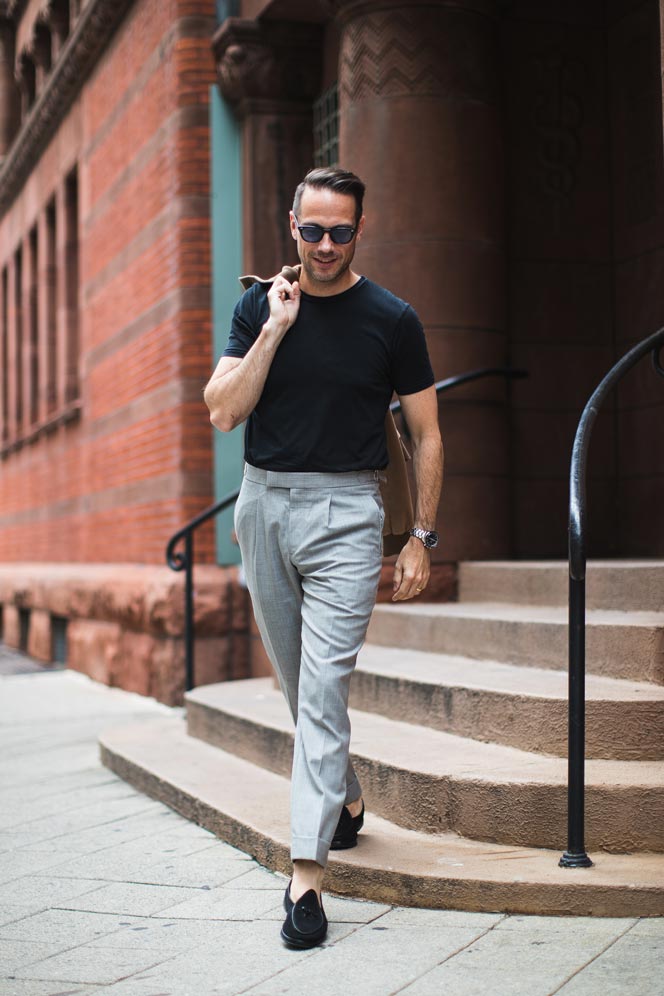
A jacket adds structure and helps dress pants look intentional. However, the jacket must relate to the trousers without pretending to be a matching suit.
Blazer with dress pants
A navy blazer with gray trousers is a classic combination. A charcoal blazer can work with lighter gray or tan trousers. The fabrics should have enough contrast to show that the pieces are separate.
Avoid wearing a jacket that is almost the same color as your pants but not quite the same fabric. This can look like a mismatched suit.
Sport coats
Sport coats often include texture or patterns, such as herringbone, checks, or a soft wool weave. Wear them with plain dress pants to keep the outfit balanced.
Sweaters
A merino wool crewneck, V-neck, or cardigan can create a polished cold-weather outfit. Wear a collared shirt under the sweater when you want a more traditional look.
A turtleneck can work with tailored trousers for an elegant evening outfit. Keep the pants clean and structured so the relaxed neckline still feels refined.
Get the Details Right
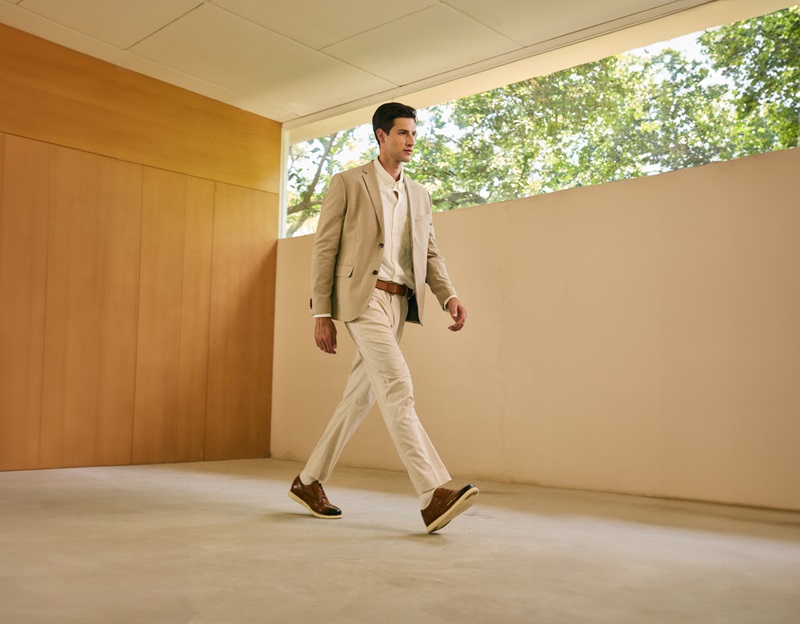
Small details often separate a good outfit from a great one. They also show that you understand how to wear dress pants men rather than simply putting on formal trousers.
Socks
Your socks should cover your ankle when you sit. Dark socks are the safest choice, but subtle patterns can add personality. Match socks to the pants more often than to the shoes because this creates a longer visual line.
No-show socks may work with loafers in warm weather, but only when the setting is casual enough. Bare ankles and formal trousers usually clash.
Pleats and cuffs
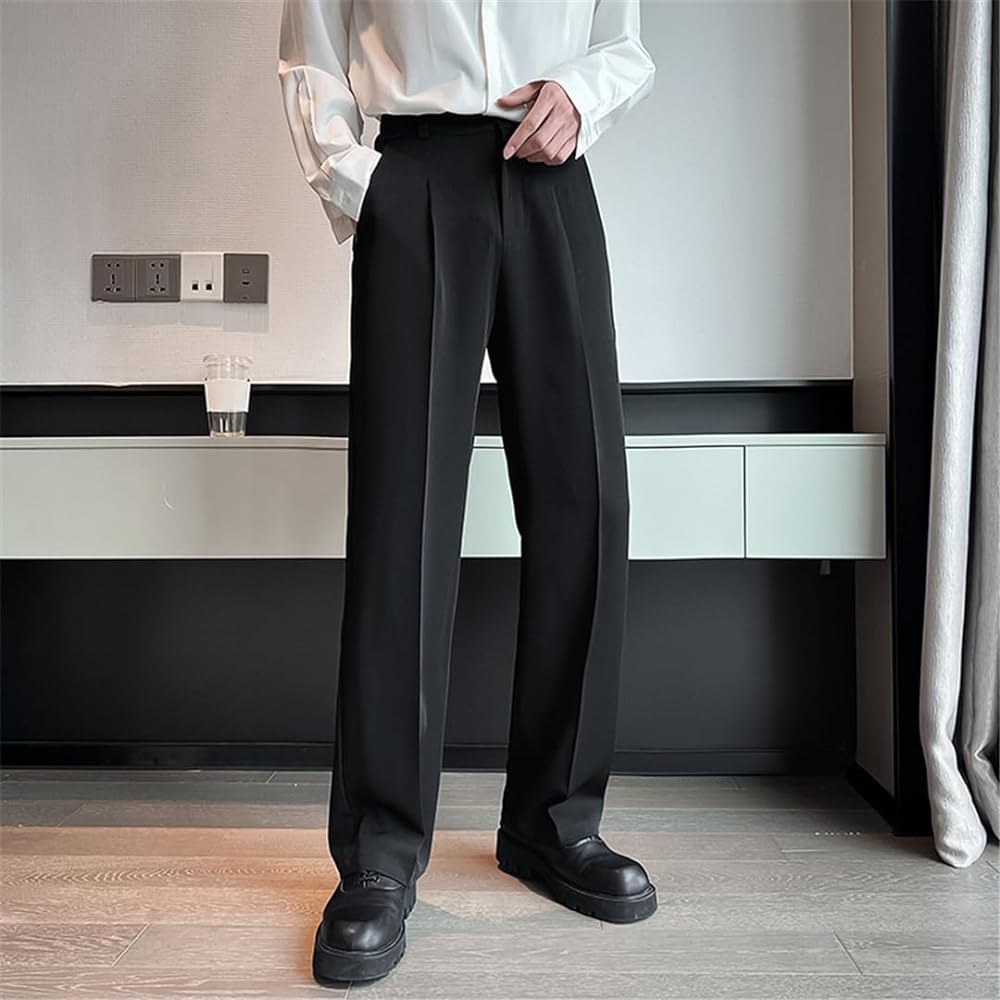
Pleated pants can look excellent when they fit correctly. They offer comfort and a classic shape, especially for men with fuller thighs or a preference for a higher rise. Flat-front trousers create a cleaner, simpler line.
Cuffs add weight to the hem and can help trousers drape well. They usually suit classic or relaxed tailoring more than highly formal eveningwear. Your height and trouser width also matter.
Pockets
Do not fill your pockets with a large wallet, phone, keys, and loose items. Heavy pockets distort the fabric and create unwanted bulges. Carry only what you need, or use a slim cardholder.
Shirt tucking
Tuck in a traditional dress shirt. If the shirt is designed for casual wear and has a short, even hem, it may be worn untucked with relaxed dress pants. The hem should not fall too low or cover the entire seat.
Care for Dress Pants
Proper care protects the fit and helps dress pants last longer. Wool trousers, in particular, benefit from careful handling.
Follow these habits:
• Check the care label before washing or pressing.
• Hang pants from the waistband or a quality trouser hanger.
• Let wool pants rest between wears.
• Brush away dust with a soft clothes brush.
• Use a steamer for light wrinkles.
• Press with a cloth when ironing delicate fabric.
• Avoid washing dry-clean-only trousers at home.
• Empty pockets before storage or cleaning.
Frequent dry cleaning can stress some fabrics, so clean dress pants when they truly need it rather than after every wear. Airing them out and brushing them may be enough after a normal day.
One lesson I learned early is that poor storage can ruin a good pair of pants faster than normal wear. Folding trousers over a thin hanger often creates harsh lines. A proper hanger keeps the waistband and crease in better shape.
Common Mistakes to Avoid
Even men who own good clothes can miss the mark with small styling errors. Avoid these common problems when learning how to wear dress pants men.
• Wearing pants that bunch heavily at the ankle
• Choosing a belt that does not match the shoes
• Mixing formal pants with worn athletic sneakers
• Overfilling the pockets
• Wearing a suit jacket with unrelated trousers
• Combining too many bold colors or patterns
• Ignoring the care label
• Wearing a shirt that is too long when untucked
• Choosing pants that are tight through the seat or thighs
• Allowing the waistband to sag below the natural waist
The biggest mistake is chasing trends before mastering fit. A simple outfit with excellent proportions will look better than a fashionable outfit that pulls, sags, or bunches.
If the pants are close but not perfect, visit a tailor. Hemming is one of the easiest and most useful alterations. Waist adjustments can also help, while major changes to the seat or rise may be more costly.
Simple Outfit Formulas
Outfit formulas make how to wear dress pants men easier on busy mornings. Use these combinations as starting points, then adjust them for your workplace and personal style.
Business classic
• Charcoal dress pants
• White or light-blue dress shirt
• Navy blazer
• Black or dark-brown leather shoes
• Matching leather belt
Smart-casual office
• Navy trousers
• Oxford shirt
• Brown loafers
• Leather belt or side adjusters
• Optional knit blazer
Summer dinner
• Light gray or tan dress pants
• White linen or cotton shirt
• Brown loafers
• Lightweight blazer if needed
Cool-weather outfit
• Gray wool trousers
• Cream merino sweater
• White shirt
• Brown Chelsea boots
• Textured sport coat
Modern relaxed look
• Pleated wide-leg trousers
• Fine-gauge knit polo
• Minimal leather sneakers
• Simple watch
For each outfit, check three things in a mirror: the shoulder line of the top, the length of the pants, and the relationship between the shoes and belt. These checks take less than a minute and prevent most styling problems.
Frequently Asked Questions About How to Wear Dress Pants Men
Should dress pants be tight or loose?
Dress pants should fit close to the body without pulling across the waist, seat, or thighs. You need enough room to sit and move, but excess fabric can make the outfit look sloppy.
Can men wear dress pants without a belt?
Yes, men can wear dress pants without a belt when the waist fits properly. Side adjusters, a clean waistband, or well-fitted trousers can create a polished look without one.
What shoes look best with dress pants?
Oxfords, Derbies, loafers, monk straps, Chelsea boots, and clean leather sneakers can work with dress pants. Choose the shoe based on the formality of the trousers and the occasion.
Should a shirt be tucked into dress pants?
A traditional dress shirt should usually be tucked into dress pants. A shorter casual shirt, polo, or knit top may be worn untucked if the hem is designed for that style.
What color dress pants should every man own?
Most men should start with charcoal, navy, and medium-gray trousers. These colors pair easily with white, blue, cream, brown, and patterned shirts.
Can you wear a blazer with dress pants?
Yes, a blazer can look excellent with dress pants when the colors and fabrics have clear contrast. A navy blazer with gray trousers is one of the most dependable combinations.
How long should dress pants be?
Dress pants should reach the shoe with little or no bunching. A slight or half break is a versatile choice for most men, while a no-break hem creates a sharper modern look.
Conclusion
Learning how to wear dress pants men comes down to fit, balance, and context. Choose trousers that sit comfortably, keep the hem clean, match your shoes and belt, and select shirts or jackets that suit the occasion.
Start with versatile colors such as navy, gray, and charcoal. Then build simple outfits with well-fitted shirts, polished shoes, and restrained accessories. Try these combinations in your own wardrobe, adjust the fit with a trusted tailor, and share your favorite dress-pants styling tip.

Madison Clark is a footwear expert and the voice behind MyStyleGrid.com. She specializes in honest shoe reviews, style tips, and practical guides to help readers find the perfect pair for any occasion. With years of experience in blogging and content creation, Madison makes footwear knowledge simple, stylish, and easy to follow.