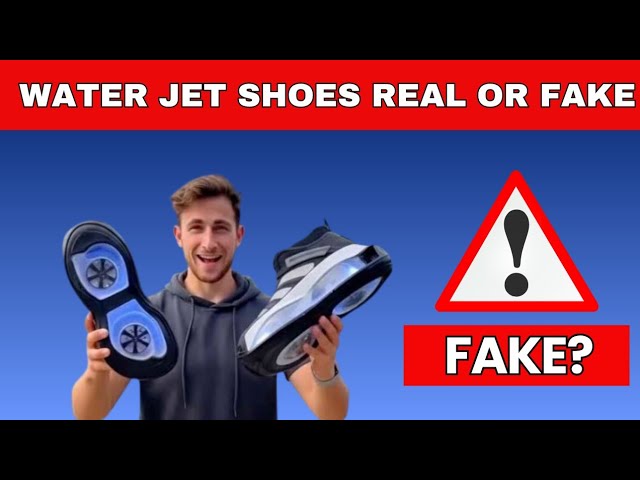
Yes, water jet shoes are real, but they need a strong water pump and careful safety control.
The phrase “water jet shoes” often describes water-powered boots or flyboard-style devices that lift a person above the surface. They look like ordinary shoes in videos, but the technology is closer to a personal watercraft, hose system, and balance board working together. This guide explains how they work, what is real, what is exaggerated, and what to check before trying them.
What Are Water Jet Shoes?
Water jet shoes are wearable water devices that push high-pressure water downward. That force creates upward lift, much like a rocket moves up by pushing gas down. The shoes may let a rider hover, move forward, or rise several feet above the water.
Most real designs are not fully self-contained shoes. They usually connect to a personal watercraft through a long, flexible hose. The watercraft supplies the pump power, while the rider controls balance and direction with body movements or hand controls.
Some products use two separate foot platforms. Others resemble boots attached to a board or frame. The name “water jet shoes” is often used loosely for flyboards, jet boots, water hoverboards, and similar water-powered gear.
How Do Water Jet Shoes Work?
The basic idea is simple: pressurized water exits through nozzles under the rider’s feet. The water moves downward, and the equal opposite force pushes the rider upward. This is the same basic physics behind a jet boat, although the equipment and control method differ.
A typical setup includes:
• A personal watercraft with a powerful engine and pump
• A large hose that carries water from the craft
• A foot-mounted board, boot, or jet nozzle system
• Foot straps or bindings that keep the rider connected
• Hand or body controls for steering and balance
The pump must move a large volume of water. A small garden pump cannot create enough thrust to lift an adult. This is why real water jet shoes require specialized equipment and a trained operator.
Riders usually control movement by shifting their weight. Leaning forward can move the device ahead, while leaning back may slow it down. Turning often requires small changes in foot angle and body position.
Learning can feel strange at first. The water pushes back hard, and even a small movement can change your direction. Beginners usually start close to the surface before trying higher jumps or turns.

Are Water Jet Shoes Real or Just a Viral Video Trick?
Water jet shoes are real, but many online videos can create the wrong impression. Some clips use unusual camera angles, slow motion, or skilled riders who make the device look easy. Other videos show prototypes, edited demonstrations, or entertainment equipment that is not available to the public.
A real water-powered shoe system should have a visible source of water pressure. Look for a personal watercraft, pump, hose, or other large power unit nearby. If a video shows someone rising from calm water with no clear pump or hose, treat the claim with caution.
There are also compact jet devices that look more like shoes than flyboards. However, they still need a strong power source. Current consumer technology does not allow ordinary shoes to lift a full-size person from a lake using hidden, tiny motors.
The most accurate answer to “are water jet shoes real” is yes, but the name can be misleading. They are real water-propelled devices, not magic shoes that work anywhere without support equipment.

Types of Water Jet Shoes and Similar Devices
Not every water-powered flying device works in the same way. Knowing the differences can help you understand product videos and avoid false claims.
Flyboards
A flyboard has two foot bindings attached to a board with water nozzles beneath it. A hose links the board to a personal watercraft. Flyboards can lift riders above the water and allow basic forward, backward, and turning movements.
They are among the best-known examples of water jet shoes, even though they are more like a powered board than a shoe.
Jet boots
Jet boots place the water nozzles closer to the rider’s feet. They may offer a more direct feeling of control, but they still need a pump and hose in most practical designs.
Jet boots can be harder for beginners because the rider must control two separate thrust points while keeping both legs stable.
Water hoverboards
A water hoverboard uses a board beneath the rider’s feet and directs water through a nozzle. It can support tricks, spins, and jumps when used by an experienced rider.
The board shape may make it easier to balance than separate shoes, but it still carries the same risks as other high-thrust water devices.
Electric water shoes
Some companies have explored battery-powered underwater propellers and compact water propulsion systems. These products may move a swimmer forward, but they generally do not provide enough thrust to lift an adult high above the water.
Marketing may call them water jet shoes, even when they are only swim-assist devices.

Why Do Water Jet Shoes Lift a Person?
Lift depends on thrust, water flow, rider weight, and device design. A heavy rider needs more force than a light rider. The pump must move enough water at enough speed to overcome gravity and keep the system stable.
The nozzles also matter. Their angle affects whether the rider goes up, forward, or sideways. If the thrust points straight down, the rider rises. If it points slightly backward, the rider moves forward while gaining lift.
Balance is just as important as power. The rider’s body acts like a control system. Small shifts in the hips, knees, and feet help keep the center of mass over the thrust points.
This is why water jet shoes are not simple footwear. They combine fluid pressure, engine power, body control, and training. The shoes provide the contact point, but the full machine includes every part of the system.

Benefits of Water Jet Shoes
Water jet shoes can offer a unique recreational experience. They combine the feeling of flying with the movement of a jet ski, which makes them popular at resorts, beaches, and water sports centers.
Common benefits include:
• A new way to enjoy lakes, rivers, and coastal water
• A strong sense of movement and freedom
• Opportunities to learn balance and body control
• Exciting photos and videos for special events
• A guided activity for people who want something beyond tubing or skiing
They can also provide a practical lesson in physics. Riders quickly see how force, pressure, and body position affect movement. That hands-on experience can make science easier to understand.
Still, the fun depends on proper instruction. A short lesson can make the difference between a controlled ride and a stressful fall. The best operators teach basic balance close to the surface before allowing higher movement.

Risks and Limitations of Water Jet Shoes
Water jet shoes are exciting, but they are not risk-free. The main dangers come from height, speed, water impact, equipment failure, and nearby boats or swimmers.
Possible risks include:
• Falling onto the water from several feet up
• Hitting the bottom in shallow water
• Colliding with another person or watercraft
• Losing balance when the pump changes power
• Foot, ankle, or knee strain from bindings
• Hose movement near the rider or personal watercraft
• Cold-water shock or fatigue
A helmet and properly fitted flotation device are essential. A life jacket must fit well and remain secure during movement. Some operators may require additional protective gear, such as water shoes or impact protection.
Water depth matters too. Operators should use a clear area with enough depth for the equipment and the rider. The exact depth depends on the device, local rules, and the operator’s safety plan.
People with heart problems, balance disorders, serious joint injuries, or other medical concerns should ask a health professional before participating. Pregnant people and young children may need to avoid the activity altogether.

Are Water Jet Shoes Safe for Beginners?
Water jet shoes can be reasonably safe for beginners when a trained operator controls the system and the rider follows basic rules. They are not safe to use casually without instruction, suitable water, and proper equipment.
A first session should usually include:
-
A safety briefing
-
A life jacket and helmet check
-
A review of hand signals or communication methods
-
Practice controlling the device close to the water
-
Simple movement before higher flights
-
A clear plan for falling and stopping
Falling is part of the learning process. Riders should learn to release tension, follow the operator’s instructions, and avoid trying to stand up too quickly after entering the water.
In my own review approach to water sports equipment, the most common mistake is focusing on the thrill before checking the operator. A good instructor explains the controls, checks the gear, watches the weather, and refuses to rush a nervous beginner. That standard matters more than flashy equipment.

How Much Do Water Jet Shoes Cost?
The cost depends on whether you book a short ride, rent equipment, or buy a complete system. A guided session may cost from roughly $100 to several hundred dollars in the United States, depending on the location, duration, and equipment.
Buying a full setup can cost much more. You may need:
• A flyboard or jet boot system
• A compatible personal watercraft
• A high-pressure hose
• Safety equipment
• Storage and transport
• Maintenance and replacement parts
• Insurance, permits, or operator training
The advertised price may cover only the board or boots. It may not include the watercraft, pump system, shipping, taxes, or safety gear.
For most first-time users, a supervised rental is the smarter choice. It lets you test the activity before spending thousands of dollars on equipment that may require regular upkeep.
How to Choose a Water Jet Shoe Experience
If you want to try water jet shoes, research the operator before making a booking. A professional business should explain the equipment, location, age rules, weather policy, and safety process in clear language.
Check for:
• Experienced instructors
• Proper helmets and life jackets
• Clean and well-maintained equipment
• A suitable launch area
• Clear communication between rider and operator
• Good customer reviews that mention safety
• Transparent pricing
Ask whether the instructor controls the personal watercraft during the session. Many beginner experiences use a trained boat operator who adjusts the water pressure while the rider learns to balance.
You should also ask what happens if the weather changes. Strong wind, lightning, rough waves, or poor visibility can make the activity unsafe. A trustworthy operator will reschedule rather than push ahead.
Common Mistakes to Avoid
Many problems with water jet shoes come from poor preparation rather than the basic design. Avoid these common errors:
• Buying a cheap product without checking its power source
• Assuming a small battery can lift an adult
• Riding without a helmet or flotation device
• Using the equipment in shallow or crowded water
• Ignoring weight limits
• Trying advanced tricks during a first session
• Failing to inspect straps, hoses, and connections
• Trusting a video without checking how the device is powered
Never attach yourself to a homemade high-pressure water system. A mistake in hose design, pressure control, or binding release can cause serious injury.
It is also wise to avoid devices with unclear instructions or no visible company support. Real water jet shoes need careful engineering because the rider depends on the pump, hose, nozzles, and controls at the same time.
What My Testing Perspective Reveals
When I assess unusual water sports gear, I look past the dramatic video and focus on the full system. The key question is not only whether the shoes produce thrust. It is whether the device remains stable, serviceable, and safe for the person using it.
One practical lesson is that control feels harder than expected. The water pressure may be strong, but strong thrust does not automatically mean smooth control. Beginners often tense their legs, overcorrect, and lose balance.
A better approach is to keep the knees slightly bent, look ahead, and make small movements. The goal is to guide the force, not fight it. Think of the water stream as a moving floor that responds to your weight.
Another lesson is to respect the operator’s signals. If the instructor reduces power or asks you to return to the water, follow that direction at once. A calm, controlled session is far more enjoyable than chasing height too soon.
Frequently Asked Questions About Are Water Jet Shoes Real
Are water jet shoes real?
Yes, water jet shoes are real water sports devices. Most use a personal watercraft, pump, and hose to send high-pressure water through nozzles beneath the rider’s feet.
Do water jet shoes work without a hose?
Most lift-producing water jet shoes need a hose or another large external power system. Small battery-powered devices may assist swimming, but they usually cannot lift an adult above the water.
Can anyone use water jet shoes?
Many healthy adults can try them with professional instruction, but age, weight, health, and local rules may limit access. Always follow the operator’s requirements and disclose medical concerns before riding.
How high can water jet shoes go?
Some systems can lift a rider several feet above the water, while advanced devices may go higher. The safe height depends on the equipment, rider skill, water depth, weather, and operator control.
Are water jet shoes dangerous?
They can cause injury if used without training, protective gear, or enough open water. Professional supervision, a helmet, a properly fitted life jacket, and careful equipment checks reduce the risk.
Are water jet shoes the same as a flyboard?
They are closely related, but the names are not always used consistently. A flyboard is usually a board with foot bindings connected to a watercraft, while water jet shoes may refer to boot-style or foot-mounted systems.
Can you buy water jet shoes for home use?
You can buy some systems, but ownership requires much more than the boots or board. You may also need a compatible personal watercraft, pump hose, safety gear, training, storage, and legal permission to operate.
Conclusion
Water jet shoes are real, but they are not ordinary shoes with hidden power. They are part of a larger water propulsion system that often includes a personal watercraft, high-pressure hose, foot bindings, and trained supervision.
The safest way to try them is through a reputable operator with clear rules, proper gear, and beginner instruction. Check the power source, inspect the equipment, respect weather and water limits, and do not trust dramatic videos without understanding how the device works.
If you are curious, book a guided session before buying equipment. Explore local operators, compare safety standards, and share your questions or experience in the comments.

Rubel Miah is the Senior Editor at MyStyleGrid.com, where he brings a sharp editorial eye and an unshakable love for fashion to everything he does. A true style addict, Rubel lives and breathes trends, from streetwear to high fashion, and has a knack for turning inspiration into impactful stories. With years of experience in fashion journalism and digital media, he curates content that empowers readers to express themselves through style. When he’s not editing features or forecasting the next big thing, you’ll find him hunting down vintage pieces or capturing street style moments around the city.