Clean rubber sandals with warm water, mild soap, a soft brush, and thorough air-drying.
Knowing how to clean rubber sandals helps remove dirt, sweat, stains, and odor without damaging the material. This guide shares safe methods for daily cleaning, deep stains, white rubber, footbeds, straps, and long-term care, based on practical use and standard care guidance.
Why rubber sandals need regular cleaning
Rubber sandals resist water, but they still collect dust, mud, sweat, skin oils, and bacteria. These materials can settle into the tread and textured footbed. Over time, sandals may look dull, feel sticky, or develop an unpleasant smell.
Regular cleaning also helps protect the rubber surface. Dirt can act like fine sandpaper when you walk, especially on rough paths or concrete. A quick wash after heavy use is often enough to keep rubber sandals fresh.
Clean your sandals more often when you:
• Wear them in sand, mud, or rain
• Use them without socks
• Notice a strong odor
• See dark marks or a dull film
• Store them while they are still damp
In my own cleaning tests, the biggest mistake was waiting too long. Fresh dirt came off with soap and water, while old grime needed gentle brushing and more time. Cleaning rubber sandals early saves effort and lowers the risk of stains becoming permanent.
What you need to clean rubber sandals
You do not need expensive products to clean rubber sandals. Common items from your home work well when used with care.
Gather these supplies:
• A bowl or sink
• Warm water
• Mild dish soap or gentle laundry detergent
• A soft-bristled toothbrush or shoe brush
• A microfiber cloth or soft sponge
• An old towel
• Baking soda for odor control
• A clean, dry place for air-drying
Avoid harsh chemicals unless the sandal maker allows them. Strong bleach, acetone, paint thinner, and abrasive powders may dry out, discolor, or weaken rubber. They can also damage printed designs, glue, or colored straps.
Use warm water, not very hot water. Excess heat may change the shape of some sandals or loosen glued parts. If your sandals contain foam, leather, fabric, cork, or metal details, check the care label before soaking them.

How to clean rubber sandals step by step
This basic method works for most solid rubber sandals. It is also a safe starting point for flip-flops, pool slides, and rubber-soled beach sandals.
1. Remove loose dirt
Take the sandals outside and tap the soles together. Use a dry, soft brush to remove loose sand, soil, and small stones from the tread.
Do not skip this step. Scrubbing wet grit into the rubber can create small scratches and spread mud across the sandal.
2. Make a mild cleaning solution
Fill a bowl with warm water. Add a small amount of mild dish soap or gentle detergent.
A few drops are enough. Too much soap can leave a slippery film that attracts more dust.
3. Wash the upper and footbed
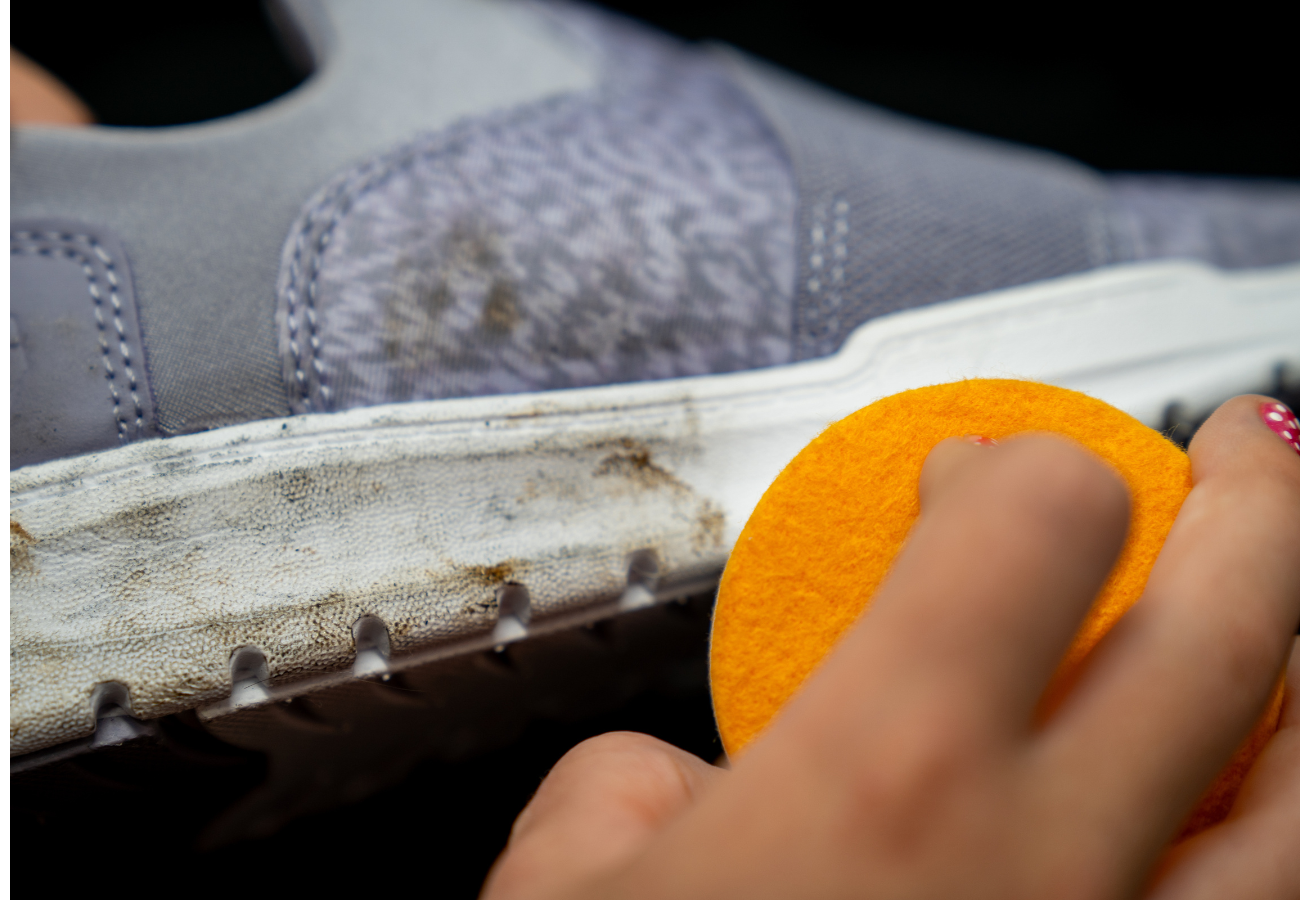
Dip a soft sponge into the solution and squeeze out extra water. Wipe the straps, upper surface, sides, and footbed.
For textured areas, use a soft toothbrush. Move the brush in small circles, then follow the grooves in the tread. This helps lift dirt without rough treatment.
4. Treat the sole
pay close attention to the bottom of the sandal. Dirt in the tread can reduce grip on wet floors.
Brush each groove with the soapy brush. If a pebble is stuck, lift it out with the edge of a plastic card or a wooden toothpick. Avoid sharp metal tools that may cut the rubber.
5. Rinse well
Rinse the sandals under cool or lukewarm running water. Make sure no soap remains in the footbed or tread.
Soap residue can make the surface feel tacky. It may also attract dust after the sandals dry.
6. Dry them correctly
Blot the sandals with a clean towel. Then place them in a cool, shaded area with good airflow.
Do not put rubber sandals on a radiator, near a heater, or in strong direct sunlight for hours. Heat may cause warping, fading, cracking, or separation. Let both sides dry fully before wearing or storing them.
This six-step method is the best answer for most people asking how to clean rubber sandals. It is simple, low risk, and gentle enough for regular care.
How to remove stains from rubber sandals
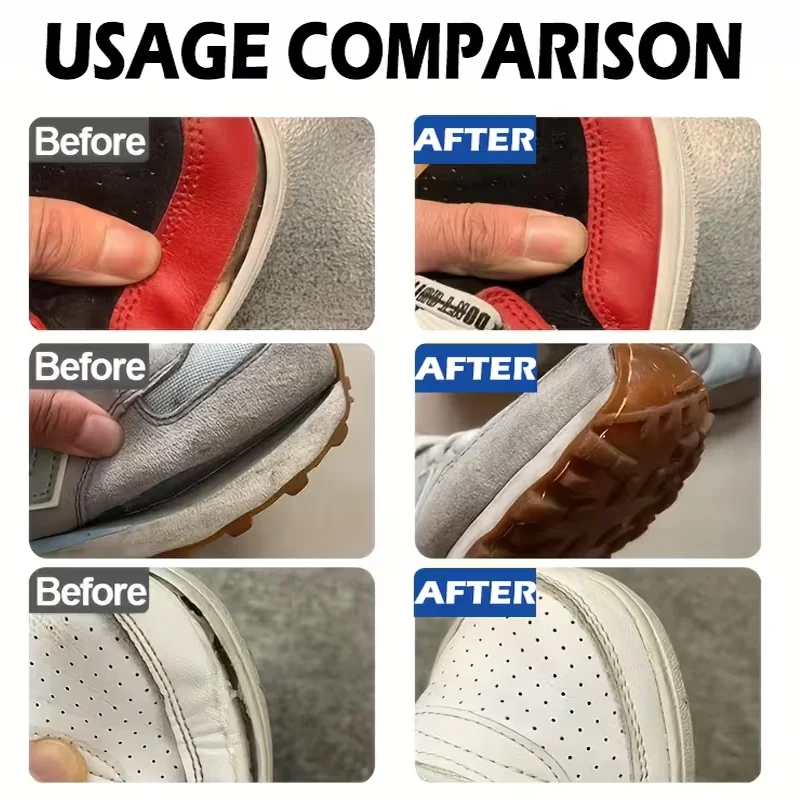
Some stains need more than basic soapy water. Always test a cleaning method on a small hidden area first, especially with bright colors or printed designs.
Mud and dried soil
Let wet mud dry slightly, then brush off the loose layer. Wash the remaining mark with warm water and mild soap.
If mud is packed into the tread, soak only the rubber portion for 10 to 15 minutes. Brush it again, rinse it, and air-dry the sandals.
Grass stains
Apply a small amount of mild detergent to a damp cloth. Rub the stain gently, then rinse the area.
Do not scrub hard at first. Strong pressure may spread green pigment or create a dull patch on smooth rubber.
Scuff marks
Use a damp microfiber cloth with a small amount of baking soda. Rub the mark lightly for a few seconds, then rinse.
Baking soda is mildly abrasive, so use it sparingly. It may dull glossy rubber if you scrub too hard.
Oil or greasy marks
Blot fresh oil with a paper towel. Then clean the spot with mild dish soap, since dish soap is designed to break down grease.
Rinse very well. Do not use gasoline, nail polish remover, or other solvents. These products may damage rubber and leave harmful fumes.
Ink or dye
Ink can be difficult to remove from porous or textured rubber. Try mild soap first, and stop if the color begins to spread.
Some solvents may remove the stain but also remove the sandal’s color. In this case, keeping a faint mark is often safer than damaging the entire surface.

How to clean white rubber sandals
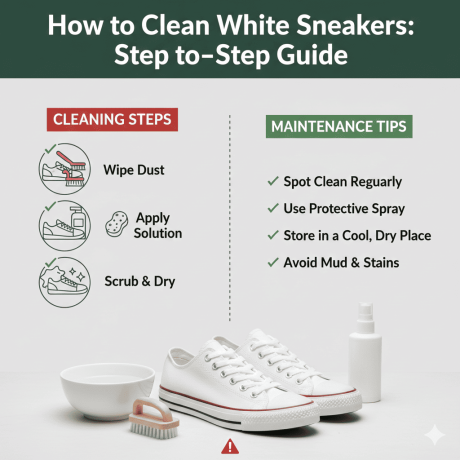
White rubber shows every mark, but gentle cleaning can restore much of its original color.
Start by washing the sandals with mild soap and warm water. Use a soft toothbrush around the edges, seams, and tread. Rinse away all soap before checking the result.
For stubborn gray marks, make a thin paste with baking soda and water. Apply it to the mark, wait five minutes, and rub gently with a damp cloth. Rinse well afterward.
Avoid chlorine bleach as a routine cleaner. It may cause yellowing, weaken some materials, and damage colored sections or logos. If a manufacturer permits diluted bleach, follow its exact directions and use gloves with good ventilation.
White rubber may also turn yellow because of age, heat, sunlight, or chemical exposure. Cleaning can remove surface dirt, but it cannot always reverse material aging.
How to remove odor from rubber sandals
Odor usually comes from sweat, skin oils, moisture, and microbes trapped on the footbed. Washing removes much of this buildup, but drying is just as important.
Use this odor-control method:
-
Wash the sandals with mild soap and warm water.
-
Rinse until no soap remains.
-
Sprinkle a light layer of baking soda over the dry footbed.
-
Leave it overnight.
-
Brush or wipe away the baking soda the next day.
-
Let the sandals air out before wearing them.
Do not mix baking soda with bleach, ammonia, or other cleaners. Also, avoid spraying perfume over the smell. Fragrance may cover the odor for a short time but will not remove its cause.
If odor returns quickly, rotate between two pairs. Allowing each pair to dry fully between uses can make a noticeable difference.

How to clean rubber sandals with fabric or leather parts
Not every sandal is made from rubber alone. Some have leather straps, fabric uppers, cork footbeds, or foam layers. These parts need different care.
For fabric straps, use a damp cloth and mild soap. Avoid soaking the entire sandal unless the care label says it is safe. Press with a towel and let the fabric dry in moving air.
For leather details, use a cleaner made for leather. Do not use baking soda paste or strong detergent on leather, as these may dry or stain it.
For cork footbeds, use very little water. Wipe the surface with a damp cloth, clean small areas, and dry the sandals slowly. Saturated cork can swell or crack.
For glued sandals, limit soaking. Water may reach the adhesive and cause the layers to separate. When materials differ, cleaning the sandals by hand is safer than putting them in a washing machine.