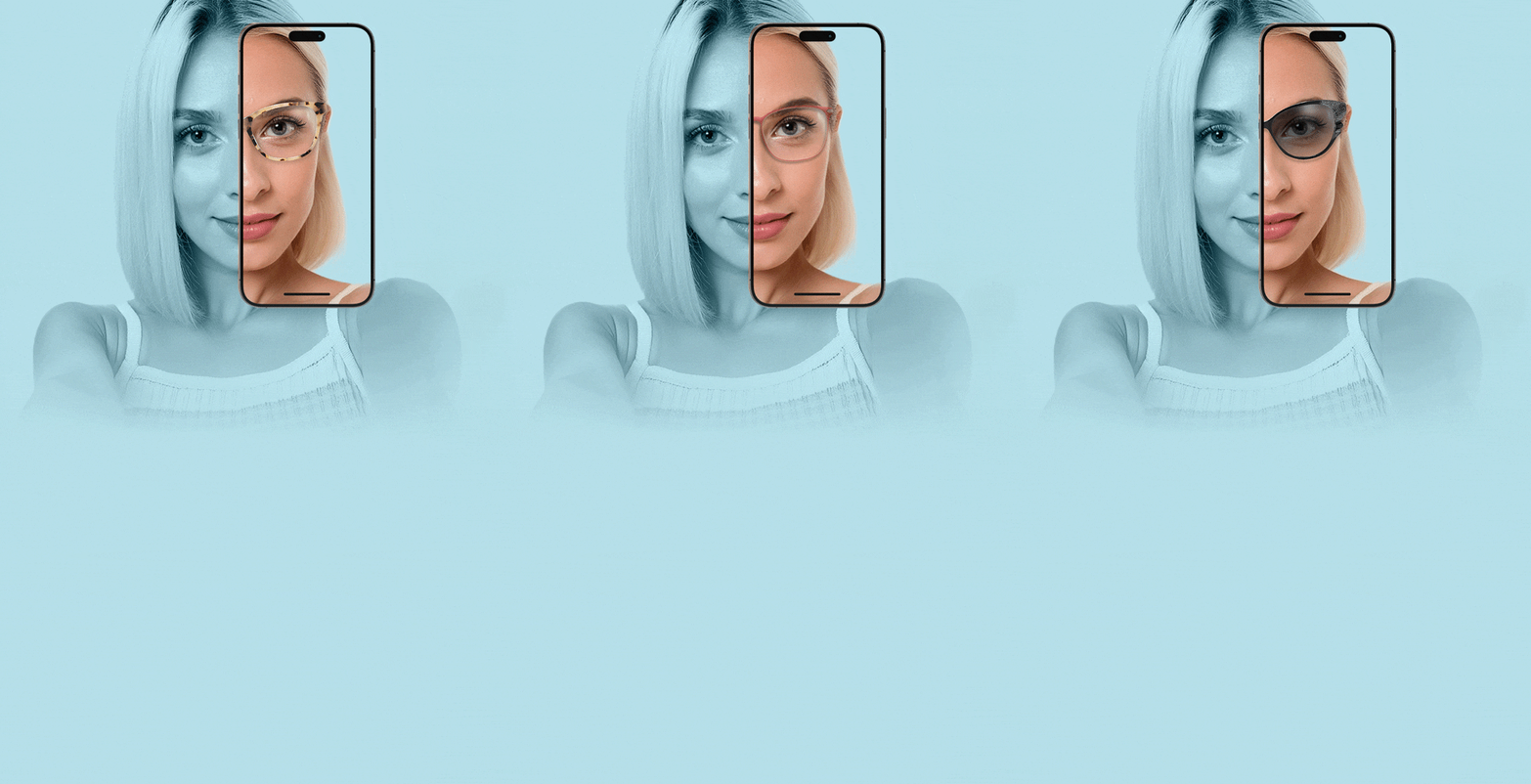
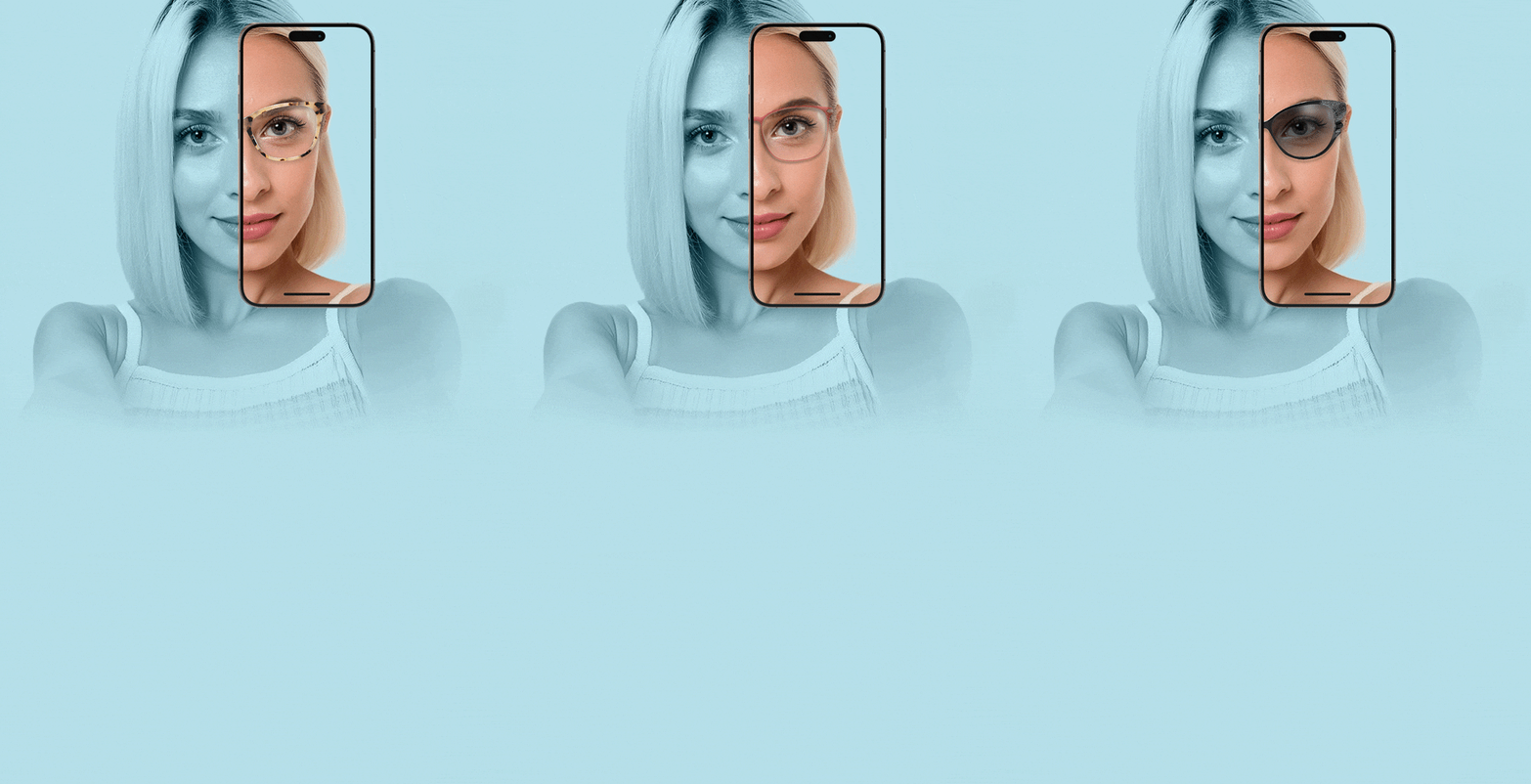
An online glasses test compares your face shape, features, and proportions to suggest flattering frame styles.
Finding the right pair of glasses is about more than following a face-shape chart. The best results come from combining an online tool with accurate measurements, your prescription, personal style, and a real-world fit check. This guide explains how the what glasses suit my face test online works, how reliable it is, and how to turn its suggestions into a frame you will enjoy wearing every day.
How the What Glasses Suit My Face Test Online Works
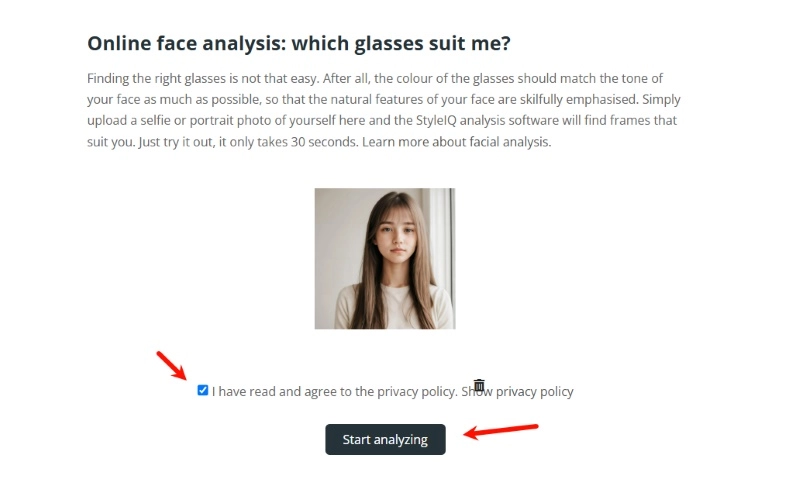
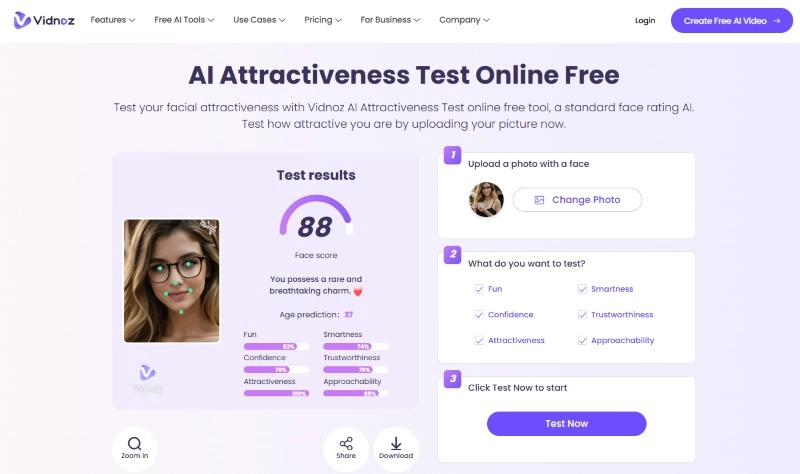
A what glasses suit my face test online usually uses a selfie or uploaded photo to study your facial outline. Some tools also ask about your style, preferred colors, frame size, and current glasses.
The test may look for:
• Face length and width
• Forehead and jaw proportions
• Cheekbone width
• Chin shape
• Brow position
• Distance between your eyes
• General face shape, such as oval, round, square, heart, or diamond
Most tools then match these features with common frame recommendations. For example, a round face may be paired with rectangular frames, while a square face may be matched with softer, rounded shapes.
However, the result is a style guide, not a medical assessment. A computer can suggest a frame family, but it cannot always judge comfort, bridge fit, lens thickness, or how a frame feels behind your ears.
How to Identify Your Face Shape
Understanding your face shape makes any what glasses suit my face test online more useful. You do not need perfect measurements. You only need to compare the widest and longest parts of your face.
Stand in front of a window or bright lamp. Pull your hair away from your face, look straight at the camera, and keep your expression neutral. A straight-on photo usually gives a better result than a tilted selfie.
Oval face
An oval face is often longer than it is wide. The forehead may be slightly wider than the jaw, and the chin tends to have a gentle curve.
Most frame styles can work well with an oval face. Medium-sized rectangular, round, cat-eye, and geometric frames are often good choices. The main goal is balance. Avoid frames that are much wider or taller than your face.
Round face
A round face has similar width and length. The cheeks are usually full, and the jaw has a soft curve.
Angular frames can add contrast. Try rectangular, square, browline, or softly geometric designs. Narrow vertical shapes may also make the face appear longer.
Square face
A square face often has a broad forehead, strong cheekbones, and a defined jaw. The width and length may be similar.
Round or oval frames can soften sharper lines. Thin metal frames and gentle curves may create a balanced look. Very boxy frames can emphasize an already strong jaw, though you may still prefer that bold effect.
Heart-shaped face
A heart-shaped face is often wider at the forehead and narrower near the chin. Some people also have prominent cheekbones.
Frames with a wider lower edge can help balance the face. Thin, light-colored frames, round shapes, and softly curved designs may also work well.
Diamond face
A diamond-shaped face is widest near the cheekbones. The forehead and jaw are usually narrower.
Oval, cat-eye, and rimless frames can highlight the eyes while balancing the cheek area. A browline frame may also suit this face shape if its top edge does not feel too heavy.

What Glasses Suit Different Face Shapes?
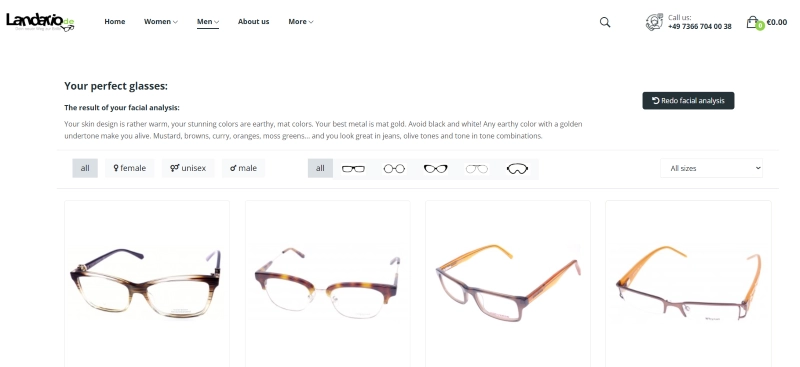
The what glasses suit my face test online often gives a broad category, but your best frame depends on more than shape. Color, material, size, and bridge design can change the final look.
Think of your face as a room. The frame is the furniture. A large sofa may look great in a large room but overwhelm a small one. Glasses work the same way.
Frame shapes to consider
• Oval face: Most shapes, especially medium-width rectangular, round, and geometric frames
• Round face: Rectangular, square, browline, and angular frames
• Square face: Round, oval, thin metal, and softly curved frames
• Heart-shaped face: Light frames, round styles, aviators, and frames with a wider lower edge
• Diamond face: Oval, cat-eye, rimless, and browline frames
• Long face: Taller lenses, deeper frames, and bold details that add visual width
• Small face: Narrow or petite frames with a shorter lens height
• Wide face: Frames with enough front width to avoid pressure at the temples
These are starting points, not strict rules. If you love oversized round glasses on a round face, wear them. Personal style matters just as much as visual balance.
Color and material matter
Black frames can create a strong contrast. Clear frames often look lighter and less dominant. Tortoiseshell can add warmth, while silver, gold, and rose gold metals may complement different skin undertones.
Plastic frames can feel bold and casual. Metal frames often look light and refined. Acetate frames may offer richer colors and stronger construction than very thin plastic.
How to Use a What Glasses Suit My Face Test Online
You can get better results by preparing before you begin. A poor photo can lead to a poor recommendation, even when the tool itself works well.
Follow these steps:
- Clean your camera lens.
- Stand in soft, even light.
- Face the camera directly.
- Keep your head level.
- Remove sunglasses, hats, and large accessories.
- Pull back hair that covers your cheeks or jaw.
- Use a neutral expression.
- Avoid wide-angle selfie mode.
- Upload a photo with your full face visible.
- Enter your current frame measurements if the tool requests them.
A passport-style photo often works better than a close selfie. Selfie cameras can make the nose look larger and the sides of the face look narrower. This distortion may affect the test.
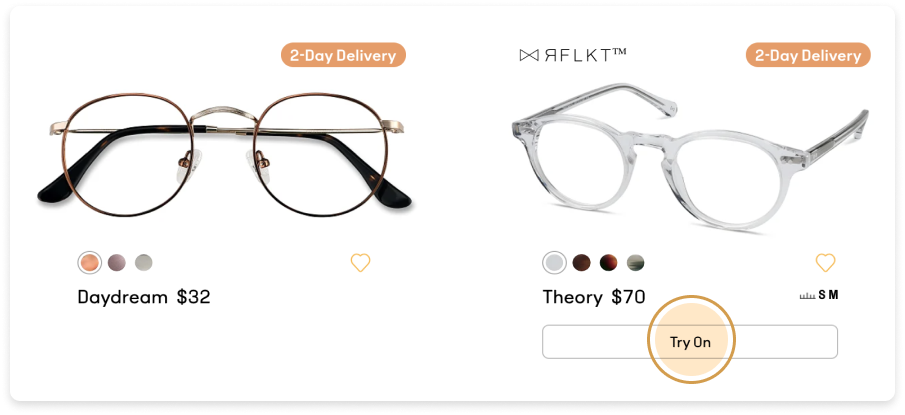
If the tool offers a virtual try-on feature, check several angles. Look at the front, side, and three-quarter views. Also check whether your eyes sit near the center of the lenses.
Are Online Glasses Tests Accurate?
A what glasses suit my face test online can be useful for style discovery, but it is not perfectly accurate. It can estimate your face shape and show how a frame may look. It cannot fully replace an optician’s fitting advice.
Accuracy may drop when:
• The photo is dark or blurry
• Your head is turned
• Your hair hides your jaw
• You use a strong beauty filter
• The camera lens creates distortion
• The frame preview does not match the real frame size
• Your prescription requires thick or high-index lenses
Virtual try-on tools may also display frames at the wrong scale. A frame can look perfect on screen but feel too wide in person.
Professional fitting is especially important for strong prescriptions, progressive lenses, children, or people with different pupillary distances between the eyes. An optician can adjust the nose pads, temples, and frame angle in ways that software cannot.
How to Check Frame Fit After the Online Test
The what glasses suit my face test online may suggest a beautiful frame, but fit decides whether you will enjoy wearing it. Glasses should feel stable without squeezing your head or sliding down your nose.
Check these points:
• Your pupils should sit close to the center of each lens.
• The frame should not press into your temples.
• Your eyebrows should not be fully hidden unless that is your chosen style.
• Your eyes should not touch the upper or side edges of the lenses.
• The frame should not rest heavily on your cheeks.
• The bridge should feel secure without leaving painful marks.
• The temples should sit comfortably behind your ears.
• The frame should not move when you smile or look down.
Frame width is one of the most important measurements. If the temples bow outward, the frame may be too narrow. If the frame slides or looks much wider than your face, it may be too large.
Look for numbers printed on the inside of the temple. You may see three measurements, such as 52-18-140. These usually represent lens width, bridge width, and temple length in millimeters.
Prescription and Lens Needs Matter Too
Style is only one part of choosing glasses. Your prescription can affect the ideal frame shape, lens size, and material.
Strong nearsighted prescriptions may look thinner in smaller, rounder frames. Very large lenses can make thick edges more noticeable. High-index lenses may reduce thickness, but they can cost more.
Progressive lenses need enough vertical space for distance, intermediate, and reading zones. Very shallow frames may not provide enough room. An optician can help you choose a frame that supports your prescription.
Your pupillary distance, or PD, also matters. It measures the space between your pupils and helps center the lenses. Some people have one combined PD number, while others have separate right and left measurements.
An online style tool does not replace a valid prescription or professional measurements. Use it to narrow your choices, then confirm the technical details before ordering.
Common Mistakes to Avoid
Many people use a what glasses suit my face test online and stop at the first recommendation. That can lead to frames that look interesting but do not work in daily life.
Avoid these mistakes:
• Choosing a frame only because it matches your face shape
• Ignoring your current frame measurements
• Trusting a filtered selfie
• Buying a frame that is too wide for your bridge
• Forgetting that progressive lenses need adequate height
• Selecting heavy frames for all-day wear
• Assuming virtual colors are identical to real colors
• Ignoring return and exchange policies
• Judging a frame from one front-facing image
• Letting trends replace comfort
A common mistake I have seen during frame selection is focusing on the front view alone. A pair may look excellent from the front but sit too far from the face or press behind the ears. Always inspect the side profile and move your head naturally before deciding.
It also helps to compare three different styles instead of ordering the first one you like. Try one classic frame, one bold frame, and one frame outside your usual comfort zone. This makes the result more useful and can reveal what truly suits you.

How to Choose Glasses That Match Your Lifestyle
The best glasses should fit your routine. A frame for office work may differ from one for sports, travel, or outdoor use.
For daily wear, choose a durable frame with a comfortable bridge and secure temples. If you spend many hours at a computer, lens features and proper prescription strength matter more than a trendy shape.
For active lifestyles, look for flexible materials, secure fit, and impact-resistant lenses. For outdoor use, consider prescription sunglasses or lenses with suitable UV protection. UV exposure can affect eye health, so sunglasses should block 100% of UVA and UVB rays.
For a professional look, consider subtle colors, clean lines, or classic browline frames. For a creative or expressive look, try translucent colors, unusual angles, or statement acetate.
Your glasses are part of your daily identity. The right pair should feel like a useful tool and a small piece of art.
A Practical Way to Compare Online Results
If different tools give different answers, do not assume one is broken. Face shapes often overlap. You may have an oval face with round features, or a heart-shaped face with a strong jaw.
Use this simple comparison method:
- Run the test with two or three clear photos.
- Record the face-shape results.
- Look for repeated frame suggestions.
- Compare the suggested sizes with your current glasses.
- Save several virtual try-on images.
- Read customer comments about fit and size.
- Order from a seller with a clear return policy.
- Have the glasses adjusted after delivery.
The repeated suggestions are usually more useful than one isolated result. If every test recommends medium-width angular frames, that is a reasonable place to begin.
Still, do not treat the result as a rule. Your comfort, prescription, and taste should have the final say.
Frequently Asked Questions About What Glasses Suit My Face Test Online
Is a what glasses suit my face test online free?
Many online tools offer a free basic test or virtual try-on feature. Some may charge for advanced style advice, personalized consultations, or premium frame recommendations.
Can an online glasses test identify my face shape?
It can estimate your face shape from a photo, but the result may change with lighting, camera angle, hair, and facial expression. Use the result as a helpful guide rather than a final fact.
What glasses suit a round face?
Rectangular, square, browline, and angular frames often create contrast with a round face. Choose a size that adds structure without extending too far beyond your temples.
Should glasses cover my eyebrows?
There is no single rule for every style. Many frames leave the eyebrows partly visible, but bold fashion frames may cover more of them; comfort and overall balance matter most.
How do I know if glasses are too big?
Glasses may be too big if they slide down, extend far past your temples, sit low on your cheeks, or move when you look down. The bridge and temple fit should feel secure without pressure.
Does face shape matter more than frame size?
Frame size usually matters more for comfort and proportion. Face shape can guide the style, but the correct width, bridge, lens height, and temple length determine whether the glasses truly fit.
Conclusion
A what glasses suit my face test online is a smart first step for exploring frame shapes, colors, and styles from home. It can help you understand whether round, square, oval, cat-eye, or geometric frames may complement your features.