Running shoes are usually not good for basketball because they lack the grip, support, and stability basketball demands.
The answer to “are running shoes good for basketball” depends on how you play, where you play, and how often you play. Running shoes are built for forward motion, while basketball requires fast cuts, sudden stops, jumps, and sideways movement. This guide explains the key differences, the risks, and when running shoes may still work in a pinch.
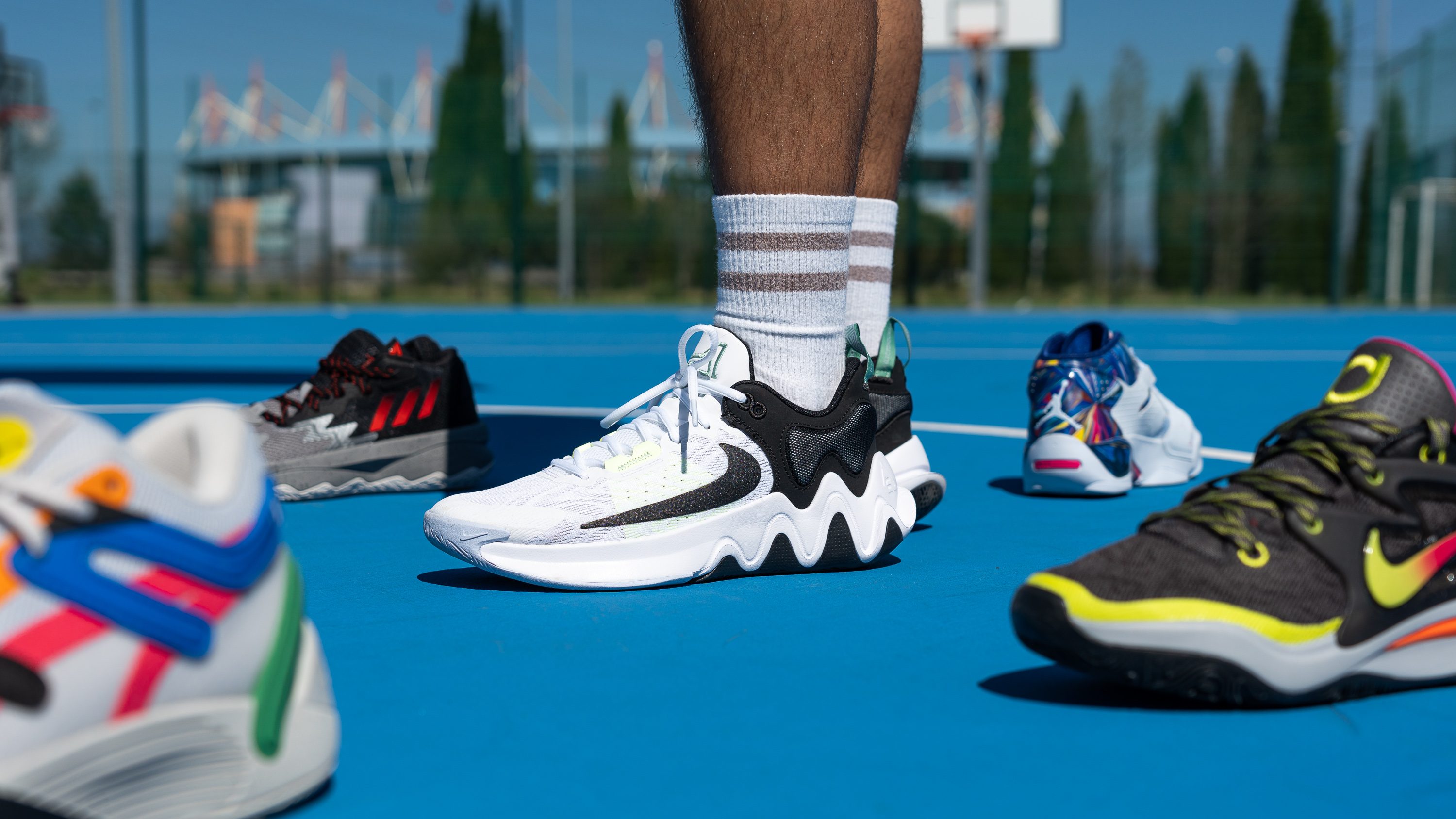
Are running shoes good for basketball?
In most cases, running shoes are not the best choice for basketball. They are designed to make road or treadmill running smooth and comfortable. Basketball shoes are made for quick changes in direction, court grip, ankle control, and repeated impact.
Running shoes can feel light and soft. That may seem useful on the court. However, softness does not always mean stability. A soft running shoe can make your foot roll during a hard cut, much like standing on a cushion while trying to turn quickly.
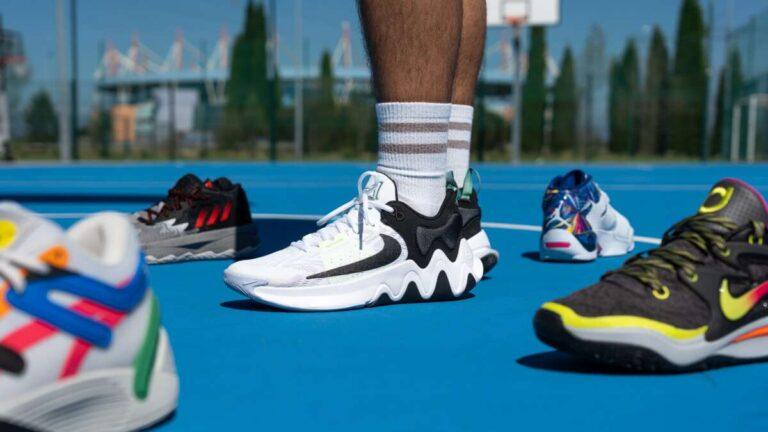
Basketball shoes usually have a wider, flatter base. This design helps your foot stay close to the floor during defensive slides and sharp moves. Running shoes often have a curved sole that helps you move from heel to toe. That shape is useful for running but less helpful for lateral movement.
The simple answer to “are running shoes good for basketball” is no for regular play, games, or intense training. They may be acceptable for a casual shootaround, but they should not be your main basketball footwear.

How running shoes differ from basketball shoes
Understanding the design difference makes the answer much clearer. Both types of shoes protect your feet, but they solve different movement problems.
Movement design
Running is mostly a forward activity. Your foot lands, rolls forward, and pushes off. Running shoes support this repeated pattern with features such as:
• Heel-to-toe cushioning
• A curved sole
• Lightweight foam
• A flexible front section
• Support for repeated forward strides
Basketball is more varied. You may sprint forward, stop, move backward, jump, land, and cut sideways within a few seconds. Basketball shoes are designed for this mixed movement pattern.
Traction
Court traction is one of the biggest differences. Basketball shoes use rubber patterns made to grip indoor wood and many outdoor court surfaces. Good traction helps reduce slipping during stops and cuts.
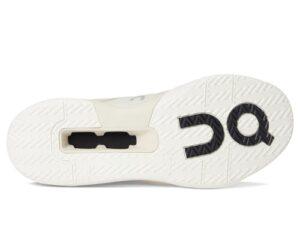
Many running shoes use rubber designed for pavement, tracks, or treadmills. Their grip may work on a clean court, but it may not hold well during a hard lateral move. Dust can also make some running shoe outsoles feel slippery indoors.
Cushioning
Running shoes often focus on comfort over long distances. Their cushioning can reduce the repeated impact of road running. Basketball shoes also use cushioning, but they balance it with court feel and stability.
Too much soft foam can make the shoe feel unstable. On the other hand, too little cushioning can make repeated jumps uncomfortable. The best basketball shoe gives you enough protection without making you feel disconnected from the floor.
Upper support
Basketball shoes often have a firm upper and a secure heel area. These features help keep the foot in place during quick movement.
Running shoes tend to use flexible mesh. This keeps the shoe light and breathable, but it may not hold your foot firmly during a hard cut. A loose upper can cause your foot to slide inside the shoe, which may lead to blisters or poor control.

Why running shoes can be risky on the basketball court
The question “are running shoes good for basketball” also involves injury risk. Wearing the wrong shoe does not guarantee an injury, but it can reduce your margin for error.
Less support during side-to-side movement
Basketball creates strong side forces. When you plant one foot and push sideways, your shoe must help your foot stay stable. A running shoe may bend or lean more than you expect.
This can increase stress on the ankle, knee, or foot. The risk is higher if you play on a dusty court, move at high speed, or have a history of ankle problems.
Reduced court grip
Slipping is a common concern when running shoes are used for basketball. A shoe can feel secure during a straight sprint but fail during a sudden stop.
The outsole also matters. Worn rubber loses grip over time. Even a good basketball shoe may slide if the sole is dirty or badly worn. Wipe the outsole with a clean, slightly damp cloth before play, and avoid wearing court shoes outside when possible.
Less control during jumps and landings
Basketball involves many jumps. You may land on one foot, another player’s foot, or an uneven part of the court. A stable shoe can help you manage these moments.
Running shoes may have a narrow base or tall foam platform. That setup can feel less steady when you land at an angle. The shoe cannot prevent every injury, but a stable platform can support better movement.
Poor durability for court use
The rubber and foam in running shoes are not always made for repeated court friction. Sharp cuts can wear the outsole quickly. Outdoor courts can be even harder on the shoe.
A worn running shoe may lose cushioning, shape, and grip at the same time. That makes it a poor long-term option for basketball.
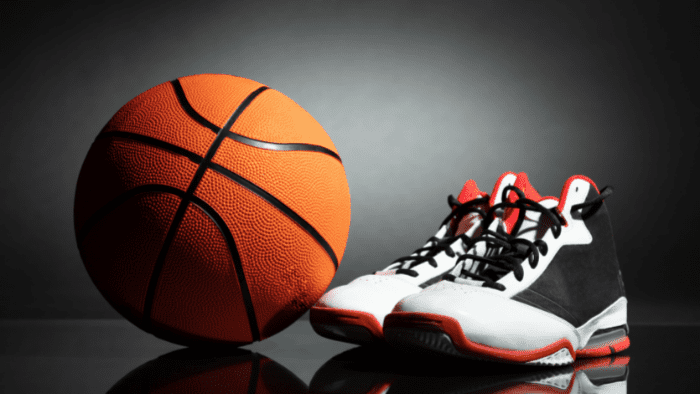
When running shoes may be acceptable for basketball
There are situations where running shoes may work. The key is to understand their limits.
Running shoes may be acceptable for:
• Light shooting practice
• Slow drills with little side movement
• A short, casual game
• Walking onto the court when you forgot your shoes
• Very young players who are still learning basic movement
If you use running shoes for a short session, check the floor first. A clean indoor court is safer than a dusty outdoor surface. Move at a controlled pace and avoid aggressive cuts.
Running shoes are not a smart choice for league games, tournaments, intense drills, or frequent basketball workouts. They are also a poor choice if the shoe is worn out, loose, or designed with a very tall and soft midsole.
So, are running shoes good for basketball during a casual shootaround? They can be good enough for a short session. Are running shoes good for basketball as a regular solution? Usually not.

What to look for in basketball shoes
A good basketball shoe does not need to be expensive. It needs to match your movement, court, and foot shape.
Reliable traction
Look for a rubber outsole with a pattern suited to your court. Indoor players often benefit from a soft rubber compound that grips clean wood. Outdoor players need a tougher rubber outsole that can handle rough concrete.
Check the traction before a full game. Walk, stop, and make a few controlled cuts. If the outsole feels slippery, clean it or choose another pair.
Stable base
A wide base can help during defensive slides and hard stops. The shoe should feel planted without feeling stiff or heavy.
Try standing on one foot in the shoe. Then lean slightly from side to side. Your foot should remain centered over the sole instead of spilling over the edge.
Secure fit
Your heel should stay in place when you walk and run. Your toes should have a little room to spread, but your foot should not slide inside the shoe.
Use the same socks you wear for basketball when trying on shoes. Shop later in the day if possible, since feet often swell slightly after activity.
Useful cushioning
Choose cushioning based on your needs. A heavier player, frequent jumper, or outdoor player may prefer more impact protection. A quick guard may prefer a lower, firmer feel for better court contact.
There is no single best level of cushioning for everyone. Comfort matters, but comfort should not come at the cost of control.
Ankle coverage
High-top, mid-top, and low-top basketball shoes can all work. A high collar does not automatically prevent ankle sprains. Research has not shown that high-top shoes alone eliminate ankle injury risk.
Fit, strength, balance, warmups, and movement habits matter too. If you have a past ankle injury, speak with a qualified health professional about braces, taping, and footwear.
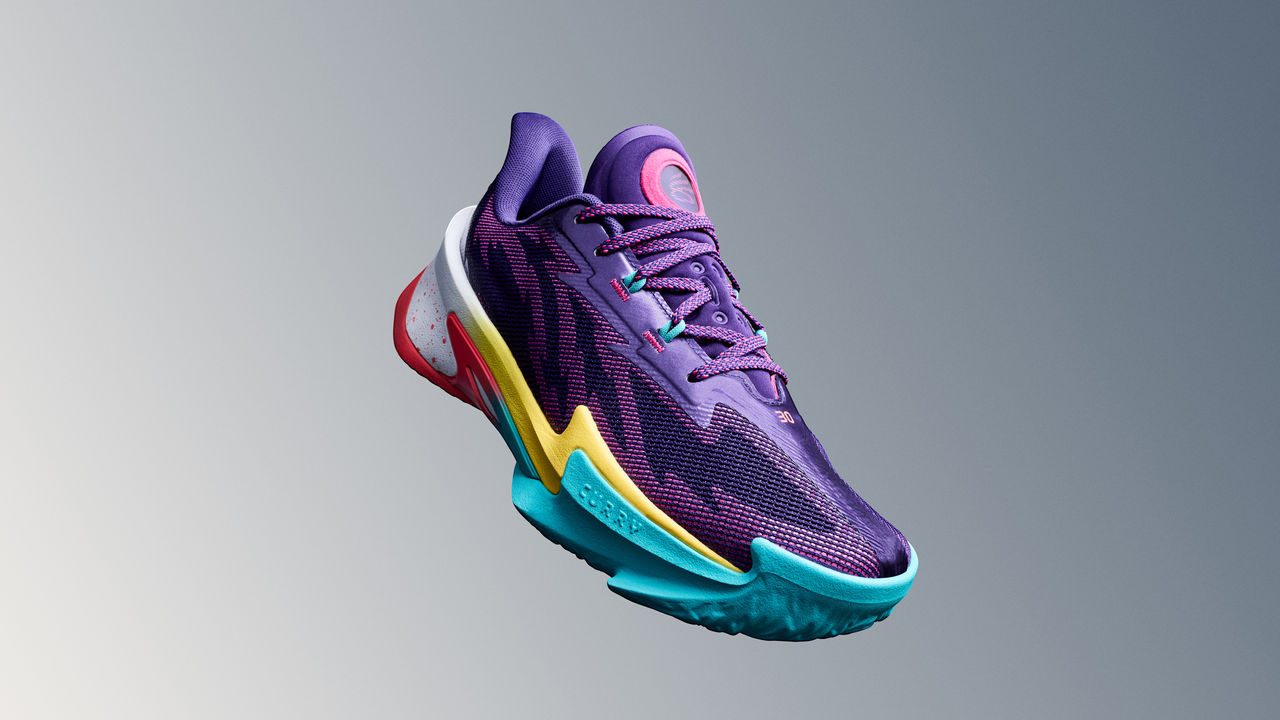
Can running shoes cause basketball injuries?
Running shoes do not directly cause every basketball injury. Injuries can result from many factors, including fatigue, poor landing mechanics, weak muscles, contact, uneven surfaces, and past injury.
Still, running shoes may raise the risk of slipping or losing balance during basketball movements. The mismatch becomes more important as intensity rises.
Common problems may include:
• Ankle rolls during lateral cuts
• Knee stress during unstable landings
• Blisters from foot movement inside the shoe
• Foot pain from poor court support
• Faster shoe breakdown from court friction
A shoe is only one part of injury prevention. A short warmup can prepare your body for basketball. Try light jogging, ankle circles, bodyweight squats, lunges, and controlled side steps before intense play.
Stop if you feel sharp pain, sudden swelling, numbness, or a feeling that the ankle may give way. Continuing through those signs can turn a small problem into a longer one.
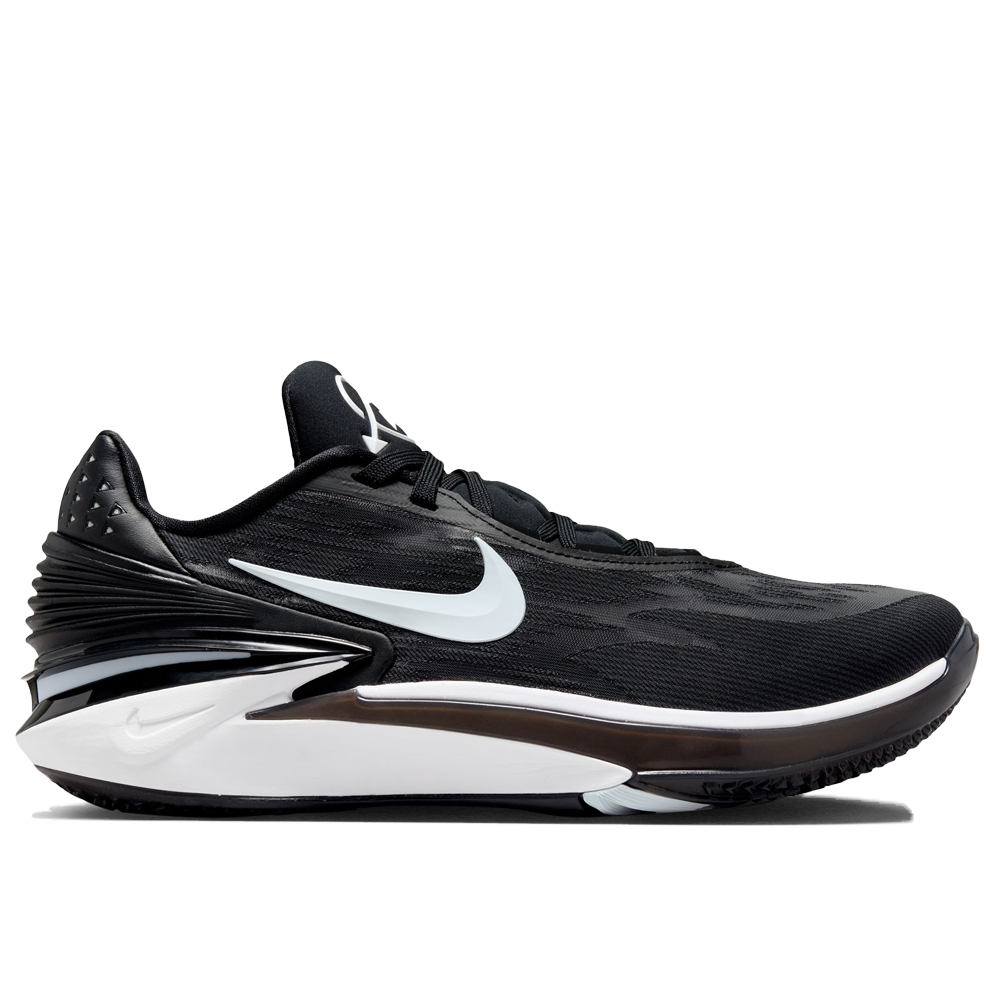
Running shoes versus basketball shoes: quick comparison
| Feature | Running shoes | Basketball shoes |
|---|---|---|
| Main movement | Forward running | Forward, backward, and lateral movement |
| Traction | Road or treadmill focused | Court focused |
| Cushioning | Long-distance comfort | Impact protection with court feel |
| Base shape | Often curved and flexible | Usually wider and more stable |
| Upper | Light and breathable | Secure and supportive |
| Best use | Running and walking | Basketball training and games |
| Court durability | Often limited | Built for court friction |
This comparison explains why the answer to “are running shoes good for basketball” is usually negative. The shoes are not badly designed. They are simply designed for a different job.
A running shoe is like a road bike tire. It may move well on a smooth path, but it is not the right tool for every surface. Basketball shoes are built around the stop-and-go demands of the court.

How to make running shoes safer for a casual game
Sometimes you may have no choice. If you must play in running shoes, reduce the risk with a few practical steps.
- Check the outsole for smooth spots, cracks, or heavy wear.
- Clean the bottom of the shoe before stepping on the court.
- Tighten the laces so your heel does not lift.
- Warm up before sprinting or jumping.
- Avoid hard cuts and crowded games.
- Stop if the shoe slips or your foot moves inside it.
- Replace the shoes if the foam feels flat or unstable.
Do not use a shoe with a loose heel, damaged sole, or split upper. No amount of tight lacing can fix a badly worn shoe.
A common mistake is choosing a very soft running shoe because it feels comfortable in the store. On the court, that same softness may feel wobbly. Test stability, not just comfort.

Practical advice for choosing the right shoe
Start with your court and playing style. Indoor courts, outdoor courts, guards, centers, and casual players all have different needs.
Use this simple process:
- Decide where you play most often.
- Choose traction that matches the court surface.
- Pick a stable base that does not feel too narrow.
- Make sure the heel stays locked in place.
- Walk, jump, and cut lightly before buying.
- Check for pressure around the toes and sides of the foot.
- Break the shoes in with short sessions.
If you play only once every few months, a basic basketball shoe may be enough. If you play several times each week, invest in a durable pair with dependable traction.
People with flat feet, high arches, wide feet, or previous injuries may need a different fit. A podiatrist, physical therapist, or trained shoe specialist can offer more personal advice.
Frequently asked questions about are running shoes good for basketball
Are running shoes good for basketball at the gym?
Running shoes may work for light shooting or simple drills, but they are not ideal for full-speed basketball. Their grip and side-to-side support may be weaker than those of basketball shoes.
Can I play basketball in running shoes once?
Yes, you can usually play once if the shoes fit well and have good grip. Keep the session controlled, and avoid intense cuts if the shoes feel unstable.
Are basketball shoes better than running shoes for jumping?
Basketball shoes are generally better for repeated jumping, stopping, and landing on a court. They offer a more stable base and traction pattern for basketball movement.
Can running shoes cause ankle sprains when playing basketball?
Running shoes do not automatically cause ankle sprains, but their design may offer less lateral stability. The risk can be higher during quick cuts, awkward landings, or play on a slippery court.
Can I use basketball shoes for running?
You can use basketball shoes for short runs or warmups, but they are not ideal for regular distance running. They are often heavier and less efficient for repeated forward strides.
What is the most important feature in a basketball shoe?
Traction is one of the most important features because it helps you stop and change direction. Fit, stability, cushioning, and comfort are also essential.
Are running shoes good for basketball outdoors?
Running shoes are usually not the best choice for outdoor basketball. Outdoor courts can quickly wear down their outsole, and the shoe may not provide enough stability for hard lateral movement.
Conclusion
Running shoes are comfortable and useful for running, but basketball asks much more from your feet. The sport needs strong traction, a stable base, secure fit, and protection during cuts, jumps, and landings.