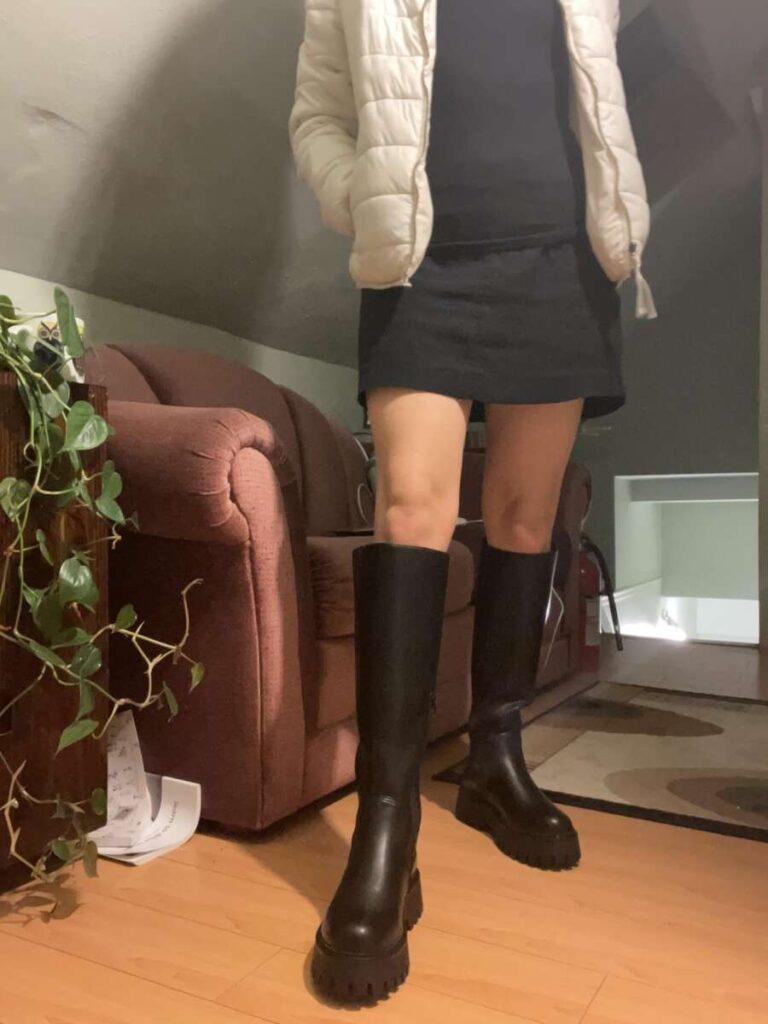
Tall boots should hit just below the knee, with the shaft sitting smoothly without pinching or slipping.
Knowing where should tall boots hit on the leg makes a big difference in comfort, balance, and style. The right height depends on the boot type, your leg shape, the outfit, and how you plan to move. This guide explains how tall boots should fit, where knee-high and over-the-knee styles should land, and how to avoid common fitting mistakes.

Where should tall boots hit on the leg?
For most people, tall boots should hit about 1 to 2 inches below the bottom of the kneecap. This position lets your knee bend naturally while keeping the boot high enough to create a long, clean line up the leg.
The shaft should rest close to the leg without cutting into the skin. It should not press into the back of your knee, bunch around your ankle, or leave a large gap at the calf.
Where should tall boots hit on the leg also depends on the boot style:
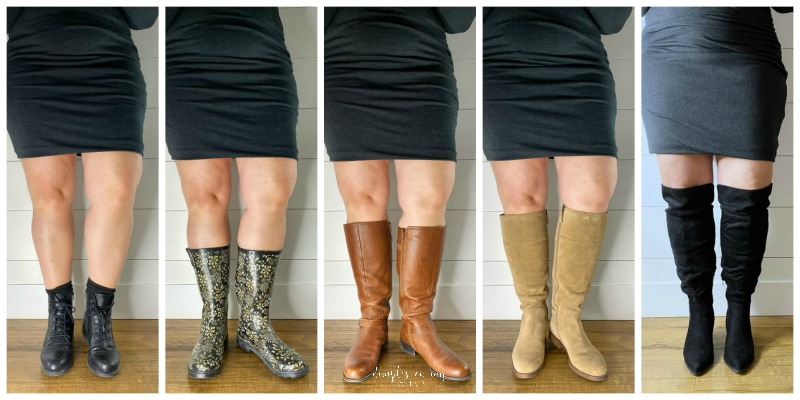
• Knee-high boots should end just below the kneecap.
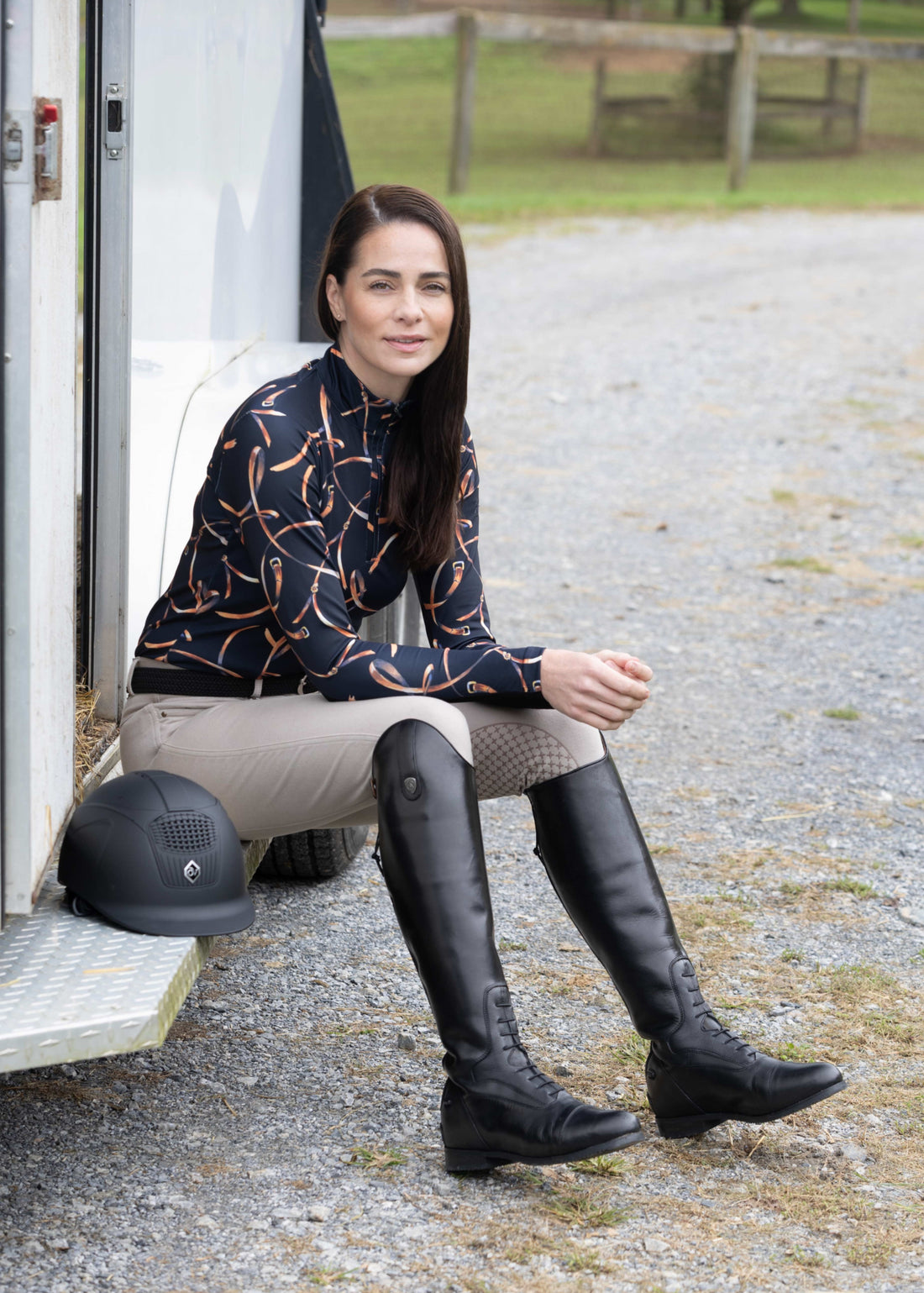
• Riding boots usually stop 1 to 2 inches below the knee crease.
• Slouch boots may sit slightly lower because the shaft is designed to fold.
• Over-the-knee boots should rise 1 to 3 inches above the knee.
• Thigh-high boots can reach several inches above the knee, but they need secure support to stay in place.
Think of the top of the boot as a frame around your leg. It should follow your shape, not fight it.

How knee-high boots should fit
Knee-high boots should sit below the knee joint. The top edge should not touch the kneecap when you walk, sit, or climb stairs.
A good fit allows a small amount of space between the boot edge and the back of the knee. This space prevents rubbing and gives your knee room to bend.
Check these areas before buying:
• The boot shaft should stay upright as you walk.
• The calf should feel secure but not squeezed.
• The ankle should not fold sharply.
• Your heel should lift only slightly when taking a step.
• Your toes should have enough room to move.
A small heel lift is normal in a new leather boot. However, your heel should not slide up and down by more than about one-quarter inch. Too much movement can cause blisters and make the boot feel unstable.
In my experience, many people focus on foot size and ignore shaft height. They find a boot that feels good at the toes, then discover that the top edge hits the kneecap. That small detail can turn a stylish boot into an uncomfortable one.

How high should riding boots come?
Riding boots should usually reach just below the knee. The front of the shaft may sit slightly higher than the back, especially in traditional riding boot designs.
The boot should support the lower leg without pressing into the knee crease. When you sit, the top edge may move closer to the knee, but it should not dig into the skin.
Riding boots often have a firm shaft. This structure helps the boot keep its shape, but it also makes correct height more important.
Before wearing riding boots for a full day, test them with the socks or leggings you plan to wear. Walk, sit, bend your knee, and climb a few steps. A boot that feels fine while standing may feel too tall once your leg bends.

Where should over-the-knee boots hit?
Over-the-knee boots should cover the kneecap and reach about 1 to 3 inches above it. The upper edge should stay in place without squeezing the thigh.
The best height depends on the design. Some over-the-knee boots are made to stop just above the knee. Others are designed to reach the lower or middle thigh.
A well-fitting pair should:
• Cover the entire knee when you stand.
• Stay above the knee when you walk.
• Bend without creating a sharp fold behind the knee.
• Feel snug around the thigh but not restrictive.
• Avoid rolling down during normal movement.
Where should tall boots hit on the leg if they are over-the-knee boots? They should end high enough to cover the knee but low enough to allow comfortable movement. If the top slides down each time you take a step, the shaft may be too wide or too short.
Some over-the-knee styles use elastic panels, drawstrings, or silicone strips to stay up. These features can help, but they cannot fully correct the wrong size.

How to measure your leg for tall boots
Measuring your leg before shopping can save time and reduce returns. Boot brands often use different shaft measurements, so do not rely on your usual shoe size alone.
Use a soft measuring tape and follow these steps:
-
Put on the socks, tights, or pants you expect to wear with the boots.
-
Sit in a chair with your knee bent at about a right angle.
-
Measure around the widest part of your calf.
-
Measure from the floor to the point where you want the boot to end.
-
Measure both legs because one calf may be slightly larger.
-
Compare your numbers with the brand’s size chart.
Measure your calf while standing as well. Your muscles may expand slightly when you put weight on the leg.
Pay special attention to shaft circumference. A boot can have the correct foot length but still feel wrong if the calf opening is too narrow. Wide-calf boots are not only for people with large calves. They can also provide extra room for muscular legs, jeans, or thick winter socks.
Tall boots and different leg shapes
There is no single perfect height for every leg. The best position is the one that feels comfortable and creates a smooth line.
If you have shorter legs, a boot that ends just below the knee can create a longer visual line. A pointed or almond-shaped toe and a small heel may add to that effect.
If you have long legs, you may enjoy boots that reach higher on the thigh. Still, the shaft should not hit at an awkward point or restrict movement.
For fuller calves, look for:
• Stretch panels.
• Adjustable buckles.
• Wide-calf measurements.
• Soft leather or flexible fabric.
• A rounded shaft opening.
For slim calves, look for:
• Narrow shaft options.
• Adjustable straps.
• Structured leather.
• Elastic inserts that reduce gaps.
A large gap at the calf can make the boot slide and wrinkle. A tight shaft can create pressure, redness, and discomfort. The goal is close contact, not compression.
How tall boots should feel when you walk
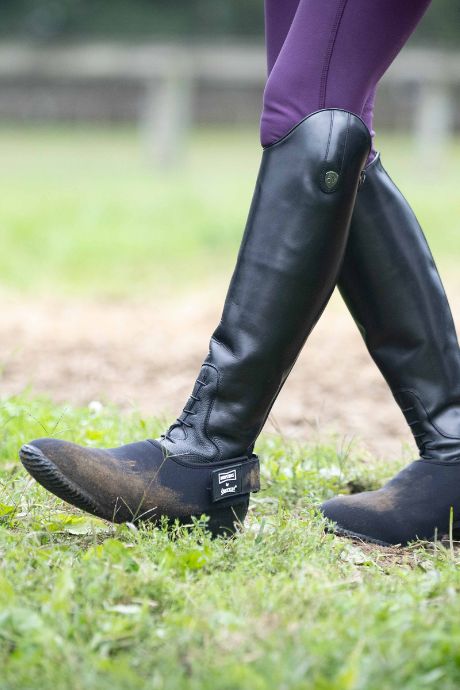
A properly fitted tall boot should feel stable from heel to shaft. You should be able to walk at your normal pace without pulling the boot up or changing your stride.
Take several steps on a safe indoor surface. Then test the boots in these positions:
• Standing upright.
• Sitting down.
• Walking up stairs.
• Bending your knee.
• Squatting slightly.
• Wearing your usual pants.
Watch for signs of poor fit. Pain behind the knee often means the shaft is too tall. Pressure at the calf may mean the circumference is too small. Wrinkles at the ankle can suggest that the boot shaft is too wide or the footbed does not support your foot well.
Foot comfort matters as much as appearance. A boot that looks perfect but causes rubbing is not a good fit for daily wear.
Common mistakes when choosing tall boots
Many boot problems come from checking only one measurement. Foot length matters, but shaft height, calf width, and heel placement matter too.
Avoid these common mistakes:
• Buying based only on your shoe size.
• Assuming every knee-high boot reaches the same height.
• Trying boots on with thin socks when you will wear thick ones.
• Ignoring the calf circumference.
• Choosing a tight fit because leather may stretch.
• Testing boots only while standing.
• Wearing new boots for a full day without breaking them in.
Leather may soften, but it usually does not expand dramatically in length. Synthetic materials may stretch less than leather. If the boot already causes strong pressure in the store, it is unlikely to become comfortable with regular wear.
One mistake I made early on was choosing a tall boot that looked sleek from the front but pressed into my knee when seated. It taught me to test boots in motion, not just in a mirror. Comfort often reveals problems that style hides.
Should tall boots be tight around the calf?
Tall boots should feel close around the calf, but they should not feel painfully tight. You should be able to slide one finger between the shaft and your leg in most structured styles.
A small amount of space is useful if you plan to wear jeans or thick socks. For tights or bare legs, a closer fit usually looks smoother.
Signs that boots are too tight include:
• Numbness or tingling.
• Deep marks that remain after removing the boots.
• Difficulty closing the zipper.
• Pain when sitting.
• The top edge cutting into the leg.
Signs that boots are too loose include:
• The shaft sliding down.
• Excess fabric or leather folding.
• A large gap around the calf.
• Chafing caused by movement.
Do not use discomfort as proof that the boot is supportive. Support comes from a stable fit, a firm heel counter, and a secure shaft, not from excessive pressure.
Can tall boots be altered?
Some tall boots can be altered, but the options depend on the material and construction. A skilled shoe repair professional may be able to widen or narrow the shaft, adjust elastic panels, or shorten the shaft slightly.
Common alterations include:
• Adding an elastic gusset for more calf room.
• Narrowing the shaft for slim calves.
• Replacing a zipper.
• Adding a cushion or supportive insole.
• Adjusting the top edge.
Shortening a boot can change its balance and appearance. It may also affect how the boot bends at the ankle or knee. Always ask a professional to inspect the boot before paying for an alteration.
A cobbler may not be able to fix every problem. If the foot length, toe shape, and shaft height are all wrong, returning the boot is often better than modifying it.
Tall boot height for dresses, skirts, and jeans
Tall boots work with many outfits, but the ideal shaft height can change with your clothing.
With dresses and skirts, knee-high boots usually look balanced when the hem leaves a small area of leg above the boot. The exact gap depends on the dress length and the look you want.
With skinny jeans or leggings, the boot should have enough shaft space to fit over the fabric without creating pressure. Smooth fabric creates fewer wrinkles than thick denim.
With wide-leg pants, tall boots may disappear beneath the hem. In this case, focus more on comfort and foot support than on the visible shaft height.
For a clean outfit, match the visual weight of the boot to the clothing. A heavy riding boot may suit denim and knitwear, while a slim heeled boot may work better with a tailored dress.
Tall boots for walking and cold weather
For regular walking, choose a shaft height that does not interfere with your knee. A flat or low-heeled boot can offer better stability than a high heel, especially on uneven ground.
Cold-weather boots need enough room for warm socks. However, extra room should not allow your heel to slide or your foot to move inside the boot.
Look for:
• Insulated linings.
• Water-resistant materials.
• Flexible soles with good traction.
• Room for socks without calf pressure.
• A footbed that supports your arch.
Cold weather can also make materials feel stiffer. Try winter boots with the socks you will actually wear. A fit that works with thin cotton socks may become too tight with wool.
Health and comfort considerations
Poorly fitted tall boots can cause rubbing, blisters, pressure points, and changes in the way you walk. The risk may be higher if the boot has a stiff shaft, a narrow toe box, or a high heel.
Keep these basic comfort principles in mind:
• Your toes should not touch the front of the boot.
• Your heel should remain mostly stable.
• Your knee should bend without pressure from the shaft.
• Your calf should not feel numb or cramped.
• You should not need to change your stride.
People with circulation problems, diabetes, nerve issues, or persistent foot pain should take extra care with footwear. A podiatrist can offer individual guidance when comfort problems continue.
No general sizing guide can replace professional medical advice. If a boot causes swelling, lasting pain, or skin damage, stop wearing it and address the fit.
A simple tall boot fitting checklist
Use this checklist when shopping online or in a store:
-
Check the foot length and width.
-
Measure your calf at its widest point.
-
Measure the desired shaft height.
-
Try the boots with your usual socks or pants.
-
Confirm that the top sits below or above the knee as intended.
-
Walk for several minutes.
-
Sit and bend your knees.
-
Check for heel movement and calf pressure.
-
Read the return policy before wearing the boots outdoors.
-
Compare both boots because your legs may differ slightly.
Where should tall boots hit on the leg? Use the position that leaves your knee free, keeps the shaft secure, and suits the style. A measurement chart is helpful, but movement is the final test.
Frequently Asked Questions About Where Should Tall Boots Hit on the Leg
Should tall boots touch the knee?
Most knee-high boots should not touch the kneecap or press into the back of the knee. They should end about 1 to 2 inches below the knee so you can walk and sit comfortably.
Where should over-the-knee boots end?
Over-the-knee boots should usually end 1 to 3 inches above the kneecap. They should stay in place without squeezing the thigh or folding behind the knee.
Should tall boots be loose around the calf?
Tall boots should fit close to the calf without causing pain or numbness. One finger of space is often useful, especially when wearing jeans or thick socks.
How much heel slip is normal in tall boots?
A small amount of heel movement is normal in new boots, especially leather styles. Excessive slipping can cause blisters and may mean the boot is too large or lacks enough support.
Can tall boots be too tall?
Yes. A boot is too tall if it presses into the knee, restricts bending, or causes pain when you sit. The correct height leaves the knee free while keeping the shaft secure.
Should I size up for tall boots?
Do not size up automatically. Choose the size that fits your foot, then check the shaft height and calf circumference separately because sizing up may create unwanted heel movement.
Conclusion
The best place for tall boots is usually just below the knee, while over-the-knee styles should rise a few inches above it. The shaft should feel secure, allow natural knee movement, and fit comfortably around your calf.
Measure both your foot and leg, try boots with your usual clothing, and always walk and sit before deciding. Use these tips to find a pair that feels as good as it looks, then explore more footwear guides or share your favorite tall boot-fitting tip in the comments.

Madison Clark is a footwear expert and the voice behind MyStyleGrid.com. She specializes in honest shoe reviews, style tips, and practical guides to help readers find the perfect pair for any occasion. With years of experience in blogging and content creation, Madison makes footwear knowledge simple, stylish, and easy to follow.