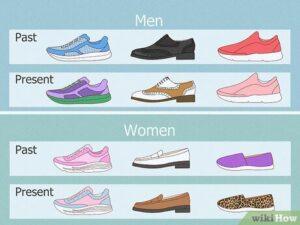
Yes, women can wear men's boots comfortably when the fit, support, and style match their needs.
Can women wear men's boots? Absolutely. Boot design is not limited by gender, but by foot shape, purpose, comfort, and personal style. Men’s boots can offer useful features such as wider toe boxes, stronger leather, thicker soles, and durable construction. This guide explains how to choose the right pair, avoid fit problems, and wear men’s boots with confidence.
Why Can Women Wear Men's Boots?
Boots are made to protect and support the feet. They are not meant to follow strict gender rules. A woman can wear any boot that fits well and suits her daily needs.
Many men’s boots use a longer and wider last. A last is the mold used to shape a shoe. Men’s boots may also have a roomier toe box, firmer arch support, or a thicker sole. These traits can help people with wide feet, high arches, or a need for extra durability.
Can women wear men's boots for work, hiking, travel, or daily use? Yes. The key is to judge the boot by its measurements and features, not by the label inside the shoe.
Some women choose men’s boots because they offer:
• More room across the ball of the foot
• Stronger leather and stitching
• Better support for long hours
• More choices in work and outdoor styles
• Lower prices during sales
• A rugged or classic look
A boot does not know who it was designed for. It only needs to support your foot safely and comfortably.

Key Differences Between Men’s and Women’s Boots
Men’s and women’s boots often differ in shape, width, color, and design. However, these differences are not absolute. Brands use different patterns, and some boots are nearly unisex.
The main difference is often the shape of the footbed. Men’s footwear usually has more space in the forefoot and a wider heel-to-toe length. Women’s footwear may have a narrower heel and a slimmer overall shape.
Here are common differences to check:
• Width: Men’s boots often run wider, but width labels vary by brand.
• Heel shape: Women’s boots may have a narrower heel or raised heel.
• Toe shape: Men’s boots often have a broader or rounder toe.
• Weight: Men’s work boots may use heavier leather and thicker soles.
• Sizing: Men’s and women’s size numbers do not match exactly.
• Style: Men’s boots often use simple colors and rugged details.
These are general patterns, not rules. Some women have broad feet, while some men have narrow feet. Foot shape matters more than gender.
A well-made women’s boot may fit better than a men’s boot for one person. For another, a men’s boot may provide much better comfort. Try both when possible.
How to Convert Women’s Boot Sizes to Men’s
A common starting point is to subtract about 1.5 sizes from a women’s U.S. size to estimate the equivalent men’s size. For example, a women’s U.S. 9 may be close to a men’s U.S. 7.5.
This is only a guide. Size conversion changes between brands, boot types, and countries. A men’s 7.5 in one brand may not feel like a men’s 7.5 in another.
Use these steps when converting sizes:
- Measure both feet at the end of the day.
- Wear the socks you plan to use with the boots.
- Check the brand’s official size chart.
- Compare foot length and width measurements.
- Read reviews about fit and sizing.
- Try the boots indoors before wearing them outside.
Boot sizing is not only about length. Width, instep height, heel shape, and toe space affect comfort just as much.
Can women wear men's boots in their usual women’s size? Usually not. Start with the brand’s conversion chart rather than ordering the same number.

How Men’s Boots Should Fit Women
The right fit should feel secure without feeling tight. Your toes should have room to move, and your heel should stay mostly in place as you walk.
A small amount of heel movement can happen in new boots. This is common with leather boots and often improves as the sole and upper soften. However, your heel should not slide so much that it causes blisters or changes your walking pattern.
Check these fit points:
• Toes: Your toes should not touch the front of the boot.
• Width: The sides should not squeeze or bulge over the sole.
• Heel: Your heel should lift slightly but not slip heavily.
• Instep: The upper should not press painfully on the top of your foot.
• Ankle: The boot should support the ankle without rubbing it.
• Flex point: The boot should bend near the ball of your foot.
Walk on a clean indoor floor for several minutes. Try stairs, sit down, and bend your ankles. These small tests often reveal pressure points that are easy to miss while standing still.
A boot that feels “almost right” may become painful after several hours. Do not rely on a long break-in period to fix a poor fit. Leather can soften, but it cannot change the basic shape of the boot enough to solve every problem.
Benefits of Wearing Men’s Boots
Can women wear men's boots for practical reasons? Yes, and many choose them because men’s styles offer features that are harder to find in women’s footwear.
More Width and Toe Room
Many men’s boots provide extra space in the toe area. This can help people with wide feet, bunions, swelling, or thick socks.
Extra room is helpful only when it supports the foot. A boot that is too wide can let the foot move from side to side. That movement may lead to rubbing, blisters, and poor balance.
Strong Construction
Men’s work and outdoor boots often use thick leather, strong eyelets, and durable rubber soles. These features can be useful for construction work, yard work, hiking, and cold weather.
Durability does not always mean comfort. A very stiff boot may need time to soften, and a heavy sole can make walking tiring. Match the boot to the task.
More Functional Features
Men’s boots often include features such as:
• Waterproof membranes
• Protective toe caps
• Oil-resistant soles
• Deep tread
• High ankle support
• Insulated linings
• Easy-care leather
These features are useful for anyone. They are not limited to men.
A Different Style
Some women prefer the clean, rugged look of men’s boots. Work boots, combat boots, Chelsea boots, hiking boots, and western boots can all work with a wide range of outfits.
A pair of brown work boots can add balance to a floral dress. Black lace-up boots can give jeans a sharper look. Style depends on how you combine the boots with your clothing.

Possible Drawbacks of Men’s Boots
Can women wear men's boots without any problems? Not always. A men’s boot may be a poor choice if its shape does not match your foot.
Common drawbacks include:
• The heel may be too wide.
• The boot may feel heavy.
• The arch may sit in the wrong place.
• The toe box may be too long.
• The ankle opening may rub.
• The sole may feel too stiff.
• The design may not suit your clothing or work needs.
A wide boot is not automatically a comfortable boot. If your heel slips while your forefoot feels loose, the boot may have the wrong shape for you.
You can sometimes improve the fit with thick socks, heel grips, or an insole. These fixes have limits. Do not use many layers to force a boot to fit, especially if they create pressure under your toes or across your instep.
If you have diabetes, reduced foot sensation, severe foot pain, or circulation problems, choose footwear with extra care. A podiatrist can help you select a safe fit. A small blister can become a serious issue when you cannot feel foot pressure well.
Best Types of Men’s Boots for Women
Different boot styles serve different purposes. Can women wear men's boots for every activity? They can, but the design must match the job.
Work Boots
Men’s work boots can be a good choice for women who need protection and long-lasting support. Look for safety features that match your workplace rules.
Check for:
• Composite or steel toe protection
• Slip-resistant soles
• Electrical hazard ratings when required
• Waterproof construction
• Puncture-resistant materials
• A comfortable heel-to-toe drop
Do not assume a boot is safe because it looks sturdy. Read the safety label and follow your employer’s requirements.
Hiking Boots
Men’s hiking boots may suit women with wider feet or a need for extra volume. They often have firm midsoles and strong ankle support.
A hiking boot should hold your heel while allowing your toes to spread. Test it on an incline if possible. Your toes should not slide into the front when walking downhill.
Cowboy Boots
Western boots use a different fit system from lace-up boots. The instep and shaft help hold the foot in place. Some men’s cowboy boots may feel roomy in the heel or upper.
The ball of your foot should sit near the widest part of the boot. A boot that is too long can make your foot slide forward. A boot that is too tight across the instep may cause numbness.
Chelsea and Chukka Boots
These styles are often easy to share across gender lines. Their simple shape works with jeans, trousers, skirts, and casual dresses.
Pay close attention to the heel and ankle opening. Elastic panels or laces should hold the boot securely without cutting into your skin.
Snow and Rain Boots
Men’s winter boots may offer more insulation and room for thick socks. Make sure the sole bends enough for safe walking and has a strong grip.
Waterproof boots can trap heat and moisture. Wear moisture-wicking socks and let the boots dry fully between uses.
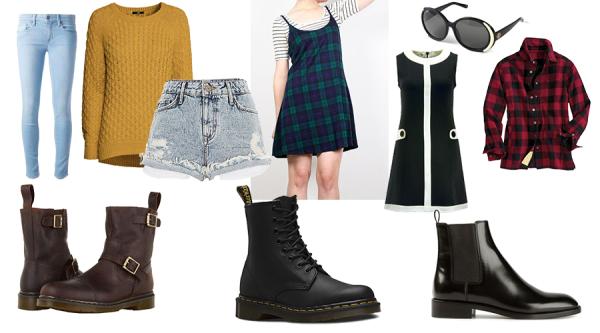
How to Style Men’s Boots
Can women wear men's boots with feminine outfits? Yes. Contrast often makes an outfit look more natural and modern.
Try these simple combinations:
• Work boots with straight-leg jeans and a soft sweater
• Black combat boots with a midi skirt and denim jacket
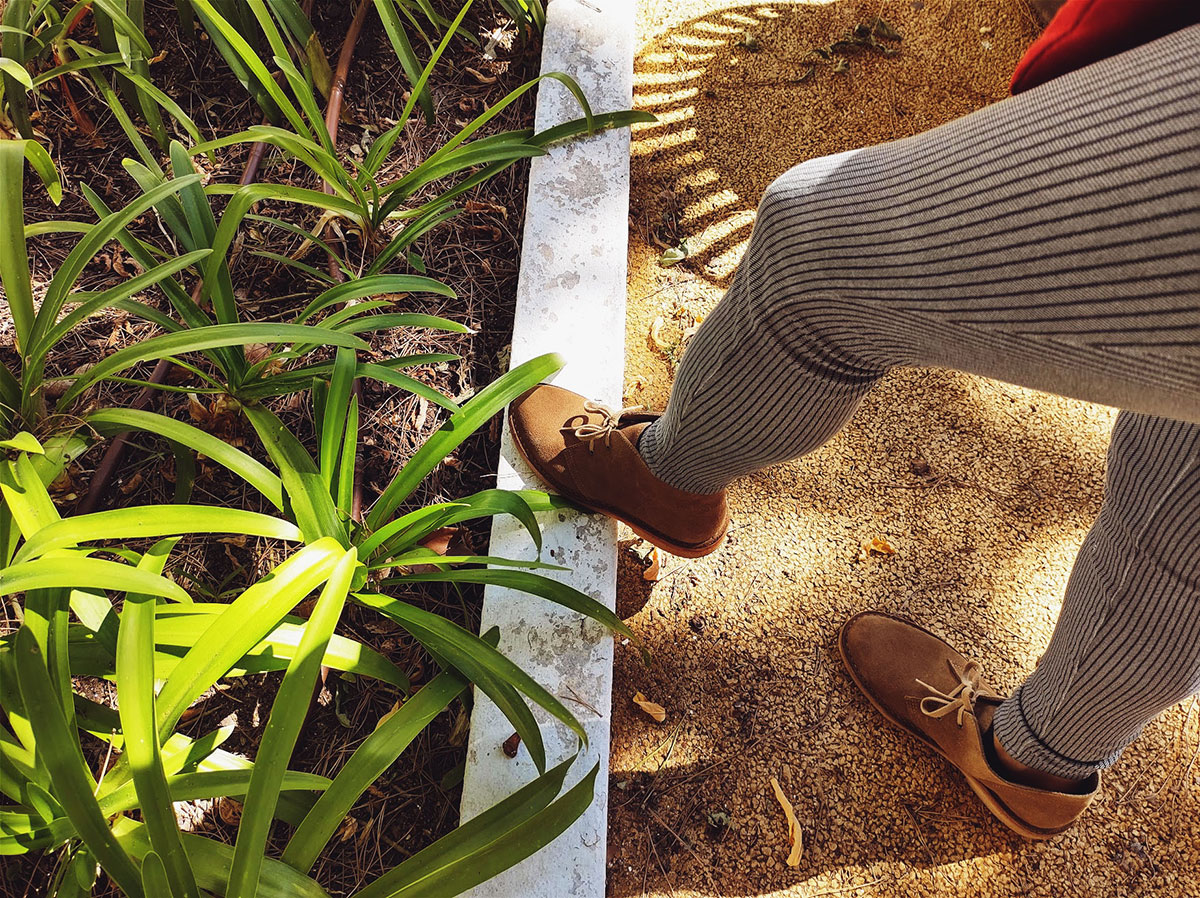
• Brown leather boots with leggings and a long cardigan
• Hiking boots with cargo pants and a quilted coat
• Chelsea boots with ankle trousers and a button-down shirt
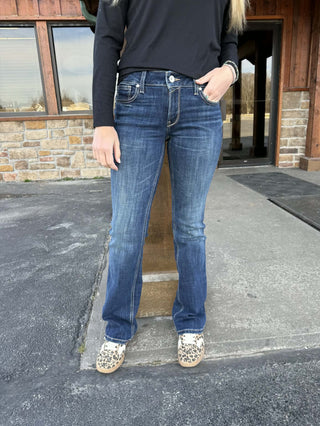
• Cowboy boots with a simple dress and denim jacket
The best styling tip is to repeat one color. For example, match black boots with a black belt or bag. This helps the boots feel like part of the outfit.
You can also balance a large boot with slimmer clothing above it. If the boots are very wide or heavy, straight-leg jeans or a fitted jacket can create a cleaner shape.
Do not hide the boots if you like their design. Cuffed jeans, cropped trousers, and short skirts can show the full boot. Personal style matters more than traditional fashion rules.
Practical Tips for Buying Men’s Boots
Buying online takes more care because you cannot test the fit first. Use the product measurements and return policy before placing an order.
Follow this checklist:
- Measure your feet on a hard floor.
- Measure both feet and use the larger measurement.
- Check width options, not only length.
- Read reviews from people with similar foot shapes.
- Review the materials and sole type.
- Confirm whether the boot runs large or small.
- Check the return window and return cost.
- Try the boots with your normal socks.
- Walk indoors on a clean surface.
- Inspect your feet after the first short wear.
One mistake many shoppers make is buying a larger size to gain width. This can cause heel slip and poor control. Choose a wider option when the brand offers one.
Another mistake is ignoring the insole. Some boots have removable insoles, which makes it easier to use custom orthotics. Others have a fixed footbed that may not suit your arch.

How to Break In Men’s Boots Safely
A short break-in period is normal for many leather boots. It should not be a test of endurance.
Start by wearing the boots at home for 20 to 30 minutes. Increase the time slowly over several days. Use clean, supportive socks to reduce rubbing.
Helpful break-in methods include:
• Applying leather conditioner when suitable
• Wearing thick socks for short periods
• Using heel grips for minor heel movement
• Lacing the boots in different patterns
• Resting your feet between wears
• Using a professional boot stretcher when needed
Do not soak leather boots in water or use high heat to soften them. Water can damage the leather, while heat can dry it and cause cracks.
If you feel sharp pain, numbness, burning, or strong pressure, stop wearing the boots. Discomfort is not always part of breaking in. It may show that the boot is the wrong size or shape.
Care Tips for Men’s Boots
Good care helps boots last longer and stay comfortable. The correct routine depends on the material.
For leather boots:
• Brush away dirt after use.
• Apply a suitable leather conditioner.
• Use waterproofing made for the leather type.
• Dry them at room temperature.
• Use shoe trees or paper to hold their shape.
For suede or nubuck:
• Use a soft suede brush.
• Avoid oily leather products.
• Treat stains with products made for suede.
• Protect the material before wet weather.
For work boots, check the sole, stitching, eyelets, and toe area often. Replace worn boots when the tread is smooth, the sole is separating, or the protective toe area is damaged.
Clean socks also matter. Moisture and friction can cause odor and skin irritation, even when the boots fit well. Rotate between pairs when possible so each pair can dry fully.
Can Men’s Boots Work for Wide or Narrow Feet?
Can women wear men's boots if they have wide feet? Often, yes. Men’s boots may offer more room in the forefoot, but the fit still depends on the brand and model.
People with narrow feet may need extra care. A men’s boot can feel too loose around the heel or midfoot. A supportive insole, thicker socks, or a narrower width may help.
Look for boots with:
• Multiple width choices
• Adjustable laces or straps
• A secure heel cup
• A removable insole
• A flexible upper
• A clearly measured toe box
Never assume that a larger boot will solve a narrow or wide fit issue. Length and width are separate measurements. The right boot should hold your foot steady without squeezing it.
For persistent foot pain, seek advice from a qualified health professional. Online size advice cannot replace an in-person foot assessment.
When Should You Choose Women’s Boots Instead?
Men’s boots are not always the best option. Choose women’s boots when their shape better matches your foot or when you need a lighter design.
Women’s boots may offer:
• A narrower heel
• A shorter overall length
• A lighter build
• More flexible materials
• A closer ankle fit
• More heel and shaft options
Can women wear men's boots when a women’s boot fits better? Yes, but there is no benefit in choosing men’s boots simply for the label or appearance.
The best boot is the one that supports your foot, meets the demands of your activity, and feels good after several hours. Gender categories can guide shopping, but they should not make the final decision.
Frequently Asked Questions About Can Women Wear Men's Boots
Can women wear men’s boots for everyday use?
Yes, women can wear men’s boots for everyday activities if the boots fit securely and feel comfortable. Check the length, width, heel movement, and sole grip before wearing them for long periods.
Are men’s boots wider than women’s boots?
Men’s boots are often wider in the forefoot, but this varies by brand and model. Always check the listed width and compare it with your foot measurements.
How do women’s and men’s boot sizes compare?
A common U.S. conversion is to subtract about 1.5 sizes from a women’s size. This is only a starting point, so use the brand’s own size chart for a more accurate fit.
Can women wear men’s work boots?
Yes, women can wear men’s work boots when the safety rating, fit, and comfort meet the job’s needs. Check toe protection, slip resistance, electrical ratings, and workplace requirements before buying.
Can women wear men’s hiking boots?
Yes, men’s hiking boots can work well for women with wider feet or a need for more foot volume. Test the boots on slopes and make sure your heel stays secure while your toes have room.
Are men’s boots more durable than women’s boots?
Not always. Durability depends on the leather, stitching, sole, construction, and care rather than the gender category. Compare materials and build quality instead of relying on the label.
Can women wear men’s cowboy boots?
Yes, women can wear men’s cowboy boots for style or riding. Check the fit across the instep and ball of the foot, because western boots rely on these areas to hold the foot securely.
Conclusion
Can women wear men's boots? They certainly can. The right pair may provide excellent support, extra room, strong materials, and a style that feels completely your own.
Focus on foot measurements, width, heel security, activity, and safety features. Try boots indoors, break them in slowly, and return any pair that causes lasting pain or pressure.
Treat boot shopping as a fit decision, not a gender decision. Compare styles, check the size chart, and choose the pair that helps you walk with confidence. Share your favorite men’s boot style or explore more footwear guides to find your next pair.

Madison Clark is a footwear expert and the voice behind MyStyleGrid.com. She specializes in honest shoe reviews, style tips, and practical guides to help readers find the perfect pair for any occasion. With years of experience in blogging and content creation, Madison makes footwear knowledge simple, stylish, and easy to follow.