Mid calf boots are footwear that reaches roughly halfway up your lower leg, between ankle and knee.
Understanding what does mid calf boots mean helps you choose the right height, fit, and style for your outfit. As a footwear writer and longtime boot wearer, I know that small height differences can change comfort, warmth, and the way your legs look. This guide explains the term in plain English and shows how to wear, measure, and shop for this useful boot style.
What Does Mid Calf Boots Mean?
What does mid calf boots mean in simple terms? It refers to boots that rise from the foot to the middle area of the calf. They sit higher than ankle boots but lower than knee high boots.
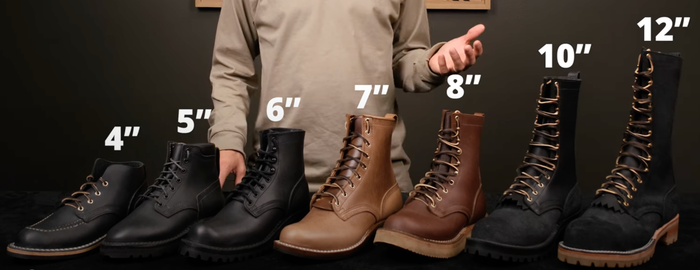
The exact height can vary by brand, shoe size, and boot design. Most mid calf boots reach about 10 to 14 inches above the floor, though some styles may be slightly shorter or taller. The key point is their position on the lower leg.
The word “mid” means the middle. “Calf” refers to the fleshy part of the lower leg behind the shin. Therefore, mid calf boots are named for the place where their shaft ends.
These boots may have:
• A flat sole for daily walking
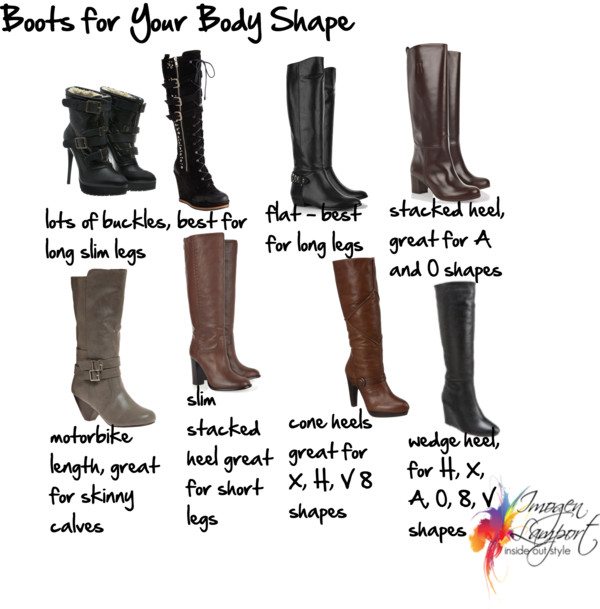
• A low heel for a polished look
• A block heel for added support
• A wedge heel for extra height
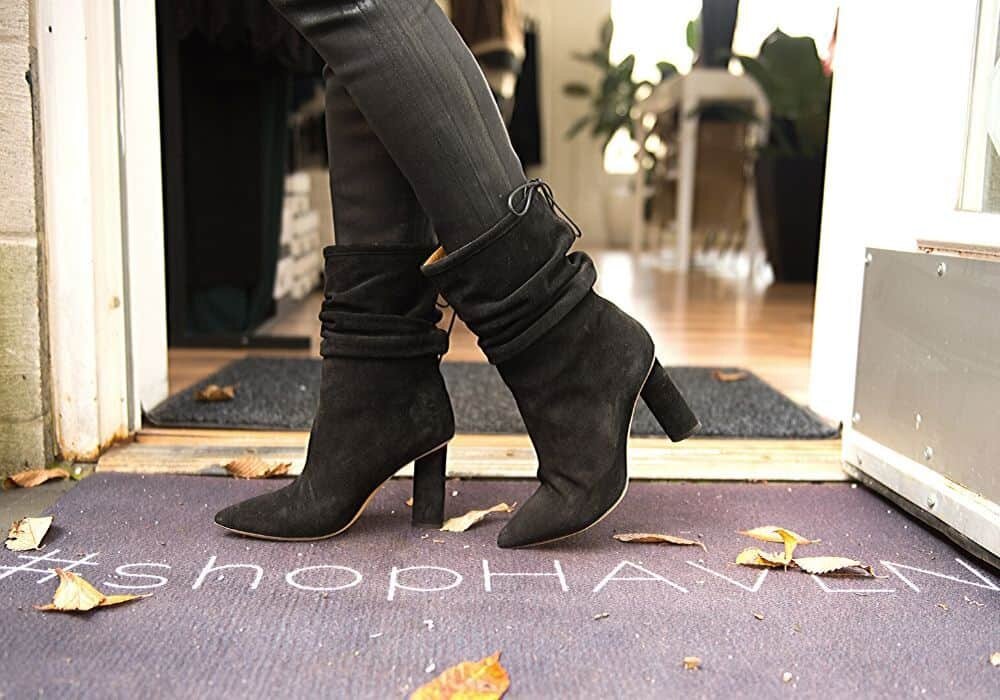
• A slim shaft that hugs the leg
• A relaxed shaft that leaves more room
What does mid calf boots mean in a clothing listing? It usually describes boot height, not a special material or function. The boots may be made from leather, suede, rubber, synthetic fabric, or other materials.

How High Are Mid Calf Boots?
Mid calf boots usually end around the center of the lower leg. They do not reach the knee, but they cover more of the leg than ankle or Chelsea boots.
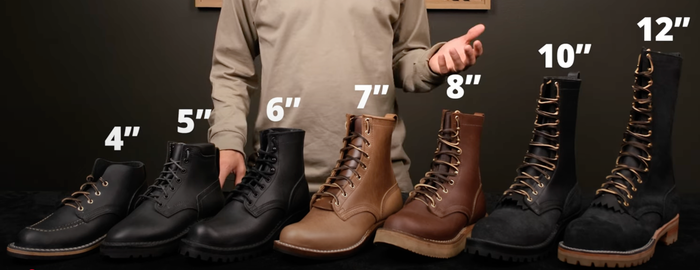
A useful way to understand boot heights is to compare them:
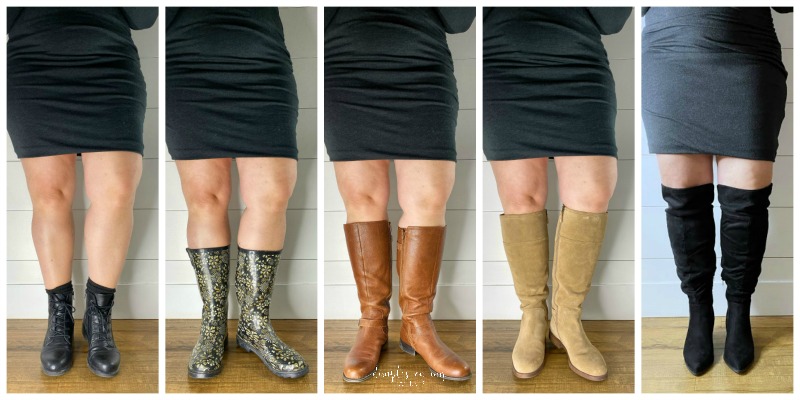
• Ankle boots end at or just above the ankle.
• Mid calf boots end around the middle of the calf.
• Knee high boots end just below the knee.
• Over the knee boots rise above the knee.
Boot height is not always measured in the same way. Some brands measure from the bottom of the heel. Others measure from the insole or the top of the sole. This explains why two pairs with the same listed height may look different.
Your height also changes how boots appear. On a shorter person, mid calf boots may seem closer to knee height. On a taller person, they may look lower on the leg. The shape of your calf matters, too.
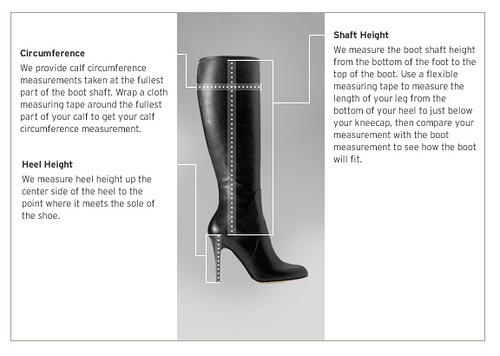
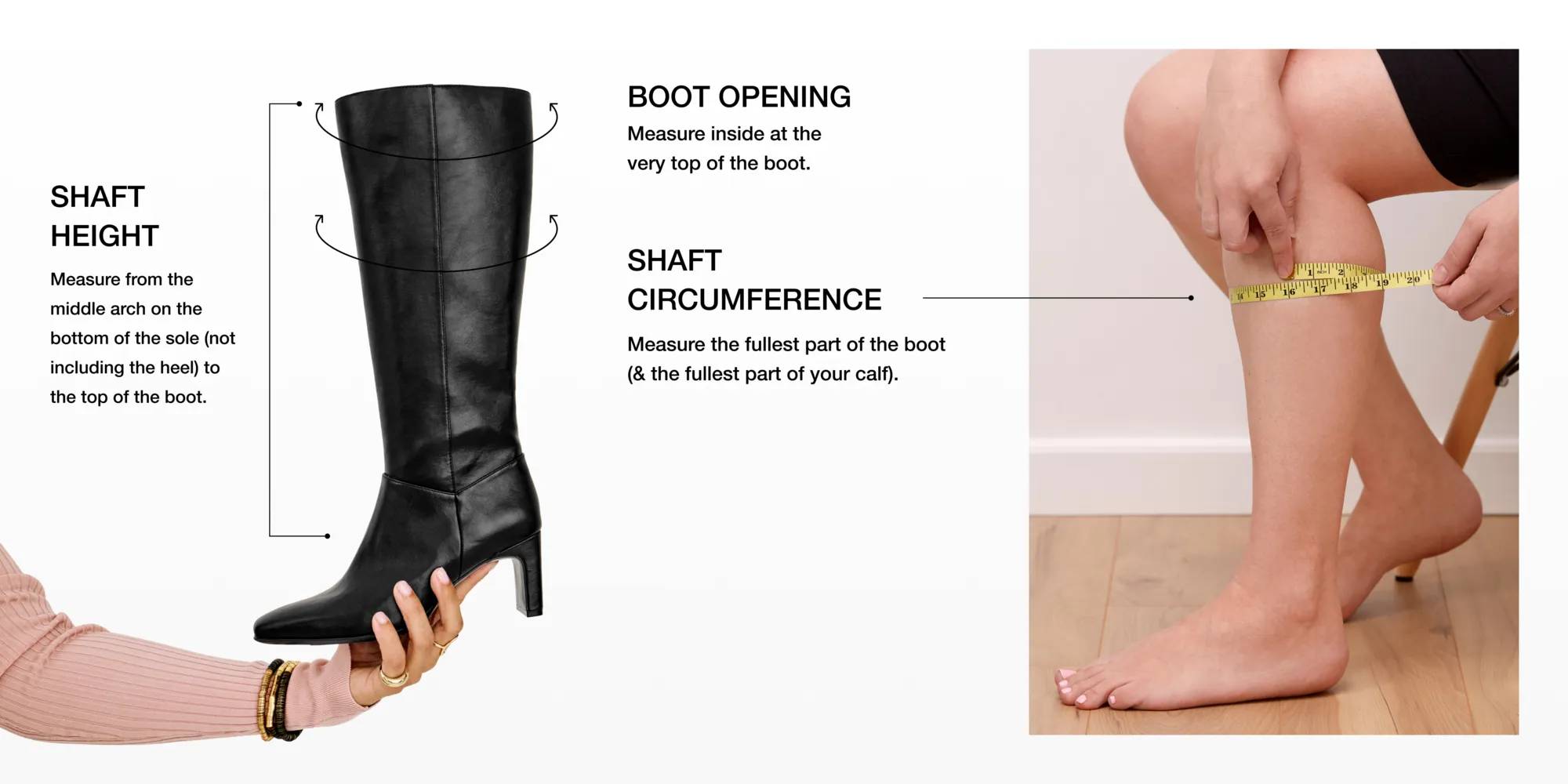
When shopping online, check the product measurements. Look for shaft height, shaft circumference, heel height, and opening width. These details offer a better guide than the words “mid calf” alone.
Mid Calf Boots Compared With Other Boot Styles
Knowing what does mid calf boots mean becomes easier when you compare them with other popular styles. Boot height affects both appearance and practical use.
Mid Calf Boots vs. Ankle Boots
Ankle boots are easier to style with many types of pants. They also feel less warm because they leave most of the lower leg uncovered.
Mid calf boots offer more coverage. They work well in cool weather and create a stronger visual line with dresses, skirts, and slim pants.
Mid Calf Boots vs. Knee High Boots
Knee high boots cover nearly the whole lower leg. They often feel warmer and create a taller, more dramatic look.
Mid calf boots feel less formal and may be easier to walk in. They also allow more room around the knee, which can help when sitting, driving, or climbing stairs.
Mid Calf Boots vs. Cowboy Boots
Many cowboy boots fall around the mid calf, but not all mid calf boots are cowboy boots. Cowboy boots often have a pointed or rounded toe, a stacked heel, decorative stitching, and a western shaft.
A plain leather boot can be mid calf without having any western features.
Mid Calf Boots vs. Riding Boots
Riding boots usually reach below the knee and have a tall, close-fitting shaft. Mid calf boots are shorter and may have a wider range of heel and toe shapes.
This makes mid calf boots more flexible for casual outfits, outdoor use, and everyday wear.
Why Do People Wear Mid Calf Boots?
Mid calf boots combine coverage with flexibility. They protect more of the leg than ankle boots without feeling as enclosing as knee high styles.
Common reasons people choose them include:
• Warmth during fall and mild winter weather
• Protection from light rain, mud, and cold air
• Support during walking
• A balanced look with skirts and dresses
• Extra coverage with cropped pants
• A casual alternative to tall boots
• More space around the knee
They also suit many lifestyles. A person may wear leather mid calf boots to work, suede boots for a weekend outfit, or waterproof boots for outdoor chores.
In my experience, the best part is their middle ground. Tall boots can feel too heavy for some outfits, while ankle boots may not offer enough warmth. Mid calf boots often solve both problems.
Still, the shaft can hit at a tricky point. If it ends at the widest part of your calf, it may draw attention there or feel tight. Choosing the right shaft shape is just as important as choosing the right boot height.
How Should Mid Calf Boots Fit?
A good fit should feel secure without squeezing your foot or calf. The heel should stay mostly in place, and your toes should have enough room to move.
Check these areas before buying:
• Toe box: Your toes should not touch the front of the boot.
• Heel: A small amount of movement is normal in new boots, but excessive slipping can cause blisters.
• Instep: The upper part of your foot should not feel painfully tight.
• Calf: The shaft should sit comfortably without cutting into your leg.
• Ankle: The boot should support the ankle without restricting normal movement.
Try boots while wearing the socks you plan to use. Thick winter socks can change the fit. Also, feet often swell during the day, so afternoon or evening is a useful time to try on boots.
Walk on a clean indoor surface. Bend your knees, climb a few steps, and sit down. These simple tests show whether the shaft rubs, the heel slips, or the sole feels stiff.
One mistake I have seen many shoppers make is choosing a boot based only on foot size. A size 8 boot can still fit poorly if its calf opening or instep shape does not match your leg.
How to Measure for Mid Calf Boots
Measuring your leg can make online shopping much easier. You need a soft measuring tape, a flat surface, and the socks you expect to wear.
Follow these steps:
-
Stand upright with your feet flat on the floor.
-
Measure from the floor beside your heel to the point where you want the boot shaft to end.
-
Measure around the widest part of your calf.
-
Record both measurements in inches or centimeters.
-
Compare your numbers with the brand’s size chart.
Measure both legs if one calf seems larger. Small differences are common. Use the larger measurement when choosing the shaft circumference.
Remember that a boot’s shaft measurement may not include extra room for jeans or thick socks. If you plan to wear bulky clothing, leave additional space.
A flexible panel, elastic gusset, or adjustable buckle can improve comfort. However, stretch material should not be treated as unlimited. It may offer a little extra room, but it cannot fix a boot that is far too narrow.
Best Materials for Mid Calf Boots
The right material depends on how and where you plan to wear the boots.
Leather
Leather is durable, breathable, and easy to maintain when properly cared for. It may soften and shape to your foot over time. Full grain and top grain leather often provide strong wear, but quality varies by brand.
Suede
Suede has a soft texture and a relaxed look. It works well for dry fall days and casual outfits. It needs more care because water and salt can stain the surface.
Rubber
Rubber boots are useful in wet conditions. They resist water and are easy to clean. Their limits include lower breathability and a less polished appearance.
Synthetic Materials
Synthetic leather and textile boots can cost less and offer many colors and finishes. Their durability varies, so check the sole, stitching, lining, and return policy before buying.
No material makes a boot perfect for every setting. Even waterproof boots need care, and leather boots may require conditioning. Follow the care directions supplied by the manufacturer.
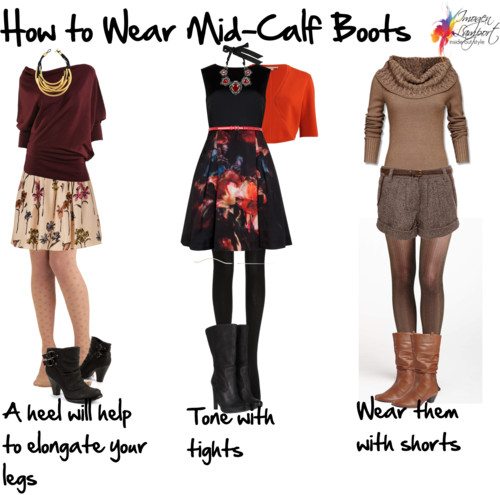
How to Style Mid Calf Boots
What does mid calf boots mean for outfit planning? It means you have a versatile boot that can work with many proportions, but the clothing length matters.
Try these combinations:
• Wear mid calf boots with a midi dress for a balanced fall outfit.
• Pair them with a short skirt and tights for extra coverage.
• Tuck slim jeans or leggings into boots with a wide enough shaft.
• Wear straight leg pants over the boot if the leg opening allows it.
• Combine western inspired boots with denim and a simple shirt.
• Match black boots with dark tights to create a longer visual line.
• Use tan or brown boots to add warmth to neutral clothing.
The space between the boot top and a skirt hem can change the whole look. A small gap may look neat and intentional. A large gap can also work if the colors and proportions feel balanced.
For a longer leg line, choose boots and tights in similar colors. For contrast, choose a lighter boot with dark pants or a dark boot with a light dress.
There is no single correct way to wear them. Comfort and personal style matter more than strict fashion rules.
Benefits and Limitations of Mid Calf Boots
Mid calf boots have several strong benefits, but they are not ideal for every person or activity.
Benefits
• They offer more warmth than ankle boots.
• They provide more coverage in light rain and cold wind.
• They work with dresses, skirts, jeans, and leggings.
• They come in flat, heeled, casual, and formal designs.
• They may feel less restrictive than knee high boots.
• They can add structure to loose clothing.
Limitations
• The shaft may rub against the calf or shin.
• The height can visually divide the leg.
• They may be difficult to wear with wide leg pants.
• Some styles feel warm indoors.
• A tight shaft can become uncomfortable when your legs swell.
• They may not provide enough protection for deep snow or heavy rain.
These limits do not make mid calf boots a poor choice. They simply show why fit, material, and intended use matter. Think of boots as tools: the right pair depends on the job.
Common Mistakes to Avoid When Buying Mid Calf Boots
Many boot problems come from small shopping mistakes. A careful check before purchase can prevent discomfort later.
Avoid these errors:
• Buying by foot size alone
• Ignoring shaft circumference
• Assuming all mid calf boots have the same height
• Wearing thin socks during a fitting when you use thick socks
• Choosing fashion over traction for outdoor use
• Skipping the return policy when shopping online
• Expecting leather to stretch dramatically
• Wearing new boots for a full day before breaking them in
Start with short walks at home. If the boots create pressure points, blisters, or numbness, do not ignore those signs. Pain usually becomes worse, not better, during a long day.
Look at the outsole, too. A deep tread can help on wet or uneven ground. A smooth sole may look refined but offer less grip. For work or outdoor use, traction and stability should come before appearance.
Are Mid Calf Boots Good for Winter?
Mid calf boots can work well in mild to moderate winter weather. Their performance depends on insulation, waterproofing, sole grip, and the socks you wear.
For cold conditions, look for:
• A warm lining
• A sealed or water resistant upper
• A thick outsole
• A treaded bottom
• Enough room for warm socks
• A shaft that blocks wind and snow
Mid calf boots are not automatically snow boots. A fashion boot may have a tall shaft but little insulation or traction. If you live in an area with deep snow, ice, or very low temperatures, choose boots designed for those conditions.
For everyday winter use, apply a suitable protector to leather or suede. Keep boots dry at room temperature, and do not place them directly against a heater. Sudden heat can damage leather and weaken adhesives.
Frequently Asked Questions About What Does Mid Calf Boots Mean
What does mid calf boots mean in shoe descriptions?
It means the boots rise to about the middle of the lower leg. They sit higher than ankle boots and lower than knee high boots.
How tall are mid calf boots?
Most mid calf boots have a shaft that reaches roughly 10 to 14 inches above the floor. Measurements vary by brand, boot size, heel height, and design.
Are mid calf boots comfortable?
They can be very comfortable when the foot and calf fit well. Choose enough toe room, a stable sole, and a shaft that does not pinch or rub.
Can you wear mid calf boots with jeans?
Yes. Slim jeans, leggings, and some straight leg styles can fit inside mid calf boots. Wider jeans may look better worn over the boot.
Are mid calf boots suitable for short people?
Yes. People of any height can wear them. Similar colors between the boots and pants, plus a simple outfit line, can create a taller appearance.
Are mid calf boots the same as knee high boots?
No. Mid calf boots stop around the center of the lower leg, while knee high boots reach just below the knee. The two styles offer different coverage and proportions.
Do mid calf boots work with dresses?
Yes. They pair well with short, midi, and casual dresses. Tights can create a smoother color line and add warmth in cooler weather.
Conclusion
What does mid calf boots mean? It describes boots that rise to the middle of the lower leg, between ankle and knee height. They offer a useful balance of coverage, warmth, comfort, and style.
The best pair depends on shaft height, calf width, material, sole grip, and the outfits you plan to wear. Measure your leg, check the brand’s size chart, and test the boots with your usual socks before committing.
Use this guide when shopping, then explore different colors and shapes to find your ideal pair. If you have a favorite way to wear mid calf boots, share it in the comments or explore more footwear guides for practical styling advice.

Madison Clark is a footwear expert and the voice behind MyStyleGrid.com. She specializes in honest shoe reviews, style tips, and practical guides to help readers find the perfect pair for any occasion. With years of experience in blogging and content creation, Madison makes footwear knowledge simple, stylish, and easy to follow.