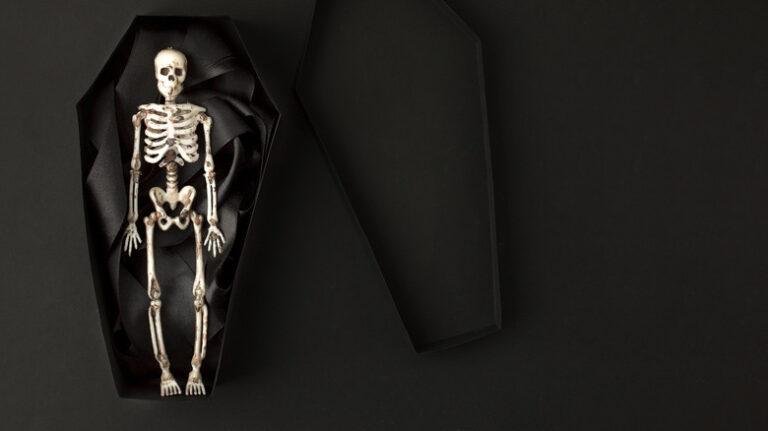
People may be buried without shoes because of religious customs, family wishes, funeral rules, cost, or practical burial concerns.
The question “why are people buried without shoes” has no single answer. Burial customs vary across faiths, cultures, families, funeral homes, and burial grounds. In some cases, removing shoes is a sacred act. In others, it reflects comfort, cost, environmental goals, or the family’s personal choice. This guide explains the main reasons with care and clear context.
Why are people buried without shoes?
People are buried without shoes for several reasons, and the choice is often shaped by belief, tradition, money, or the type of burial selected. Shoes are not required for a legal burial in most places, but local cemetery rules and funeral home policies can affect what is allowed.
Common reasons include:
• Religious or cultural customs
• A preference for simple burial clothing
• Green or natural burial rules
• The cost of shoes and funeral goods
• Practical concerns during preparation
• The person’s final wishes
• Family beliefs about the body and the afterlife
• A lack of suitable shoes at the time of death
It is also important to avoid treating one practice as universal. A person buried without shoes may be following a sacred tradition, while another may simply have chosen a simple funeral. The meaning depends on the person and the community.
Religious and cultural reasons for removing shoes
Religious customs are one of the most important answers to why are people buried without shoes. Many traditions view burial clothing as a sign of humility, purity, equality, or respect. In these settings, bare feet may carry deep spiritual meaning.
Islamic burial customs
In many Muslim communities, the body is washed and wrapped in a simple white cloth called a kafan. The body is generally buried without ordinary clothing, including shoes. The exact practice can vary by local custom, legal rules, and religious interpretation, but simplicity and equality are central ideas.
The shroud reminds mourners that status, wealth, and fashion do not follow a person into death. A wealthy person and a poor person may receive the same simple treatment. This is one reason shoes may not be part of the burial.
Jewish burial customs
Traditional Jewish funerals often use a plain shroud and avoid unnecessary display. Some communities bury people without shoes because simple burial clothing reflects humility and equality before God. Customs can differ among Orthodox, Conservative, Reform, and local Jewish communities.
The key point is that the absence of shoes is not usually about neglect. It can be an intentional part of a respectful and carefully observed funeral.
Other cultural traditions
Some families connect bare feet with returning to the earth. Others see shoes as symbols of worldly life, travel, or social rank. Removing them can represent leaving the material world behind.
Cultural practices may also change after migration. A family may blend an old-country tradition with local funeral customs. Therefore, the best answer to why are people buried without shoes often comes from asking the family or spiritual leader rather than relying on assumptions.


Simplicity, humility, and equality
Shoes can represent work, wealth, identity, and social position. A person’s shoes may show a profession, favorite brand, or personal style. Some families feel that these signs no longer matter after death.
A simple burial can express the belief that all people deserve equal treatment. The body may be dressed in a plain shroud, a basic garment, or clothing with little decoration. In this context, being buried without shoes is part of a wider choice to avoid luxury.
This practice may also comfort mourners. Families sometimes feel that a modest funeral is more honest and meaningful than an expensive display. The focus stays on the person’s life, relationships, and values.
There is no rule that simple means careless. A plain burial can involve careful washing, dressing, prayer, paperwork, and family support. In many traditions, simplicity requires discipline and attention.

Green burial and environmental concerns
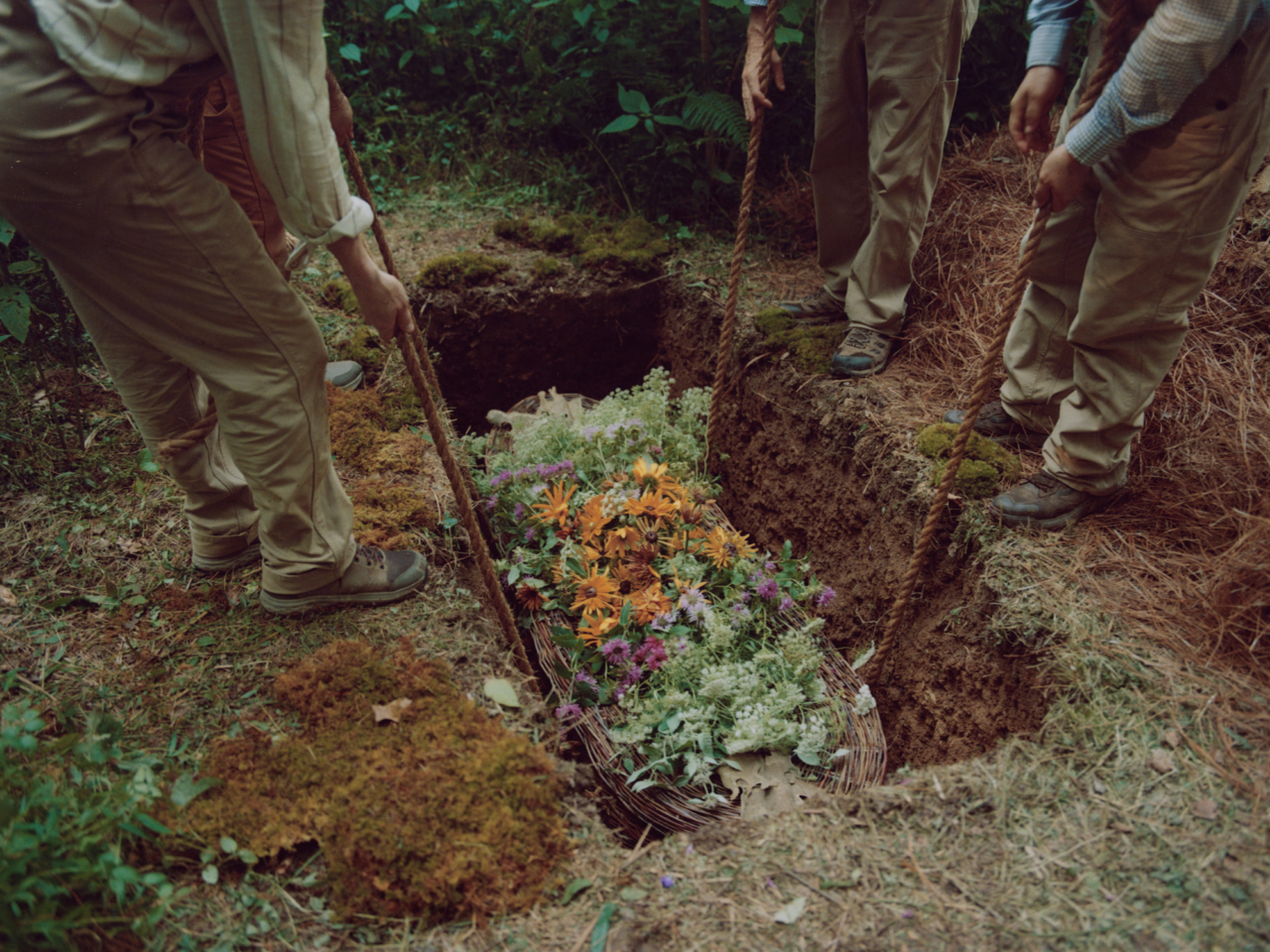
Natural burial is another major reason why are people buried without shoes. A green burial aims to reduce the use of toxic chemicals, metal, plastic, concrete, and nonbiodegradable materials.
Some natural burial grounds ask families to use:
• Biodegradable clothing
• Natural-fiber shrouds
• Untreated wood caskets
• No metal parts or plastic
• No embalming chemicals, where allowed
• Simple footwear, or no footwear
Many modern shoes contain rubber, synthetic foam, plastic, adhesives, and metal. These materials may not break down easily. A natural burial provider may therefore recommend removing shoes or choosing plain footwear made from natural materials.
Rules vary widely. Some green cemeteries allow shoes made from leather, wool, cotton, or other natural fibers. Others permit only a shroud. The family should check the cemetery’s written policy before making plans.
Green burial does not mean the body is ignored or treated as less valuable. It reflects a different view of care: the body returns to the soil with fewer artificial materials. For many people, this makes the funeral feel more connected to nature.
Cost and financial hardship
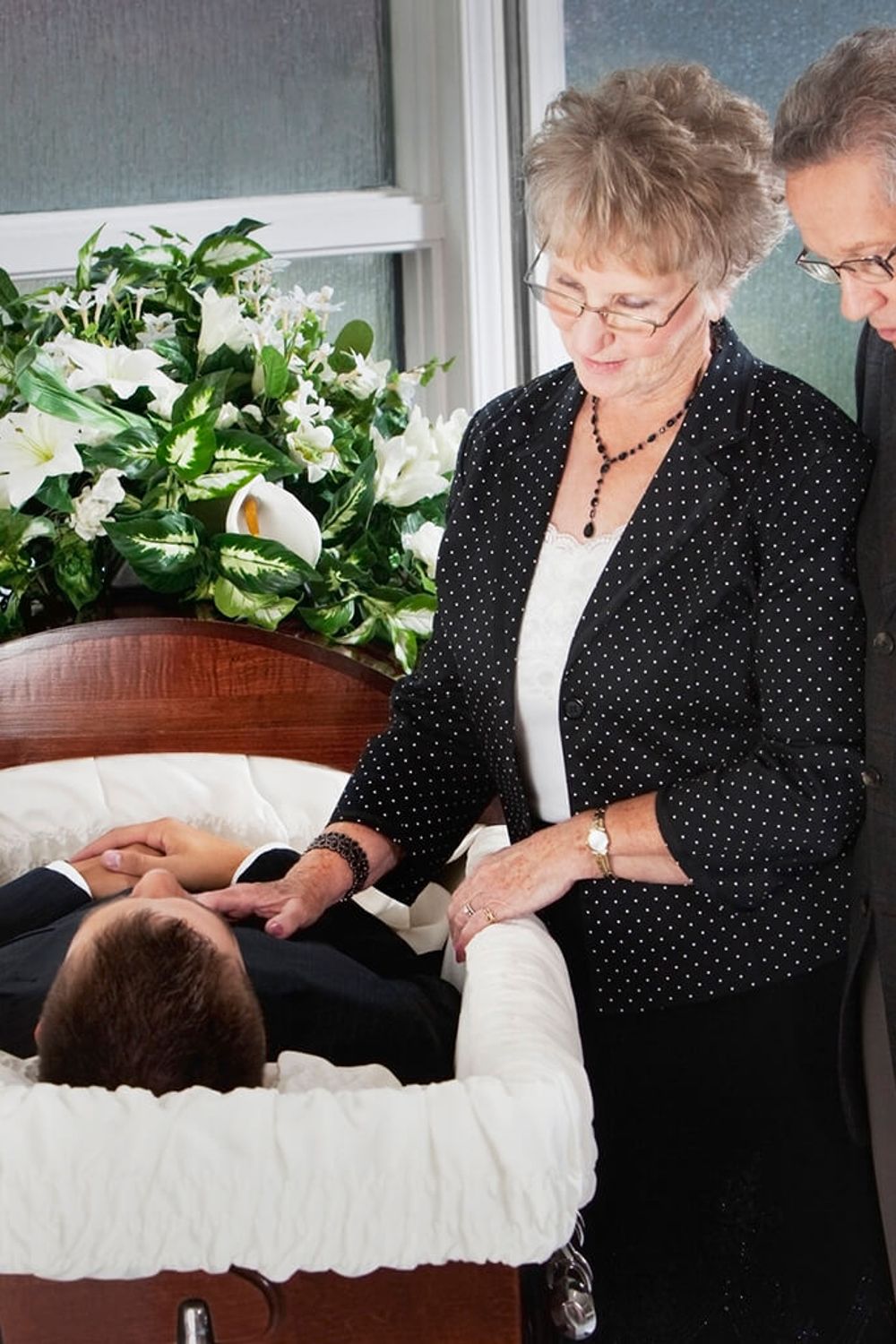
Funerals can be expensive. Families may face costs for a casket, cemetery plot, transportation, embalming, clothing, flowers, and professional services. Shoes may seem like a small expense, but every item can add pressure during grief.
A family may decide not to buy new shoes when the person did not have a suitable pair. In some cases, the person may be buried in a shroud or simple clothing that does not include footwear. This can be a practical decision rather than a spiritual one.
Financial hardship can also affect funeral choices after an unexpected death. Families may need to follow a strict budget while meeting legal and religious requirements. Choosing not to purchase shoes does not show a lack of love.


A useful lesson is to discuss funeral wishes before a crisis occurs. A written plan can tell relatives whether you prefer a simple burial, a green burial, certain clothing, or no shoes. Clear instructions can reduce both conflict and cost.
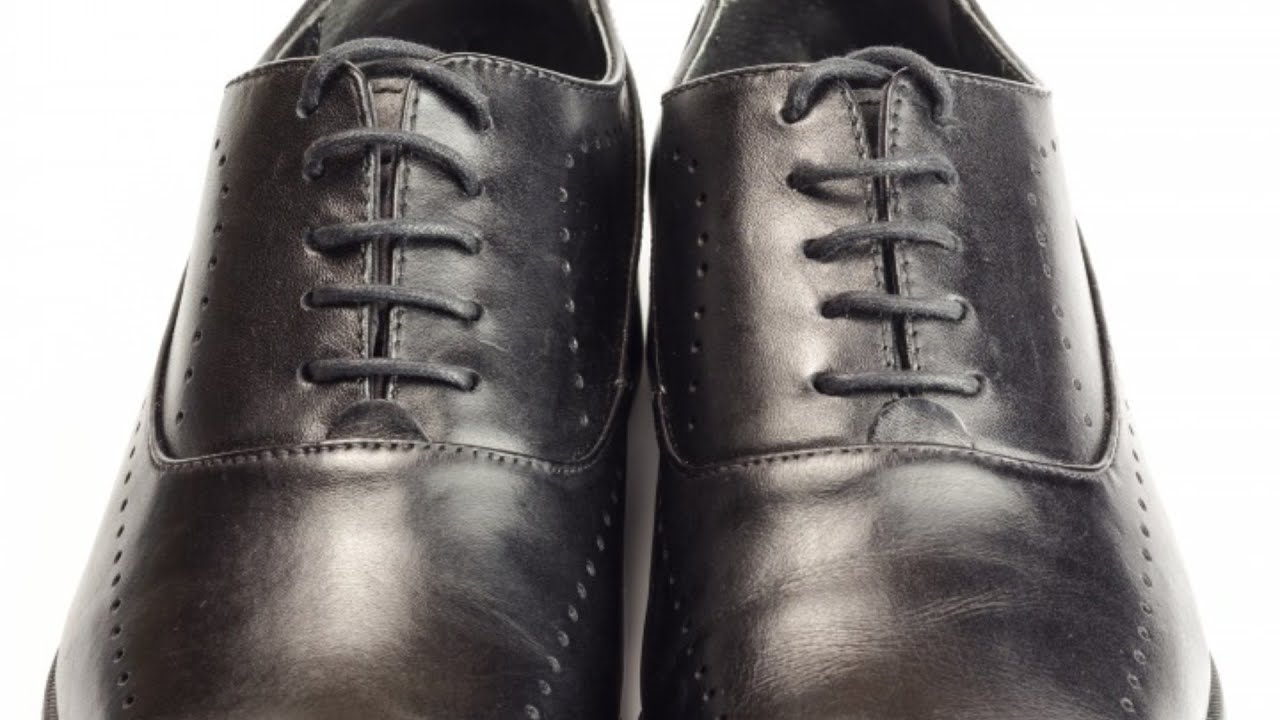
Funeral preparation and practical considerations
Funeral professionals prepare each body according to the family’s wishes, the condition of the body, and local rules. Shoes are not always easy to put on, especially when the feet or legs are swollen, stiff, injured, or affected by medical treatment.
The body also changes after death. Stiffness, called rigor mortis, can make movement difficult for a period of time. Later, natural changes may affect the body’s shape. Funeral staff use respectful methods to position and dress the person, but some clothing choices are more practical than others.
Families may bring shoes that are:
• Too small
• Difficult to open
• Made with rigid soles
• Valuable or sentimental
• Not suitable for a shroud or casket
• Hard to place without disturbing the body
Funeral directors usually explain available choices. A person may wear loose clothing, slippers, socks, or no shoes. There is no need to force a pair of shoes if doing so could damage the clothing or make preparation harder.
Some families also choose to keep the person’s shoes as a memory item. A favorite pair can become part of a memory box, photo display, or family keepsake.
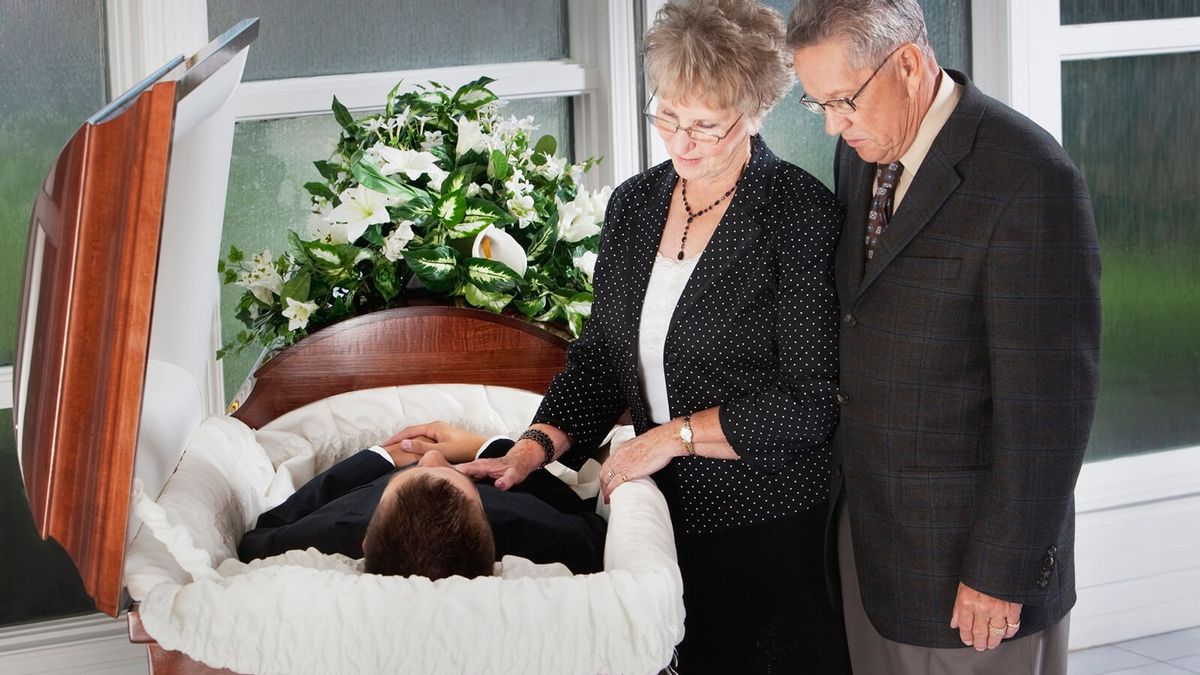
Personal wishes and emotional meaning
The clearest answer to why are people buried without shoes may be the person’s own preference. Some people dislike shoes, prefer to walk barefoot, or want a natural burial. Others may request a particular outfit but say nothing about footwear.
Personal wishes can carry strong emotional meaning. A family may choose to bury someone without shoes because the person loved the beach, garden, farm, or outdoors. Bare feet may remind mourners of childhood, freedom, or a favorite place.
Families should avoid guessing when a written plan exists. If no plan exists, close relatives may consider the person’s faith, values, lifestyle, and past conversations. A funeral director or religious adviser can help settle questions with care.
I cannot claim personal experience working in a funeral home, but a practical lesson from funeral guidance is clear: small details matter. Families often remember the clothing decision for years. Asking about preferences early can prevent guilt and disagreement later.
Are people buried without shoes in the United States?
In the United States, there is usually no nationwide rule that requires a person to be buried with shoes. Burial laws focus more on permits, identification, transportation, cemetery standards, and public health. Clothing and footwear are often left to the family, religious tradition, and cemetery policy.


State and local rules can differ. A cemetery may have requirements about caskets, burial containers, grave depth, or natural materials. A green cemetery may set stricter standards than a conventional cemetery.
Funeral homes also have their own preparation practices. They can explain whether shoes, socks, jewelry, or personal items may be placed in the casket. Families should ask before bringing an item that could conflict with cemetery or crematory rules.
When the law is unclear, use this simple process:
- Ask the funeral director what is permitted.
- Check the cemetery’s burial policy.
- Speak with a religious leader if faith is involved.
- Review the person’s written funeral wishes.
- Choose the option that respects both the person and the rules.
Burial without shoes versus cremation
The question why are people buried without shoes is sometimes confused with cremation. These are different arrangements. A body may be cremated with clothing, but some crematories restrict certain materials because shoes can contain rubber, metal, plastic, or other parts that affect the process.
Crematory policies vary. Families may be asked to remove shoes, jewelry, medical devices, or objects that could create safety problems. A funeral provider should give clear instructions before cremation.
Some families choose simple clothing for both burial and cremation. Others select a meaningful outfit. The best choice depends on the person’s wishes, the provider’s rules, and the family’s comfort.
Do not place items in a casket or cremation container without asking first. Batteries, glass, pressurized objects, and some medical devices can create risks. Professional guidance protects both the staff and the family.
Common misunderstandings about burial without shoes
Many myths surround funeral customs. Some people believe that shoes are always removed because the body will need them in the afterlife. Others think a person without shoes was not respected or was buried in a hurry.
These claims are not universal facts. Beliefs about the afterlife differ across religions and families. In many cases, no shoes simply means the family chose a shroud, followed a custom, or selected a natural burial.
Another misunderstanding is that shoes always slow decomposition. The effect depends on the shoe’s material, the burial setting, the casket, moisture, temperature, and soil. Removing shoes may reduce artificial materials, but it does not create one predictable outcome.
The most respectful approach is to avoid judging from appearance. Funeral choices often reflect private beliefs, limited resources, or instructions that outsiders do not know.
How families can choose appropriate burial clothing
If you are planning a funeral, start with the person’s wishes. Look for a written funeral plan, will, religious instruction, or past conversation. If no clear choice exists, speak with close family members before making a decision.
Consider these questions:


• Did the person follow a religious or cultural tradition?
• Did they want a green or natural burial?
• Is the cemetery open to shoes and personal items?
• Would a shroud or simple garment be more suitable?
• Are the shoes easy to place and free of restricted materials?
• Would the family value the shoes as a keepsake?
• Does the choice fit the funeral budget?
Avoid buying expensive items simply because you feel pressured. A clean, meaningful, and permitted outfit is usually enough. Ask the funeral director for practical advice, especially if the person’s body has swelling, injuries, or other conditions that affect dressing.
The goal is not to create a perfect image. The goal is to honor the person with dignity, care, and respect.
Frequently Asked Questions About Why Are People Buried Without Shoes
Why are people buried without shoes in some religions?
Some religious traditions use a simple shroud or plain burial clothing. Removing shoes may represent humility, equality, purity, or separation from worldly status. Practices differ, so families should follow their own religious guidance.
Is it legally required to bury someone without shoes?
Usually, no. In many places, footwear is a personal or religious choice, but cemetery and funeral provider rules may apply. Always confirm the policy before making arrangements.
Do shoes prevent a body from decomposing?
Shoes may contain materials that break down slowly, but they do not control decomposition by themselves. Soil, moisture, temperature, embalming, the casket, and burial conditions have a much greater effect.
Can a person be buried in their favorite shoes?
Often, yes, if the cemetery and funeral provider permit them. Some natural burial sites or crematories restrict rubber, plastic, metal, or synthetic materials, so ask before bringing the shoes.
Is burying someone without shoes disrespectful?
Not necessarily. It may be a respectful religious practice, a personal request, an environmental choice, or a practical decision. Respect depends on the person’s wishes and the family’s beliefs, not simply on whether shoes are present.
What should a family do if it cannot afford funeral shoes?
The family can choose simple clothing, use an existing pair, select a shroud, or ask the funeral provider about low-cost options. A meaningful funeral does not require expensive footwear or luxury goods.
Conclusion
Why are people buried without shoes? The answer may involve faith, culture, humility, natural burial, cost, preparation needs, or a person’s final wishes. No single explanation applies to every funeral, and the absence of shoes does not indicate a lack of dignity or care.
If you are planning a funeral, check the person’s wishes, speak with the funeral director, and review the cemetery’s rules. A simple choice can still carry deep meaning. Explore local funeral guidance, discuss your preferences with loved ones, and share your thoughts or questions in the comments.

Rubel Miah is the Senior Editor at MyStyleGrid.com, where he brings a sharp editorial eye and an unshakable love for fashion to everything he does. A true style addict, Rubel lives and breathes trends, from streetwear to high fashion, and has a knack for turning inspiration into impactful stories. With years of experience in fashion journalism and digital media, he curates content that empowers readers to express themselves through style. When he’s not editing features or forecasting the next big thing, you’ll find him hunting down vintage pieces or capturing street style moments around the city.