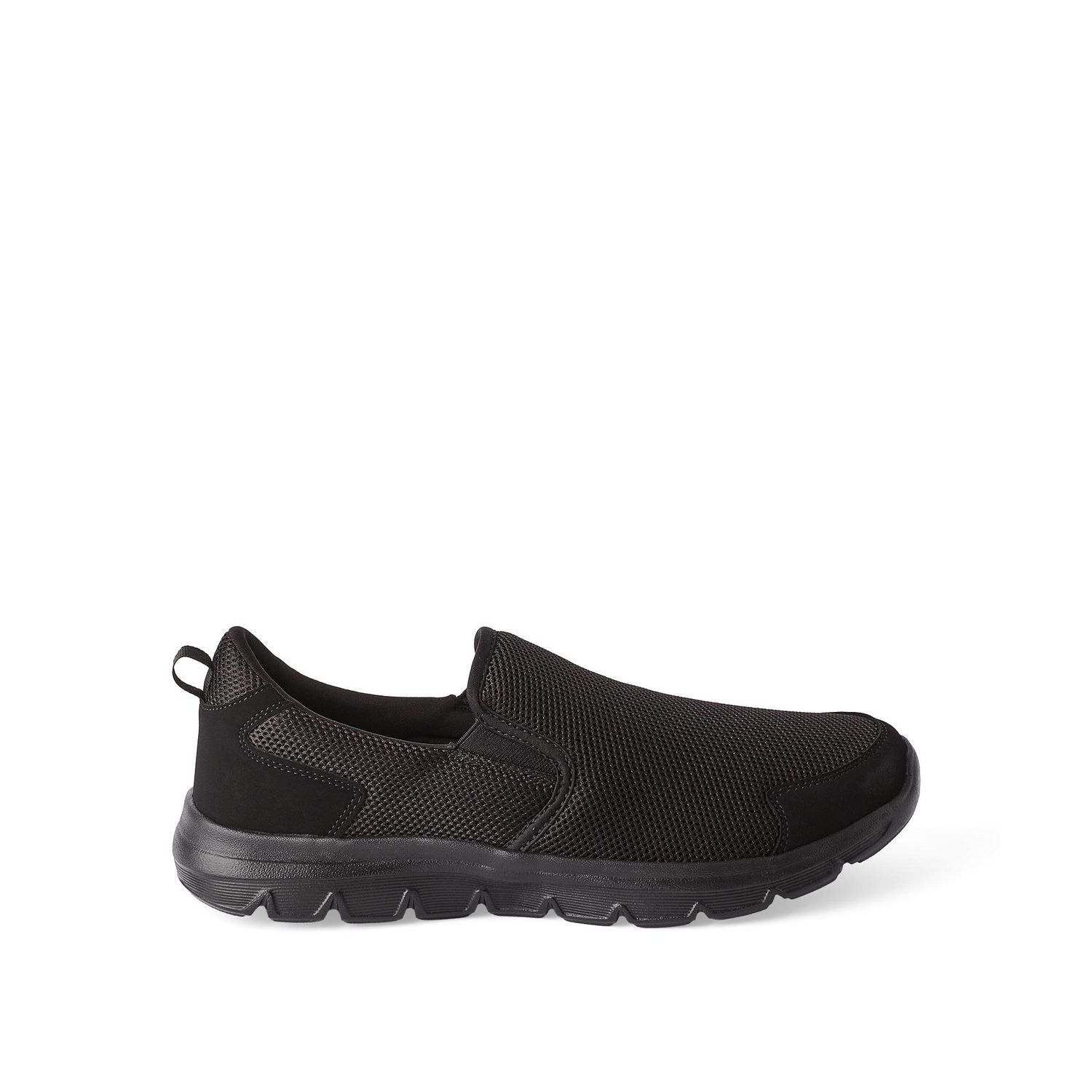
Some Athletic Works shoes are slip resistant, but not every pair is made for wet or greasy floors.
If you are asking, “are athletic works shoes non slip,” the honest answer depends on the exact model, outsole, and product label. Athletic Works makes many types of walking, running, work, and casual shoes, so traction can vary widely. This guide explains how to check the claim, where these shoes work well, and when you should choose certified work footwear instead.
Are Athletic Works shoes non slip?
Some Athletic Works shoes have rubber outsoles and tread patterns that help reduce slipping. However, the Athletic Works name alone does not guarantee that every shoe is non-slip or approved for workplace use.
The key difference is between a shoe that feels grippy and a shoe tested for slip resistance. A casual sneaker may perform well on a dry sidewalk but lose traction on cooking oil, soap, water, or a polished tile floor.
So, are athletic works shoes non slip in every situation? No. Check the specific product description, box, tongue label, and outsole before you buy.
Many models are better described as slip resistant rather than fully non-slip. “Slip resistant” usually means the sole is designed to improve traction. It does not mean the shoe will prevent every fall.
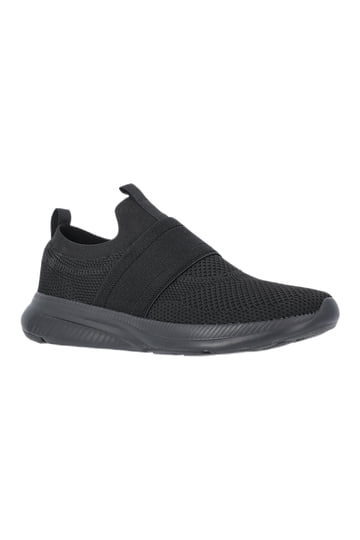
How to tell if Athletic Works shoes offer good traction
When checking whether are athletic works shoes non slip, focus on the shoe itself rather than only the brand name. Look for clear signs of a traction-focused design.
Check the product description
Retail listings may use terms such as:
- Slip resistant
- Oil resistant
- Traction outsole
- Work shoe
- Rubber outsole
- Tested for slip resistance
These terms are useful, but they do not all mean the same thing. A rubber outsole can provide grip, yet the tread design and rubber compound also matter.
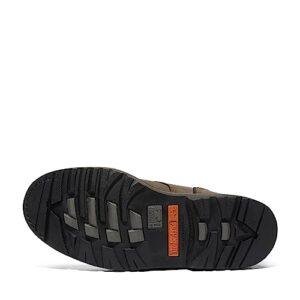
Examine the outsole
Turn the shoe over and study the bottom. A useful work outsole often has:
- Deep grooves that move water away
- Many small contact points
- Flexible rubber
- A flat and stable heel
- Tread that reaches the edges of the sole
Avoid smooth soles if you work around spills. A mostly flat fashion sole may slide more easily on wet floors.
Look for a secure fit
Traction is not only about the outsole. A loose heel, narrow toe box, or poor arch fit can make your foot move inside the shoe. That movement can reduce balance, especially when you turn or stop fast.
Are athletic works shoes non slip if they do not fit correctly? Even a grippy sole may not protect you from a poor fit. Your heel should stay in place, and your toes should have room to move.

Where Athletic Works shoes may work well
Athletic Works shoes can be a practical choice for light daily use. They may suit people who need an affordable sneaker for walking, errands, school, or casual work.
They can also perform well on clean, dry surfaces such as:
- Sidewalks
- Indoor floors
- Shopping centers
- School halls
- Office spaces
- Home floors
Are athletic works shoes non slip on these surfaces? Many pairs may feel stable, especially when the outsole is new and the floor is dry.
Still, light use is different from demanding work. A shoe used in a restaurant, hospital, warehouse, or factory must handle more than normal walking. These settings may involve grease, water, chemicals, metal, and long hours on hard floors.
If your job has frequent spills, do not rely on appearance alone. Ask your employer what footwear standard is required.
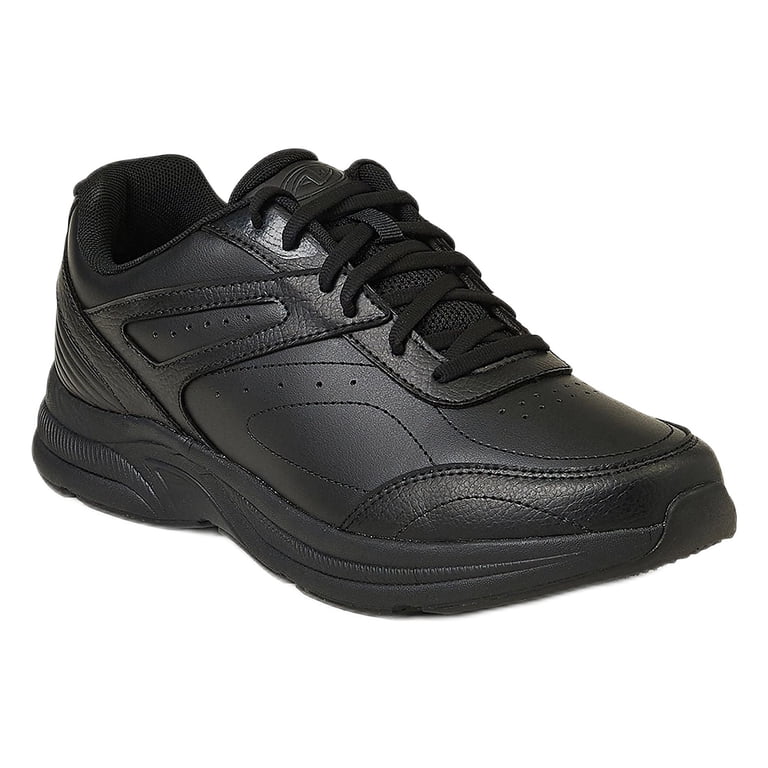
Where these shoes may not be enough
Athletic Works shoes may not provide enough protection for high-risk work areas. The main concern is that not every model has a tested slip rating or a sole designed for oil and grease.
Use caution in places such as:
- Restaurant kitchens
- Cafeterias
- Hospitals with frequent liquid spills
- Grocery store stockrooms
- Car repair shops
- Outdoor areas with rain or ice
- Construction sites
- Industrial plants
Are athletic works shoes non slip on greasy restaurant floors? You should not assume so unless the exact model states that it is designed and tested for that use.
Grease can act like a thin layer of ice. Even a shoe with deep tread may slide if the rubber compound is not suited to oily surfaces. Wet tile can also be risky when dirt fills the tread.
Another concern is protection. A regular Athletic Works sneaker may not have a safety toe, puncture-resistant midsole, electrical hazard protection, or chemical-resistant materials.

Slip resistant versus non-slip shoes
People often use “non-slip” and “slip resistant” as if they mean the same thing. In practice, “slip resistant” is the more careful term.
A slip-resistant shoe is designed to lower the chance of slipping under certain test conditions. Results can change with the floor, liquid, pressure, walking speed, and condition of the outsole.
A non-slip claim should never be treated as a promise that you cannot fall. No shoe can create perfect traction on every surface.
When someone asks, are athletic works shoes non slip, the best answer is this: some models may offer useful slip resistance, but you must verify the model and work environment.
Industry testing often measures a shoe on wet, oily, or contaminated surfaces. Standards can help compare products, but a test result does not remove the need for careful walking and clean floors.
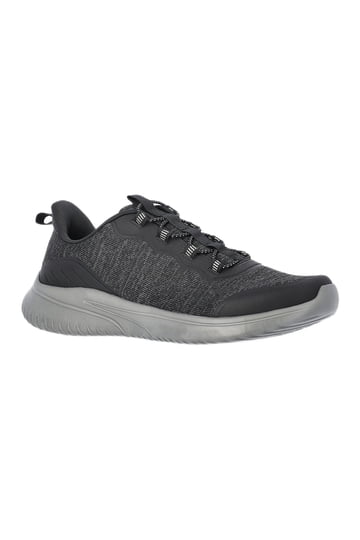
My practical experience with testing shoe traction
When I assess budget work shoes, I pay close attention to the first few days of wear. New tread can feel strong at first, but dust, food residue, and worn rubber can change performance quickly.
One mistake people make is testing shoes only on a dry floor. That gives a false sense of security. A better check is to walk slowly across several normal surfaces and notice whether the heel stays stable during turns.
I also look at how easy the tread is to clean. Small grooves can hold grit and grease. Once the tread fills with dirt, the shoe may lose the very traction that made it feel safe when new.
My practical advice is simple:
- Read the exact product details.
- Inspect the outsole before wearing the shoes to work.
- Test them slowly on clean, damp ground.
- Replace them when the tread becomes smooth.
- Follow your employer’s footwear policy.
The lesson is that a low price can be helpful, but a cheap shoe is not a bargain if it causes a fall or fails a workplace safety rule.

Benefits of Athletic Works shoes
Athletic Works shoes can offer several benefits for everyday wear. Their main appeal is often the balance of price, comfort, and casual style.
Affordable everyday comfort
Many models use lightweight materials and cushioned insoles. This can make them comfortable for short walks, errands, and normal daily activity.
Easy to find
Athletic Works shoes are widely sold through major retail stores. That makes it easier to compare sizes, try them on, and replace them without a long wait.
Sporty design
The athletic shape may provide more flexibility than a stiff traditional work shoe. This can help people who spend part of the day walking.
Useful traction on normal surfaces
Some models have textured rubber soles that grip well on dry pavement and indoor floors. This does not make every model a commercial kitchen shoe, but it can improve everyday stability.
Are athletic works shoes non slip enough for casual use? In many cases, a model with a textured rubber outsole may be suitable for ordinary walking. The risk level rises when the floor is wet, oily, steep, or uneven.
Limitations to consider before buying
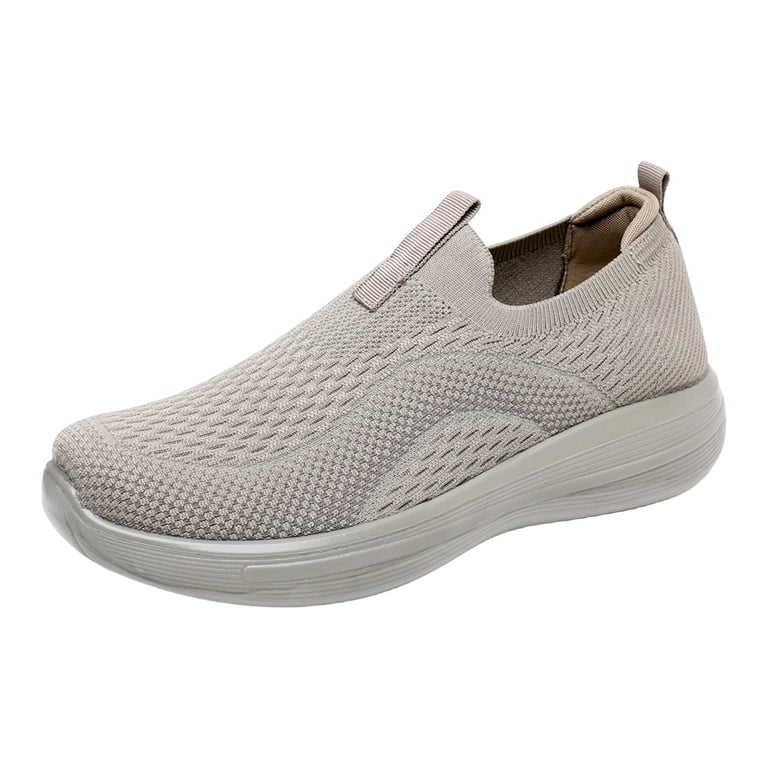
The biggest limitation is model variation. Athletic Works shoes are not one single product. Materials, tread patterns, cushioning, and labels can differ from one pair to another.
Other limitations may include:
- No published slip test for the exact model
- Limited resistance to oil or grease
- Mesh uppers that absorb water
- Tread that wears down quickly
- Less support for long shifts
- No protective toe or puncture protection
- Weak heel stability on uneven ground
Are athletic works shoes non slip after months of use? That depends on wear. Once the tread becomes shallow or rounded, traction can drop even if the shoe still looks presentable.
Comfort is also personal. A soft insole may feel good for an hour but lack support during a ten-hour shift. If you stand all day, look for firm heel support, a stable base, and enough cushioning without excessive softness.

A simple buying checklist
Use this checklist before choosing Athletic Works shoes for work or daily use.
For casual walking
Choose a model with:
- A textured rubber outsole
- A secure heel fit
- Flexible forefoot support
- Adequate toe room
- A removable or cushioned insole
For wet indoor floors
Look for:
- A product label that clearly says slip resistant
- A tread pattern with small channels
- A rubber compound made for traction
- A closed upper that is easy to clean
- A stable heel and wide contact area
For kitchens or medical work
Ask whether the shoe has:
- Slip testing information
- Oil resistance
- Easy-clean materials
- A workplace-approved design
- Enough support for long shifts
Are athletic works shoes non slip for a professional kitchen? Only use them if the exact pair meets your employer’s rules and clearly supports that type of work.
If the product page is unclear, contact the seller or choose a work shoe with a clear safety rating. Uncertainty is a poor trade for a job where spills are common.
How to improve traction and extend shoe life
Even good slip-resistant shoes need care. Clean the outsole often with warm water, mild soap, and a brush. Remove trapped dirt from the grooves, then let the shoes dry fully.
Do not use harsh chemicals unless the manufacturer allows them. Some cleaners can damage rubber or make the sole hard.
Replace the shoes when you notice:
- Smooth tread
- Cracks in the outsole
- Uneven wear
- A loose heel
- Loss of cushioning
- Separation between the sole and upper
Do not sand the outsole to “restore” grip. This can create an uneven surface and may remove the tread pattern that helps control water.
Are athletic works shoes non slip when the sole is worn smooth? No shoe should be trusted after its traction pattern has disappeared. Shoe condition matters as much as the original design.
Frequently Asked Questions
Are all Athletic Works shoes slip resistant?
No. Athletic Works sells different shoe styles, and some have more traction than others. Check the exact model description and outsole before buying.
Can I wear Athletic Works shoes in a restaurant kitchen?
Only if the exact model is labeled for slip resistance and meets your workplace policy. Regular athletic sneakers may not handle grease, water, or long shifts safely.
Are Athletic Works shoes non slip on wet floors?
Some models may grip well on damp floors, but no shoe is safe on every wet surface. Water, soap, oil, dirt, and worn tread can all reduce traction.
How can I test Athletic Works shoe traction?
Walk slowly on clean, dry ground first, then try a clean damp surface in a safe area. Do not test shoes on grease, stairs, or busy walkways where a fall could occur.
Do Athletic Works shoes have oil-resistant soles?
Some models may offer oil resistance, but it is not safe to assume that every pair does. Look for an explicit oil-resistant or work-shoe claim for the exact model.
How long do Athletic Works shoes stay slip resistant?
There is no fixed time because use, floor type, cleaning, and body weight all affect wear. Inspect the tread often and replace the shoes when the grooves become shallow or smooth.
Conclusion
Are athletic works shoes non slip? Some Athletic Works models can provide useful traction for walking and light daily use, but the brand does not make every pair suitable for wet, oily, or high-risk workplaces.
Check the exact label, inspect the outsole, consider your work surface, and follow your employer’s safety rules. If spills and grease are common, choose footwear with clear slip testing and work-specific protection. Compare the model carefully, and share your experience or questions in the comments.

Rubel Miah is the Senior Editor at MyStyleGrid.com, where he brings a sharp editorial eye and an unshakable love for fashion to everything he does. A true style addict, Rubel lives and breathes trends, from streetwear to high fashion, and has a knack for turning inspiration into impactful stories. With years of experience in fashion journalism and digital media, he curates content that empowers readers to express themselves through style. When he’s not editing features or forecasting the next big thing, you’ll find him hunting down vintage pieces or capturing street style moments around the city.