Some sneakers are non-slip shoes, but most everyday sneakers are not designed or tested for slip resistance.
The answer depends on the sneaker’s outsole, tread, rubber compound, and test rating. This guide explains how to tell whether sneakers are non-slip shoes, where they work best, and when you need certified footwear for kitchens, hospitals, warehouses, or other high-risk floors.
Are Sneakers Non-Slip Shoes?
Some sneakers are non-slip shoes, but the word “sneaker” alone does not guarantee safe traction. Sneakers are made for many uses, including walking, running, fashion, gym training, and work. Each type may use a very different outsole.
A non-slip sneaker usually has:
• A rubber outsole made for grip
• Deep or multi-directional tread
• Channels that move water, oil, or other liquids away
• A stable heel and firm midsole
• A design tested on wet, oily, or smooth surfaces
Standard athletic sneakers may grip dry sidewalks well. However, they can become slippery on wet tile, grease, polished concrete, or soapy floors. This is why are sneakers non slip shoes is not a simple yes-or-no question.
A sneaker may also lose grip as its tread wears down. Even a shoe sold as slip-resistant needs regular inspection. In my experience comparing work sneakers with ordinary running shoes, the biggest mistake is judging grip by how the sole feels in your hand. A soft sole can feel sticky but still slide on a wet floor.
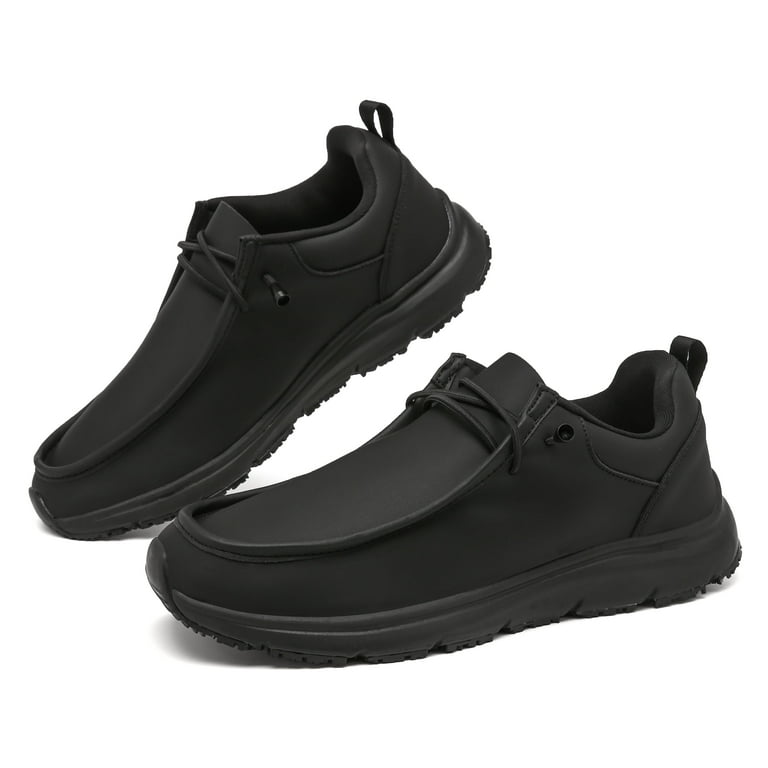
What Makes a Sneaker Slip-Resistant?
A slip-resistant sneaker is built to manage friction. Friction is the force that helps your foot stay connected to the floor. The outsole must create enough contact with the surface to reduce sliding when you walk, turn, stop, or carry weight.
Outsole material
Rubber is often used for slip-resistant footwear because it can provide strong contact with many indoor surfaces. Still, not all rubber performs the same way. The rubber compound, hardness, temperature, and floor condition all affect traction.
Some running shoes use lightweight foam or rubber blends that are excellent for roads and tracks. These materials may not perform well around cooking oil or cleaning fluids. Work sneakers often use denser rubber made for commercial floors.
Tread pattern
The tread is the pattern under the shoe. Good slip-resistant tread often includes:
• Small channels that push liquid away
• Multiple directions for grip during turns
• Closely spaced grooves for smooth floors
• Flat contact zones for stable footing
• Edges that help prevent side-to-side sliding
Large, widely spaced lugs can work well on dirt or trails. They may not be ideal in a kitchen because grease can fill the gaps. For indoor work, a flatter, flexible tread often gives better contact.
Flexibility and stability
A shoe should bend near the ball of the foot, but it should not twist too easily from side to side. Excessive twisting can make balance harder, especially when you move quickly.
A stable heel counter can also help keep your foot aligned. This does not make a sneaker non-slip by itself, but it can improve control and reduce awkward foot movement.

How to Tell If Sneakers Are Non-Slip
Product labels can help, but they should not be your only test. The terms “grippy,” “traction,” and “all-day comfort” are marketing phrases. They do not always mean the shoe passed a recognized slip-resistance test.
Use these steps before buying:
-
Read the product description
Look for terms such as “slip-resistant outsole,” “oil-resistant outsole,” or “tested for wet and dry surfaces.” -
Check the outsole photos
Look for a full rubber sole with visible grooves. Avoid smooth, worn, or shallow tread if you work on wet floors. -
Review the intended use
A shoe made for restaurants, healthcare, cleaning, or warehouse work is more likely to address slip hazards than a casual fashion sneaker. -
Look for test information
Some manufacturers provide details about laboratory testing. In the United States, slip-resistance claims may refer to tests such as ASTM F2913, although test results can vary by floor, liquid, and shoe condition. -
Check the return policy
Traction depends on your actual workplace. A shoe that grips well at home may perform differently on a commercial kitchen floor. -
Ask your employer
Some workplaces require specific footwear, certifications, or outsole types. A comfortable sneaker may not meet company safety rules.
If you are wondering are sneakers non slip shoes for a job, focus on the exact model. Two sneakers from the same brand can have very different outsoles.

Are Running Sneakers Non-Slip?
Most running sneakers are not automatically non-slip shoes. They are designed mainly for forward movement on roads, tracks, and running paths. Their tread may provide good traction on dry pavement but less grip on oil, water, or smooth indoor floors.
Running shoes also often use lightweight foam. Foam can improve comfort and reduce weight, but it may not offer the same floor contact as a work-rated rubber outsole.
A running sneaker may be suitable for:
• Walking on dry sidewalks
• Light errands
• Gym workouts with clean floors
• Casual daily use
• Short periods of standing
It may be a poor choice for:
• Restaurant kitchens
• Wet hospital floors
• Greasy food preparation areas
• Car washes
• Industrial work zones
• Floors covered with cleaning chemicals
A common mistake is wearing old running shoes for work because they already feel comfortable. Comfort matters, but it cannot replace traction. If the outsole is worn smooth, the shoe may slide even when it once had excellent grip.

Are Walking Sneakers Non-Slip?
Walking sneakers can be non-slip shoes when they use a slip-resistant rubber outsole. However, many walking sneakers are made only for comfort and light outdoor use.
Check the sole before assuming a walking shoe is safe. A good work walking sneaker should have a firm outsole, clear tread, and a secure fit. It should also resist compression after many hours of standing.
For people who walk on tile or concrete all day, cushioning is helpful. Yet excessive softness can reduce stability. The best shoe balances cushioning with a stable base.
Look for:
• A wide, stable contact area
• Moderate cushioning
• A heel that does not wobble
• A flexible forefoot
• Tread that stays in contact with smooth floors
• A low heel-to-toe drop if it improves your balance
Walking sneakers may work well in retail, light office work, or everyday errands. They may not provide enough protection for high-risk industrial surfaces.
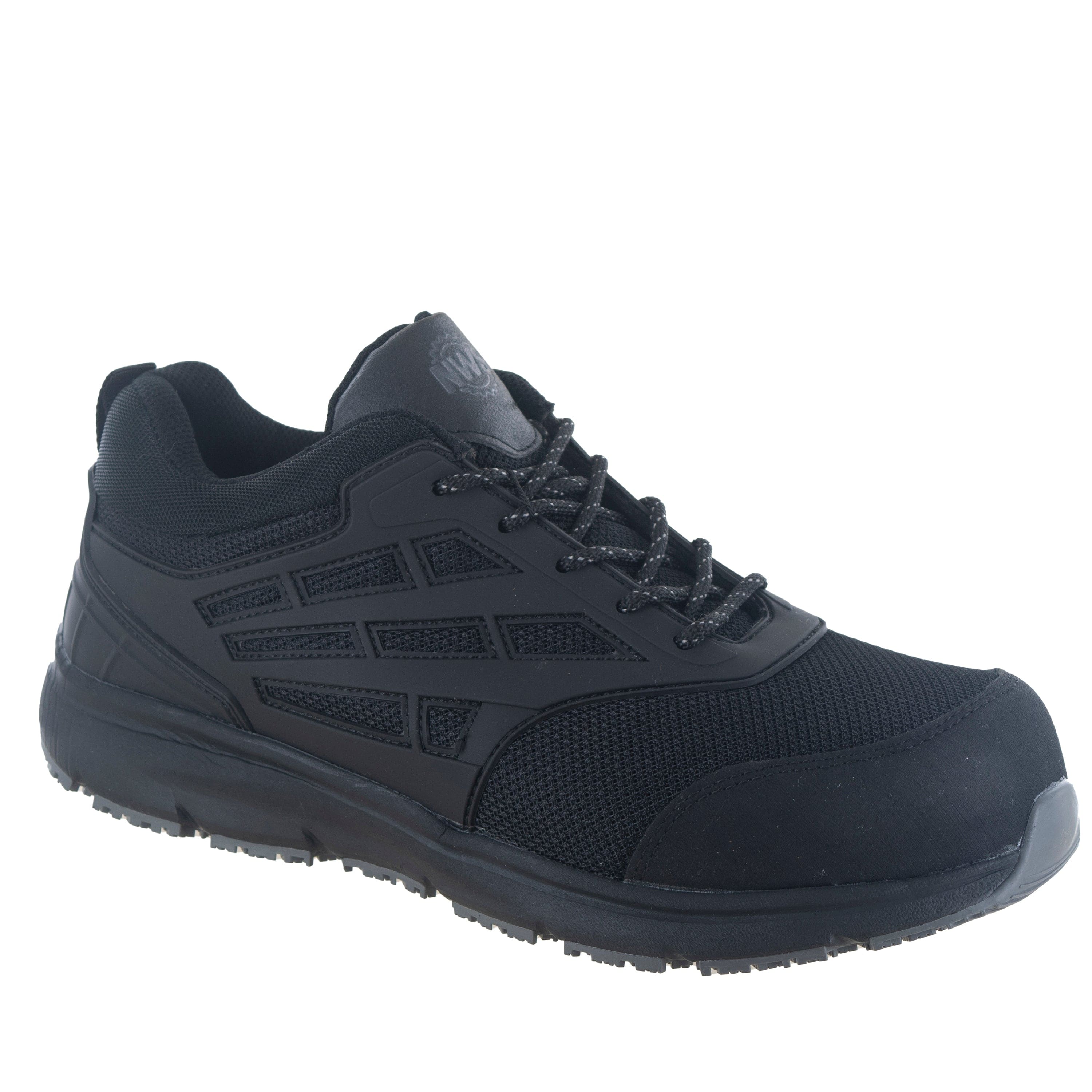
Are Knit or Mesh Sneakers Slip-Resistant?
Knit and mesh describe the upper part of a shoe, not the outsole. A mesh sneaker can have excellent traction if it uses a strong slip-resistant sole. It can also be slippery if the sole is smooth.
The upper does affect workplace safety in other ways. Mesh may allow air to flow, but it can absorb liquids and may offer less protection from spills. In a kitchen or laboratory, a water-resistant upper may be more practical.
Consider both parts:
• The outsole controls floor traction
• The upper affects water and spill protection
• The midsole affects cushioning and stability
• The fit affects foot control
• The laces or straps affect security
When asking are sneakers non slip shoes, do not judge them by color, fabric, or appearance. Turn them over and inspect the outsole first.
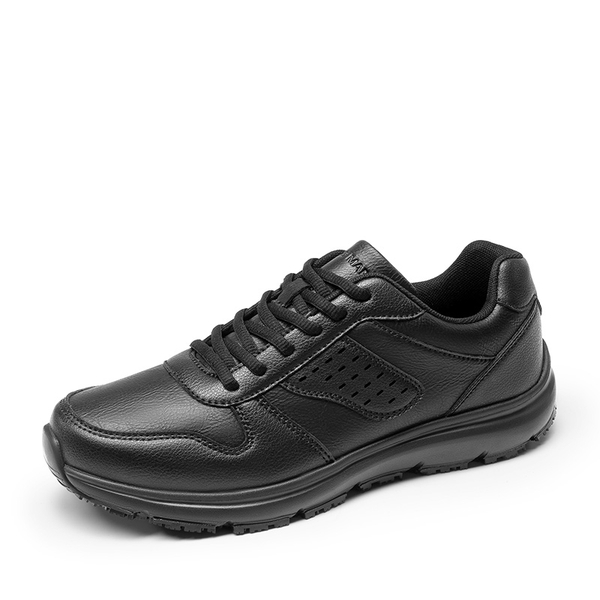
Where Should You Wear Non-Slip Sneakers?
Non-slip sneakers are useful anywhere floors may become wet, oily, soapy, dusty, or polished. They are common in jobs that involve long hours of standing and frequent movement.
Typical workplaces include:
• Restaurants and commercial kitchens
• Cafes and food service areas
• Hospitals and care homes
• Grocery stores
• Hotels and housekeeping
• Salons and spas
• Warehouses and delivery areas
• Manufacturing plants
• Cleaning services
• Veterinary clinics
Even in these settings, the right shoe depends on the hazard. A food worker may need oil-resistant footwear. A warehouse worker may need safety toes. A healthcare worker may need easy-clean materials and strong wet-floor traction.
Non-slip does not mean puncture-resistant, electrical-hazard rated, chemical-resistant, or impact-resistant. Check all job requirements before choosing a pair.
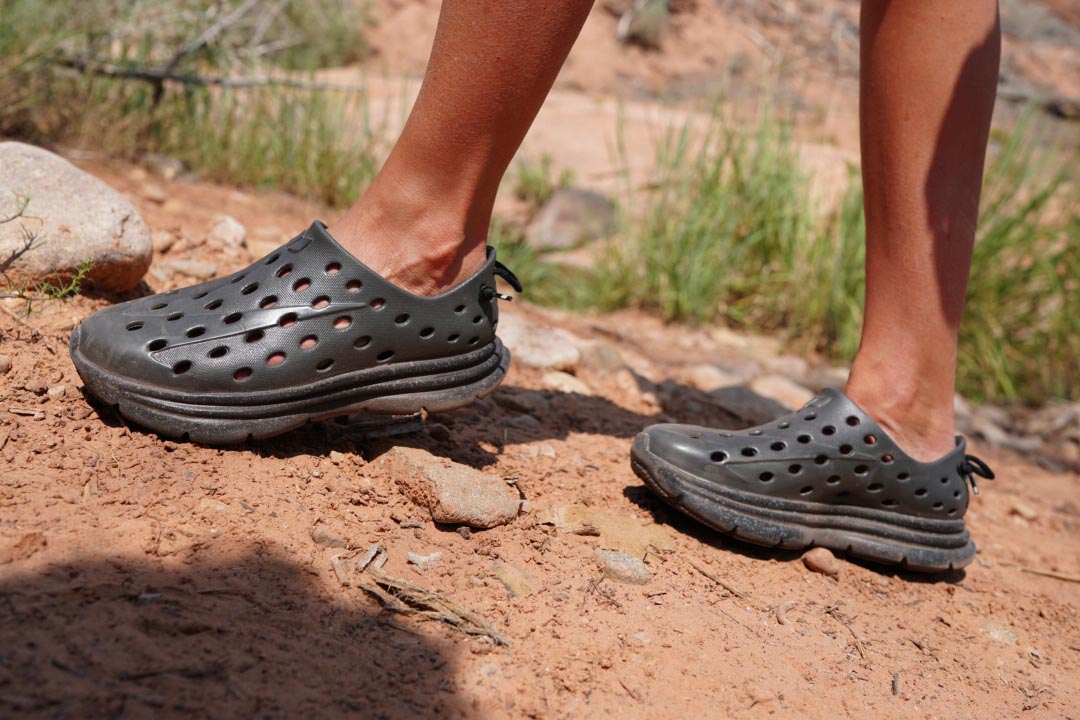
Non-Slip Sneakers Compared With Regular Sneakers
The differences may look small, but they matter during a long workday.
| Feature | Non-slip sneakers | Regular sneakers |
|---|---|---|
| Main purpose | Safer grip on difficult floors | Comfort, sport, or style |
| Outsole | Rubber compound made for traction | Varies by activity |
| Tread | Often designed for wet or oily surfaces | Designed for roads, tracks, or casual use |
| Testing | May include slip-resistance testing | Often no workplace traction testing |
| Upper | May resist spills or be easy to clean | Usually focused on breathability |
| Work use | Better for kitchens and service jobs | Best for dry, low-risk surfaces |
A regular sneaker can sometimes perform well. But performance is not the same as certification or intended design. If slipping could cause serious injury, choose footwear made for that environment.
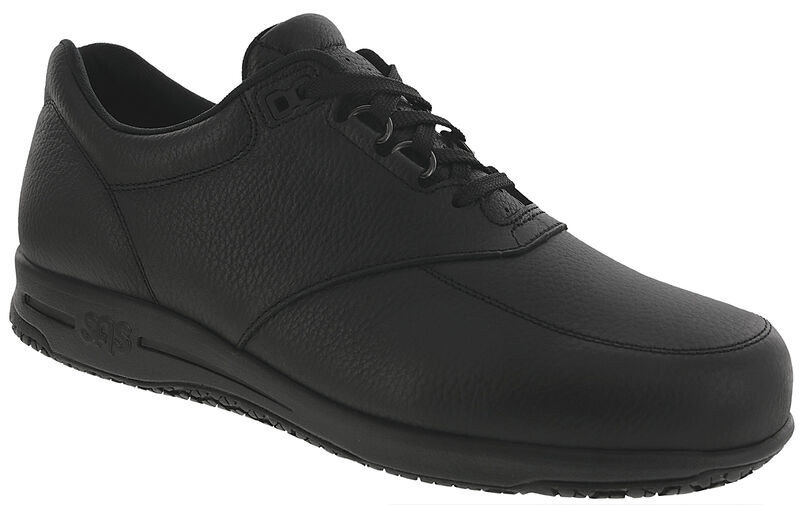
How to Test Sneakers for Grip at Home
Home testing cannot replace laboratory testing, but it can reveal obvious problems. Never test shoes by running across a wet floor. That creates an unnecessary fall risk.
Try this safer process:
- Inspect the tread for smooth areas, cracks, or missing sections.
- Press the outsole against a clean, dry floor and check for even contact.
- Walk slowly on a clean, slightly damp surface while holding a stable counter.
- Take short steps and avoid sharp turns.
- Stop using the shoes if they feel loose or slide under light pressure.
Do not test with cooking oil, soap, or chemicals in your home. These substances can create a serious fall hazard and may damage the floor.
For workplace use, follow your employer’s footwear policy. A personal home test cannot prove that sneakers are non-slip shoes under every condition.

How to Keep Non-Slip Sneakers Working
Even the best non-slip sneakers lose traction when dirt, grease, or wear changes the outsole.
Use these care tips:
• Clean the sole often with warm water and mild soap
• Remove stones and debris from the tread
• Let shoes dry fully before wearing them again
• Do not apply wax or shine products to the outsole
• Replace shoes when grooves become shallow
• Inspect for cracks, separation, and uneven wear
• Rotate pairs if you work long shifts
Grease is especially dangerous because it can form a thin layer between the rubber and floor. A shoe may look clean but still have a greasy film. Wash the outsole after exposure to oil or food residue.
One lesson I often emphasize is that replacement should be based on traction, not just appearance. A shoe can look presentable while the tread has become too smooth for safe work.
Common Mistakes When Buying Non-Slip Sneakers
Many buyers focus on comfort and style first. Those features matter, but they should come after safety when the floor is hazardous.
Avoid these mistakes:
• Assuming every sneaker is non-slip
• Choosing a shoe based only on brand reputation
• Trusting the word “grippy” without checking the outsole
• Buying a smooth fashion sole for wet work
• Ignoring oil resistance in food service
• Wearing worn running shoes on polished floors
• Selecting a loose fit that reduces foot control
• Forgetting workplace safety requirements
• Assuming waterproof shoes are also slip-resistant
Price is not a reliable safety test. An expensive sneaker may have poor wet-floor traction, while a reasonably priced work sneaker may perform much better. Examine the design and evidence instead of relying on appearance.
How Should Non-Slip Sneakers Fit?
A good fit helps you control each step. Your heel should stay in place, and your toes should have room to move without hitting the front of the shoe.
Check the fit at the end of the day because feet often swell after hours of standing. Wear the socks you plan to use at work. Walk, bend, and turn slowly before deciding.
Use this fit checklist:
• Your toes should not feel cramped
• Your heel should not lift with each step
• The arch should feel supported, not squeezed
• The upper should hold your foot without pressure points
• Both feet should feel comfortable
• The shoe should not fold in an unstable way
A shoe that fits poorly can make you stumble even when the outsole has good traction. Non-slip design and proper fit work together.
Do Non-Slip Sneakers Prevent All Falls?
No. Non-slip sneakers reduce the chance of sliding, but they cannot prevent every fall. Floor condition, walking speed, body position, clutter, fatigue, and spills all affect safety.
The Occupational Safety and Health Administration identifies slips, trips, and falls as major workplace hazards. Good footwear is one part of prevention. Workers also need clean floors, clear walkways, proper lighting, and quick spill response.
Remember these habits:
• Slow down on wet floors
• Use handrails when available
• Keep your eyes on the walking path
• Report spills right away
• Do not run in work areas
• Take shorter steps on slick surfaces
• Replace shoes when the tread wears down
Think of non-slip sneakers as one tool in a safety system. They are helpful, but they are not magic.
Frequently Asked Questions About Are Sneakers Non-Slip Shoes
Are all sneakers non-slip shoes?
No. Most everyday sneakers are not tested for slip resistance. Some work sneakers are made with slip-resistant outsoles, but you must check the product details and tread design.
How can I tell if sneakers are slip-resistant?
Look for a rubber outsole, visible traction channels, and clear claims that the shoe is slip-resistant. For high-risk work, look for information about recognized testing rather than relying only on words such as “grippy” or “traction.”
Are running shoes safe to wear in a restaurant kitchen?
Usually, regular running shoes are not the best choice for a restaurant kitchen. Kitchen footwear should offer tested wet-floor traction and, ideally, resistance to grease and liquids.
Do non-slip sneakers work on ice?
Most non-slip sneakers are not designed for ice. Ice requires specialized winter traction, such as deep cold-weather tread or removable traction devices, and even those products cannot eliminate every fall risk.
Can worn sneakers still be non-slip?
Worn sneakers may lose much of their original grip as the tread becomes shallow or smooth. Inspect the outsole often and replace the shoes when they slide, crack, separate, or no longer make even contact with the floor.
Are waterproof sneakers also slip-resistant?
No. Waterproofing helps keep water out, while slip resistance helps your outsole grip the floor. A shoe can be waterproof but slippery, so check both features separately.
Conclusion
Some sneakers are non-slip shoes, but regular sneakers should not be treated as slip-resistant by default. The safest choice has a suitable rubber outsole, useful tread, a secure fit, and clear information about its intended work environment.
Before buying, inspect the sole, review the manufacturer’s claims, consider the floor hazards, and follow workplace rules. If you work around water, oil, or smooth tile, choose purpose-built non-slip sneakers and replace them when the tread wears down. Use these tips to make a safer choice, and share your experience with different work sneakers in the comments.

Madison Clark is a footwear expert and the voice behind MyStyleGrid.com. She specializes in honest shoe reviews, style tips, and practical guides to help readers find the perfect pair for any occasion. With years of experience in blogging and content creation, Madison makes footwear knowledge simple, stylish, and easy to follow.