Zero-drop shoes may help some people with plantar fasciitis, but they can worsen pain without a slow transition.
Are zero drop shoes good for plantar fasciitis? The honest answer depends on your foot strength, walking habits, pain level, and current footwear. These shoes keep the heel and forefoot at the same height, which may support a more natural stride. However, they also place more work on the calf, Achilles tendon, and plantar fascia. This guide explains the benefits, risks, research, and safest way to decide if they fit your feet.
What are zero-drop shoes?
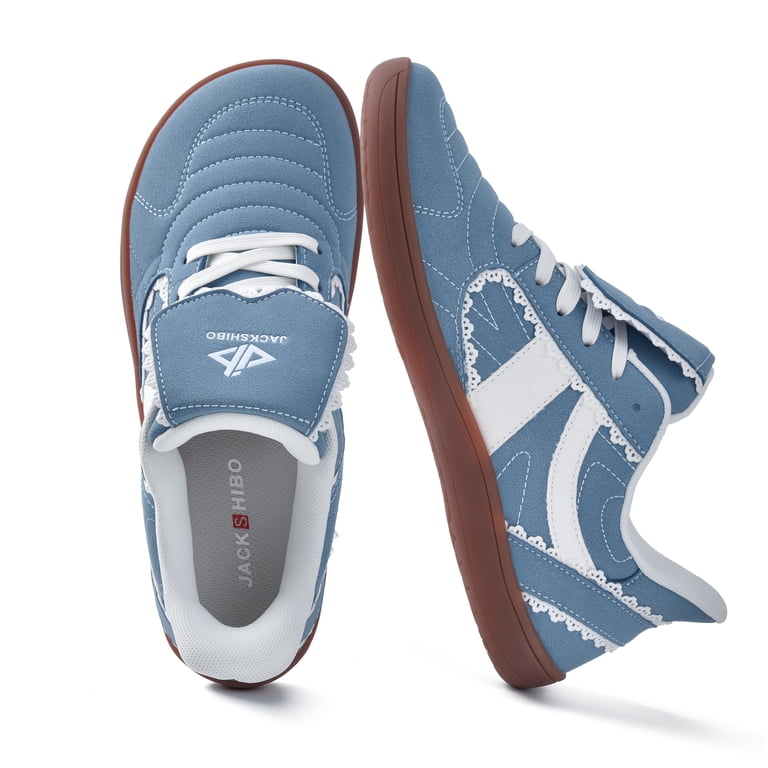
Zero-drop shoes have no height difference between the heel and the ball of the foot. In a traditional running shoe, the heel may sit 8 to 12 millimeters higher than the forefoot. In a zero-drop shoe, both areas stay at the same level.
Zero drop does not always mean minimalist. Some zero-drop shoes have thick, cushioned soles. Others are thin and flexible. The heel-to-toe drop and the amount of cushioning are separate shoe features.
Common traits of zero-drop shoes include:
• A level sole from heel to toe
• A flexible forefoot
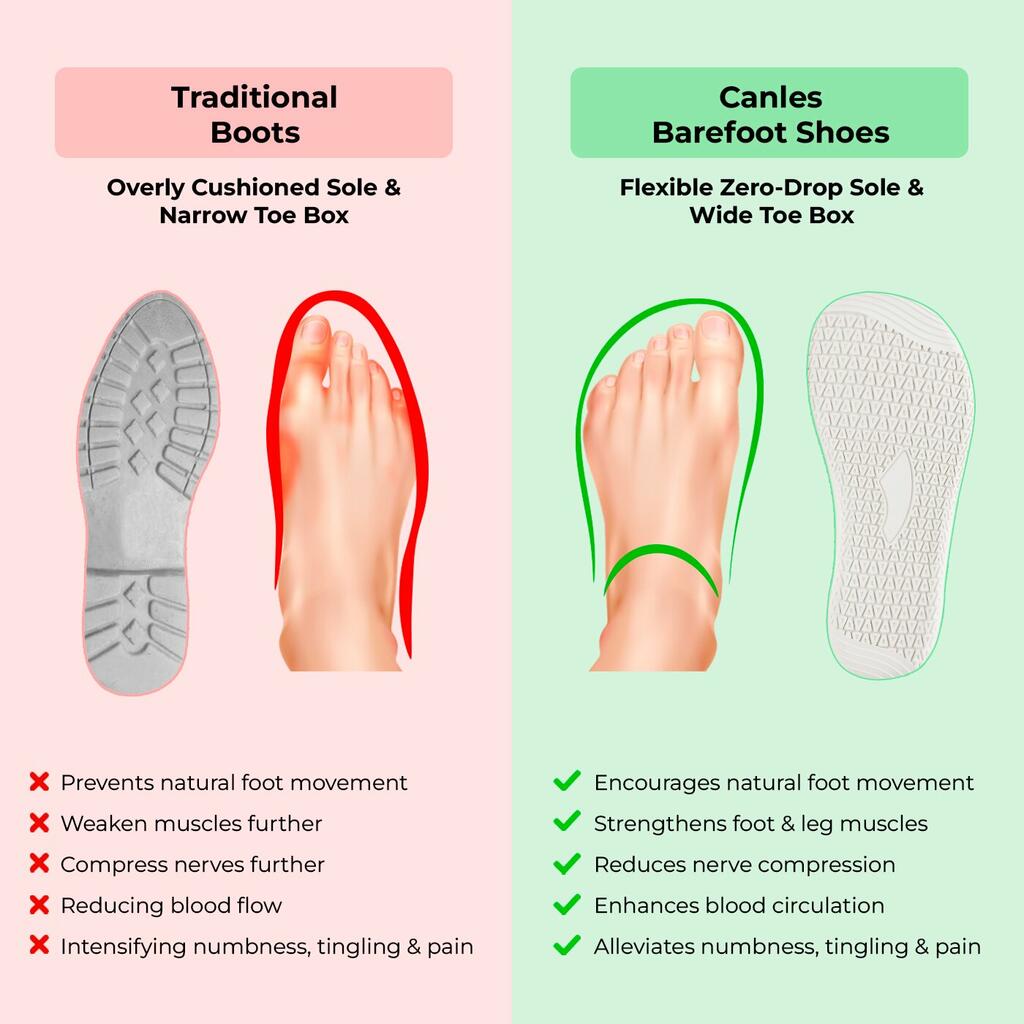
• A wide toe box in many models
• Less built-in heel lift
• A design that may encourage a shorter, more natural stride
Plantar fasciitis is pain caused by irritation and overload of the plantar fascia. This strong band of tissue runs from the heel bone to the base of the toes. It helps support the arch and absorb force when you walk or run.

Are zero drop shoes good for plantar fasciitis?
Are zero drop shoes good for plantar fasciitis? They can be helpful for some people, but they are not a proven cure or a universal treatment. The main question is whether your feet can handle the extra demand created by a level sole.
A zero-drop shoe may reduce the feeling of being pushed forward by a raised heel. It can also help some people use their foot and ankle in a more natural way. Yet a level shoe often increases ankle movement and calf work, especially during the first few weeks.
That extra load may affect the plantar fascia. Think of the fascia as a spring under your foot. If you suddenly stretch and load that spring more than usual, it may become sore before it becomes stronger.
Zero-drop shoes may be worth trying when:
• Your pain is mild and stable
• You already tolerate flat shoes
• Your calves and Achilles tendons feel strong
• You can make a gradual transition
• The shoe has enough cushioning and support for your needs
Zero-drop shoes may not be a good first choice when:
• You have sharp or severe heel pain
• You have very tight calves
• You recently had a foot or ankle injury
• You rely on a high-heel-to-toe drop for comfort
• You have weakness, numbness, or balance problems
Clinical foot care guidelines usually focus on reducing strain, improving calf and foot strength, and choosing comfortable footwear. They do not recommend one shoe type for every person with plantar fasciitis.

How zero-drop shoes may help plantar fasciitis
The possible benefits of zero-drop shoes come from how they change the position and movement of your foot. These benefits are not guaranteed, but they may matter for certain walking patterns.
They may support a more natural foot position
A raised heel can place the ankle in a slightly shortened position. A level shoe gives the ankle more room to move forward over the foot. Some people find this position more balanced and comfortable.
That does not mean a raised heel is harmful for everyone. In fact, a small heel lift may reduce stress on a painful plantar fascia or tight Achilles tendon. Comfort and function matter more than a label.
They may encourage shorter steps
Many people take shorter steps in flexible, level shoes. Shorter steps may reduce braking force and limit the hard heel strike that causes discomfort. This may make walking feel smoother.
Still, gait changes are personal. Some people may land with more force or push harder through the toes in a zero-drop shoe. Your body may need time to learn the new pattern.
They may offer more room for the toes
Many zero-drop brands also use a wider toe box. This allows the toes to spread and help with balance. Better toe contact may improve stability during walking.
A wide toe box alone does not treat plantar fasciitis. The shoe must also fit the heel, cushion the foot, and feel comfortable throughout the day.
They may improve foot strength over time
A flexible shoe can ask more from the small muscles in the foot. With a careful training plan, this may improve strength and control. Stronger feet can help manage daily walking and exercise loads.
However, “more work” does not always mean “better.” Weak muscles need gradual training. Sudden exposure can increase pain instead of building strength.
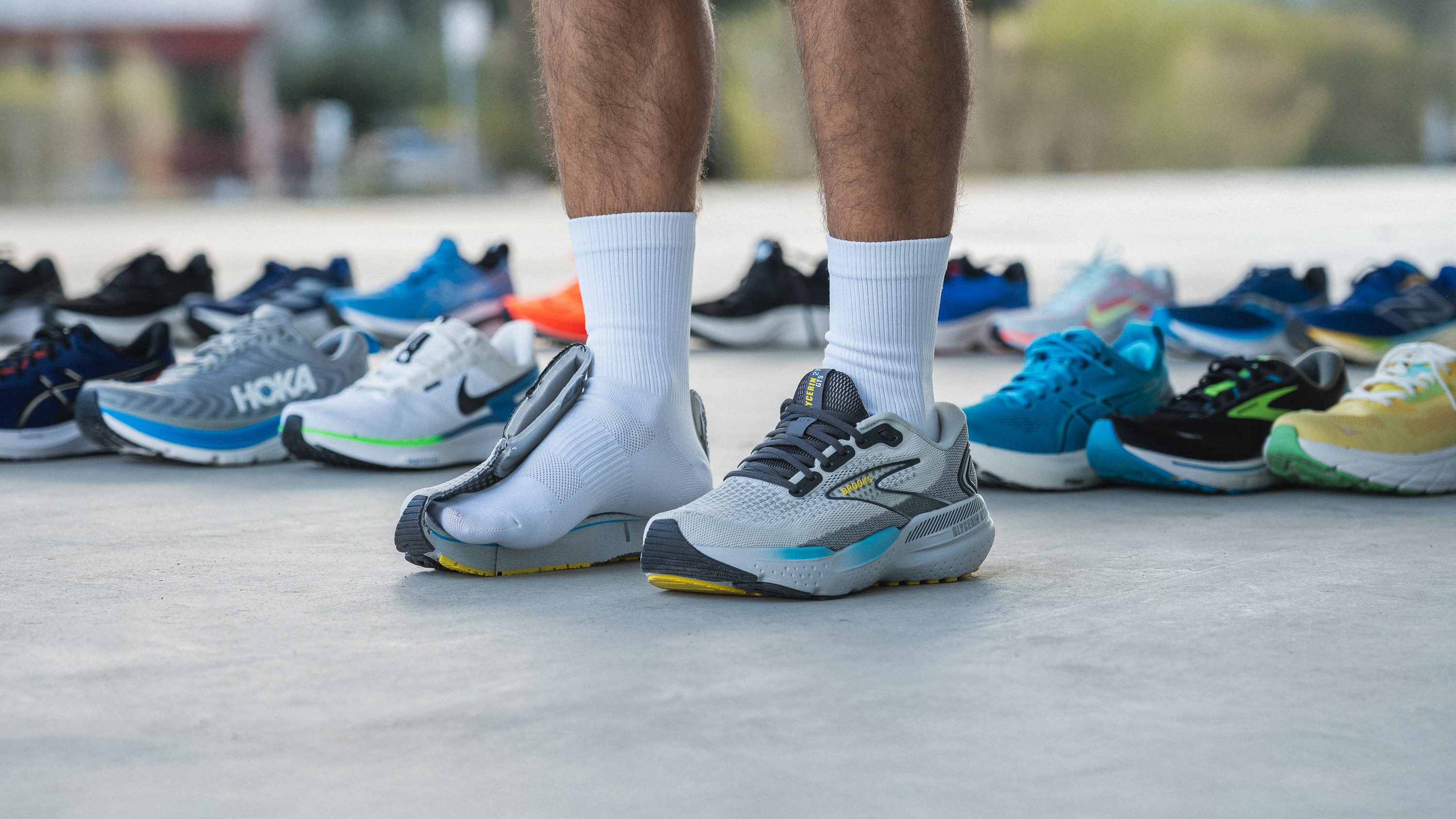
How zero-drop shoes may worsen plantar fasciitis
Are zero drop shoes good for plantar fasciitis if your feet already hurt? Sometimes, but switching too quickly is one of the most common mistakes.
A level shoe can increase the stretch on the calf and Achilles tendon. That change may also increase tension through the plantar fascia. The risk is higher if you move from a thick, supportive shoe with a raised heel to a thin, flexible zero-drop shoe overnight.
Watch for these warning signs:
• Heel pain that is worse the morning after wearing the shoes
• New soreness in the arch or ball of the foot
• Tightness in the calf or Achilles tendon
• Pain that increases during normal walking
• A limp or change in your natural stride
Do not try to “push through” sharp pain. Mild muscle soreness can occur during a transition, but rising heel pain is a signal to reduce activity and reassess the shoe.
A shoe can also be too flexible. If your foot collapses inward or your arch becomes tired, the plantar fascia may work harder. This does not mean you need rigid arch support, but you do need a shoe that matches your foot control and activity level.

Zero-drop shoes compared with traditional walking shoes
A traditional walking shoe often has a modest heel-to-toe drop, firm heel support, and a stable midsole. These features can reduce the work required from the calf and foot. They may feel better during an active plantar fasciitis flare.
Zero-drop shoes provide a level platform and may feel less restrictive. They can work well for people who prefer a natural foot position and have enough strength to use them comfortably.
Here is a simple comparison:
| Feature | Zero-drop shoes | Traditional walking shoes |
|---|---|---|
| Heel-to-toe drop | Usually 0 millimeters | Often 4 to 12 millimeters |
| Calf demand | May be higher | May be lower |
| Toe space | Often wider, but not always | Varies by brand |
| Cushioning | Ranges from thin to plush | Often moderate to firm |
| Transition needs | Usually longer | Often easier for new users |
| Best fit | People who tolerate a level sole | People needing familiar support |
Neither design wins for everyone. The best plantar fasciitis shoe is the one that lets you walk with less pain and without a limp.
How to choose zero-drop shoes for plantar fasciitis
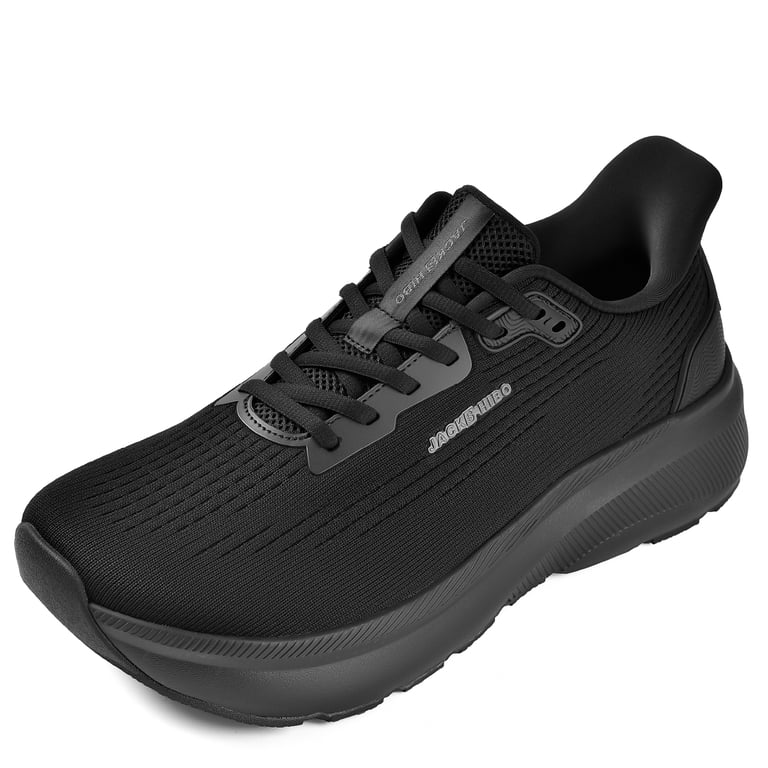
If you decide to try zero-drop footwear, focus on the full design. Zero drop is only one feature.
Look for the following qualities:
• Enough cushioning for your walking surface and body weight
• A comfortable, secure heel
• A roomy toe box without heel slippage
• A sole that bends near the toes but does not fold in the middle
• A removable insole if you use orthotics
• A stable base that does not feel wobbly
• Breathable materials for daily comfort
Walk around indoors before wearing the shoes outside. Check how your heel, arch, calves, and knees feel. A good shoe should not create pressure points or make you change your stride.
Try the shoes later in the day when your feet are slightly larger. Wear the socks you normally use. If you use an insert, test the shoe with that insert before making a final choice.
Do not judge a shoe after five minutes alone. Wear it for short indoor sessions over several days. Comfort that remains steady is more important than a dramatic first impression.

How to transition to zero-drop shoes safely
Are zero drop shoes good for plantar fasciitis during a flare? A slow transition is usually safer than an immediate switch. Your tendons and muscles need time to adapt to the new demands.
Use this simple plan:
-
Wear the zero-drop shoes for 15 to 30 minutes indoors.
-
Keep your usual shoes available for the rest of the day.
-
Add 10 to 15 minutes every few days if pain stays calm.
-
Avoid running, hills, and long walks during the first stage.
-
Stretch and strengthen gently, without forcing pain.
-
Stop or step back if morning heel pain increases.
Some people may need several weeks to adjust. Others may not tolerate zero-drop shoes at all. That is not a failure. It simply means a different shoe design may suit your current foot better.
Track your symptoms each morning. Note your first-step pain, walking time, calf tightness, and activity from the day before. This simple record can show whether the shoes are helping or adding stress.
Exercises that may support plantar fasciitis recovery
Shoes are only one part of plantar fasciitis care. A gradual exercise plan can help improve strength and movement. A physical therapist can tailor these exercises to your symptoms.
Calf stretch
Stand facing a wall. Place one foot behind you and keep the heel down. Bend the front knee gently until you feel a mild stretch in the back calf.
Hold for 20 to 30 seconds. Repeat two to three times on each side. Do not bounce or force the stretch.
Plantar fascia stretch
Sit and cross the sore foot over the other leg. Pull the toes back gently until you feel a stretch along the sole of the foot. This can be useful before taking your first steps in the morning.
Heel raises
Stand near a wall or counter. Slowly rise onto your toes, then lower your heels with control. Begin with both feet and progress only when the movement feels comfortable.
Foot control exercises
Try picking up a small towel with your toes or spreading your toes while keeping the heel down. These exercises may improve foot awareness, but they should not cause sharp pain.
Research supports stretching and strengthening as common parts of conservative plantar fasciitis care. Recovery can take weeks or months, so steady progress matters more than quick changes.
When to avoid zero-drop shoes or seek care
Are zero drop shoes good for plantar fasciitis when the pain is severe? They may not be the right experiment at that point. First, reduce the activity that causes pain and choose footwear that feels stable and comfortable.
Seek medical advice if:
• Pain lasts more than a few weeks despite basic care
• You cannot walk normally
• The heel is swollen, red, or hot
• You have numbness, tingling, or weakness
• Pain began after a fall or direct injury
• You have diabetes or poor circulation
• You wake at night because of foot pain
Plantar fasciitis is common, but heel pain can also come from a stress fracture, nerve irritation, Achilles tendinopathy, arthritis, or other conditions. A podiatrist, physical therapist, or qualified clinician can help confirm the cause.
A professional may assess your walking pattern, ankle range of motion, calf strength, footwear, and daily training load. That information is more useful than choosing shoes based on marketing claims.
What my testing experience taught me about zero-drop footwear
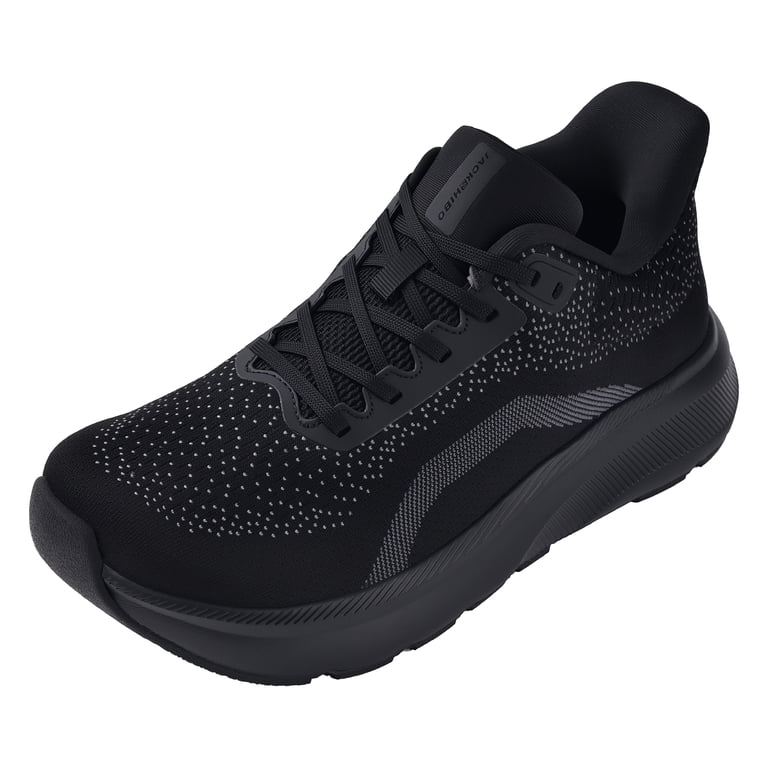
When evaluating footwear changes, the biggest lesson is that comfort during the first few minutes can be misleading. A shoe may feel light and natural in a store but create calf or heel soreness after a full day.
One common mistake is changing several things at once. People may buy zero-drop shoes, increase walking distance, start running hills, and add barefoot exercises in the same week. If pain appears, it becomes hard to know what caused it.
A better approach is to change one variable at a time. Keep your walking distance steady, test the shoes indoors, and give your body several days to respond. This makes the process safer and easier to judge.
Another lesson is that “minimal” does not equal “healthy.” A foot may benefit from freedom, but it may also need cushioning, stability, or an orthotic during recovery. The goal is not to prove that one shoe philosophy is right. The goal is to help you move with less pain.
Frequently Asked Questions
Are zero drop shoes good for plantar fasciitis?
They can be helpful for some people, especially those who already tolerate flat shoes and have strong calves and feet. They may worsen symptoms when introduced too quickly or worn during a painful flare.
Can zero-drop shoes cure plantar fasciitis?
No shoe can guarantee a cure. Recovery usually involves managing activity, improving calf and foot strength, choosing comfortable footwear, and addressing factors that overload the plantar fascia.
Should I wear zero-drop shoes all day with plantar fasciitis?
Start with short indoor sessions instead of wearing them all day. Increase use only when your heel pain, calf tightness, and morning symptoms remain stable.
Are barefoot shoes the same as zero-drop shoes?
No. Zero-drop describes the heel-to-toe height, while barefoot shoes usually have very thin soles, little cushioning, and high flexibility. A shoe can be zero drop without being a barefoot shoe.
What heel-to-toe drop is best for plantar fasciitis?
There is no single best drop for everyone. A moderate drop may feel better during an active flare, while a zero-drop shoe may suit someone who has adapted to it comfortably.
How long does it take to adjust to zero-drop shoes?
Adjustment may take several weeks, depending on your strength, footwear history, and activity level. Progress slowly and reduce use if morning heel pain or calf soreness keeps increasing.
Should I use orthotics with zero-drop shoes?
You may use orthotics if they fit the shoe and have been recommended for your foot needs. Make sure the insert does not crowd your toes or lift your heel in a way that causes instability.
Can zero-drop shoes help with heel pain from tight calves?
They may not help at first because a level sole can increase calf and Achilles demand. Gentle calf work and a gradual transition are safer than making a sudden change.
Conclusion
Are zero drop shoes good for plantar fasciitis? They can be, but the answer depends on your symptoms, foot strength, shoe design, and transition speed. A level sole may support natural movement and toe comfort, yet it can also place more stress on the calf, Achilles tendon, and plantar fascia.
Choose comfort over trends. Start slowly, track your morning pain, and stop if your symptoms rise. If your pain is severe, persistent, or linked with swelling, numbness, or weakness, seek an evaluation from a qualified health professional.
Try a thoughtful footwear plan, pair it with gradual strength work, and give your feet time to adapt. Explore more evidence-based foot care resources or share your experience with zero-drop shoes in the comments.

Madison Clark is a footwear expert and the voice behind MyStyleGrid.com. She specializes in honest shoe reviews, style tips, and practical guides to help readers find the perfect pair for any occasion. With years of experience in blogging and content creation, Madison makes footwear knowledge simple, stylish, and easy to follow.