Polarized sunglasses reduce harsh glare from roads, water, snow, and other bright surfaces.
If you have ever squinted over a lake or struggled with road glare, you have already felt the problem polarized lenses are designed to solve. This guide explains what polarized sunglasses are for, how they work, where they help most, and why they are not the same as UV protection.
What Are Polarized Sunglasses For?
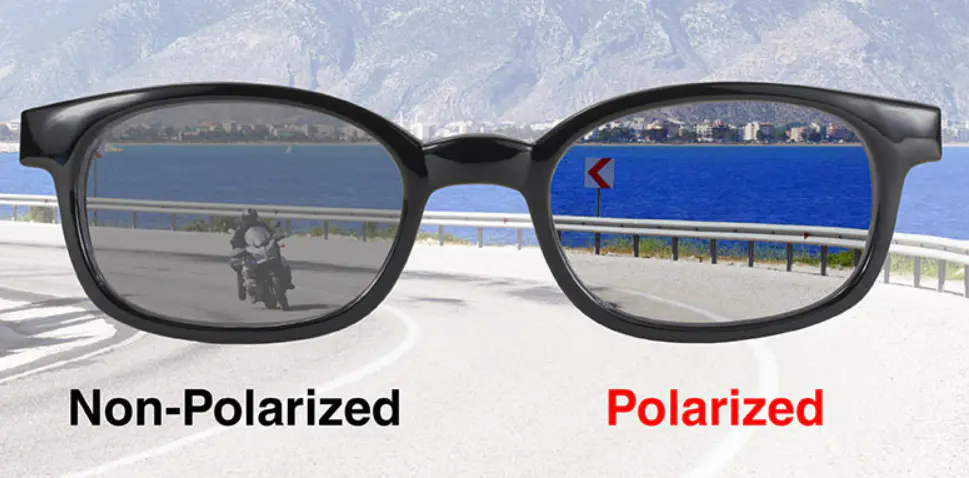
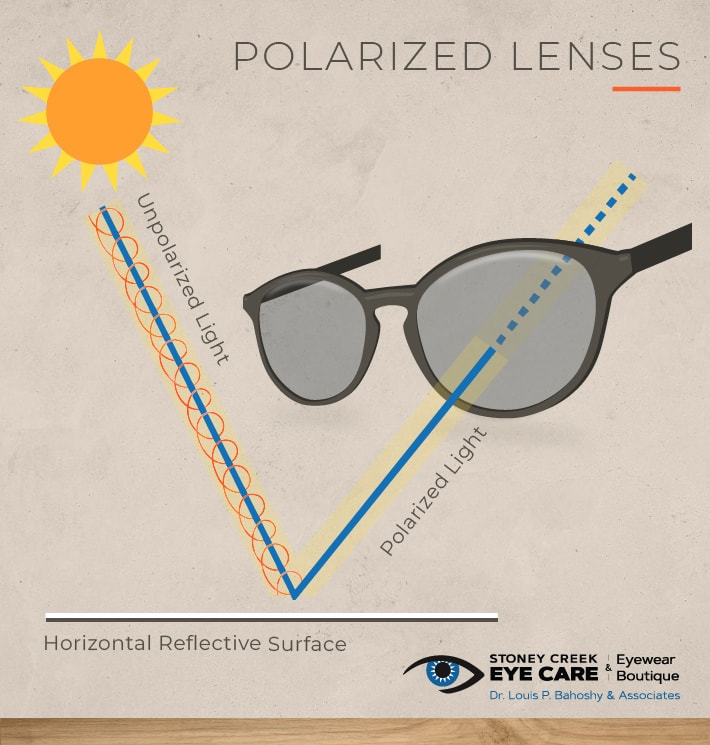
Polarized sunglasses are made to reduce reflected glare. They use a special filter inside the lens that blocks much of the sideways light bouncing off flat surfaces.
Normal sunlight travels in many directions. When it hits water, glass, pavement, snow, or a car hood, the reflected light can become strongly aligned. This light creates glare. It may make your eyes squint, water, or feel tired.
Polarized lenses act like a narrow gate. They allow useful light to pass while blocking much of the harsh reflected light. The result is often a clearer, more comfortable view.
People commonly use polarized sunglasses for:
• Driving during the day
• Fishing and boating
• Hiking near lakes or bright rock
• Skiing and snow sports
• Beach trips
• Cycling and outdoor work
• Everyday use in bright conditions
The main purpose is visual comfort and glare control. Polarized sunglasses do not make objects brighter, and they do not give you perfect vision in every setting.
How Do Polarized Sunglasses Work?
A polarized lens contains a filter with tiny, aligned lines. These lines block certain light waves while allowing others through.
Think of the filter as a window blind. A blind can block light from one angle while still letting other light enter. In the same way, a polarized lens blocks much of the horizontal light that causes surface glare.
This design can provide several visual benefits:
• Less squinting in strong light
• Better comfort during long outdoor activities
• Improved contrast in many bright settings
• Fewer distracting reflections
• Reduced eye fatigue caused by glare
Polarization does not make the lens automatically dark. A clear lens can be polarized, and a dark lens may not be polarized. Tint and polarization are separate features.
A gray lens may keep colors fairly natural. Brown or amber lenses can increase contrast in some outdoor settings. However, the best tint depends on the activity, weather, and personal comfort.


What Are Polarized Sunglasses For When Driving?
Polarized sunglasses can help drivers manage glare from wet roads, light-colored pavement, nearby vehicles, and car windows. This may make the road feel more comfortable to view during bright daytime conditions.
They can be especially useful after rain. A wet road acts like a large mirror, sending bright reflected light toward the windshield. Polarized lenses can reduce some of that reflection and help you see lane markings and road details more easily.
Still, polarized sunglasses have limits. They should not be used at night, in dark tunnels, or in very low light. A dark lens can reduce the amount of light reaching your eyes, which may make hazards harder to see.
Some car displays and phone screens use liquid crystal technology. Polarized lenses can make these screens look dim, dark, or oddly colored at certain angles. Check your dashboard before choosing a pair for frequent driving.
For safe daytime driving, look for:
• A neutral gray or brown tint
• Clear vision across the full lens
• A comfortable, secure fit
• Adequate visible light transmission
• 100% UVA and UVB protection
• Lenses without heavy distortion
Polarized sunglasses can improve comfort behind the wheel, but they do not replace safe speed, clean windows, or careful attention.
What Are Polarized Sunglasses For on Water?
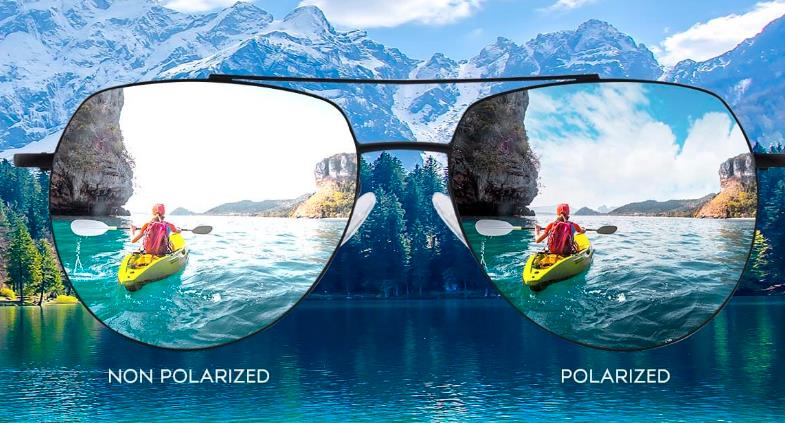
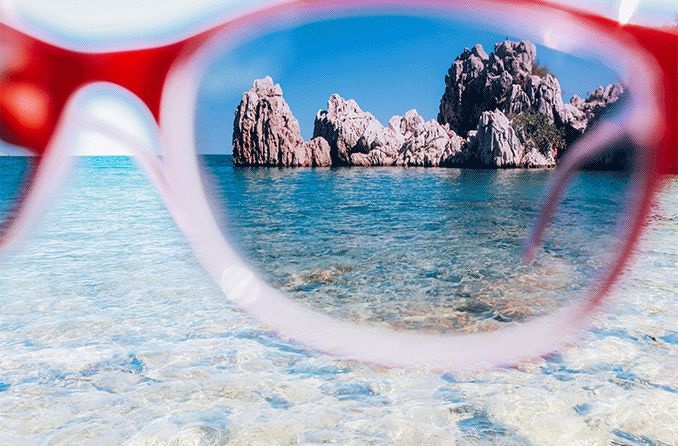
Water is one of the best examples of where polarization helps. Sunlight reflects strongly from lakes, rivers, pools, and the ocean. This reflection can create a bright sheet of glare that hides what lies below the surface.
Polarized sunglasses can reduce some of that surface glare. Anglers may see fish, rocks, vegetation, or changes in water depth more easily. Boaters may experience less eye strain while scanning the water.
A good pair can also make a long day on the water more pleasant. Without glare, you may squint less and keep your eyes open more naturally.
However, polarized sunglasses do not remove all reflections. Their effect changes with the sun’s angle, your viewing angle, the water’s movement, and the lens quality.
For fishing and boating, consider:
• A brown, copper, or amber lens for strong contrast
• A wraparound shape to limit side glare
• A floating frame for water activities
• Scratch-resistant coatings
• A secure nose bridge and temple grip
• A retaining strap when conditions are rough


Polarized sunglasses are not a substitute for a life jacket, eye protection, or good judgment on the water.

What Are Polarized Sunglasses For in Snow and Bright Winter Weather?
Snow reflects a large amount of sunlight. Fresh snow can create intense glare from many directions, not just from the sky. This can make it hard to keep your eyes open and may increase discomfort during skiing, snowboarding, or winter hiking.
Polarized sunglasses can reduce reflected glare from snow and ice. They may help you see changes in terrain, tracks, and surface texture with less visual stress.
There is an important caution for winter sports. Polarized lenses may reduce certain reflections that help reveal icy patches. Some skiers prefer non-polarized lenses for this reason, especially in changing terrain or flat light.
Ski goggles also offer protection that ordinary sunglasses may not. They can shield the eyes from wind, cold air, blowing snow, and side exposure.
For winter use, think about:
• UV protection, even on cloudy days
• A lens tint made for the light level
• Anti-fog performance
• Full coverage around the eyes
• A fit that works with your helmet
• Backup eyewear for changing conditions
Polarized sunglasses can be useful in bright snow, but the right lens depends on the activity and weather.
What Are Polarized Sunglasses For Besides Glare Reduction?
The biggest benefit is glare control, but polarized sunglasses may offer other practical advantages.
Less glare can improve comfort during long periods outdoors. When your eyes do not need to squint as much, you may feel less tension around the eyes and forehead.
Polarized lenses may also improve perceived contrast. This can help separate objects from bright backgrounds, such as a dark trail against pale gravel. The effect varies by lens color, lighting, lens quality, and your own eyesight.
They can also support better visual focus. When reflections compete for your attention, your brain must sort through extra light. Reducing that distraction may make outdoor scenes feel calmer and easier to read.
It is important to use accurate language. Polarized sunglasses do not correct nearsightedness, farsightedness, or astigmatism unless they include a prescription. They also do not treat eye disease or replace an eye examination.


Polarized Sunglasses vs. UV-Protective Sunglasses
Polarization and UV protection are not the same thing.
Polarization controls reflected glare. UV protection blocks ultraviolet radiation from reaching the eyes. A lens can have one feature without the other.
This distinction matters because harmful ultraviolet exposure can occur even when glare is not obvious. UV rays can reach your eyes on cloudy days and can reflect from water, sand, snow, and pavement.
When shopping, look for sunglasses labeled:
• 100% UVA and UVB protection
• UV400 protection
• Polarized
• Prescription polarization, if needed
The strongest choice often combines both features. You want a lens that reduces glare and provides reliable ultraviolet protection.
Lens darkness alone does not prove UV safety. Very dark lenses without proper UV filtering may cause your pupils to open wider while still allowing harmful rays through. Buy from a trusted seller and check the product label.
Professional eye-care guidance also recommends sunglasses that fit well and cover the eyes from several angles. Large lenses or wraparound frames can reduce light entering from the sides.

Are Polarized Sunglasses Safe for Everyone?
For most people, polarized sunglasses are safe when they provide proper UV protection and clear, undistorted vision. They are available in nonprescription and prescription forms.
Some users notice problems with digital screens. A polarized lens can interact with the screen’s own filter, causing a dark patch or rainbow effect. Tilting your head may change what you see.
People who fly aircraft, operate certain machines, or work with digital instruments should test their eyewear before relying on it. A screen problem may be minor at a coffee shop but serious in a professional setting.
Polarized sunglasses may also be less useful in dim weather. If the lens is too dark, it can reduce useful light. Choose a lighter tint for mixed conditions, or carry a second pair.
If you have light sensitivity, cataracts, retinal disease, or another eye condition, ask an eye-care professional which lens type suits you. Polarized sunglasses can improve comfort, but they are not medical treatment.


How to Choose the Best Polarized Sunglasses
The best pair depends on how and where you use it. A beach walker may want a different lens from a commuter or mountain guide.
Use this simple checklist:
- Confirm polarization. Look for a clear label from a reliable seller.
- Confirm UV protection. Choose 100% UVA and UVB protection or UV400.
- Pick the right tint. Gray suits general use, while brown or copper may improve contrast outdoors.
- Check the fit. The frame should not pinch your temples or slide down your nose.
- Inspect the lens. Look for even color and a smooth, distortion-free view.
- Consider coverage. Larger lenses can reduce side glare.
- Match the lens to the activity. Sports eyewear should stay secure during movement.
- Check prescription needs. Do not use nonprescription lenses if you need vision correction.
- Test screens. View your phone and car display before buying.
- Buy quality over appearance. A stylish frame is not useful if the lens blurs your vision.
Here is a simple home test for polarization. Hold the sunglasses in front of an LCD screen and slowly rotate them. The screen may become darker at one angle. This test can suggest that the lenses are polarized, but it does not confirm UV protection or overall quality.
One practical lesson from eyewear testing is that fit often matters more than shoppers expect. A good lens cannot perform well if it sits too far from the face, lets in side glare, or keeps slipping during movement.
Common Mistakes to Avoid
Many people assume every dark pair of sunglasses is safe. That is not true. Darkness, color, polarization, and UV protection are separate lens features.
Avoid these mistakes:
• Buying from a seller that provides no UV information
• Choosing a very dark tint for every condition
• Wearing sunglasses at night or in dark indoor spaces
• Ignoring scratches that create scattered light
• Using fashion glasses for high-risk sports
• Assuming polarized lenses improve vision in low light
• Forgetting that children need UV protection too
• Selecting a poor fit because the frame looks attractive
Do not clean lenses with a shirt or paper towel. Dust can act like sandpaper and create fine scratches. Rinse off grit, use clean water and mild soap, then dry the lenses with a soft microfiber cloth.
Keep sunglasses in a hard case when you are not wearing them. Heat inside a parked car can damage coatings and some frame materials.
Do Polarized Sunglasses Reduce Eye Strain?
They may reduce discomfort linked to bright reflected glare. When glare makes you squint, lowering that glare can help your eyes feel more relaxed.
The benefit is not universal. Eye strain can also come from dry eyes, an incorrect prescription, poor sleep, long screen use, or an eye condition. Polarized sunglasses will not solve those causes.
If you often have pain, headaches, blurred vision, halos, or unusual light sensitivity, arrange an eye exam. Sudden vision changes require prompt medical attention.
For normal outdoor glare, the best approach combines polarized lenses, UV protection, a comfortable fit, and sensible breaks from bright light.
Frequently Asked Questions About What Are Polarized Sunglasses For
What are polarized sunglasses for?
Polarized sunglasses are for reducing glare reflected from surfaces such as water, roads, snow, and sand. They can improve comfort and may make bright outdoor scenes easier to view.
Are polarized sunglasses better than regular sunglasses?
They can be better for glare-heavy activities, such as driving, fishing, boating, and beach trips. Regular sunglasses may be enough when reflected glare is not a major concern, as long as they provide proper UV protection.
Do polarized sunglasses protect your eyes from UV rays?
Polarization alone does not guarantee UV protection. Choose sunglasses labeled 100% UVA and UVB protection or UV400, and check that the product comes from a reliable seller.
Can you wear polarized sunglasses while driving?
Yes, polarized sunglasses can help reduce daytime glare from roads and vehicles. Do not wear dark sunglasses at night, and test them with your dashboard because some displays may look dim or distorted.
Are polarized sunglasses good for fishing?
Yes, they can reduce glare from the water and may help you see below the surface more clearly. Lens color, sunlight angle, water conditions, and lens quality still affect the result.
Why do polarized sunglasses make my phone screen look dark?
Many phone and car screens use their own light filters. When those filters interact with polarized lenses, the display may look dark or uneven at certain angles.
Are polarized sunglasses safe for children?
Quality polarized sunglasses with reliable UV protection are generally suitable for children. Choose a durable, comfortable frame that fits securely and does not limit safe peripheral vision.
Conclusion
Polarized sunglasses are for reducing harsh reflected glare and improving comfort in bright outdoor settings. They are especially useful near water, snow, roads, beaches, and other reflective surfaces.
Remember that polarization is not the same as UV protection. Choose lenses with both features, select a tint that matches your activity, and avoid wearing dark eyewear in low-light conditions.
The right pair can make outdoor vision feel calmer and clearer. Compare lens labels, test the fit, and choose eyewear that suits your daily needs. Share your experience or explore more eye-care guides before making your next purchase.

Rubel Miah is the Senior Editor at MyStyleGrid.com, where he brings a sharp editorial eye and an unshakable love for fashion to everything he does. A true style addict, Rubel lives and breathes trends, from streetwear to high fashion, and has a knack for turning inspiration into impactful stories. With years of experience in fashion journalism and digital media, he curates content that empowers readers to express themselves through style. When he’s not editing features or forecasting the next big thing, you’ll find him hunting down vintage pieces or capturing street style moments around the city.