Good polarized sunglasses cut glare, block harmful UV rays, and offer sharp, comfortable vision outdoors.
Knowing what makes good polarized sunglasses can save your eyes, money, and frustration. After comparing lens types, frame designs, fit, and real-world use, I have found that the best pair is not always the darkest or most expensive. This guide explains how polarization works, what to check before buying, and which features matter for driving, fishing, hiking, and daily wear.
What Are Polarized Sunglasses?
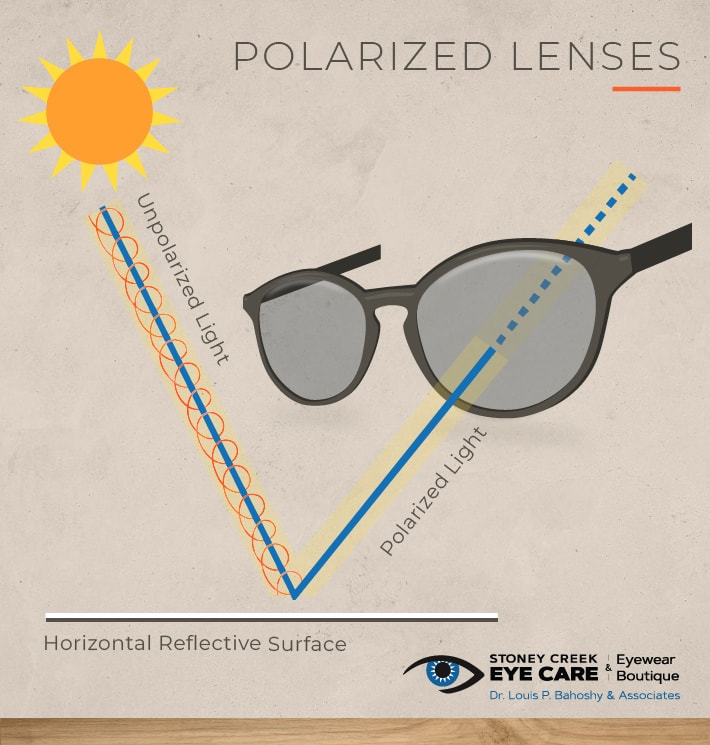
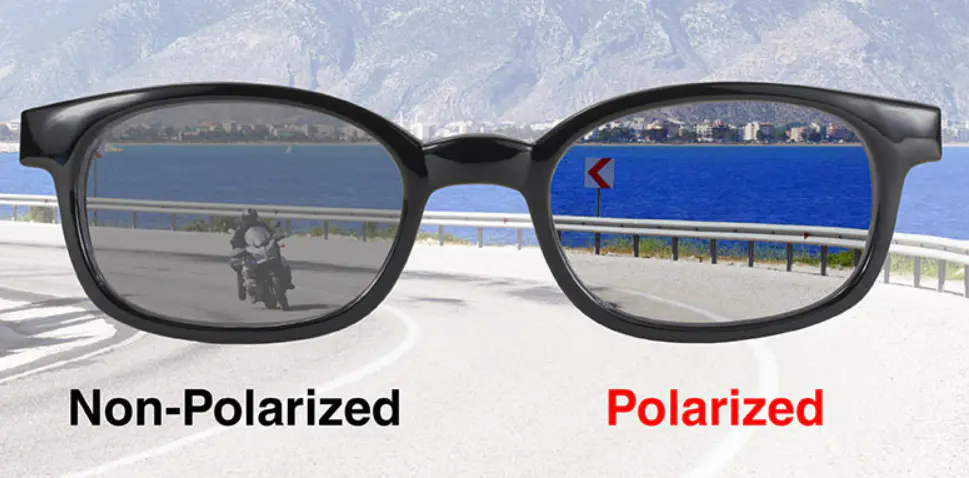
Polarized sunglasses have a special filter that reduces reflected glare. Light normally travels in many directions, but glare from flat surfaces such as water, roads, snow, and glass often moves in a more concentrated, horizontal pattern. A polarized lens blocks much of that harsh light before it reaches your eyes.
This makes good polarized sunglasses useful on bright days. They can make a lake look clearer, reduce road glare, and help your eyes feel less tired. However, polarization alone does not guarantee strong UV protection.
Good polarized sunglasses should include both:
- A high-quality polarizing filter to reduce glare
- Lenses that block 99% to 100% of UVA and UVB rays
- A comfortable frame that fits without pressure
- Clear optics with little distortion
- Durable materials for your daily activities
A useful way to think about polarization is like closing a window blind against bright reflections. The blind cuts glare, but it does not automatically make the window UV-safe. The lens needs a separate UV-blocking layer or material.

Why Polarized Sunglasses Are Good for Your Eyes
Bright glare forces your eyes to work harder. You may squint, blink more often, or develop tired eyes after a long drive. Good polarized sunglasses reduce this strain by cutting reflected light before it enters your eyes.
They are especially helpful near water. Sunlight bouncing off a pool, lake, or ocean can be intense. Polarized lenses reduce that bright reflection and may make it easier to see objects below the water’s surface.
They also help in snowy areas. Snow can reflect a large amount of sunlight, which is why winter sports athletes often use specialized sunglasses or goggles with strong UV protection. Good polarized sunglasses can improve comfort during casual winter activities, but high-altitude climbing may require eyewear designed for extreme UV exposure.
Common benefits include:
- Less glare from roads and water
- Better comfort during long drives
- Improved visual contrast in bright conditions
- Fewer squinting and eye-fatigue problems
- More relaxed vision during outdoor activities
- Better comfort for boating, fishing, golf, and hiking
Polarized lenses do not treat eye disease, improve vision beyond your prescription, or replace protective eyewear. If you have light sensitivity, recent eye surgery, or an eye condition, ask an eye-care professional which lens type is right for you.
What Makes Good Polarized Sunglasses?
Not every pair labeled “polarized” offers the same quality. The best choice depends on the lens, frame, fit, and intended use. A low-cost pair can work well, while an expensive pair can still disappoint if its optics or fit are poor.
1. Reliable UV protection
UV protection is the most important safety feature. Look for a clear label that says “100% UV protection” or “UV400.” UV400 means the lenses block ultraviolet light with wavelengths up to 400 nanometers.
Do not assume dark lenses provide UV protection. Dark lenses without proper UV filtering can cause your pupils to open wider, allowing more harmful UV light to enter. Good polarized sunglasses should clearly state their UV rating.
2. Clear optical quality
Hold the sunglasses at arm’s length and look at a straight line through the lens. Slowly move the glasses from side to side. If the line bends, ripples, or appears distorted, the lens may have poor optical quality.
This simple check is not perfect, but it can reveal obvious flaws. Good polarized sunglasses should provide a clean view across most of the lens, especially in the center.
3. Strong glare reduction
A quick polarization test can help. Look at an LCD screen, such as a phone or car display, while wearing the sunglasses. Turn the glasses about 60 to 90 degrees. The screen may become darker or harder to see.
This test shows that the lens has a polarizing filter. It does not prove that the sunglasses have good UV protection, high optical quality, or durable construction.
4. A comfortable fit
A good pair should sit firmly without squeezing your temples or pressing behind your ears. Your eyelashes should not touch the lenses, and the frame should not slide when you look down.
Check these points:
- The bridge should rest comfortably on your nose
- The temples should not pinch your head
- The frame should cover your eyes without blocking side vision
- The lenses should sit close enough to limit stray light
- The sunglasses should stay in place when you walk or turn your head
Comfort matters more than brand names. You are less likely to wear sunglasses that slip, pinch, or fog.
5. Durable frame materials
Common frame materials include nylon, acetate, polycarbonate, and metal. Nylon frames are light and flexible. Acetate can feel sturdy and may offer attractive colors. Polycarbonate frames are often light and impact-resistant. Metal frames can look refined but may bend more easily.
For sports or active use, flexible frames and impact-resistant lenses are often better than delicate fashion frames. For everyday wear, choose a material that feels comfortable and suits your routine.

Lens Colors and What They Do
Lens color changes how the world looks, but it does not automatically show how well the lens blocks UV rays. Good polarized sunglasses can come in many colors, and each shade suits different conditions.
Gray lenses
Gray lenses provide balanced color and reduce overall brightness. They are a strong choice for driving, beach trips, and everyday outdoor use.
Brown or amber lenses
Brown and amber lenses can increase contrast and make some details easier to see. Many people like them for hiking, fishing, golf, and partly cloudy weather.
Green lenses
Green lenses reduce brightness while keeping colors fairly natural. They can work well for general use and may feel comfortable in changing light.
Yellow lenses
Yellow lenses can brighten a dim scene and increase contrast in overcast weather. They are not usually the best choice for intense sunlight because they may allow more visible brightness than gray lenses.
Blue or mirrored lenses
Blue and mirrored finishes are often chosen for style and bright environments. The mirror coating can reduce some light entering the lens, but the quality of the underlying UV filter still matters.
Lens color is a personal choice. When I compare sunglasses outdoors, I focus first on comfort and visual clarity rather than color alone. A fashionable shade is not helpful if it makes road signs, screens, or changing terrain harder to see.

Are Polarized Sunglasses Good for Driving?
Good polarized sunglasses can make daytime driving more comfortable by reducing glare from the road, windshields, and wet pavement. They may be especially useful at sunrise, sunset, or after rain, when reflected light can be sharp.
Still, polarization has a limitation. Some digital displays use liquid-crystal technology, and polarized lenses can make those screens look dim, patchy, or completely black at certain angles. This may affect dashboard displays, phones, gas pumps, and restaurant screens.
Before buying driving sunglasses, test them with your car’s dashboard. Check that you can read important displays while wearing the glasses. Choose lenses that are dark enough for comfort but not so dark that they reduce visibility in shaded areas.
Avoid wearing dark sunglasses at night unless they are specifically designed and approved for that use. Most tinted lenses reduce the light your eyes need after dark.

Are Polarized Sunglasses Good for Fishing and Water Sports?
Fishing is one of the best uses for polarized eyewear. Water reflects strong horizontal glare, and polarization can reduce that reflection. This may help you see into shallow water, spot underwater structure, and watch your line with less squinting.
Good polarized sunglasses for fishing should have:
- Strong UV protection
- Gray, brown, or copper lenses
- A close but comfortable fit
- Impact-resistant lenses
- A secure frame that does not slide
- A floating strap or retainer for boating
- An anti-reflective back coating, if available
Copper and brown lenses often increase contrast in shallow water or changing light. Gray lenses may feel better under intense sun because they preserve a more natural color balance.
Polarized sunglasses do not let you see through deep or cloudy water like special equipment. Water depth, surface movement, weather, and light direction still affect visibility. Treat polarization as a glare-control tool, not underwater vision technology.

Polarized Sunglasses for Hiking, Sports, and Beach Use
Outdoor activities place different demands on sunglasses. A beach pair may focus on glare and comfort, while hiking eyewear may need better side coverage and impact resistance.
For hiking, look for lightweight frames, grippy nose pads, and lenses that cover the sides of your eyes. Wraparound designs can reduce wind, dust, and stray sunlight. Make sure the curve does not create visual distortion.
For cycling and running, a secure fit matters most. Rubber nose pads, flexible temples, and a lightweight frame can help keep the sunglasses stable. Impact-resistant lenses are also wise for activities where branches, stones, or falls are possible.
For the beach, choose good polarized sunglasses with full UV protection and a durable coating. Salt, sand, and sunscreen can damage coatings over time. Rinse the lenses with clean water before wiping them, since dry sand can create tiny scratches.
For snow sports and high-altitude travel, ordinary sunglasses may not provide enough coverage. Snow reflects intense UV light, so use eyewear made for those conditions, with side shields or a close-fitting design when appropriate.

Prescription Polarized Sunglasses
People who need vision correction can choose prescription polarized sunglasses. An eye-care professional can match the prescription to a polarized lens and recommend a suitable frame.
Prescription options include:
- Fully tinted prescription lenses
- Prescription clip-ons
- Magnetic lens attachments
- Fit-over sunglasses
- Transition lenses with separate limitations
Prescription polarized sunglasses may cost more, but they can be more convenient than wearing regular glasses under loose sunglasses. They also provide clearer vision than nonprescription sunglasses worn over an incorrect prescription.
If you use progressive lenses, frame size and lens height matter. A very small frame may not provide enough space for comfortable distance, intermediate, and near vision. Ask your optician about the best frame shape for your prescription.

Common Problems With Polarized Sunglasses
Polarized sunglasses are useful, but they are not perfect for every situation. Knowing their limits helps you choose wisely.
They can make screens harder to read
As mentioned earlier, polarized lenses may interfere with some LCD screens. Rotating your head or changing the screen angle may help, but this is not always practical.
They do not replace safety glasses
Good polarized sunglasses are not automatically rated for industrial work, shooting, laboratory use, or high-impact hazards. Use protective eyewear that meets the correct safety standard for the task.
They can hide icy patches
Polarization reduces glare, but glare can sometimes help reveal ice on roads or trails. Drivers and winter athletes should still watch the surface carefully and adjust their speed to conditions.
They may cost more to repair
Premium lens coatings and specialty frames can be expensive to replace. A protective case can prevent many common scratches and breaks.
Cheap lenses may have poor quality
Some inexpensive sunglasses offer excellent value. Others have weak hinges, uneven tint, or visual distortion. Check the label, test the fit, and inspect the lenses instead of judging by price alone.
How to Choose Good Polarized Sunglasses
Use this simple buying process before you pay.
- Decide where you will wear them. Driving, fishing, hiking, and daily use may need different designs.
- Confirm 100% UVA and UVB protection or a UV400 label.
- Test the polarization with an LCD screen.
- Inspect the lenses for ripples, scratches, and uneven tint.
- Check that the frame sits securely without pressure.
- Look for impact-resistant materials if you play sports or work outdoors.
- Test the glasses with your car dashboard if you plan to drive in them.
- Choose a lens color that matches your light conditions.
- Check the return policy, especially when buying online.
- Buy a case and clean cloth at the same time.
When shopping online, read the technical details rather than relying on photos. Product images can make almost any lens look premium. Look for clear information about UV protection, lens material, frame size, warranty, and returns.
A common mistake is choosing a frame that is too wide. It may look stylish but allow sunlight to enter from the sides. Another mistake is buying very dark lenses for ordinary use. Darker does not always mean better.
How to Care for Polarized Sunglasses
Proper care helps good polarized sunglasses last longer. Keep them in a hard case when they are not on your face. Avoid placing the lenses against a table, car console, or sandy beach towel.
Use this cleaning method:
- Rinse the lenses with clean, lukewarm water
- Add a small amount of mild lens-safe soap if needed
- Dry them with a clean microfiber cloth
- Store them in a protective case
Do not use paper towels, clothing, household glass cleaner, or harsh chemicals. These can scratch the lens or damage its coating. Do not leave sunglasses on a hot car dashboard for long periods, since heat can warp frames and affect lens coatings.
Inspect the hinges, nose pads, and lens surface from time to time. If the lens has deep scratches, peeling coatings, or major distortion, replace the sunglasses. Scratched lenses can cause distracting reflections and reduce clear vision.
What Do Good Polarized Sunglasses Cost?
Good polarized sunglasses are available at many price levels. Price can reflect better materials, stronger hinges, improved coatings, prescription work, or a recognized warranty. It does not guarantee better eye protection.
A sensible budget depends on how often you wear them. Occasional users may find a reliable pair at a modest price. Anglers, drivers, athletes, and outdoor workers may benefit from investing in better optics and a more durable frame.
Focus on value rather than the logo. A well-fitting pair with verified UV protection and clear lenses is usually a better choice than an expensive pair that slips or distorts your view.
I have found that the most useful comparison is not between the cheapest and priciest option. It is between the pair you will wear every day and the pair that stays in a drawer because it feels uncomfortable. Consistent use matters.
Frequently Asked Questions About What Are Good Polarized Sunglasses
Are polarized sunglasses better than regular sunglasses?
Polarized sunglasses are better at reducing reflected glare than regular tinted sunglasses. Both types can protect your eyes if they provide verified 100% UVA and UVB protection.
Do polarized sunglasses block UV rays?
Polarization and UV protection are separate features. Good polarized sunglasses should also carry a clear 100% UV protection or UV400 rating, but always check the product label.
Are polarized sunglasses good for driving?
They can reduce glare from roads, wet pavement, and windshields during the day. However, they may make some digital dashboards harder to read, so test them in your vehicle before buying.
Can polarized sunglasses help with fishing?
Yes. Polarized lenses reduce glare from the water and may improve comfort and contrast. They cannot provide perfect underwater vision, especially in deep, cloudy, or rough water.
Are darker polarized sunglasses better?
Not always. Lens darkness affects visible brightness, while UV protection depends on the lens material or coating. A lighter lens with proper UV protection can be safer and more useful than a dark lens without it.
Can I wear polarized sunglasses at night?
Most polarized sunglasses are not suitable for night driving because they reduce available light. Use clear lenses or eyewear designed specifically for nighttime conditions.
How can I tell whether sunglasses are polarized?
Look at an LCD screen through the lenses and rotate the glasses. The screen may darken at one angle. This test confirms polarization but does not confirm UV protection or overall lens quality.
Conclusion
Good polarized sunglasses combine glare reduction, full UV protection, clear optics, a secure fit, and durable materials. The best pair depends on how you use it: gray lenses suit driving and bright sun, while brown or copper lenses can improve contrast for fishing and outdoor sports.
Check the UV label, test the fit, inspect the lens clarity, and consider how the glasses work with your car or phone screen. Choose comfort and eye protection before brand names or fashion. With these simple steps, you can find good polarized sunglasses that protect your eyes and make bright days easier to enjoy.
Take a moment to compare your current pair with this checklist, then explore trusted eyewear options and share your own experience in the comments.

Rubel Miah is the Senior Editor at MyStyleGrid.com, where he brings a sharp editorial eye and an unshakable love for fashion to everything he does. A true style addict, Rubel lives and breathes trends, from streetwear to high fashion, and has a knack for turning inspiration into impactful stories. With years of experience in fashion journalism and digital media, he curates content that empowers readers to express themselves through style. When he’s not editing features or forecasting the next big thing, you’ll find him hunting down vintage pieces or capturing street style moments around the city.