Most sunglasses cost $15 to $300, while designer, prescription, and specialty pairs can exceed $500.
The answer to how much do sunglasses cost depends on more than the brand name. Lens quality, UV protection, polarization, frame material, prescription needs, and where you shop all affect the final price. This guide breaks down each cost range so you can choose sunglasses that protect your eyes without wasting money.
How Much Do Sunglasses Cost on Average?
For most shoppers, sunglasses cost between $20 and $150. This range includes reliable everyday sunglasses with full UV protection, decent lenses, and durable frames.
Very cheap sunglasses may cost less than $15. Premium sunglasses can cost $200 or more. Prescription sunglasses, sports eyewear, and luxury designer frames often reach $300 to $600 or higher.
Here is a simple price guide:
| Sunglasses type | Typical price |
|---|---|
| Basic nonprescription sunglasses | $5 to $25 |
| Reliable everyday sunglasses | $25 to $100 |
| Polarized sunglasses | $30 to $200 |
| Designer sunglasses | $100 to $500+ |
| Prescription sunglasses | $100 to $600+ |
| Sports sunglasses | $50 to $300 |
| Children’s sunglasses | $10 to $60 |
| Custom or specialty sunglasses | $200 to $1,000+ |
These prices are general US ranges. Sales, insurance, seasonal offers, lens upgrades, and prescription strength can change the final cost.
A low price does not always mean poor eye protection. In the United States, sunglasses should block 99% to 100% of UVA and UVB rays, or provide UV400 protection. The label matters more than the price tag.
What Affects the Cost of Sunglasses?
The price of sunglasses is shaped by several parts. Think of a pair like a car: the frame is the body, the lenses are the engine, and extra features are the upgrades.
Lens quality
Basic lenses are often made from plastic or acrylic. They can work well for casual use, but they may scratch more easily or create visual distortion.
Better sunglasses use materials such as:
• Polycarbonate, which is light and impact resistant
• Nylon, which is flexible and useful for sports
• CR-39 plastic, which offers clear vision at a moderate price
• Glass, which gives excellent clarity but adds weight and can break
High-quality lenses usually raise the cost of sunglasses. They may also provide better color control, less glare, and improved visual comfort.
UV protection
UV protection should be a basic feature, not a luxury upgrade. Dark lenses without UV protection can be harmful because they make your pupils open wider while still allowing ultraviolet rays to enter.
Look for labels that say:
• 100% UVA and UVB protection
• UV400
• Blocks up to 400 nanometers of ultraviolet light
The darkness of a lens does not prove that it offers UV protection. A clear or lightly tinted lens can have full UV protection, while a very dark cheap lens may not.
Polarization
Polarized lenses reduce glare from flat surfaces such as water, roads, snow, and car hoods. They are especially useful for driving, fishing, boating, hiking, and beach trips.
Polarized sunglasses often cost $30 to $200. The price can be higher when polarization is combined with prescription lenses, glass lenses, or a designer frame.
Polarization does not block more UV rays by itself. A good pair should offer both polarization and full UV protection.
Frame material
Frame material also affects how much sunglasses cost. Common materials include plastic, acetate, metal, titanium, and nylon.
• Basic plastic frames are affordable and light
• Acetate frames offer better color and strength
• Metal frames can look refined but may bend or corrode
• Titanium frames are light, strong, and costly
• Nylon frames are flexible and useful for active wear
A durable frame may cost more at first but can be cheaper over time. Replacing a $15 pair several times may cost more than buying one dependable $70 pair.
Brand and design
Brand reputation has a major effect on price. Some designer sunglasses cost more because of materials, design work, quality control, warranty service, and marketing.
However, a famous logo does not guarantee better UV protection. When comparing how much do sunglasses cost, separate the cost of eye protection from the cost of style and status.
Sunglasses Price Ranges Explained
Different price levels serve different needs. The best choice depends on how often you wear sunglasses, where you use them, and whether you need a prescription.
Under $25
Sunglasses under $25 are easy to find at pharmacies, department stores, online shops, and convenience stores. They can be a good backup pair for travel, driving, or keeping in a car.
Before buying, check that they clearly state 100% UV protection or UV400. Avoid pairs with warped lenses, loose hinges, rough edges, or unclear labels.
At this price, you may see:
• Simple plastic frames
• Basic tinted lenses
• Limited fit options
• Little or no scratch resistance
• Few repair or warranty services
Cheap sunglasses are not automatically unsafe. The main concern is poor labeling, weak construction, and lens distortion.
$25 to $75
This is often the best value range for everyday sunglasses. Many pairs include UV protection, polarization, stronger hinges, better lens clarity, and more comfortable nose pads.
This price range works well for:
• Daily driving
• Walking and commuting
• Casual outdoor use
• Beach vacations
• General travel
When I compare sunglasses in this range, I pay close attention to fit and hinge strength. A pair that stays comfortable after several hours is usually more useful than one that only looks good on a store shelf.
$75 to $150
Sunglasses in this range often offer better frame materials, clearer optics, improved coatings, and stronger warranties. They may also come from established eyewear brands with replacement parts.
You may find acetate frames, high-quality polarized lenses, flexible hinges, and better protection from wind and dust. This range is a practical choice for people who wear sunglasses most days.
$150 to $300
At $150 to $300, you are often paying for premium materials, advanced lenses, brand design, and refined fit. Some sports sunglasses and high-end polarized models fall into this category.
These sunglasses may include:
• Lightweight titanium or advanced nylon frames
• Photochromic or changing lenses
• Interchangeable lenses
• Enhanced anti-reflective coatings
• Wraparound protection
• Specialized lenses for snow, water, or cycling
The added cost can make sense if you spend many hours outdoors. It may not be worthwhile for someone who wears sunglasses only a few times each year.
Over $300
Sunglasses over $300 often include luxury designer frames, custom prescription lenses, rare materials, or specialized performance features. Some limited-edition models can cost $1,000 or more.
The extra price does not always mean better eye protection. At this level, shoppers should ask what they are receiving beyond the logo, such as stronger materials, a better warranty, custom fitting, or superior lens technology.
How Much Do Prescription Sunglasses Cost?
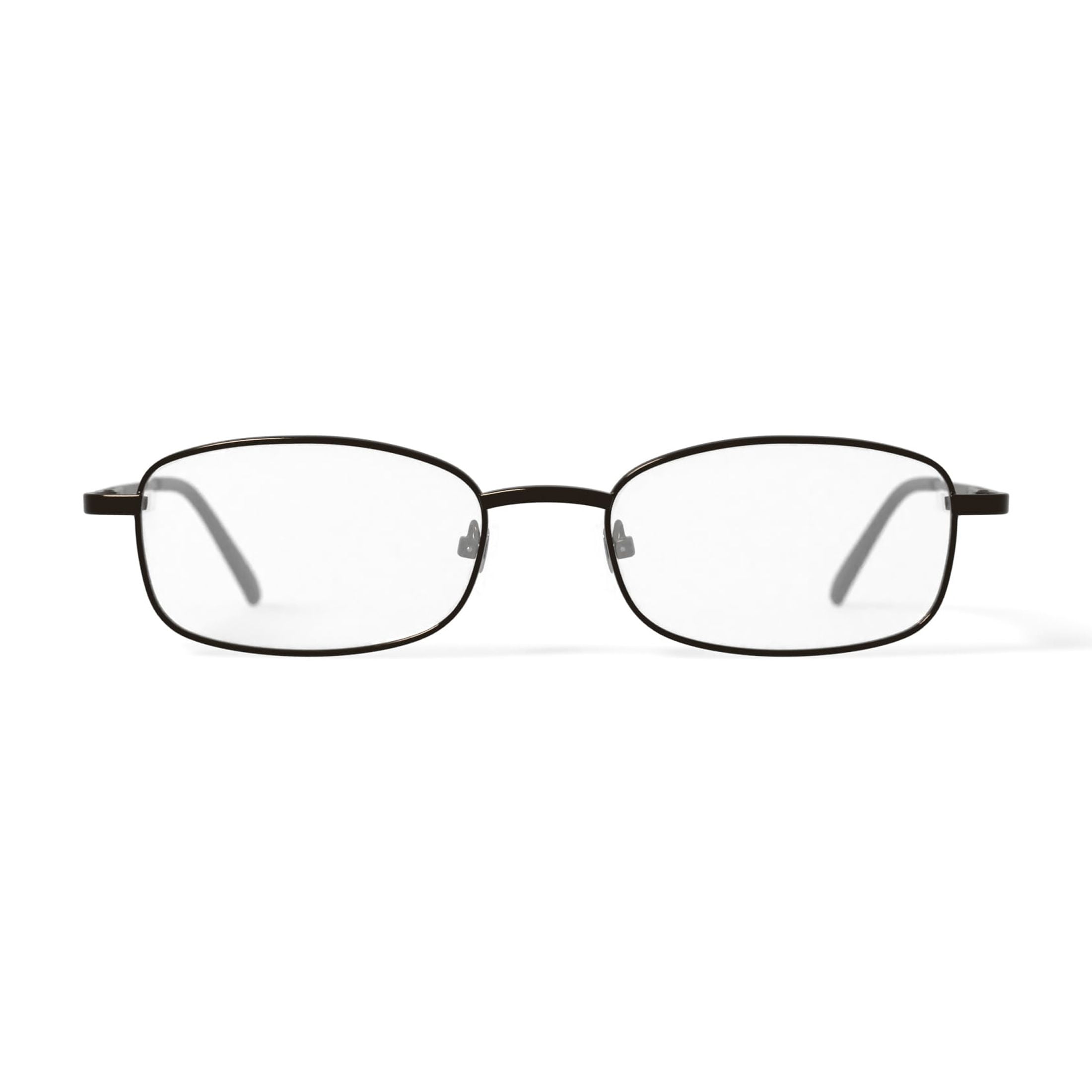
Prescription sunglasses usually cost $100 to $600 or more. The price includes the frame, prescription lenses, lens coatings, and sometimes an eye exam or fitting fee.
A basic prescription frame with standard tinted lenses may cost about $100 to $250. Polarized, progressive, high-index, photochromic, or specialty prescription lenses can raise the price to $300 to $600 or more.
Common cost factors include:
• Single-vision or progressive prescription
• Lens thickness
• High-index lens material
• Polarization
• Anti-reflective coating