Many men notice both dresses and pants, but confidence and fit usually matter more than the garment.
The question “do men prefer women in dresses or pants” sounds simple, but attraction rarely follows one clothing rule. Style, comfort, body language, setting, culture, and personal taste all shape how an outfit is received. This guide combines clothing psychology, practical styling insight, and real-world examples to explain what tends to matter most.
Do men prefer women in dresses or pants?
There is no universal answer to do men prefer women in dresses or pants. Some men like the soft, polished look of a dress. Others prefer pants because they look modern, relaxed, or confident.
Many people respond first to the overall impression, not the clothing category. A well-fitted outfit can look attractive in either form. Poor fit, discomfort, or a style that does not suit the occasion can reduce the effect of even an expensive outfit.
Key factors often include:
• Fit: Clothes that fit well tend to look neat and intentional.
• Confidence: Comfort can improve posture, eye contact, and natural movement.
• Personal style: A genuine look often feels more appealing than forced fashion.
• Occasion: A dress may suit a wedding, while pants may work better for a casual lunch.
• Color and fabric: These affect mood, polish, and visual interest.
• Grooming and body language: Hair, shoes, posture, and facial expression complete the look.
So, when people ask do men prefer women in dresses or pants, the most accurate answer is that many men prefer the woman who feels comfortable and looks like herself.

Why dresses attract attention
Dresses create one continuous visual line from the shoulders to the legs. This can make the outfit look smooth, elegant, and easy to understand at a glance. The effect may be especially strong when the dress has a clear shape at the waist or uses a flattering color.
A dress can also signal effort without looking overly complex. One garment can create a complete outfit, especially when paired with simple shoes and a small bag.


Still, a dress is not automatically more attractive. The wrong length, fabric, or cut can make the wearer feel self-conscious. If someone keeps adjusting the dress or worrying about movement, that discomfort may show through body language.
Dresses can work well for:
• Date nights
• Weddings and celebrations
• Dinner events
• Summer outings
• Professional settings with a polished dress code
The best dress is one that suits the wearer’s shape, lifestyle, and comfort level. A simple wrap dress, shirt dress, or knit dress may look more appealing than a dramatic style that feels unnatural.
 attention”
style=”max-width: 100%; height: auto; border: 2px solid black; border-radius: 10px; display: block; margin: 0 auto;”
loading=”lazy”
/>
Why pants can look attractive
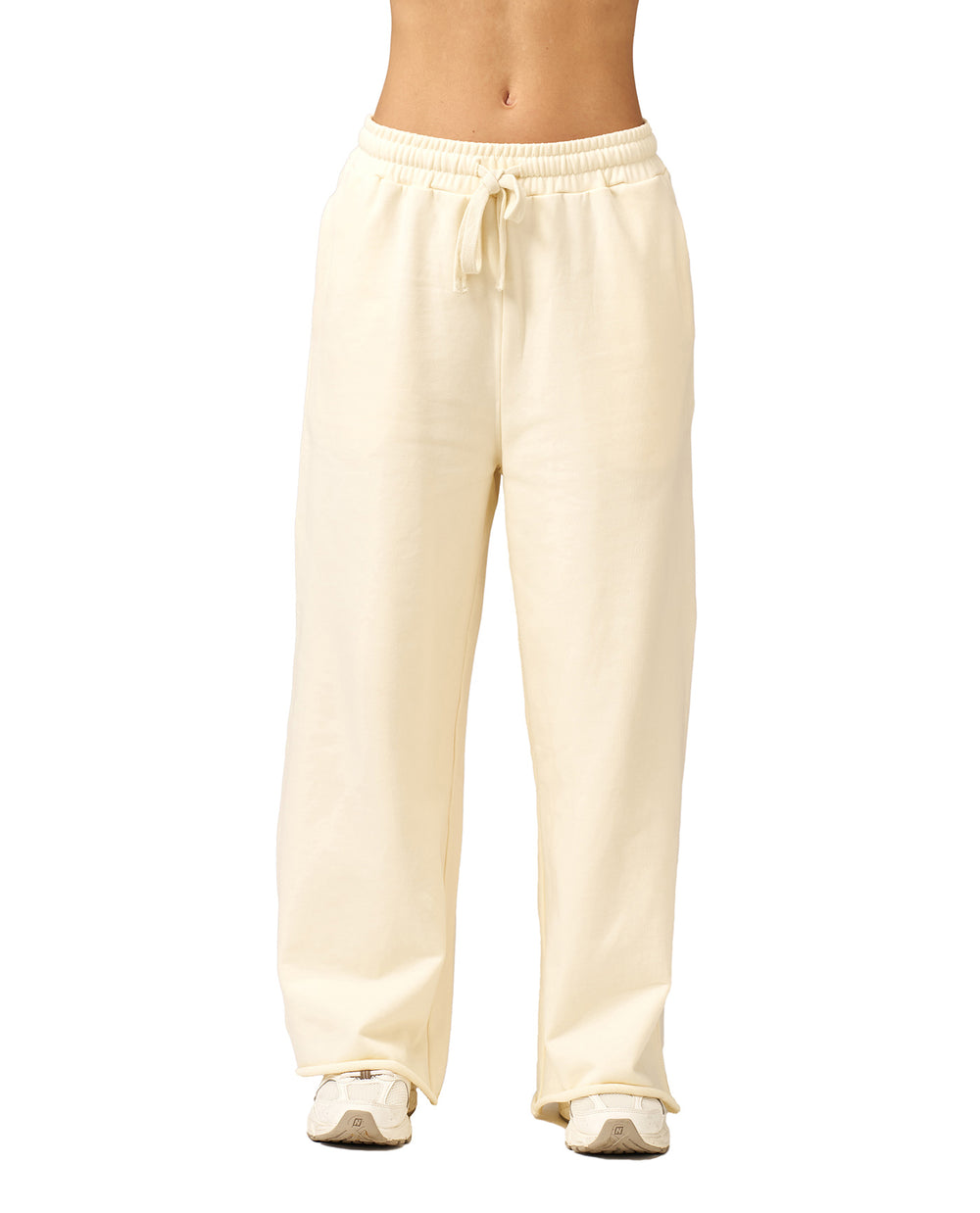
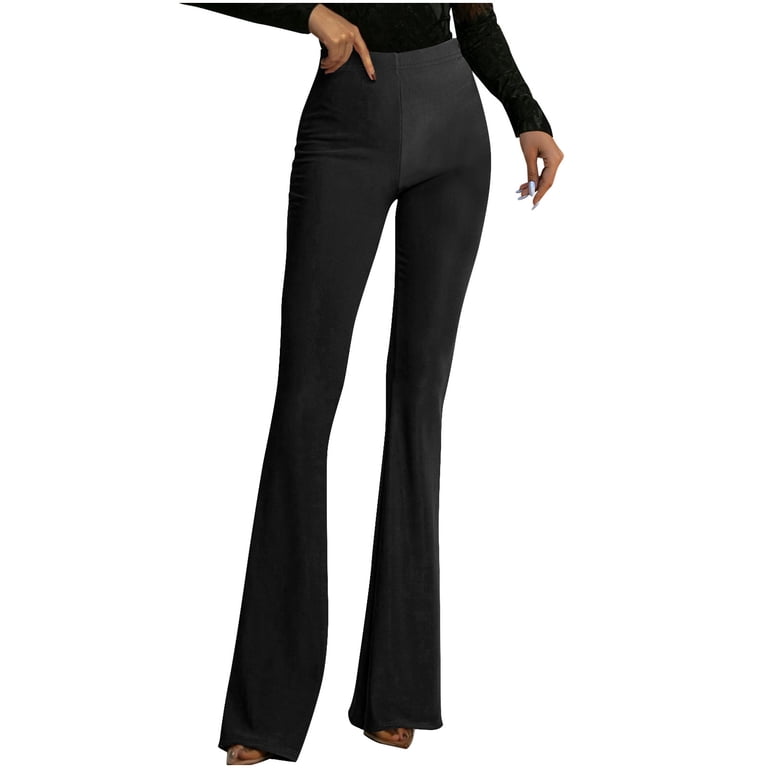
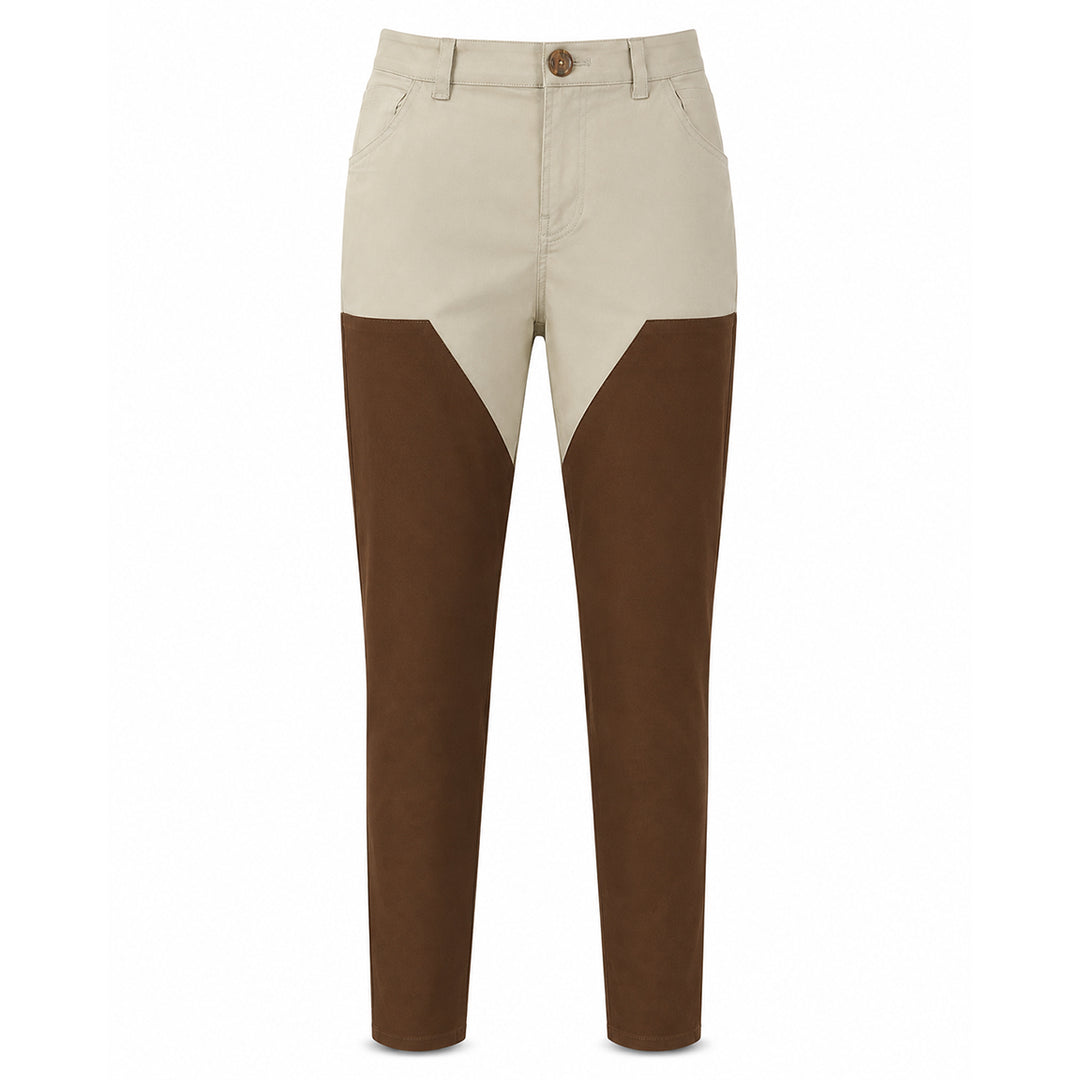
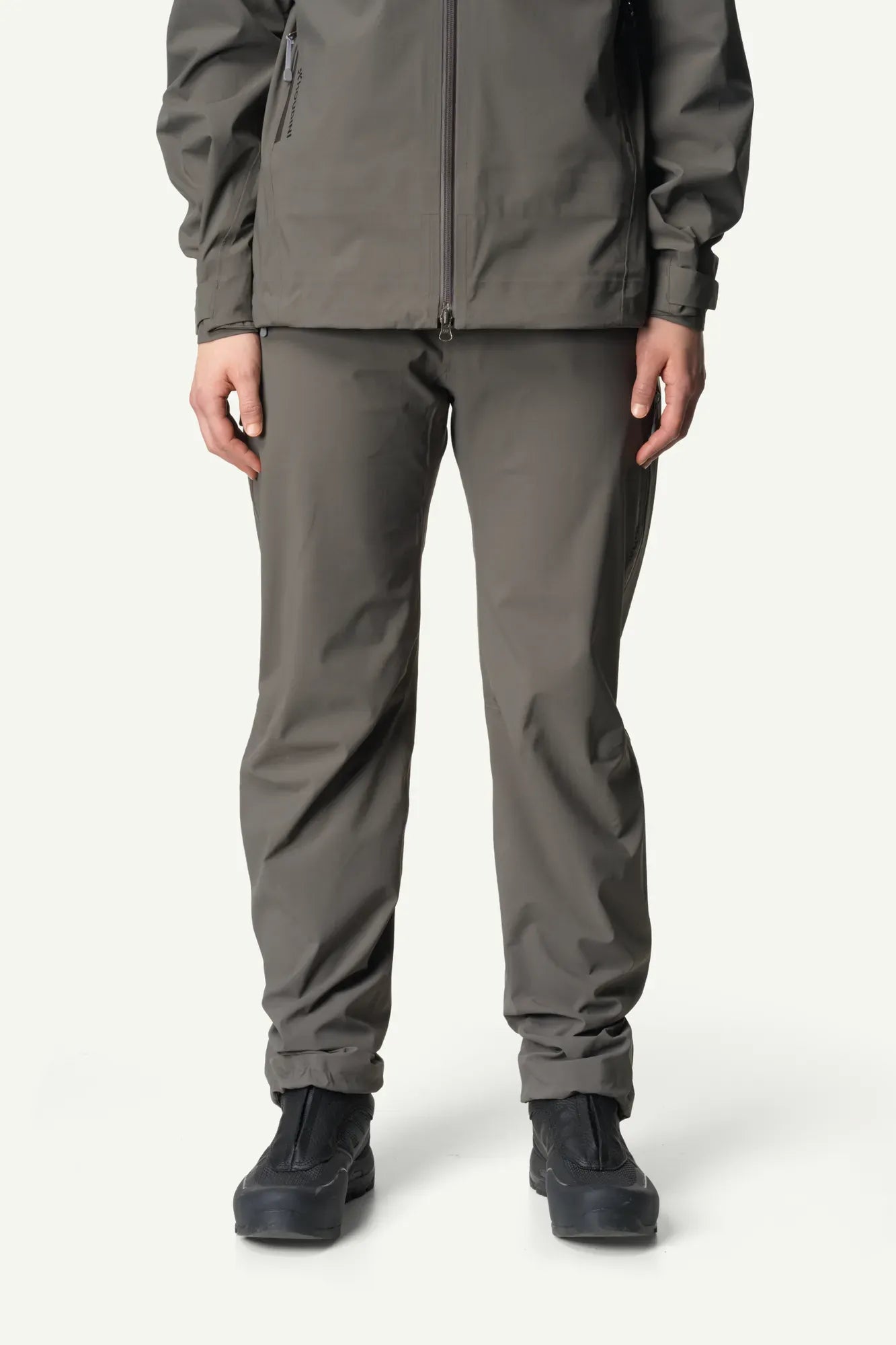
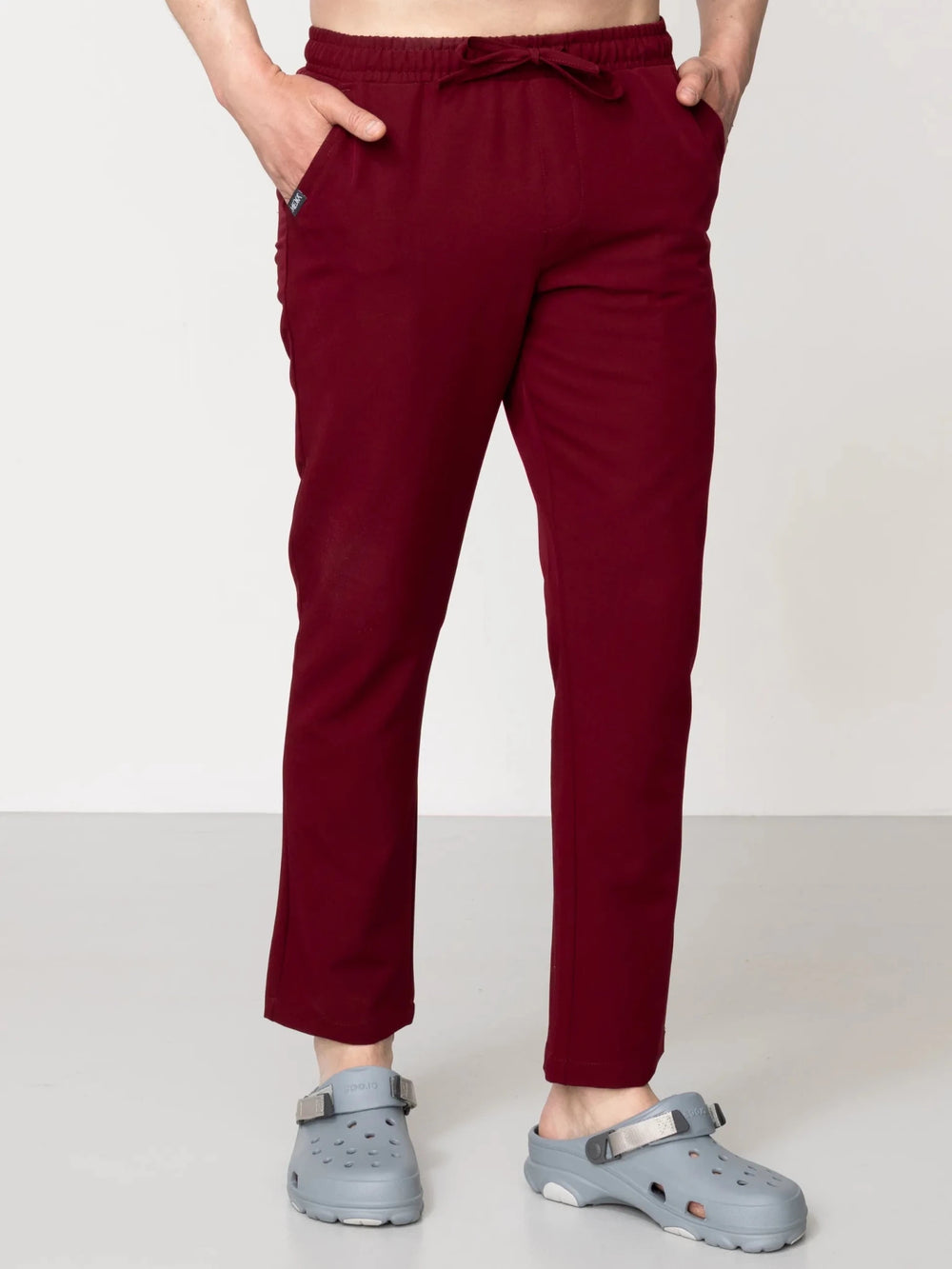
Pants often communicate ease, strength, and modern style. A good pair of trousers can create a clean shape while allowing easy movement. Jeans, tailored pants, wide-leg trousers, and fitted pants each send a different style message.
Many men appreciate pants because they can look practical and confident. Pants may also highlight personal taste through details such as a belt, a sharp jacket, or well-chosen shoes.
When considering do men prefer women in dresses or pants, pants deserve equal attention. They are not simply the casual alternative. Tailored pants with a silk blouse can look refined. Dark jeans with boots can look confident. Wide-leg pants with a fitted top can create balance.
Pants often work well for:
• Casual dates
• Travel
• Concerts and social events


• Workplaces
• Outdoor activities
• Everyday errands
The main lesson is simple: pants can look highly feminine, elegant, or stylish when the cut and styling fit the person wearing them.
What clothing psychology suggests
Clothing changes how people see themselves and how others read them. This does not mean one garment creates attraction on its own. It means clothing can influence signals such as confidence, formality, creativity, and approachability.
Studies in social perception have found that observers often make quick judgments from clothing. Those judgments can involve competence, mood, social role, and personality. However, these impressions are shaped by context and personal bias, so they should not be treated as fixed facts.
For example, a structured blazer and tailored pants may suggest focus and confidence in a work setting. A flowing dress may suggest softness or elegance at a dinner. The same clothing can create a different impression when worn at the wrong event.
This is why the answer to do men prefer women in dresses or pants changes from one person and situation to another. Attraction is not a clothing test. It is a response to the full picture.
Important limits also matter:
• Most clothing preference surveys use small or self-selected groups.
• People may report what sounds attractive rather than what they choose in real life.
• Culture, age, sexuality, and relationship goals affect preferences.
• Images do not show movement, personality, or comfort.
• Clothing choices may reflect social expectations rather than true attraction.


Fit matters more than dress versus pants
Fit is one of the strongest style factors. Clothes that follow the body without pulling, sagging, or hiding the shape can look polished. This applies to every body type and every fashion preference.
A dress that is too tight may restrict movement. Pants that are too loose may lose their shape. Both problems can distract the wearer and reduce confidence.
Use these simple fit checks:
-
Sit down before buying or wearing the outfit.
-
Walk a few steps and notice whether the fabric shifts.
-
Check that seams sit in the right places.
-
Look for pulling across buttons, hips, or shoulders.
-
Make sure the waistband feels secure but not tight.
-
Check the length with the shoes you plan to wear.
In practical styling, the strongest answer to do men prefer women in dresses or pants is often “the outfit that fits well.” A modest, affordable outfit can look excellent when it fits better than a costly outfit with poor tailoring.
Confidence changes how an outfit looks
Confidence is not about acting superior or seeking attention. It is the ease that comes from feeling at home in what you wear. That ease can affect posture, walking speed, facial expression, and conversation.
A person who feels good in pants may look more attractive in pants than in a dress chosen only to impress someone. The reverse is also true. Clothing works best when it supports natural behavior rather than fighting it.
A useful test is to ask:


• Can I move easily?
• Do I feel like myself?
• Can I focus on the event instead of my outfit?
• Would I wear this style again?
• Does this outfit fit the setting?
If the answer is yes, the clothing is doing its job. When discussing do men prefer women in dresses or pants, confidence should not be treated as a trick. It is a sign that the outfit matches the wearer.
The role of color, fabric, and shape
Color can influence the mood of an outfit. Black may look sleek and formal. White can feel fresh. Red often appears bold. Blue may feel calm or classic. These effects are not universal, but color can change the first impression.
Fabric also matters. Soft knits may look relaxed. Denim feels casual. Satin can look dressy. Linen may suggest a light, natural style. The texture should match the occasion and climate.
Shape creates balance. For example:
• A fitted top can balance wide-leg pants.
• A loose blouse can work with straight-leg pants.
• A structured jacket can sharpen a flowing dress.
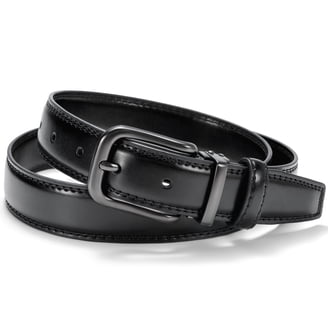
• A belt can define the waist of a relaxed dress.
• Simple shoes can keep a bold outfit from looking too busy.
These details help explain why do men prefer women in dresses or pants is not a complete styling question. The cut, color, texture, and balance often matter more than whether the outfit has a skirt or two legs.
Dresses versus pants for different occasions
The best choice depends on the setting. An outfit that looks attractive at a beach café may feel wrong at a formal dinner. Dressing with awareness shows respect for the event and reduces stress.
For a first date, choose something that allows easy movement and conversation. A casual dress can feel polished, while dark jeans and a nice top can feel relaxed. Neither choice is automatically better.
For work, consider the dress code and the role. Tailored pants, a blouse, and clean shoes can project confidence. A simple dress with a jacket can create the same effect.
For a formal event, a well-cut dress may be the easiest option, but a dressy pantsuit can look just as elegant. For outdoor plans, pants may offer comfort and practicality, while a casual dress can work in warm weather.
This context explains why do men prefer women in dresses or pants cannot be answered without asking where, when, and how the clothes are worn.

Practical styling lessons from real life
A common mistake is choosing an outfit based only on what someone else may like. That approach can lead to uncomfortable shoes, clothes that need constant adjustment, or a style that feels unlike the wearer.
A better approach is to build an outfit around one reliable piece. For example, start with a favorite pair of trousers or a dress that always feels comfortable. Then add shoes, accessories, and a layer that suit the occasion.
Another mistake is confusing attention with attraction. Bright colors, revealing cuts, or dramatic designs may draw notice, but attention does not always mean genuine interest. A balanced outfit can be more memorable because it feels natural.
Helpful lessons include:
• Wear the style you can carry with ease.
• Choose comfort before trends.
• Use tailoring when possible.
• Keep one main item as the focus.
• Match the outfit to the occasion.
• Wear shoes you can walk in.
• Let your personality show through small details.
These lessons are more useful than trying to guess whether do men prefer women in dresses or pants. Style should help you connect, not make you perform.
How to choose between a dress and pants
Use this quick process before getting dressed:
-
Check the setting and expected level of formality.
-
Look at the weather and planned activities.
-
Pick the option that feels most comfortable.
-
Check the fit from the front, side, and back.
-
Add shoes that support the outfit and your movement.
-
Use one or two accessories for a finished look.
-
Take a short walk and notice how you feel.
If both options work, choose the one that makes you stand taller and smile more easily. That response is often more valuable than a general answer about men’s preferences.
It can also help to ask a trusted friend for feedback. Choose someone honest who understands your style, rather than someone who simply follows trends.
What men may notice first
People vary, but several details commonly shape first impressions:
• Overall neatness
• Facial expression
• Eye contact
• Posture
• Color coordination
• Shoe condition
• Clothing fit
• Natural movement
• Personal grooming
Men are not a single group with one shared preference. Some notice fashion right away. Others focus more on warmth, humor, or conversation. Many people notice whether an outfit seems authentic and suited to the wearer.
This is why a woman in simple pants may make a stronger impression than someone in an elaborate dress if she appears relaxed and engaged. The garment frames the person, but it does not replace the person.
Frequently Asked Questions
Do men prefer women in dresses or pants?
Some men prefer dresses, while others prefer pants. In general, fit, confidence, personal style, and the occasion often matter more than the type of garment.
Do dresses make women look more feminine?
Dresses can create a traditionally feminine look because of their shape and movement. However, femininity is personal, and pants can also look feminine through color, fit, fabric, and styling.
Can pants be attractive on a date?
Yes, pants can look very attractive on a date. Tailored trousers, dark jeans, or a stylish pantsuit can create a polished look while allowing comfort and easy movement.
What type of dress do men usually like?
There is no single dress style that all men like. Many people respond well to dresses that fit comfortably, suit the occasion, and reflect the wearer’s natural style.
Should I wear a dress to impress a man?
Wear a dress only if you like how it feels and looks on you. An outfit chosen with confidence will usually serve you better than one worn only to meet someone else’s expectation.
Is confidence more attractive than clothing?
Confidence can strongly affect how clothing is perceived because it changes posture, expression, and movement. It does not replace personal care or good style, but it can make almost any suitable outfit look better.
Do cultural differences affect clothing preferences?
Yes, culture, religion, age, location, and social setting can shape opinions about dresses and pants. A style seen as formal in one place may look casual or unusual in another.
Conclusion
The answer to do men prefer women in dresses or pants is personal, but the larger pattern is clear: men do not all want the same look. A dress may feel elegant, while pants may feel confident and modern. Both can be attractive when they fit well, suit the occasion, and feel true to the wearer.
Choose clothes that let you move, speak, and enjoy the moment without constant worry. Try both styles, notice how each affects your confidence, and keep the pieces that make you feel most like yourself. Share your own experience or explore more practical style guides to build a wardrobe that works for you.
Madison Clark is a footwear expert and the voice behind MyStyleGrid.com. She specializes in honest shoe reviews, style tips, and practical guides to help readers find the perfect pair for any occasion. With years of experience in blogging and content creation, Madison makes footwear knowledge simple, stylish, and easy to follow.