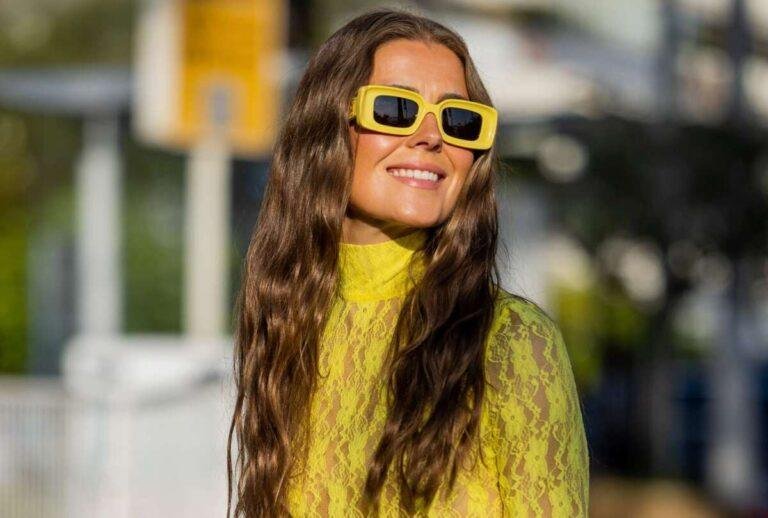
The styles in now include slim frames, wraparound shades, bold aviators, sporty lenses, and timeless neutral designs.
Knowing what style of sunglasses are in can make shopping much easier. Current eyewear trends mix strong fashion shapes with useful features such as UV protection, polarized lenses, and lightweight materials. The best pair should feel modern, suit your face, and work with your daily life.
This guide explains what style of sunglasses are in, which frame shapes are rising, how to choose lenses, and how to avoid buying a pair that looks good but feels wrong.

What style of sunglasses are in right now?
The biggest sunglasses trends balance retro style with modern comfort. Designers are bringing back classic shapes, but they are updating them with thinner frames, fresh colors, and better lens technology.
Here are the leading styles to watch:
• Slim rectangular sunglasses offer a sharp, polished look. They often come in black, tortoiseshell, silver, or clear acetate.
• Oversized sunglasses remain popular because they create instant glamour and offer broad sun coverage.
• Aviator sunglasses continue to work across many styles. New versions may feature colored lenses, flat tops, double bridges, or smaller proportions.
• Wraparound sunglasses are in because they blend sportswear with street style. They also help block light from the sides.
• Cat-eye sunglasses add a classic, feminine shape. Modern versions range from subtle to dramatic.
• Shield sunglasses have one large lens and a sporty, futuristic feel. They are common in activewear and festival fashion.
• Soft, rounded frames offer a gentler alternative to sharp rectangles. Cream, brown, olive, and translucent tones make these frames easy to wear.
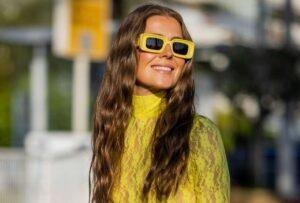
• Colorful sunglasses bring attention to the face. Transparent pink, blue, yellow, and green frames are especially useful when an outfit needs a bright accent.
The key trend is personal style. Fashion is not moving toward one single shape. Instead, people are choosing frames that match their face, wardrobe, and lifestyle.
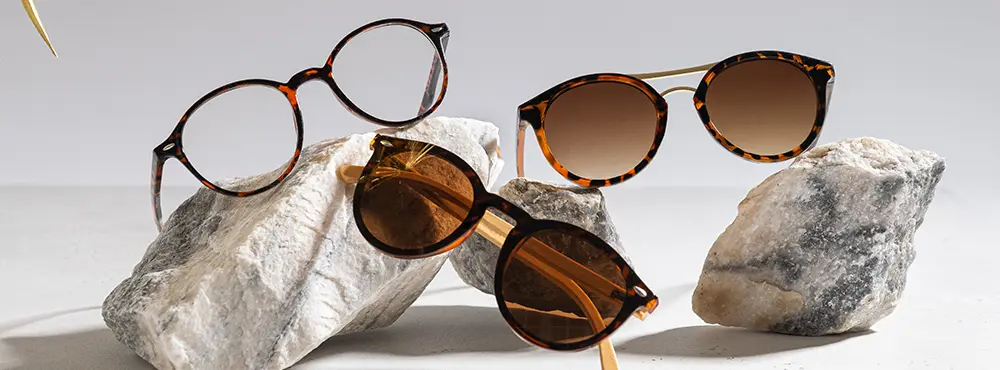
Why retro sunglasses are still popular
Retro sunglasses remain strong because familiar shapes are easy to recognize and style. Round frames, aviators, cat-eye designs, and wayfarer-inspired sunglasses have stayed relevant for decades.
This trend also reflects a wider interest in vintage clothing. People are pairing modern basics with pieces that feel like they came from the 1960s, 1970s, or 1990s. Sunglasses offer an easy way to join that look without changing an entire wardrobe.
Popular retro details include:
• Thick acetate frames
• Warm tortoiseshell patterns
• Amber and brown lenses
• Keyhole bridges
• Gold or silver metal frames
• Rounded square shapes
A useful styling lesson is to avoid copying a vintage look from head to toe. A classic frame often looks fresher with simple clothes, such as a white shirt, denim, and clean sneakers.
When considering what style of sunglasses are in, retro frames are a safe choice because they are both fashionable and familiar. Choose a modern fit and a lens color that works with your everyday clothes.
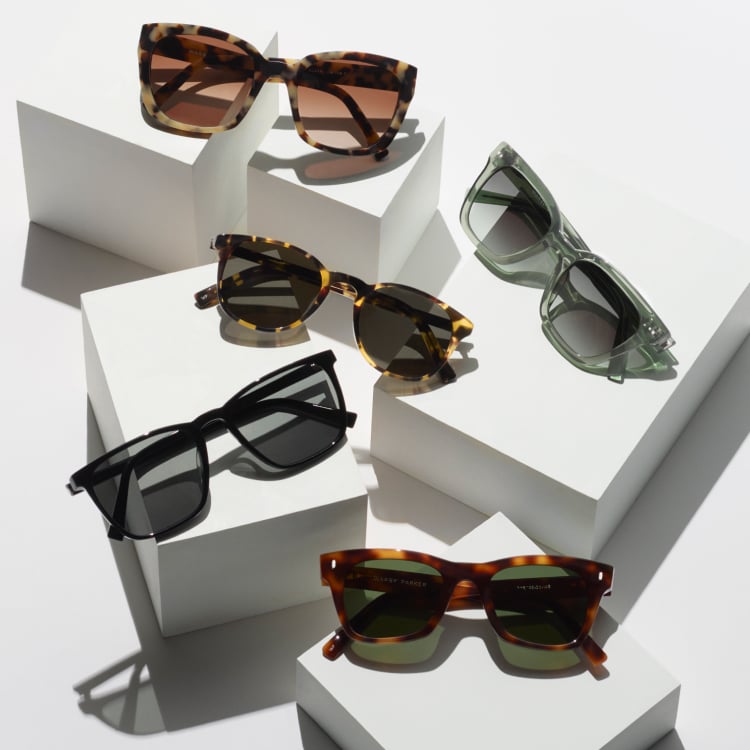
The best sunglasses for different face shapes
Face shape can help you narrow your choices, but it should not limit you. Comfort, scale, and personal taste matter just as much as traditional style rules.
Round faces
Round faces usually have soft cheek lines and a similar width and length. Angular frames can add contrast.
Good options include:
• Rectangular sunglasses
• Square frames
• Sharp cat-eye styles
• Browline frames
Avoid frames that are very small or strongly rounded if you want more definition. However, a round frame can still work when it has a bold bridge or a larger size.
Oval faces
Oval faces often suit many frame types because their proportions are balanced. You can try narrow rectangles, aviators, round frames, and oversized sunglasses.
The main concern is scale. Very wide frames may extend too far beyond the temples, while tiny frames can make the face look longer.
Square faces
Square faces have a stronger jaw and forehead. Rounded or curved frames can soften the overall look.
Try:
• Round sunglasses
• Oval frames
• Aviators
• Soft cat-eye designs
Thin metal frames can also reduce visual weight. If you prefer square frames, choose curved corners instead of very sharp edges.
Heart-shaped faces
Heart-shaped faces are often wider at the forehead and narrower near the chin. Medium-size frames with a wider lower edge can create balance.
Good choices include:
• Aviator sunglasses
• Light-colored frames
• Rounded rectangles
• Bottom-heavy designs
Very heavy top bars may draw more attention to the forehead. This is not a strict rule, but it can help if you want a more even look.
Long faces
Longer faces often look balanced with deeper frames. Oversized sunglasses, bold wayfarer styles, and wide aviators can add width.
Avoid frames that are narrow and shallow if they make the face look longer. Try the frame in a mirror and check that it covers enough of the face without touching your cheeks.
The best approach is simple: use face-shape advice as a starting point, not a law. What style of sunglasses are in matters, but the right fit will always look better than a trendy frame that pinches or slides.

Lens colors and features that matter
A stylish frame is only part of a good pair of sunglasses. The lenses affect comfort, vision, and protection.
All sunglasses should provide 99% to 100% protection from UVA and UVB rays. In the United States, look for a clear label that says “100% UV protection” or “UV400.” Dark lenses without UV protection can be risky because they may cause your pupils to open wider while harmful rays still enter the eyes.
Polarized lenses can reduce glare from roads, water, snow, and glass. They are useful for driving, fishing, hiking, and beach days. However, polarization does not replace UV protection.
Common lens colors include:
• Gray lenses provide natural color and reduce bright light. They work well for driving and daily use.
• Brown or amber lenses improve contrast and can feel comfortable in changing light.
• Green lenses reduce glare while keeping colors fairly natural.
• Yellow lenses may improve contrast in low light, but they are not a replacement for clear vision aids.
• Rose or red lenses create a stylish look and may increase contrast, though comfort varies by person.
Mirrored lenses reflect some light away from the eyes. They are useful in bright settings, but the outer coating can scratch if the glasses are stored loosely in a bag.
The American Academy of Ophthalmology recommends choosing sunglasses that block UV radiation and fit well around the eyes. The right lens is both a fashion choice and a health choice.
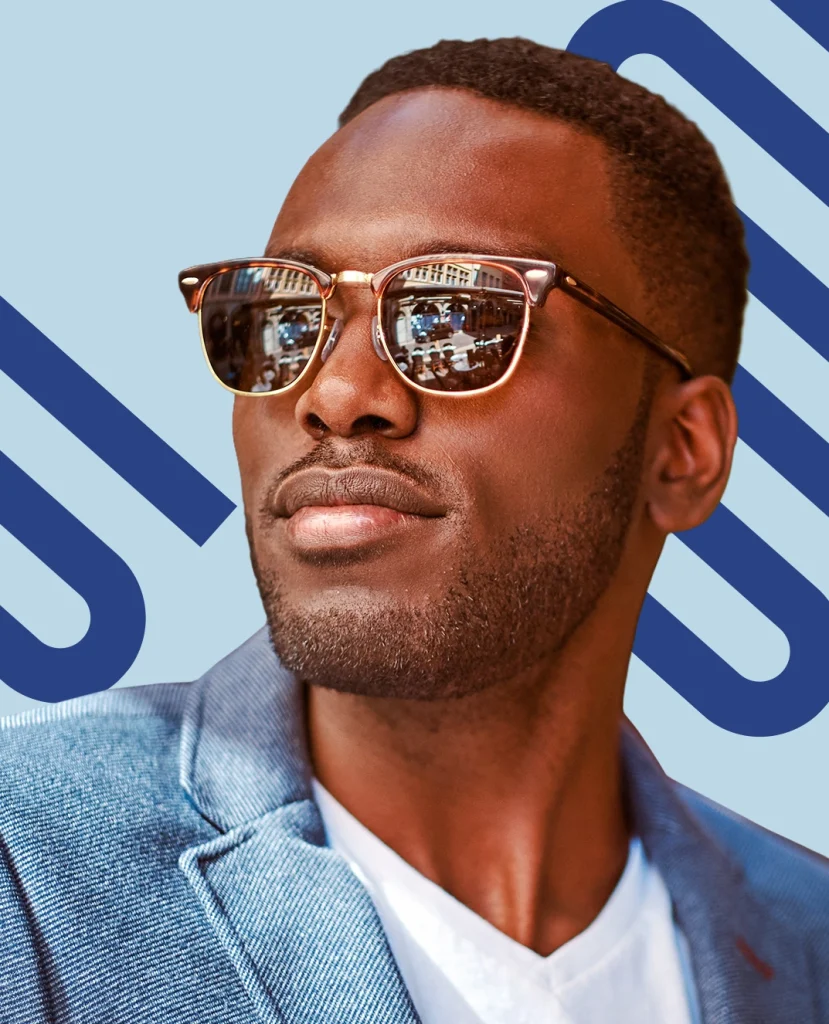
How to choose sunglasses that fit well
A good fit should feel secure without pressure. Sunglasses should sit evenly on the nose, stay in place when you move, and leave a small gap between the frame and your eyelashes.
Use this simple fitting check:
-
Place the sunglasses on your face without adjusting them.
-
Smile and check whether the frame touches your cheeks.
-
Look down and gently shake your head.
-
Check whether the temples press behind your ears.
-
Look straight into a mirror and make sure your eyes sit near the center of the lenses.
The frame should not slide when you walk. It should also not pinch your nose or create red marks after a few minutes.
A common shopping mistake is choosing a frame based only on how it looks from the front. Side width, bridge shape, lens height, and temple length all affect comfort. Online shoppers should compare the measurements with a pair they already own.
When deciding what style of sunglasses are in, remember that a good fit makes every trend look more polished. An expensive frame that slips down your nose will not look as refined as a simple frame that stays in place.

Sunglasses for driving, sports, and everyday wear
Different activities call for different designs. A pair that works for a café may not be ideal on a bike or behind the wheel.
For driving
Choose gray or brown lenses with a medium frame size. Polarized lenses can reduce glare, but some digital displays may look darker or distorted through them.
Avoid extremely dark lenses at night or in low-light conditions. Never use sunglasses as a substitute for clear vision when driving after sunset.
For sports
Wraparound and shield sunglasses offer better coverage during outdoor activity. Look for rubber nose pads, flexible temples, impact-resistant lenses, and a secure fit.
Sports sunglasses should stay in place during movement. Style matters, but a loose frame can become a distraction or a safety issue.
For the beach
Large sunglasses can reduce light around the eyes. Polarized lenses help manage glare from water and sand.
Choose a frame with strong UV protection and a durable case. Salt, sunscreen, and sand can damage coatings, so rinse the sunglasses with clean water after use.
For daily wear
Wayfarer-inspired, rectangular, rounded, and aviator frames are easy to style. Neutral colors usually work with the widest range of clothing.
If you want one pair for most situations, choose a medium-size frame in black, brown, dark green, or tortoiseshell. These colors are less demanding than bright fashion shades.

How to match sunglasses with your personal style
Sunglasses can act like punctuation in an outfit. A slim black frame creates a clean full stop. A bright shield frame adds an exclamation mark.
Use these combinations as a guide:
• Minimal style: Choose slim black, gray, or clear frames with simple lenses.
• Classic style: Try tortoiseshell, aviator, wayfarer, or soft cat-eye frames.
• Sporty style: Look for wraparound, shield, and performance frames.
• Bohemian style: Consider round frames, warm lenses, and natural colors.
• Streetwear style: Try narrow rectangles, bold shields, or oversized black frames.
• Feminine style: Choose cat-eye, butterfly, or softly rounded frames.
• Modern style: Look for transparent acetate, geometric lines, and silver details.
You do not need to match your sunglasses exactly to your clothes. Instead, repeat one small detail. For example, gold frame hardware can echo a watch, while brown lenses can complement leather shoes or a warm bag.
A practical lesson from real-world fitting is that contrast often looks better than perfect matching. A delicate outfit can look stronger with bold sunglasses, while a loud outfit may benefit from a quiet frame.
Common sunglasses mistakes to avoid
Even the most fashionable sunglasses can fail when the details are overlooked.
Avoid these mistakes:
• Choosing very dark lenses without confirming UV protection
• Buying a frame that is too wide for the face
• Ignoring pressure around the nose or ears
• Wearing scratched lenses that make vision uncomfortable
• Selecting a trend that does not match your daily activities
• Cleaning lenses with a shirt or paper towel
• Leaving sunglasses in a hot car
• Carrying them without a protective case
To clean sunglasses, rinse away dust with lukewarm water, use a small amount of mild dish soap, and dry them with a clean microfiber cloth. Do not use household glass cleaner because it may damage lens coatings.
If your vision changes, your eyes hurt, or bright light causes unusual discomfort, speak with an eye-care professional. Sunglasses can protect your eyes, but they cannot correct every vision problem.

A simple buying checklist
Before buying a new pair, review these points:
• UV protection: Confirm 100% UVA and UVB protection or UV400 labeling.
• Fit: Make sure the frame does not pinch, slide, or touch your cheeks.
• Lens quality: Check for distortion, scratches, and uneven tint.
• Activity: Choose a design suited to driving, sports, travel, or daily use.
• Frame material: Acetate is sturdy and stylish, while metal can feel light and refined.
• Lens type: Consider polarized lenses for glare, especially near water or on roads.
• Style: Pick a shape that works with your wardrobe and face proportions.
• Care: Buy a hard case and microfiber cloth to protect the lenses.
Trends change quickly, but a well-made frame can last for years. If you are unsure what style of sunglasses are in, start with a classic shape and update it with a current color or lens treatment.
Frequently Asked Questions About What Style of Sunglasses Are In
What style of sunglasses are in for 2025?
Slim rectangular frames, wraparound sunglasses, oversized designs, aviators, and modern cat-eye frames are all popular. Neutral colors remain easy to wear, while transparent and bright frames offer a bolder look.
Are aviator sunglasses still in style?
Yes, aviator sunglasses remain a reliable choice. Updated versions with smaller lenses, colored glass, double bridges, and lighter metal frames give the classic shape a modern feel.
Are oversized sunglasses still fashionable?
Oversized sunglasses are still fashionable and provide broad coverage from bright light. Choose a size that does not extend too far past your temples or touch your cheeks.
What sunglasses look best on most face shapes?
Medium-size rectangular, rounded-square, and aviator frames work well for many people. The best option depends on frame scale, bridge fit, and personal comfort rather than face shape alone.
Are polarized sunglasses better for your eyes?
Polarized sunglasses reduce glare, which can improve comfort during driving and outdoor activities. They must still include full UVA and UVB protection because polarization alone does not block all harmful UV rays.
What color sunglasses are easiest to wear?
Black, brown, tortoiseshell, gray, and dark green frames are easy to match with most clothing. Clear and pastel frames are also flexible, but they create a lighter and more noticeable look.
How can I tell if sunglasses provide UV protection?
Look for labeling that says 100% UVA and UVB protection or UV400. If the label is missing or unclear, ask the seller or have the lenses tested by an optical professional.
Conclusion
The answer to what style of sunglasses are in is broad: slim rectangles, oversized frames, aviators, cat-eye designs, wraparound shapes, and sporty shields are all strong choices. Retro details remain popular, but modern fit, UV protection, and lens quality matter just as much as appearance.
Choose a frame that feels comfortable, suits your lifestyle, and adds something useful to your wardrobe. Try on a classic shape first, then explore color, size, and lens finishes as your confidence grows. Explore more eyewear guides, compare trusted options, and share your favorite sunglasses style in the comments.

Rubel Miah is the Senior Editor at MyStyleGrid.com, where he brings a sharp editorial eye and an unshakable love for fashion to everything he does. A true style addict, Rubel lives and breathes trends, from streetwear to high fashion, and has a knack for turning inspiration into impactful stories. With years of experience in fashion journalism and digital media, he curates content that empowers readers to express themselves through style. When he’s not editing features or forecasting the next big thing, you’ll find him hunting down vintage pieces or capturing street style moments around the city.