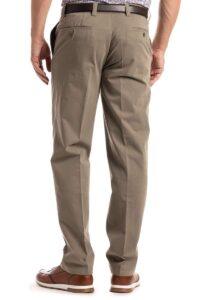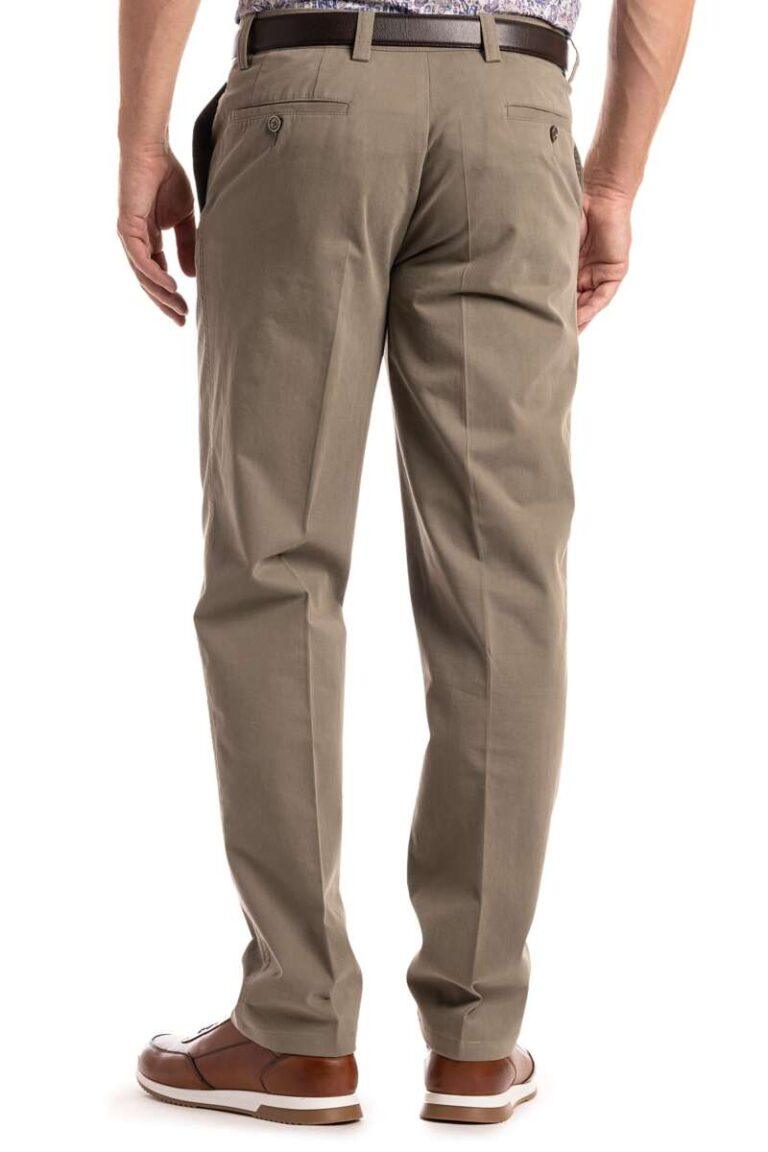
Yes, chinos are trousers made from cotton twill, known for their neat look and everyday comfort.
If you have ever wondered, “are chinos trousers?” the answer is clear: chinos are a type of lightweight trouser. They sit between jeans and dress pants, which makes them useful for work, travel, dinners, and relaxed weekends. This guide explains their history, fabric, fit, styling, care, and the key differences between chinos, khakis, and other pants.

What Are Chinos Trousers?
Chinos are trousers made most often from cotton twill. Twill is a woven fabric with a fine diagonal pattern. It feels smoother and lighter than denim, but it still offers good strength for daily wear.
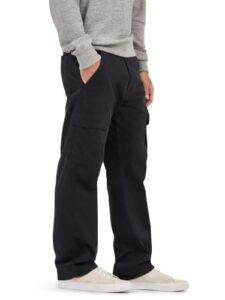
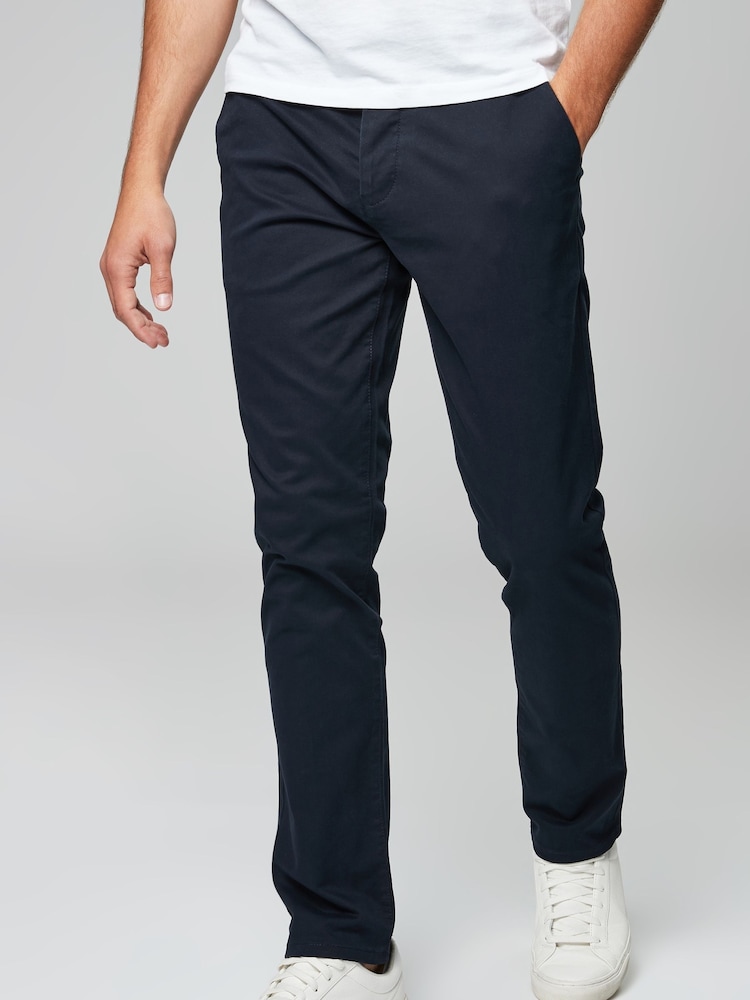
The term “chinos” often describes trousers with a flat front, belt loops, slanted front pockets, and welt or buttoned back pockets. They usually have a clean shape without the heavy stitching found on jeans or cargo pants.
So, are chinos trousers or pants? Both terms are correct. In American English, people often say “pants.” In British English, “trousers” is more common. Chinos are trousers in the broad clothing sense, and chinos are pants in everyday US speech.
Chinos come in many colors. Tan, navy, olive, gray, black, and stone are among the most common. Some versions use stretch cotton, which adds comfort without changing the classic appearance.

The History of Chinos
Chinos have military roots. Cotton twill uniforms became popular with military forces because the fabric was lighter and easier to maintain than some earlier uniform materials. The design later moved into civilian clothing and became a lasting part of modern menswear.
The word “chino” is linked to the Spanish word for Chinese. One common explanation is that the fabric was made in China or traded through regions connected with Chinese textile production. The exact history is complex, so it is safer to view this as part of the garment’s wider story rather than a single proven origin.
By the mid-20th century, chinos had become popular in schools, offices, and leisure clothing. Today, designers make chinos in slim, straight, athletic, relaxed, cropped, and pleated styles.
This history helps explain their appeal. Chinos began as useful clothing, not fragile fashion. Their best quality is still the same: they are practical, neat, and easy to wear.
How Chinos Differ From Khakis
Many people use “chinos” and “khakis” as if they mean the same thing. In everyday shopping, this is understandable. However, the terms can describe different features.
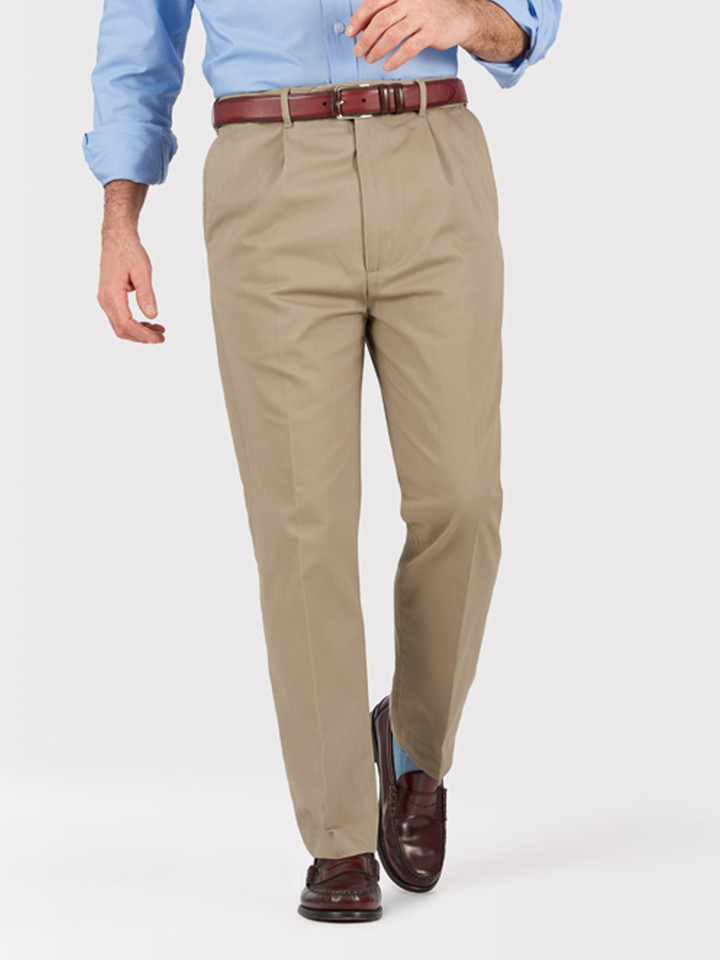
Khaki originally referred to a dusty tan color used in uniforms. Chinos refer more directly to a style of trouser and a type of cotton twill fabric. A pair of chinos can be navy or black, while traditional khakis are usually tan or beige.
Here are common differences:
• Chinos usually have a smoother, finer weave and a dressier finish.
• Khakis may use a heavier fabric and a more casual cut.
• Chinos often have hidden stitching and a cleaner front.
• Khaki pants can include many casual designs, including utility details.
• Both may be made from cotton twill and may look almost identical.
The difference is not always strict. Clothing brands use these words in different ways, so check the fabric, cut, pockets, and product photos before buying.

Are Chinos Trousers Suitable for Work?
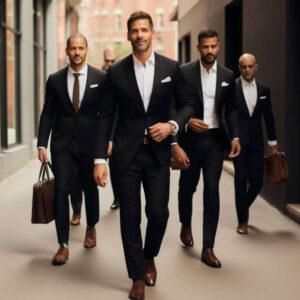
Yes, chinos can work well in many offices. They are especially useful for business-casual workplaces where jeans look too casual but suit trousers feel too formal.
Choose a clean pair in navy, charcoal, dark olive, gray, or tan. Pair them with an Oxford shirt, polo shirt, knit sweater, blazer, or leather loafers. A pressed shirt and polished shoes can make chinos look ready for a meeting.
Still, workplace rules vary. Chinos may not be formal enough for a law firm, formal interview, wedding, or event that requires a suit. When in doubt, wear dress trousers or ask about the dress code.
A useful rule is simple: the darker and cleaner the chinos, the more formal they tend to look. A slim or straight fit also looks sharper than a very loose or heavily distressed pair.
Choosing the Right Chino Fit
Fit matters more than the brand name. Even high-quality chinos can look poor if the waist, seat, or length is wrong.
Waist
The waistband should sit comfortably without squeezing your stomach. You should not need to pull it tight with a belt. At the same time, the trousers should not slide down when you walk.
A small gap is normal, but avoid buying a size that creates deep folds around the waist. Cotton can relax slightly with wear, especially when the fabric includes stretch.
Seat and thighs
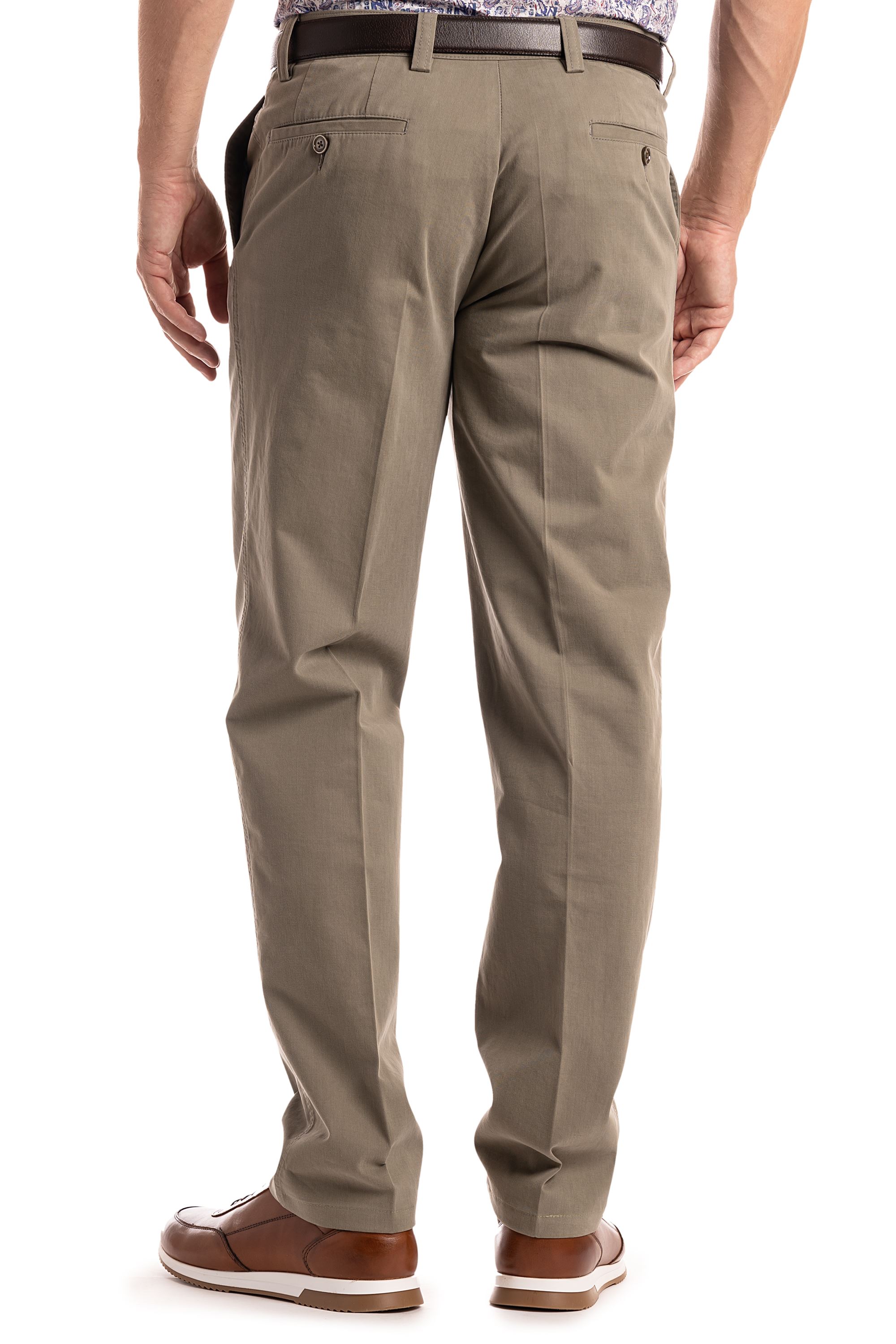
The back of the trousers should lie smoothly against your body. Pulling, diagonal wrinkles may mean the seat is too tight. Excess fabric may mean the seat is too large.
Your thighs should have enough room for normal movement. You should be able to sit, climb stairs, and bend without feeling trapped.
Leg shape
Slim chinos create a modern outline, but they should not cling like leggings. Straight chinos offer more room and work well with casual shoes. Athletic fits usually provide extra space in the seat and thighs while tapering below the knee.
Length
A slight break means the fabric makes a small fold above the shoe. A no-break length ends close to the top of the shoe and looks clean. Cropped chinos can work with loafers, sneakers, and summer outfits, but the hem should look intentional.
One practical fitting lesson is worth remembering: buy for the waist and seat first, then alter the length. A tailor can shorten trousers easily, but major changes to the rise or seat may be costly.
What to Wear With Chinos
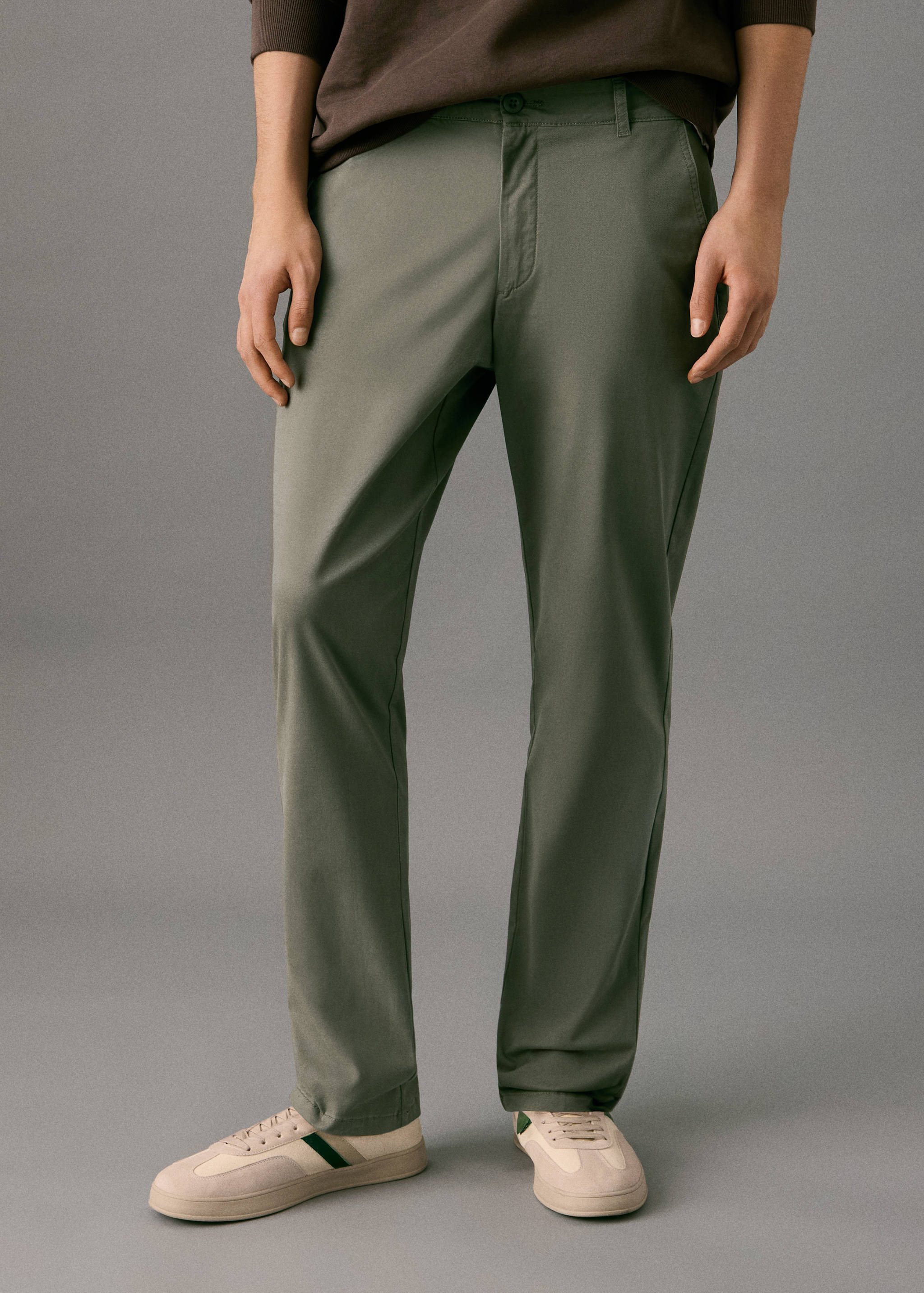
Chinos are versatile because they do not strongly belong to one style group. They can look casual, smart, or even slightly formal based on the items around them.
Casual outfit
Wear tan or olive chinos with a plain T-shirt and clean sneakers. Add a denim jacket or casual overshirt when the weather is cool.
Smart-casual outfit
Try navy chinos with a light blue button-down shirt and brown leather shoes. A simple belt that matches the shoe color can make the outfit look more complete.
Office outfit
Choose gray, navy, or dark khaki chinos with a tucked-in shirt, leather belt, and loafers. Add an unstructured blazer if you want more polish.
Cold-weather outfit
Pair heavier chinos with a crew-neck sweater, wool coat, and boots. Earth tones such as brown, olive, cream, and rust work well together.
Warm-weather outfit
Lightweight chinos in stone, beige, or pale gray work with polo shirts, linen shirts, canvas sneakers, or loafers. Avoid overly thick fabric in hot weather because it can hold heat.
The main styling idea is balance. If the chinos are slim, choose a shirt with some structure. If the chinos are relaxed, a neat shirt or fitted jacket can keep the outfit from looking untidy.

Common Chino Fabrics and Features
Not all chinos feel the same. Fabric weight, fiber content, and finishing can change how they wear.
• 100% cotton offers a natural feel and strong breathability.
• Stretch cotton adds comfort, especially when sitting or traveling.
• Heavyweight twill gives more structure and may last longer, but it can feel warm.
• Lightweight twill feels cooler and softer but may wrinkle or wear sooner.
• Garment-dyed chinos have a broken-in color and softer feel.
• Performance chinos may resist wrinkles, water, or stains through special fabric treatments.
Stretch fabric can be useful, but too much elastane may reduce the firm feel of traditional chinos. A small amount often provides comfort while keeping the trousers looking structured.
Fabric quality is not measured by thickness alone. A well-made medium-weight pair can outperform a cheap, heavy pair because construction, stitching, and finishing also matter.
Benefits of Wearing Chinos
Chinos remain popular because they solve several everyday clothing problems.
• They are more polished than most jeans.
• They are usually more comfortable and less formal than dress trousers.
• They work across several seasons.
• They come in many colors and fits.
• They pair well with shirts, sweaters, jackets, sneakers, and dress shoes.
• They are often easier to pack than stiff wool trousers.
• They suit many settings, from casual meals to business-casual offices.
For travel, chinos can be especially useful. A dark pair hides small marks better than a light pair, and one pair can work with several shirts. However, cotton wrinkles more easily than synthetic performance fabric, so folding or rolling them carefully helps.
Limitations of Chinos
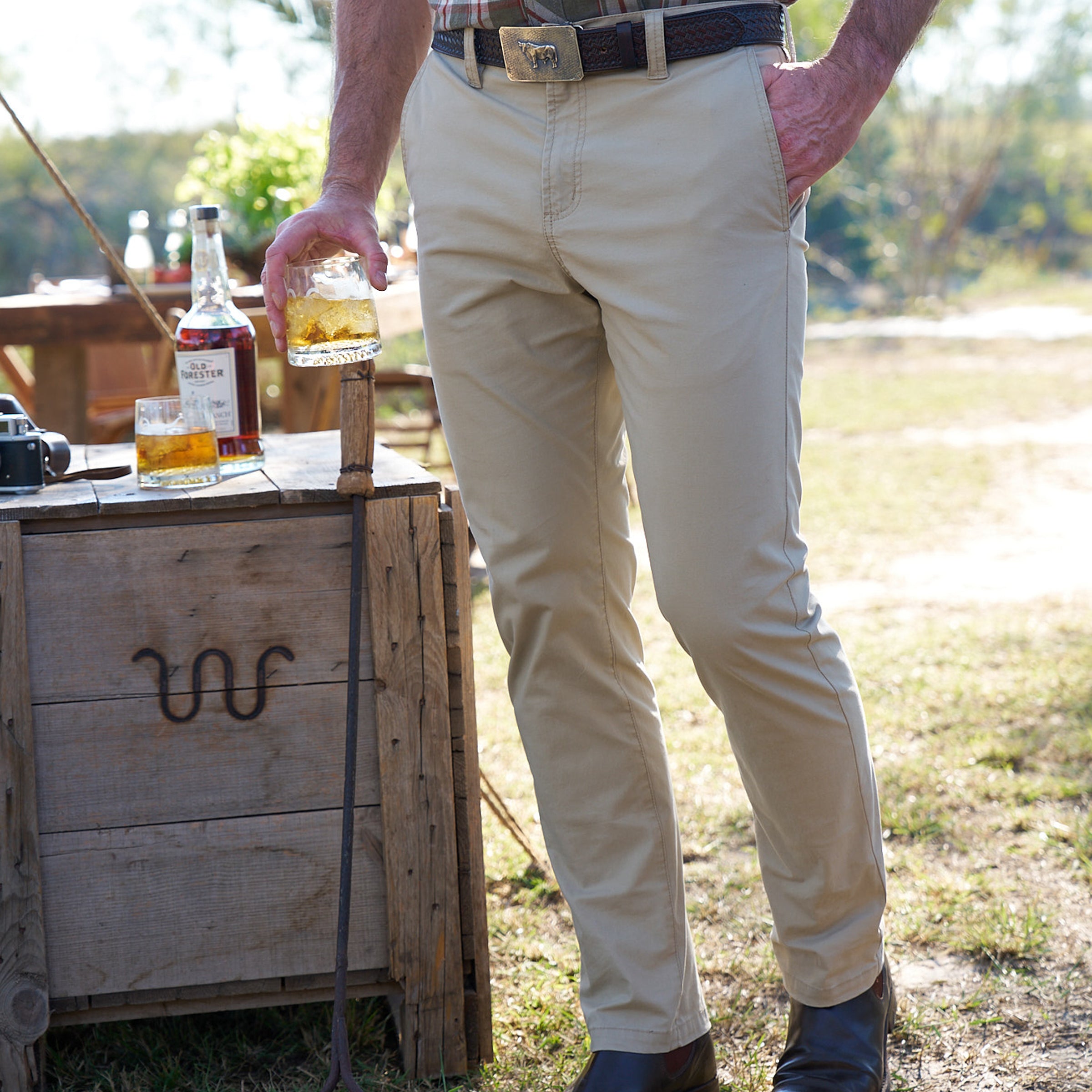
Chinos are flexible, but they are not ideal for every situation. They may look too casual for black-tie events, formal business meetings, and ceremonies that require a suit.
Cotton chinos can also wrinkle, fade, shrink, or lose shape if washed poorly. Stretch versions may develop loose knees after long wear, especially when the fabric contains a high percentage of elastic fiber.
Color matters too. Light chinos show stains quickly, while black chinos can collect lint and fade at the seams. A poor fit can also make chinos look sloppy, even when the fabric is excellent.
Knowing these limits helps you choose wisely. Chinos are a bridge between casual and formal clothing, not a replacement for every type of trouser.
How to Wash and Care for Chinos
Always check the care label first. Different finishes and fabric blends may require different instructions.
-
Turn chinos inside out before washing. This helps protect the color and surface.
-
Use cold or cool water when possible. Hot water can increase fading and shrinkage.
-
Choose a mild detergent. Strong chemicals may weaken fibers or damage dye.
-
Avoid overloading the washer. Clothing needs room to move and rinse well.
-
Air-dry chinos when you can. High dryer heat can shrink cotton and stress stretch fibers.
-
Remove them while slightly damp and hang them neatly. This reduces wrinkles.
-
Use a warm iron or steamer if needed. Test the heat on an inside area first.
Wash dark and light colors separately. Also, do not wash chinos after every single wear unless they are dirty or sweaty. Regular airing and spot cleaning can reduce unnecessary washing and help the fabric last longer.
Chinos, Jeans, and Dress Pants Compared
The best choice depends on the setting, weather, and level of formality.
| Feature | Chinos | Jeans | Dress pants |
|---|---|---|---|
| Typical fabric | Cotton twill | Denim | Wool, polyester, or blends |
| Formality | Casual to business casual | Casual | Business to formal |
| Feel | Light to medium | Medium to heavy | Smooth and structured |
| Best use | Work, travel, daily wear | Casual outfits | Offices, events, suits |
| Common colors | Tan, navy, olive, gray | Blue, black, gray | Black, navy, charcoal, brown |
Chinos usually offer more styling range than jeans. Dress pants look more formal but may require more care. If you want one pair for a casual office, dinner, and weekend plans, chinos are often the most practical middle choice.
Mistakes to Avoid When Buying Chinos
Small shopping mistakes can affect comfort and appearance.
• Do not choose a very tight waist just because the fabric stretches.
• Do not ignore the rise. A low rise may feel uncomfortable when sitting.
• Do not buy a long inseam assuming the extra fabric will look relaxed.
• Do not judge quality only by color or brand.
• Do not wear wrinkled chinos to a formal workplace.
• Do not pair very slim chinos with oversized, shapeless tops unless the look is intentional.
• Do not assume every tan trouser is a traditional chino.
Check the pocket placement, stitching, zipper, buttons, fabric weight, and return policy. Try sitting down before deciding. A pair can feel fine while standing but become tight across the waist and thighs when you sit.
Frequently Asked Questions About Are Chinos Trousers
Are chinos considered trousers?
Yes, chinos are a type of trouser made commonly from cotton twill. In the United States, they are also called pants.
Are chinos more formal than jeans?
Usually, yes. Chinos have a smoother finish and cleaner design, so they often look more polished than jeans while remaining less formal than suit trousers.
Can you wear chinos to a business-casual office?
In many workplaces, yes. Choose a clean, well-fitting pair in a neutral color and combine it with a collared shirt, neat sweater, blazer, or leather shoes.
Are chinos the same as khakis?
Not always. Khaki usually refers to a tan color or a casual trouser style, while chinos generally describe a cotton-twill trouser design. Clothing brands may use the terms differently.
Should chinos be tight or loose?
Chinos should fit close to the body without pulling or restricting movement. The best fit leaves room at the waist, seat, and thighs while keeping the leg line neat.
Can chinos be worn in summer?
Yes, especially when they are made from lightweight cotton or a breathable cotton blend. Light colors and a relaxed fit can also improve comfort in warm weather.
Do chinos shrink in the wash?
Cotton chinos can shrink if washed or dried with high heat. Cold water and air-drying help reduce that risk, but the care label should always guide you.
Conclusion
So, are chinos trousers? Yes. Chinos are versatile cotton-twill trousers that sit between jeans and dress pants. Their comfort, clean shape, wide color range, and easy styling make them useful for work, travel, dinners, and daily life.
Choose the right fit, inspect the fabric, follow the care label, and match the color to the setting. Start with one dependable pair in navy, tan, gray, or olive, then build from there. Explore more clothing guides, share your favorite chino style, or leave a comment with your best fit and outfit tips.

Rubel Miah is the Senior Editor at MyStyleGrid.com, where he brings a sharp editorial eye and an unshakable love for fashion to everything he does. A true style addict, Rubel lives and breathes trends, from streetwear to high fashion, and has a knack for turning inspiration into impactful stories. With years of experience in fashion journalism and digital media, he curates content that empowers readers to express themselves through style. When he’s not editing features or forecasting the next big thing, you’ll find him hunting down vintage pieces or capturing street style moments around the city.