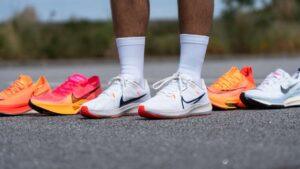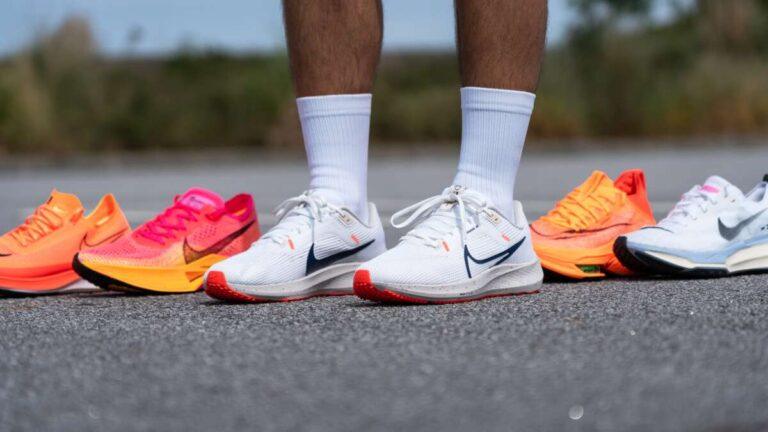
Yes, Nike makes good running shoes, but the best pair depends on your foot, running style, and training goals.
Wondering “are Nike good running shoes” is sensible because Nike offers many types, from soft daily trainers to fast racing shoes. Its best models use modern foam, strong rubber, and thoughtful design, but no single shoe works for every runner. This guide explains which Nike running shoes stand out, where they fall short, and how to choose the right pair.
Are Nike Good Running Shoes?
Yes, Nike makes good running shoes for many runners. The brand has years of experience in sports footwear and invests heavily in shoe design, foam research, and athlete testing.
Nike running shoes can offer:
• Comfortable cushioning for daily miles
• Lightweight designs for faster runs
• Stable platforms for a smooth stride
• Durable rubber outsoles
• Breathable uppers
• Options for beginners, racers, and experienced runners
However, “good” does not mean “right for everyone.” A shoe may feel excellent to one runner and too firm, too soft, or too narrow for another.
Nike’s running range includes neutral shoes, stability shoes, trail shoes, and carbon-plated racing shoes. Popular lines include the Pegasus, Vomero, Structure, Invincible, InfinityRN, and Alphafly. Each serves a different purpose.
When asking are Nike good running shoes, focus less on the logo and more on fit, comfort, support, and intended use. A well-fitting mid-range shoe often serves you better than an expensive model that does not match your feet.

What Makes Nike Running Shoes Good?
Nike uses several technologies that can improve comfort and performance. These features vary by model, so it helps to understand what they do.
Responsive running foam
Nike uses different foam systems across its shoe range. Some foams feel soft and protective, while others feel springy and fast.
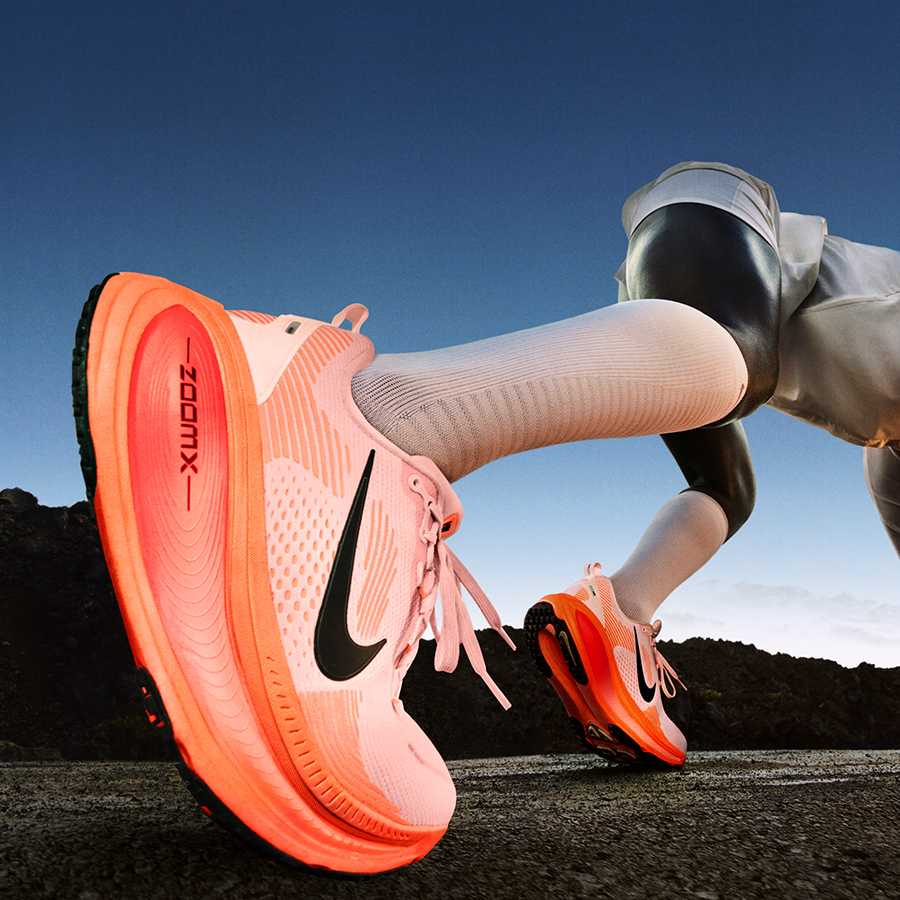
ZoomX foam is known for its light weight and high energy return. It appears in several premium training and racing shoes. ReactX foam aims to balance cushioning, stability, and everyday comfort. Cushlon foam appears in some more affordable models and often gives runners a firm, reliable ride.
Foam choice affects how a shoe feels. Soft foam can reduce the harsh feel of pavement, while firmer foam may feel more stable and controlled.
Strong outsole rubber
Many Nike running shoes use rubber in high-wear areas of the outsole. This can improve traction and help the shoe handle roads, sidewalks, treadmills, and tracks.
Still, outsole life depends on your weight, running form, surface, climate, and weekly mileage. A runner who drags the outer heel may wear shoes faster than someone with a smooth stride.
Lightweight construction
Nike often keeps its performance shoes light. Less weight can make a difference during speed workouts, races, or long runs when your legs feel tired.
A light shoe is not always better, though. Some runners prefer a slightly heavier shoe because it feels more stable and durable. The best balance depends on your goals.
Modern fit and upper materials
Nike often uses engineered mesh or lightweight woven materials. These uppers can improve airflow and reduce pressure on the foot.
Some models have a narrow or snug shape. That can feel secure for runners with slim feet, but it may cause pressure for people with wide feet or high-volume feet.
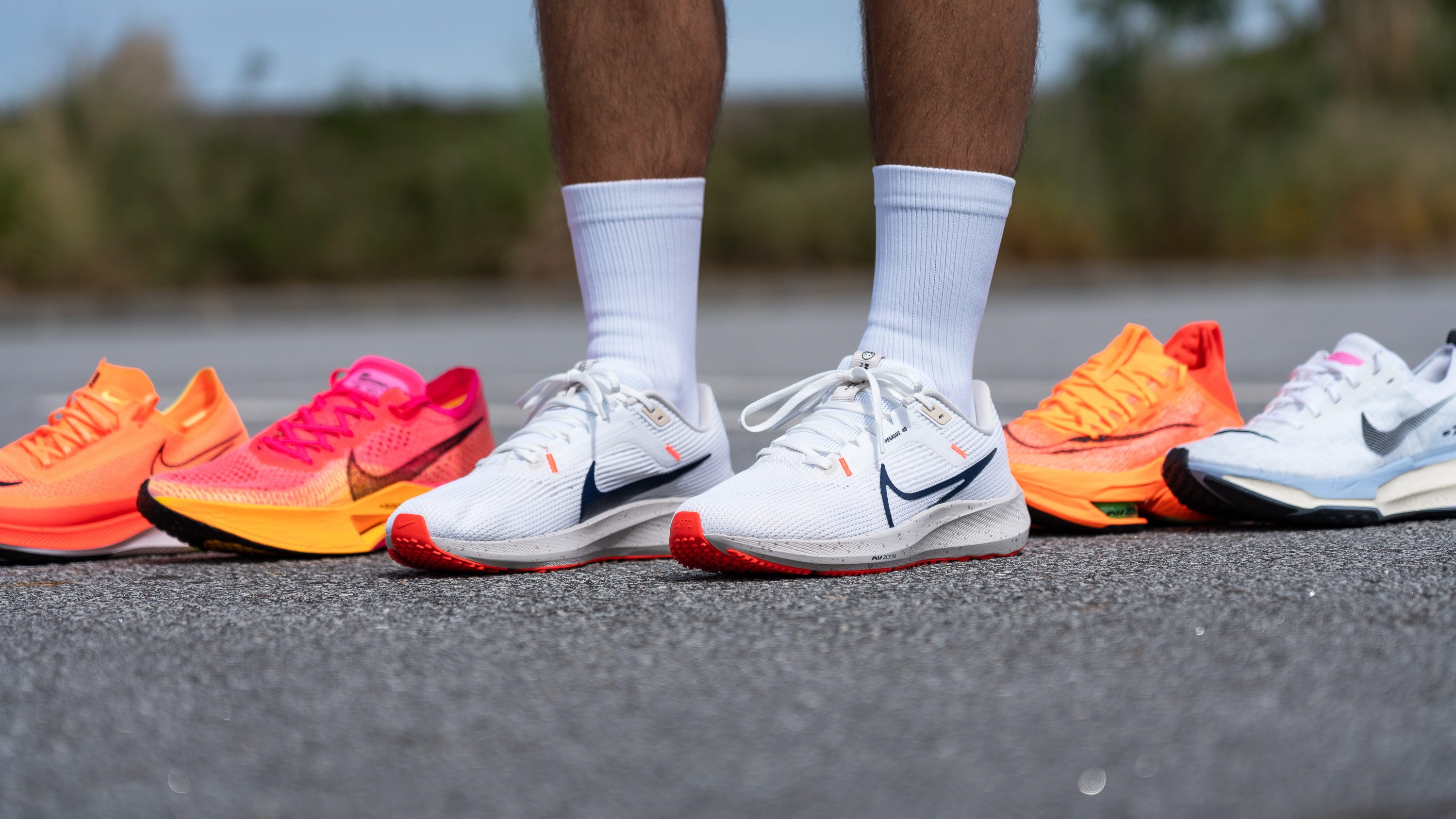
Nike Running Shoes for Different Types of Runners
The answer to “are Nike good running shoes” changes based on the runner. A beginner needs different features than a marathon racer.
Beginners
New runners usually benefit from comfort, steady cushioning, and a forgiving fit. The Nike Pegasus is often a practical starting point because it works for easy runs, walking, gym sessions, and daily use.
A beginner should not rush into a stiff racing shoe. A stable daily trainer can help you build a routine without making each run feel harsh.
Daily road runners
If you run several times each week, look for a durable shoe with balanced cushioning. The Pegasus, Vomero, and InfinityRN lines may suit different preferences.
The Pegasus tends to feel more versatile and responsive. The Vomero usually offers a more cushioned ride. The InfinityRN may appeal to runners who want a smooth, soft feel for relaxed miles.
Runners who need extra stability
The Nike Structure is designed for runners who prefer guidance and a more supportive platform. It does not force the foot into one position, but it can help the stride feel more controlled.
A stability shoe is not automatically better for everyone. If a neutral shoe feels comfortable and your stride feels natural, you may not need added support.
Speed-focused runners
Nike has several shoes built for tempo runs, racing, and fast workouts. These models may use very light foam, a curved rocker, or a carbon-fiber plate.
They can help you run fast, but they often cost more and may feel less natural at slow speeds. They also may not be ideal as your only running shoe.
Trail runners
Nike trail shoes can work well for light trails and mixed surfaces. For rocky, wet, or technical terrain, compare grip, toe protection, water resistance, and underfoot stability before buying.
Road shoes usually lack the deep lugs and protection needed for rough trails.

Pros and Cons of Nike Running Shoes
Nike has clear strengths, but it also has limits. Knowing both sides helps you make a smarter choice.
Advantages of Nike running shoes
• Wide range of models for different running goals
• Strong research and development
• High-quality cushioning in many shoes
• Several lightweight performance options
• Attractive designs and many color choices
• Good availability in stores and online
• Frequent discounts on older models
• Racing shoes with advanced foam and plate designs
Potential drawbacks
• Some models have a narrow toe box
• Premium shoes can be expensive
• Certain foams may feel unstable to some runners
• Soft cushioning may feel less controlled for heavier runners
• Racing shoes may not suit beginners
• Fit can vary between Nike models
• Some shoes lose their best feel before the outsole looks worn
This last point matters. A shoe can look fine but feel flat after many miles. Foam compression often changes before visible damage appears.
When people ask are Nike good running shoes, I explain that the brand has excellent choices, but buying based only on style or celebrity use is a mistake. Comfort should lead the decision.
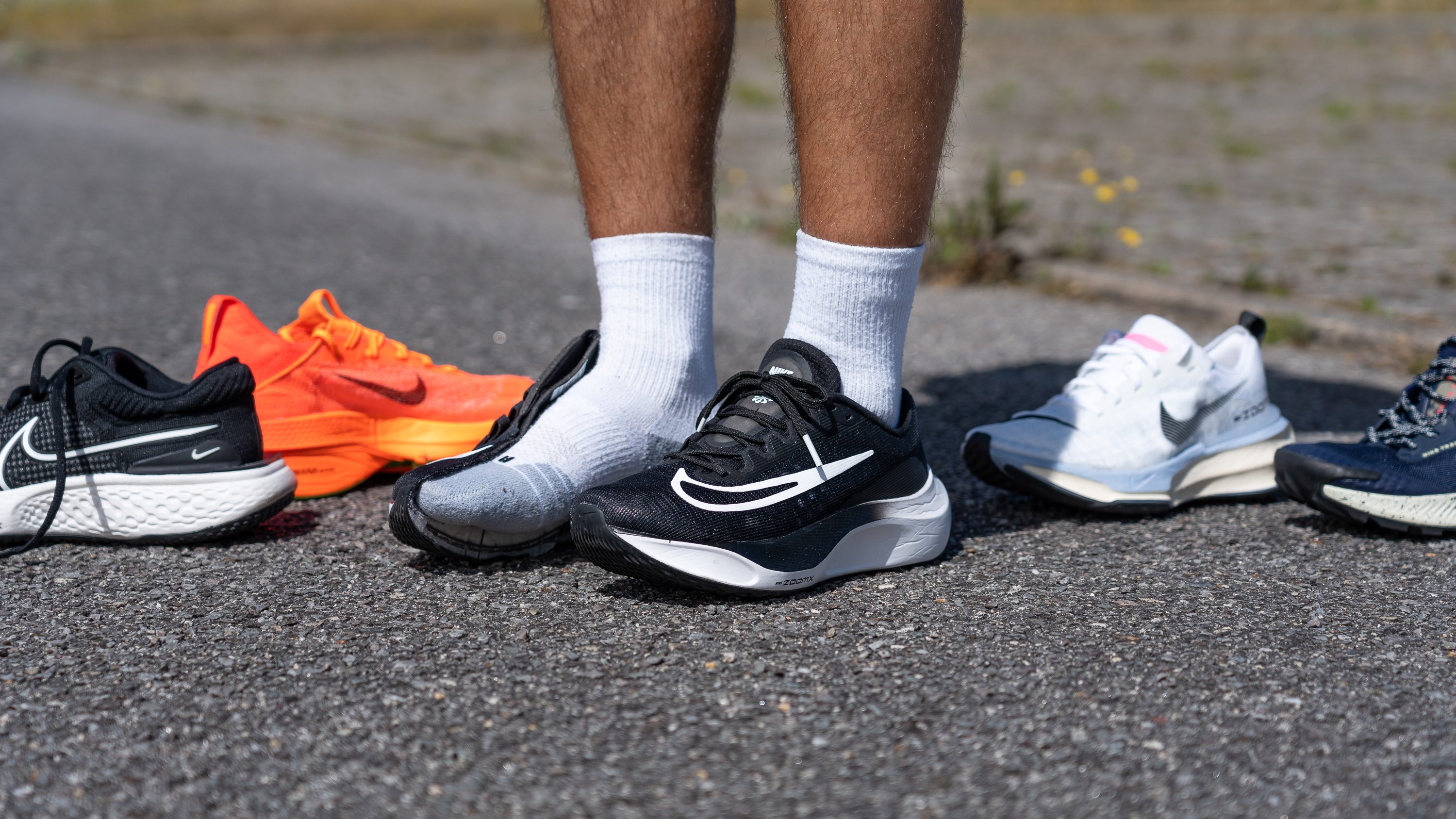
How Nike Compares With Other Running Shoe Brands
Nike competes with brands such as ASICS, Brooks, Saucony, New Balance, Hoka, Adidas, and Mizuno. Each brand has its own design approach.
Nike often stands out for:
• Lightweight performance shoes
• Energetic foam
• Modern racing technology
• Bold design
• Strong athlete partnerships
Brooks and ASICS often appeal to runners who want traditional stability and predictable comfort. Hoka is known for thick midsoles and a rolling ride. Saucony and New Balance offer many fits, including wider options. Adidas has several responsive foam models and strong racing shoes.
No brand wins in every category. The right comparison is model versus model, not logo versus logo.
For example, compare a Nike daily trainer with another brand’s daily trainer. Check the weight, heel-to-toe drop, cushioning, width, outsole, and intended use. This gives you a fairer result than comparing a Nike racing shoe with a stability shoe from another brand.

How to Choose the Best Nike Running Shoes
Use these steps before you buy.
1. Identify your main use
Ask yourself what you will do most often.
• Easy road runs: Choose a balanced daily trainer.
• Long runs: Look for protective cushioning and a secure fit.
• Speed workouts: Consider a lighter, more responsive model.
• Racing: Look at advanced foam and plate technology.
• Walking and gym use: Choose a versatile, comfortable shoe.
• Trail running: Select a model with suitable traction and protection.
2. Check the fit
Your heel should feel secure without slipping. Your midfoot should feel supported, not squeezed. You should have about a thumb’s width between your longest toe and the front of the shoe.
Try shoes later in the day if possible. Feet can swell during the day, and running shoes should allow natural expansion.
Wear the socks you normally run in. A shoe that fits in thin store socks may feel tight with thicker running socks.
3. Notice how the shoe feels
Walk and jog in the shoe before buying it. Pay attention to pressure points, heel movement, arch contact, and toe space.
Do not assume a painful area will “break in.” Some materials soften, but a poor shape usually remains a poor shape.
4. Match the cushioning to your preference
Soft cushioning can feel comfortable on long, easy runs. Firm cushioning can feel quicker and more stable.
Neither option is automatically healthier. Research does not show that one universal shoe prevents all running injuries. Training load, sleep, strength, recovery, and running habits also matter.
5. Check the return policy
A short walk in a store cannot always reveal how a shoe feels after five miles. Buy from a seller with a clear return policy when possible.
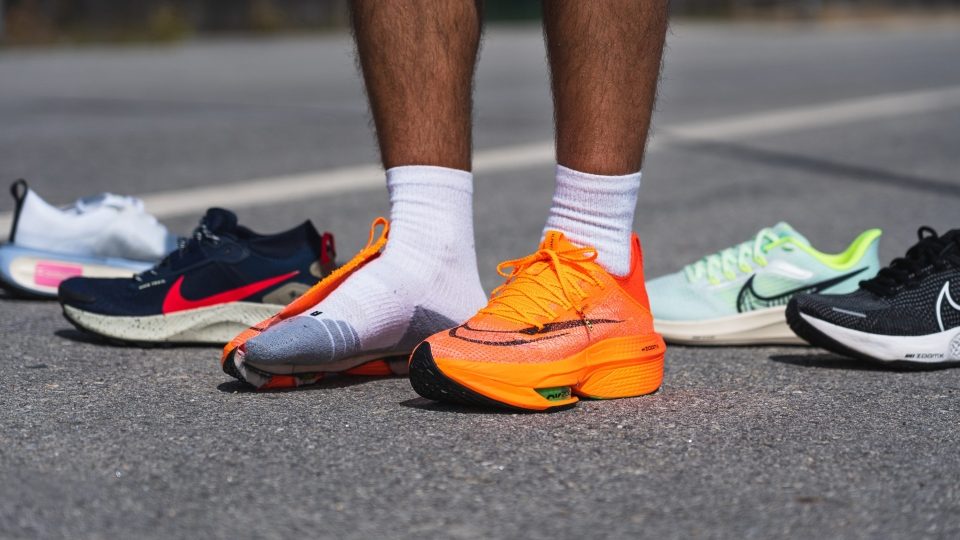
How Long Do Nike Running Shoes Last?
Many running shoes last about 300 to 500 miles, but this is only a general estimate. Some runners replace shoes sooner, while others get more use from them.
Replace your Nike running shoes when you notice:
• New or lasting pain during runs
• A flat or dead feeling underfoot
• Uneven foam compression
• Worn tread in key areas
• Torn upper material
• Reduced grip
• Heel movement that was not present before
Track mileage with a running app or simple note on your phone. Also consider time. A shoe stored in heat, sunlight, or a damp place may age faster.
Do not wait for a hole in the outsole. The shoe’s cushioning and structure may decline before the damage looks serious.
One practical lesson is to rotate two pairs if you run often. Rotation gives the foam time to recover and helps you notice when one pair starts to feel different.
Common Mistakes to Avoid When Buying Nike Running Shoes
Even experienced runners make buying mistakes. These simple checks can save money and discomfort.
Choosing style over fit
A great-looking shoe cannot fix a cramped toe box or loose heel. Fit should always come first.
Buying the most expensive model
Price does not guarantee comfort. A premium racing shoe may feel worse for daily miles than a less expensive trainer.
Using one shoe for everything
A daily trainer may handle most runs, but it may not be ideal for racing. A trail shoe may feel awkward on pavement. Match the shoe to the surface and workout.
Ignoring width
Nike models do not all fit the same. If your toes feel crowded, look for a wider version or try another model.
Changing shoes too quickly
Give a new shoe a few short runs before using it for a long race. This helps you find pressure points early.
Copying another runner
A shoe that works for a friend, coach, or professional athlete may not suit your foot. Their pace, body size, gait, and training plan may be very different from yours.

Are Nike Running Shoes Good for Injury Prevention?
Nike running shoes can support comfortable running, but no shoe can guarantee injury prevention. Running injuries often involve several factors, such as sudden mileage increases, poor recovery, weak muscles, hard surfaces, and unsuitable training plans.
A comfortable shoe may help you run with less distraction. A stable shoe may help some runners feel more secure. Yet comfort is personal, and injury risk cannot be judged by brand alone.
Increase training slowly. Many coaches suggest avoiding sudden jumps in weekly mileage. Add rest days, strength work, and easy runs to support your body.