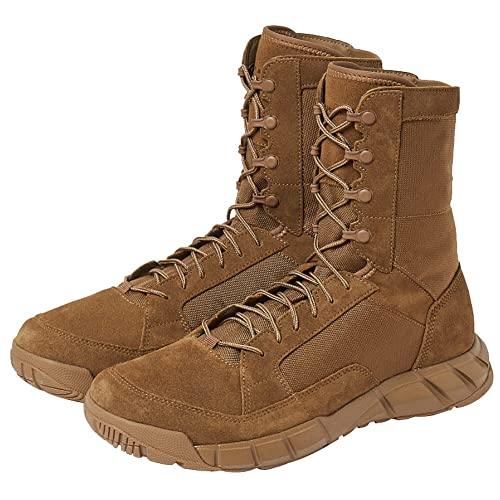
The best army boots for rucking balance light weight, firm support, grip, comfort, and lasting field strength.
A long ruck can turn a small boot flaw into hot spots, sore arches, and painful knees. I have learned that the right pair should feel steady under a heavy pack without feeling like bricks on your feet. The boots below cover fast road marches, rough trails, wet ground, wide feet, and daily tactical work. I also looked at fit, tread, break-in time, ankle support, and value. That matters because the best army boots for rucking are not always the heaviest or most expensive pair.
Garmont T8 NFS 670 Combat Boots

The Garmont T8 NFS 670 is built for people who want a fast, light tactical boot. Its suede and fabric upper keeps the boot from feeling bulky during long miles. The low overall weight stands out when a ruck already adds a heavy load to your back. I also like the way this style feels more like a tough hiking shoe than a stiff parade boot.
The outsole gives useful traction on dirt, gravel, and packed trails. It also bends well at the forefoot, which helps during quick steps and steep climbs. The boot still gives enough structure for loaded movement, but it does not offer the deep ankle hold of a tall, rigid boot. For dry routes and speed-focused training, this is one of the best army boots for rucking.
Pros:
- Very light feel for long ruck sessions
- Flexible forefoot supports a natural stride
- Suede and fabric upper helps reduce bulk
- Good grip for roads, trails, and gravel
- Comfortable design for fast movement
- Strong choice for warm, dry conditions
Cons:
- Less water protection than a fully waterproof boot
- Light build may feel too soft for heavy off-trail loads
- Some users may need extra arch support
My Recommendation
I recommend the T8 NFS 670 to ruckers who value speed, low weight, and an easy break-in. It suits fitness rucks, day hikes, tactical training, and dry military-style routes. It is also a smart pick for anyone who dislikes the tired-leg feeling caused by heavy leather boots. If your routes are mostly wet, muddy, or rocky, choose a boot with more protection. For fast miles on mixed ground, it offers excellent value and remains widely available through Amazon.
Oakley Light Assault 2 Tactical Boots

The Oakley Light Assault 2 focuses on quick movement and everyday comfort. Its leather and Cordura upper gives a useful mix of toughness and lower weight. The speed-lace system lets me secure the foot fast, which helps when I need a snug fit before a long walk. The boot also feels flexible around the ankle instead of locking the leg in place.
This boot works well for pavement, hard paths, and light trails. Its slip-resistant outsole helps when the ground turns smooth or dusty, though no tread can replace careful footing on deep mud. The design has a sporty feel, so it may appeal to service members, hikers, range users, and first responders. Among the best army boots for rucking, this is a strong everyday option.
Pros:
- Light construction reduces foot fatigue
- Speed-lace system makes fitting quick
- Leather and Cordura add useful durability
- Flexible upper supports fast walking
- Slip-resistant outsole suits urban surfaces
- Versatile enough for work and outdoor use
Cons:
- Not designed for deep water or wet grass
- Moderate ankle support may not suit heavy loads
- Toe protection feels lighter than a traditional combat boot
My Recommendation
I would choose the Oakley Light Assault 2 for urban rucks, range days, security work, and daily wear. It is best for users who need a quick, athletic boot instead of a stiff field boot. The easy lacing is helpful when you change socks or adjust fit during a long day. It gives good value for mixed work and training, especially when low weight matters more than maximum weather protection.
HANAGAL Lightweight Military Boots

The HANAGAL military boot offers a budget-friendly way to enter tactical footwear. It uses a lightweight design that works for hiking, hunting, work, and casual field use. The coyote color fits many outdoor and tactical settings. I see this pair as a practical choice for a new rucker who wants more support than a normal sneaker without paying premium boot prices.
The boot has enough tread for common trails and yard work. Its lighter build helps during short and medium walks, and the flexible feel can make the break-in less demanding. Still, budget boots can vary more in fit and long-term wear than established military brands. Check the size chart, wear them on short walks first, and inspect the sole before a serious loaded march.
Pros:
- Affordable entry point for new ruckers
- Lightweight feel for daily outdoor use
- Useful tread for hiking and hunting
- Coyote color suits tactical settings
- Flexible design can shorten break-in time
- Works for work, chores, and casual wear
Cons:
- Long-term durability may trail premium brands
- Fit can vary between foot shapes
- Limited protection for very heavy rucks
My Recommendation
The HANAGAL is best for beginners, light training, hunting, and general outdoor work. It makes sense if you want to test rucking before investing in a more specialized boot. I would not make it my first choice for repeated long-distance marches with a very heavy pack. For short routes and tight budgets, it delivers useful function at a low cost and can serve as a backup pair.
Garmont T8 Falcon Suede Boots

The Garmont T8 Falcon sits between a fast assault boot and a more protective field boot. Its suede upper gives the boot a sturdy feel without the weight of full leather. The taller shape helps hold the ankle when a loaded pack shifts your balance. I find that useful on hills, loose ground, and uneven paths where a low shoe can feel less secure.
The Falcon is not as minimal as the T8 NFS, but it still supports a smooth walking pace. The sole feels firm enough for a pack while allowing normal foot movement. The suede needs care if you use the boot in wet or dirty conditions, and it should dry at room temperature rather than beside high heat. This is a balanced choice for people who want one boot for training and field use.
Pros:
- Balanced mix of support and mobility
- Taller design helps stabilize the ankle
- Suede upper provides a durable field feel
- Good option for hills and uneven ground
- Firm sole handles loaded walking well
- Versatile for rucking, hiking, and tactical work
Cons:
- Needs more break-in than an athletic boot
- Suede requires regular cleaning and care
- May feel warm in hot summer weather
My Recommendation
I recommend the T8 Falcon for ruckers who want more ankle support than a low tactical shoe can provide. It fits trail users, service members, and hikers who carry medium to heavy loads over changing ground. This is also a good middle ground for someone who finds ultralight boots too soft. It costs more than entry-level options, but the balanced design can justify the price for regular use.
Garmont T8 Bifida T.A.A. Boots

The Garmont T8 Bifida T.A.A. is made for demanding movement across more than one type of ground. The suede leather upper gives it a tough outer shell, while the supportive build helps keep the foot stable under a pack. Its AR670-1 compliant description may matter to users who need footwear that fits specific military uniform rules, but buyers should always confirm current unit requirements before purchase.
The Bifida outsole is the key feature for rough routes. It offers a more aggressive pattern than many lightweight urban boots, so it can bite into dirt, rocks, and loose trail surfaces. The trade-off is a slightly heavier and firmer feel. I would rather have this structure on a long trail ruck than a soft sneaker-like sole that twists under load.
Pros:
- Strong support for loaded movement
- Aggressive outsole suits mixed terrain
- Suede leather adds field durability
- Good ankle control on uneven trails
- Designed for military and tactical use
- Suitable for men and women with proper sizing
Cons:
- Heavier than fast assault boot styles
- May need a longer break-in period
- Not a fully waterproof design
My Recommendation
The Bifida T.A.A. is best for serious trail ruckers, military users, and anyone who carries a pack over rough terrain. It gives the stable platform I want when rocks, roots, and slopes make each step less predictable. Choose it if grip and support rank above the lowest possible weight. It offers strong overall value for demanding use, especially when you need a more traditional combat boot feel.
Garmont T8 Bifida Suede Combat Boots

The standard Garmont T8 Bifida is a proven-style combat boot for people who want stability and traction. Its suede upper feels tough enough for repeated outdoor use, while the boot shape supports the ankle during loaded walking. This model has a more planted feel than lightweight running-style tactical boots. That feeling can be reassuring when your pack is full and the trail is uneven.
The outsole gives reliable grip across dry dirt, gravel, and rocky paths. The boot also has enough room for a quality rucking sock without forcing the toes together, provided you select the correct size. It is not the best choice for hot pavement or users who want a barely-there boot. For field work and regular trail miles, it remains one of the best army boots for rucking.
Pros:
- Stable platform for heavy packs
- Strong traction on rough ground
- Durable suede construction
- Useful ankle support for uneven trails
- Works well with thick hiking socks
- Reliable choice for repeated field use
Cons:
- Heavier than minimalist tactical boots
- Can feel warm in high temperatures
- Requires care to keep suede in good shape
My Recommendation
I would pick the T8 Bifida for a user who wants a tough, stable boot for long trail rucks. It suits military training, hunting, hiking, and work that involves rough ground. The firm feel is especially helpful for people who dislike a soft sole under a heavy load. It costs more than budget boots, but the traction and durable build make it a sensible long-term investment.
NORTIV 8 Military Tactical Work Boots

The NORTIV 8 military tactical boot targets buyers who need one pair for work, outdoor chores, and light rucking. Its army green color gives it a distinct field look, while the work-boot shape adds more coverage than a normal athletic shoe. The design is useful for users who spend time on their feet but do not need a specialized military issue boot. It also makes a practical backup for a main rucking pair.
I like this type of boot for short walks, training sessions, and daily tasks. It offers a supportive base and a protective upper, but it may not feel as refined as a premium Garmont or Belleville model during very long marches. Break the boot in before adding a full pack. With reasonable expectations, it can provide good comfort and function at a competitive price.
Pros:
- Useful for work and light rucking
- Protective boot shape covers the foot well
- Army green color suits outdoor use
- Good budget choice for new users
- Supportive feel for daily standing and walking
- Versatile backup for tactical gear kits
Cons:
- May feel bulky for speed-focused rucks
- Not the top choice for long, heavy marches
- Break-in and fit may vary by foot shape
My Recommendation
The NORTIV 8 is best for beginners, workers, hikers, and users who want a multipurpose tactical boot. It makes sense for short to medium rucks and regular outdoor chores. I would choose a more specialized boot for frequent long-distance events or severe mountain terrain. Its main strength is value: one affordable pair can cover work, training, hiking, and general field use.
Belleville TR501 AMRAP Military Boots

The Belleville TR501 AMRAP is made for users who want a serious training boot with a wide option. The 10.5 wide size listed here gives the toes more room than many standard tactical boots. That extra space can help when feet swell during a long ruck, but the heel must still fit snugly. A boot that is wide everywhere can allow sliding, so I always check heel movement before carrying weight.
The AMRAP name points toward repeated training and hard use. The boot feels supportive without becoming an old-fashioned heavy combat boot. Its construction suits road marches, gym work, trails, and daily duty. If you struggle with cramped toes, this may be among the best army boots for rucking, but measure both feet and confirm the width before ordering.
Pros:
- Wide size helps reduce toe pressure
- Designed for repeated training use
- Stable feel under a loaded pack
- Good blend of support and mobility
- Suitable for roads, trails, and duty use
- Established military footwear brand
Cons:
- Wide fit may feel loose on narrow feet
- Costs more than many budget choices
- May require a careful break-in process
My Recommendation
The Belleville TR501 AMRAP is my pick for wide-footed ruckers and users who train often. It offers the room needed for natural toe spread while keeping a supportive, work-ready feel. It also fits people who move between road marches, gym sessions, and outdoor trails. If your foot is narrow, look for a standard width instead. For the right foot shape, this boot offers excellent comfort and long-term value.
RIELD Side-Zipper Tactical Boots

The RIELD tactical boot adds a side zipper for quick on-and-off use. That feature is convenient for security work, range days, and daily wear when you do not want to lace a boot from the start each time. The black finish also gives it a cleaner look for work settings. It feels more like a practical duty boot than a specialized trail rucking boot.
The design can work for short rucks and firm ground. The ankle height gives more coverage than a shoe, and the tread helps with normal outdoor surfaces. However, side zippers add another part that can wear or collect dirt, so I would keep the zipper clean and avoid forcing it over a loose fit. This is a useful low-cost option for light tactical tasks rather than extreme loaded miles.
Pros:
- Side zipper makes changes fast
- Black color suits duty and work use
- More ankle coverage than a low shoe
- Affordable for casual tactical use
- Useful for short rucks and range days
- Simple design works across many tasks
Cons:
- Not ideal for long, heavy rucks
- Side zipper may need extra care
- Black material can feel warm in direct sun
My Recommendation
I recommend the RIELD for casual users, security staff, range visitors, and light-duty ruckers. The side zipper is its biggest advantage because it saves time during frequent boot changes. I would not use it as my main boot for mountain rucks or repeated long marches with a heavy pack. For everyday work and short training walks, its low price and easy entry make it a practical buy.
How I Choose the Best Army Boots for Rucking
Rucking places more stress on footwear than normal walking. A pack increases the load on the feet, ankles, knees, and hips. The boot must spread pressure without squeezing the toes or letting the heel slide. I look for a stable midsole, useful tread, secure lacing, and enough room for socks and natural foot swelling.
Weight matters, but lighter is not always better. A very light boot can feel fast on a road, yet it may lack the support needed on rocks or steep ground. A heavy boot can protect well, but it may waste energy mile after mile. The right balance depends on your route, pack weight, pace, climate, and foot shape.
Fit Comes Before Brand
Even the best army boots for rucking can cause pain if the size is wrong. Measure your feet late in the day because feet often swell after hours of activity. Wear the socks you plan to use for rucking, then leave a small amount of space in front of the longest toe. Your heel should stay mostly in place when you walk uphill.
Do not use a boot that feels tight because you expect it to stretch. Suede and fabric may soften, but they will not solve a cramped toe box. On the other hand, too much room can create sliding, blisters, and poor control. A thin liner sock under a moisture-control ruck sock can help, but it cannot fix a badly sized boot.
Support and Sole Design
A rucking boot should bend near the ball of the foot, not fold in the middle. The heel should feel stable, and the midsole should not twist too easily. Look for tread that matches your route. Shallow lugs work well on pavement and hard paths, while deeper lugs help with loose dirt, mud, and steep trails.
Firm support protects your feet from sharp ground, but overly stiff boots can make each step feel forced. I prefer a sole that gives under the forefoot while keeping the heel and arch steady. If you have a known foot issue, ask a qualified medical professional or foot-care expert before changing your footwear or load plan.
Break-In and Blister Control
Never take a brand-new boot on a long ruck. Start with a short walk around the house. Then use it for a brief outdoor walk with the same socks and insoles you will use later. Increase distance in small steps. This process reveals hot spots before they become open blisters.
Keep your feet dry when possible. Moist skin softens and tears more easily. Change socks during a long event if they become wet, and stop early when a hot spot appears. A small piece of blister tape can save a training week, but prevention remains better than treatment.
Water, Heat, and Weather
Many tactical boots are water resistant, not waterproof. That difference matters. A water-resistant boot may shed light rain, while a waterproof membrane can block more water but often holds more heat. Wet boots also take longer to dry. Never dry leather or suede beside a strong heater because high heat can damage the material and adhesives.
For hot regions, ventilation can matter more than water protection. For cold or wet routes, coverage and drying plans become more important. I also match socks to the weather. Thick wool blends help in cool conditions, while lighter moisture-control socks often work better in heat.
Pack Weight and Training Use
Choose boots based on the load you actually carry. A light training pack may work well with an athletic tactical boot. A heavy field pack may call for a firmer sole, stronger ankle support, and better underfoot protection. Increase pack weight slowly. Your joints and connective tissue need time to adapt even when your lungs feel ready.
Military training standards and uniform rules can change by unit, job, and location. If you need AR670-1 compliant boots, confirm the current rule and color requirements before ordering. Product pages can change, and a boot that looks correct online may not meet a specific local policy. Treat compliance as a requirement to verify, not a feature to assume.
Best For Comparison
| Best for | Why |
|---|---|
| Fast road and fitness rucks | Garmont T8 NFS 670 and Oakley Light Assault 2 keep weight low and movement quick. |
| Rough trails and heavy packs | Garmont T8 Bifida models offer firmer support and more aggressive traction. |
| Wide feet and frequent training | Belleville TR501 AMRAP Wide gives more toe room while keeping a stable training feel. |
FAQs Of Best Army Boots for Rucking
What makes a boot good for rucking?
A good rucking boot fits securely, supports the foot under load, and grips the ground well. It should have enough toe room for swelling without allowing heel slip. Weight, breathability, and water protection should match your route and weather.
Are lightweight boots better for rucking?
Light boots can reduce fatigue and help you move faster. However, they may offer less protection on rough ground. Choose a light boot for roads and easy trails, but consider a firmer model for heavy packs and rocky routes.
Should rucking boots be waterproof?
Not always. Waterproof boots help in cold, wet conditions, but they can feel warmer and dry more slowly. For hot weather or shallow water crossings, a breathable, quick-drying boot may be the better choice.
How much room should I leave in a rucking boot?
Leave a small gap in front of your longest toe. Your toes should not touch the front when walking downhill. The heel should stay secure, and the midfoot should feel snug without pressure or numbness.
Can I use hiking boots for rucking?
Yes, if they fit well and support your load. Hiking boots often provide strong traction and foot protection. Tactical boots may offer lighter weight, uniform-friendly colors, or features made for duty use.
Final Verdict: Which Should You Buy?
For most users, I would choose the Garmont T8 Bifida for support and trail grip, or the T8 NFS 670 for fast, light rucks. Wide-footed users should consider the Belleville TR501 AMRAP Wide.
The best army boots for rucking should match your feet, pack, route, and climate. Break them in slowly, use good socks, and verify current sizing and duty rules before you buy.

Madison Clark is a footwear expert and the voice behind MyStyleGrid.com. She specializes in honest shoe reviews, style tips, and practical guides to help readers find the perfect pair for any occasion. With years of experience in blogging and content creation, Madison makes footwear knowledge simple, stylish, and easy to follow.