The best boots for saddle hunting blend quiet steps, firm grip, weather protection, and comfort for long tree sits.
A saddle hunt can turn hard fast when cold water seeps in, mud steals your footing, or stiff boots rub your heel. I have found that the right pair should feel secure on rough ground but not feel like anchors when you climb. It also needs enough support for a platform, quiet soles for close deer, and room for warm socks. The picks below cover cold hunts, wet brush, snake country, and warm-weather scouting, so you can match the boot to your land and season.
Kenetrek Elevated Extreme Hunting Boot

The Kenetrek Elevated Extreme is made for hunters who face deep cold and long sits. Its insulated build helps hold body heat when you stay still for hours. The tall shaft also gives useful support and helps block snow, brush, and wet grass. For saddle hunting, that extra coverage can make the walk to the tree much more comfortable.
I like this style of boot for late-season routes where a thin boot leaves your feet numb. The trade-off is weight, since heavy insulation can make a long climb feel harder. Use good socks, but leave some toe room so insulation can work. A snug heel and secure upper matter when you step onto a small platform.
Pros:
- Strong cold-weather protection for late-season hunts
- Tall design helps shield legs from snow and wet brush
- Supportive feel for uneven ground and tree access
- Built for demanding hunting use
- Good choice for long, still sits in freezing weather
Cons:
- Heavier than a light upland or early-season boot
- May feel too warm during mild fall days
- Needs careful sizing with thick hunting socks
My Recommendation
This boot suits saddle hunters who hunt cold northern woods and spend long hours in a tree. It is one of the best boots for saddle hunting when warmth matters more than low weight. I would choose it for snow, frozen ground, and slow late-season walks. It offers strong value for serious cold-weather hunters, but warm-weather users should pick a lighter model.
Muck Mossy Oak Woody Max Boot

The Muck Woody Max is a rubber hunting boot with a warm, flexible feel. It works well when trails stay wet and muddy from the truck to the tree. The rubber shell helps keep water out, while the camo finish blends into thick cover. Its flexible upper also allows a more natural stride than many rigid leather boots.
This is a practical pick for swamps, creek bottoms, and rainy whitetail property. Rubber boots clean up fast after a muddy hunt, and that saves time at the end of the day. Still, rubber does not breathe like leather, so your feet may sweat on warm hikes. I would use thinner moisture-wicking socks during mild weather.
Pros:
- Excellent water protection for wet trails and marshy ground
- Flexible feel helps during long walks
- Easy to rinse and clean after a muddy hunt
- Quiet rubber construction suits close-range deer hunting
- Warm enough for many fall and winter conditions
Cons:
- Can feel hot during warm early-season hunts
- Rubber boots may offer less ankle structure than leather
- Fit can change when worn with very thick socks
My Recommendation
I recommend the Muck Woody Max to saddle hunters who deal with wet land, shallow water, and soft soil. It is among the best boots for saddle hunting when waterproofing is your first concern. The flexible shaft helps on long approaches, while the rubber shell handles poor weather with ease. It is a solid all-around choice for hunters who want simple care and dependable coverage.
Rocky ProLight Waterproof Snake Boot

The Rocky ProLight is built for hunters who need tall protection without a bulky feel. Its waterproof design helps keep feet dry in wet grass, rain, and shallow puddles. The snake-boot height adds a useful layer of protection in areas where venomous snakes may be active. Its lighter design can also help reduce fatigue on long access walks.
I see this boot as a smart warm-season option for saddle hunting in the South. It gives more coverage than a short hiking boot, yet it does not have the heavy feel of many insulated models. Snake protection never replaces careful foot placement or a look before each step. Even so, this boot adds peace of mind when you move through brush, leaves, and tall weeds.
Pros:
- Waterproof build supports wet-weather hunting
- Tall shaft helps protect against snakes and rough brush
- Light feel reduces fatigue on long approaches
- Useful for warm climates where insulation is not needed
- Camouflage pattern fits many hunting settings
Cons:
- Not designed for severe winter cold
- Tall boots can take more effort to pull on and off
- May feel less cushioned than a dedicated hiking boot
My Recommendation
The Rocky ProLight is best for saddle hunters in warm regions, especially those who hunt snake country. It belongs on a shortlist of the best boots for saddle hunting when light weight, water resistance, and tall coverage must work together. I would take it for early-season scouting and humid Southern woods. It offers strong seasonal value if you do not need heavy insulation.
Leather Boot Care Kit with Mink Oil

This leather care kit is not a boot, but it can extend the working life of leather hunting boots. It includes care items such as mink oil, saddle soap, applicators, and a cloth. Regular cleaning removes grit that can dry leather and damage its finish. Conditioning also helps keep leather more flexible after wet hunts.
I use leather care after a boot dries at room temperature, never beside a hot heater. First, I brush off dirt and use a small amount of cleaner. Then I let the leather dry before adding a thin layer of conditioner. Too much oil can soften leather, darken the color, or affect some waterproof membranes, so test a hidden area first.
Pros:
- Helps remove dirt, salt, and trail grime
- Supports longer life for leather hunting boots
- Includes tools for simple home boot care
- Can help leather stay flexible after wet use
- Useful for work boots, outdoor boots, and tack
Cons:
- Not suitable as a stand-alone waterproof solution for every boot
- Oil may darken some leather finishes
- Requires careful use on boots with waterproof liners
My Recommendation
I recommend this kit to saddle hunters who choose leather boots and want to protect that investment. Good care can help preserve comfort, seams, and water resistance over time. It supports the best boots for saddle hunting, but it cannot fix a worn sole or failed waterproof liner. Check the boot maker’s care rules before applying any product.
CNQLIS Aluminum Saddle Hunting Platform

The CNQLIS platform is another saddle-hunting accessory rather than a boot. It gives your feet a stable place to stand while you hunt from a tree saddle. Its aluminum design aims to balance low weight with strength, and the listed capacity is 500 pounds. Quick-release straps can also make setup and removal more convenient.
A stable platform changes how your boots feel during a sit. Even the best boots for saddle hunting cannot compensate for a platform that shifts, bites, or creates pressure points. I would inspect every strap, connection, and contact point before climbing. Follow the maker’s instructions and use a complete, approved fall-arrest system every time.
Pros:
- Creates a firm foot position for saddle hunting
- Aluminum construction can reduce bulk
- Listed 500-pound capacity gives a broad load margin
- Adjustable straps support different tree setups
- May help reduce foot pressure during long sits
Cons:
- Not a replacement for a safe climbing system
- Metal parts may make noise if handled carelessly
- Small platforms still require careful foot placement
My Recommendation
This platform is best for saddle hunters who want more standing room and a stable base. It pairs well with supportive boots, but safety must come before convenience. I would use it only after checking the hardware and learning the setup at ground level. It is a useful part of a saddle system, not a substitute for training or proper safety gear.
Huberd’s Shoe Grease Leather Conditioner

Huberd’s Shoe Grease is made for leather care and water resistance. A thin coat can help protect leather from drying, scuffs, and light moisture. It is a simple product for hunters who prefer a classic grease over a spray. The long history of the product also makes it familiar to many boot owners.
I would apply it to clean, dry leather with a soft cloth and give it time to soak in. Wipe away excess grease before wearing the boots in the field. This treatment may darken leather, so appearance-sensitive boots need a spot test. It also may not be right for every modern leather membrane, so always check care instructions first.
Pros:
- Helps condition dry or scuffed leather
- Can add resistance to light moisture
- Simple application suits routine boot care
- Useful for many leather work and hunting boots
- A little product can cover several treatments
Cons:
- May darken some leather colors
- Can soften leather too much if overused
- Not intended for fabric, rubber, or all waterproof membranes
My Recommendation
Huberd’s Shoe Grease is best for hunters who own traditional leather boots and want a basic care routine. It can help keep a good pair ready for the next season. I would not use it blindly on technical boots with a special membrane. Used in small amounts, it is a low-cost way to support the life of the best boots for saddle hunting.
Irish Setter VaprTrek 400g Hunting Boot
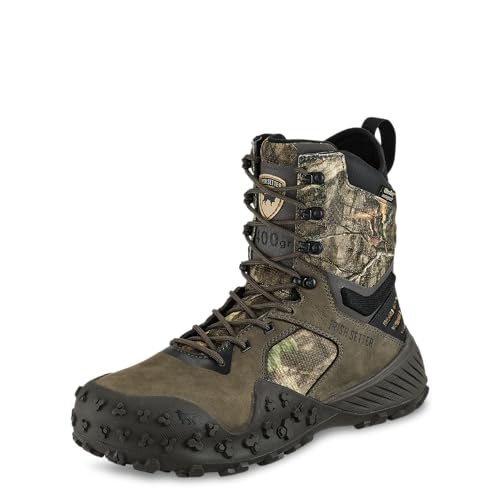
The Irish Setter VaprTrek combines waterproof coverage with 400-gram insulation. That level of insulation fits cool fall days and many winter hunts without reaching the bulk of an extreme cold boot. Its eight-inch height gives useful ankle and lower-leg coverage. The design also suits hunters who walk a fair distance before climbing into a tree.
I like this balance for hunters who need one boot for changing fall weather. It should feel warmer than an uninsulated boot but less extreme than an 800-gram model. Your pace, socks, and local temperature will still affect comfort. Keep the fit secure at the heel and avoid crushing the toe area with oversized socks.
Pros:
- 400g insulation suits cool and cold fall conditions
- Waterproof design helps during wet access walks
- Eight-inch height adds ankle support and coverage
- Good middle ground between warmth and mobility
- Versatile choice for many whitetail seasons
Cons:
- May feel too warm in mild early-season weather
- Less warm than a heavy late-winter boot
- Medium width may not suit every foot shape
My Recommendation
The VaprTrek is best for hunters who want one versatile boot for cool weather. It is a strong candidate among the best boots for saddle hunting because it balances insulation, waterproofing, and walking comfort. I would choose it for damp fall mornings and moderate winter conditions. It offers good value for hunters who do not want separate boots for every temperature range.
Irish Setter Elk Tracker 10-Inch Hunting Boot

The Irish Setter Elk Tracker is a tall leather hunting boot made for rough ground and demanding walks. Its ten-inch height gives more protection than a standard ankle boot. Leather can offer a firm, supportive feel when you carry a saddle, platform, pack, and layers. The brown finish also gives it a classic look for hunters who prefer leather over full rubber.
This type of boot needs a break-in period, so do not wear it for the first time on opening morning. Walk in it at home and on short scouting trips first. Leather can become more comfortable as it forms to your foot, but poor sizing will not disappear. Keep the boot clean and conditioned to help it handle repeated wet use.
Pros:
- Ten-inch shaft gives strong trail and brush coverage
- Leather offers a supportive, durable feel
- Good match for rugged hills and uneven forest floors
- Classic design works for hunting and outdoor work
- Roomy height can help keep debris out
Cons:
- Leather may need a break-in period
- Can feel heavier than light synthetic boots
- Needs regular care to maintain water resistance
My Recommendation
The Elk Tracker fits saddle hunters who walk steep, rocky, or brushy ground. I would pick it when ankle support and durable leather matter more than a featherlight feel. It can become one of the best boots for saddle hunting after proper break-in and care. This is a good long-term option for hunters who value a firm, traditional boot.
Hunthor 800g Insulated Rubber Hunting Boot

The Hunthor rubber boot uses 800g insulation for cold-weather hunts. Its rubber outer shell helps keep water and mud away from your feet. An EVA midsole can add a softer step during long walks and help reduce ground feel. The tall hunting shape also gives useful coverage when you cross wet grass or shallow water.
This boot makes sense for slow, cold hunts where warmth is hard to replace. It may be too warm if you hike fast or hunt during mild weather. Rubber boots can also feel less precise on a small platform than a snug leather boot. I suggest testing the fit with your full hunting sock setup before relying on it in a tree.
Pros:
- 800g insulation targets cold-weather comfort
- Rubber shell offers strong water protection
- EVA midsole helps soften long walks
- Tall profile blocks mud, wet grass, and debris
- Easy-care design suits messy hunting conditions
Cons:
- May be too warm for early fall
- Rubber construction can feel less breathable
- Bulky fit may reduce platform precision
My Recommendation
The Hunthor is best for hunters who sit still in cold, wet places. It is a good budget-minded choice when warmth and water protection lead the list. I would rank it among the best boots for saddle hunting for cold marshes and damp winter woods. Just confirm the fit and practice platform work before the season begins.
Irish Setter Wingshooter 9-Inch Hunting Boot
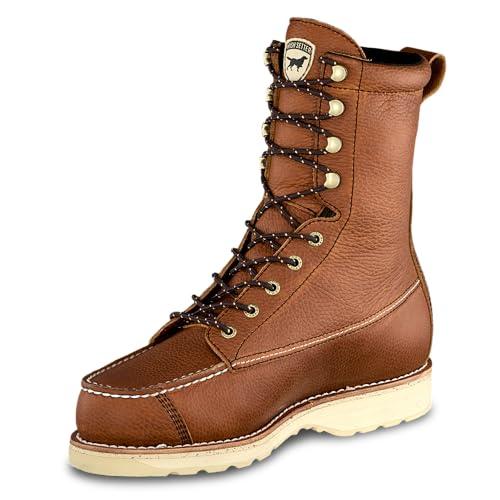
The Irish Setter Wingshooter offers a classic leather look with a nine-inch hunting profile. Its wide size option can help hunters who need more room across the forefoot. The leather upper gives a stable feel on hard trails and ladder steps. The amber finish also looks at home both in the woods and around camp.
This boot is a useful choice for hunters who dislike loose, soft rubber footwear. A leather boot can feel more planted when you shift weight on a saddle platform. Like other leather designs, it needs care and a sensible break-in period. I would pair it with moisture-wicking socks and inspect the sole before every serious hunt.
Pros:
- Wide fit helps accommodate broader feet
- Leather upper offers a firm, supportive feel
- Nine-inch height gives useful lower-leg coverage
- Classic style works for hunting and daily outdoor use
- Stable platform feel suits careful tree movement
Cons:
- May require break-in before long hunts
- Leather needs routine cleaning and conditioning
- May not provide enough warmth for deep winter
My Recommendation
The Wingshooter is best for saddle hunters who need a wide leather boot with steady support. I would choose it for moderate weather, firm trails, and hunters who want one boot for field and camp. It can serve as one of the best boots for saddle hunting when fit and foot control matter most. Its value improves if you maintain the leather and replace worn laces or insoles as needed.
How to Choose the Best Boots for Saddle Hunting
Buying boots for saddle hunting takes more thought than buying boots for a short walk. You carry gear, climb, stand on a small platform, and often sit still for hours. A boot that feels fine in a store may cause pain after a long approach. I judge each pair by grip, fit, warmth, water control, noise, and weight.
Start With the Hunting Climate
Temperature should guide the insulation level. Uninsulated or lightly insulated boots work well for warm early-season hunts. Around 400 grams can suit cool fall weather, while 800 grams or more may help during cold, slow sits. Too much insulation can make your feet sweat during the walk, and damp socks soon feel cold.
Think about your pace, too. A hunter who walks two miles uphill needs a different boot from one who walks 300 yards through a swamp. Warmth is useful only when it matches your activity. The best boots for saddle hunting keep your feet dry and comfortable from the first step to the last.
Look for a Secure, Quiet Sole
Traction matters on leaves, roots, mud, and wet bark. A deep lug pattern can help on soft ground, but very stiff or sharp soles may feel awkward on a small platform. I want a sole that grips without making loud taps against metal. Before hunting, flex the boot and practice stepping onto your platform at ground level.
Noise also comes from loose hooks, hard rubber edges, and dry leather. Walk in the boots before your hunt. Find out how they sound on leaves, sticks, and your climbing equipment. A quiet boot will not make you invisible, but it removes one common source of avoidable noise.
Get the Fit Right
Fit is the most important feature. Your heel should stay in place without painful pressure. Your toes should not touch the front when you walk downhill. Leave enough space for the socks you plan to wear, but do not buy a loose boot that lets your foot slide.
Try boots late in the day, when feet have expanded. Wear your hunting socks and any liner socks during the test. A wide model may help broad feet, while a narrow heel may suit a slim foot. If you use custom insoles, take them along when you check the fit.
Balance Weight and Support
Heavy boots can protect and warm your feet, but they use more energy. Light boots feel quick on the approach, yet they may offer less structure on rough ground. Saddle hunters need a middle path. I prefer enough ankle support to carry gear safely without a boot that feels like a work brick.
Remember that the platform changes your foot position. You may stand on one edge, pivot, or lean while turning for a shot. A stable boot can help, but it should not stop natural movement. Practice with your full kit before the season, and never rush a tree transition.
Choose Waterproofing With Care
Waterproof boots help in rain, dew, marshes, and wet leaves. Rubber offers strong water control and easy cleaning. Leather can provide support and comfort, but it needs care to keep water out. Waterproof membranes may work well, yet they still need a dry place to recover after a wet hunt.
No boot stays dry if water enters over the top. Match shaft height to your land. Tall boots suit wet grass and shallow water, while shorter boots may breathe better during a dry climb. Gaiters can add coverage when a shorter boot fits your style better.
Think About Scent and Boot Care
Boot care is not only about looks. Dirt and salt can weaken leather, while trapped moisture can harm liners and create odor. Let boots dry away from direct heat. Remove the insole when possible and use clean, dry paper to draw out moisture.
Do not apply oil or grease without checking the boot maker’s guidance. Some treatments can reduce breathability or affect a waterproof membrane. For leather, clean first and condition lightly. For rubber, wash off mud and let the boot dry fully before storage.
Best Features at a Glance
| Best for | Why |
|---|---|
| Cold late-season sits | Kenetrek Elevated Extreme and Hunthor 800g focus on warmth and wet-weather coverage. |
| Wet or swampy access routes | Muck Woody Max and Rocky ProLight use tall waterproof designs for marsh, rain, and brush. |
| Leather support and broad fit | Irish Setter Elk Tracker and Wingshooter provide a firm feel, with the Wingshooter offering a wide option. |
Common Saddle Hunting Boot Mistakes
Many hunters buy for the tree and forget the walk. A boot may feel stable on a platform but become painful after a long climb. Others choose heavy insulation because cold feet worry them, then sweat through their socks on the approach. I always match the boot to the full route, not just the final sit.
Another mistake is skipping break-in time. New leather can create hot spots at the heel, ankle, or tongue. Wear the boots on short walks first. If a pain point remains, change the lacing or fit before it becomes a blister in the field.
Some hunters also ignore platform practice. A boot with a wide sole may feel different from a light hiking shoe. Set up your system on the ground and rehearse each step. Follow current safety rules, use your tether correctly, and inspect every part before climbing.
How I Test Boots for Saddle Hunting
I look at the features that affect a real hunt rather than a short store walk. I check how the boot feels on roots, wet leaves, slopes, and a platform. I also note heel movement, toe room, shaft pressure, and noise. These small details often decide whether a boot becomes a trusted tool or stays in the closet.
I compare insulation with the expected weather and walking pace. I also consider cleaning, break-in, care, and likely service life. Product listings can change, so I advise checking the current size, materials, fit notes, and seller information before purchase. A review can guide your choice, but your foot shape and local conditions must make the final call.
FAQs Of Best Boots for Saddle Hunting
What makes a boot good for saddle hunting?
A good boot offers secure fit, reliable grip, useful support, weather protection, and low noise. It should also match your walking distance and hunting temperature. The best boots for saddle hunting feel stable on both rough ground and a small platform.
Are insulated boots better for saddle hunting?
Only in the right weather. Insulated boots help during cold, still sits, but they can make your feet sweat during a warm hike. Choose insulation based on temperature, activity, socks, and how long you remain in the tree.
Should I choose rubber or leather hunting boots?
Choose rubber for strong water protection and easy cleaning. Choose leather for support, durability, and a more structured feel. Either can work well if the fit, sole, and temperature range match your hunting style.
How should saddle hunting boots fit?
Your heel should stay secure, and your toes should have room to move. Test the boots with your actual hunting socks and insoles. Make sure your toes do not hit the front when walking downhill.
Can I use boot grease on waterproof leather boots?
Check the boot maker’s care instructions first. Some grease and oils can affect breathability or a waterproof membrane. Apply any conditioner lightly and test it on a hidden spot before treating the full boot.
Final Verdict: Which Should You Buy?
For most hunters, I would start with the Irish Setter VaprTrek because it balances warmth, waterproofing, support, and walking comfort. Choose the Muck Woody Max for wet ground, Rocky ProLight for snake country, and Kenetrek or Hunthor for deep cold.
The best boots for saddle hunting should fit your feet, route, and season. Break them in, care for them, and practice your platform steps before opening day.

Madison Clark is a footwear expert and the voice behind MyStyleGrid.com. She specializes in honest shoe reviews, style tips, and practical guides to help readers find the perfect pair for any occasion. With years of experience in blogging and content creation, Madison makes footwear knowledge simple, stylish, and easy to follow.