The best boots for shoveling snow keep feet warm, dry, stable, and comfortable through long winter chores.
A snowy driveway can turn a quick chore into a cold, tiring battle. Wet socks, stiff toes, and a slick patch of ice can make shoveling risky. I look for boots with real waterproof coverage, warm insulation, firm ankle support, and soles that grip packed snow. The right pair should also flex well when you bend, lift, and push a shovel. In this guide, I compare winter boots, work-ready snow boots, and ice cleats so you can choose the best boots for shoveling snow for your weather, yard, and budget.
NORTIV 8 Waterproof Hiking Winter Boots

The NORTIV 8 waterproof hiking winter boot is a strong all-around choice for clearing snow, walking the dog, and winter errands. Its taller design helps block slush from reaching the ankle. The hiking-style shape also gives the foot more support than a soft casual shoe. I especially like this type of boot for homeowners who want one pair for chores and light trail use.
The sole is built for outdoor movement, so it feels more secure on snow-covered ground than a smooth fashion boot. Still, no rubber tread can promise safety on glare ice, and careful steps remain important. The fit may feel snug at first, especially with thick socks. Choose your size with winter layers in mind, and check the current size chart before ordering.
Pros:
- Waterproof build helps keep feet dry in snow and slush
- Hiking design offers useful ankle and foot support
- Warm lining suits routine winter chores
- Rugged outsole handles packed snow and wet ground
- Versatile style works for errands, walks, and yard work
- Higher shaft helps limit snow entry
Cons:
- May need a short break-in period
- Not designed as a deep-freeze expedition boot
- Traction can still be limited on smooth ice
My Recommendation
I recommend this pair to anyone who wants dependable winter coverage without buying a highly specialized work boot. It is one of the best boots for shoveling snow when you also need a boot for walks, travel, or light hiking. The balance of waterproof protection, warmth, and support makes it a practical daily option. It offers especially good value for people who prefer one versatile pair instead of several seasonal shoes.
NORTIV 8 Insulated Waterproof Snow Boots

This insulated NORTIV 8 model focuses more on warmth than a light hiking shoe. It is a good fit for cold mornings when the snow is deep and the wind cuts through ordinary footwear. The waterproof outer helps protect against wet snow during driveway work. Its roomier winter profile can also make it easier to wear with heavy socks.
I find insulated boots most useful when shoveling takes more than a few minutes. Warmth matters because cold feet can distract you and shorten the time you can work safely. This boot may feel heavier than a basic hiking shoe, but that extra structure can feel reassuring in loose snow. As with any winter boot, dry socks and a proper fit help insulation work at its best.
Pros:
- Insulation provides strong warmth for cold winter days
- Water-resistant construction helps block snow and slush
- Tall shape gives added coverage around the ankle
- Works well with thick winter socks
- Suitable for shoveling, walking, and outdoor chores
- Protective design feels durable for seasonal use
Cons:
- Can feel warm indoors or during high-energy work
- Heavier than a low-profile winter hiking shoe
- Bulk may reduce foot flexibility for some users
My Recommendation
This is one of the best boots for shoveling snow for people who face cold temperatures more often than wet, mild winters. I would choose it for long driveway sessions, rural chores, and walks in fresh snow. It is also a sensible pick for anyone whose feet get cold quickly. Check the fit carefully, since insulation and thick socks can make a boot feel smaller than expected.
NORTIV 8 Waterproof Hiking Snow Boots
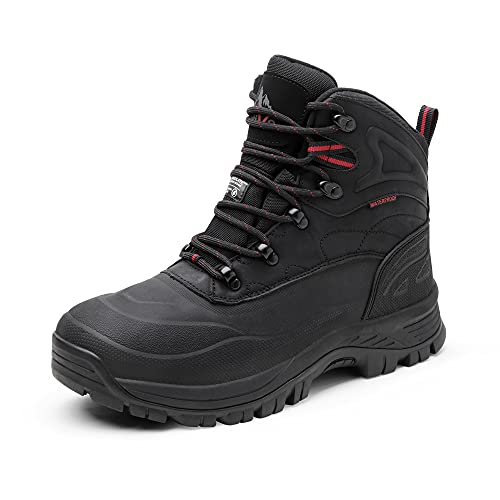
This NORTIV 8 hiking boot offers a useful mix of winter protection and everyday mobility. It has the shape of a hiking boot, which can help when you walk over uneven snow or a rough driveway. The waterproof exterior is useful for wet snow, slush, and short periods outdoors. The wide-size option listed here may appeal to shoppers who need more room across the foot.
A wider fit can reduce pressure when you wear thick socks, but it should not allow the heel to slide. I suggest checking the lacing and walking indoors before using the boots for a full snowstorm. The tread is better suited to snow and loose ground than polished ice. If freezing rain is common in your area, add removable ice cleats for extra grip.
Pros:
- Waterproof design helps manage wet winter conditions
- Hiking sole supports movement on uneven ground
- Wide sizing can improve comfort for broad feet
- Good balance of flexibility and structure
- Useful for shoveling, hiking, and daily outdoor tasks
- Lacing allows a more secure ankle fit
Cons:
- Wide sizing may feel loose on narrow feet
- Not a substitute for dedicated ice traction
- May require thicker socks in severe cold
My Recommendation
I would point wide-footed shoppers toward this model first. It can be among the best boots for shoveling snow when comfort and walking support matter as much as warmth. The extra room helps accommodate winter socks without squeezing the toes. It is a smart everyday choice for people who move between the driveway, garage, yard, and sidewalk.
ALEADER Waterproof Winter Snow Boots
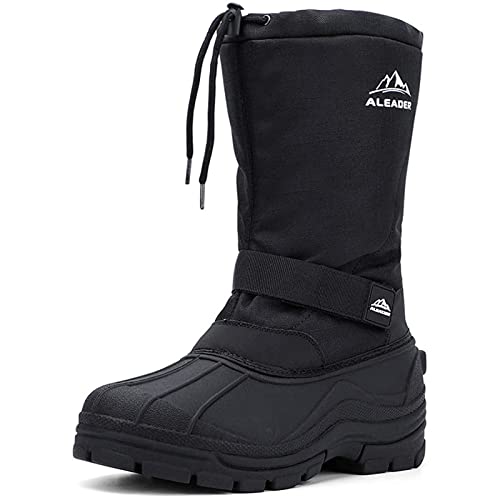
The ALEADER winter boot is made for shoppers who want a practical snow boot with a casual outdoor look. Its waterproof design helps keep slush away during short and medium-length chores. The hiking-shoe styling makes it less bulky than some heavily insulated snow boots. That can be helpful if you shovel quickly and then spend most of the day indoors.
I like this type of boot for moderate winter climates, where wet snow is a bigger problem than extreme cold. Its sole should provide useful contact on ordinary snow, but users should remain cautious on ice. A snug upper can help stop snow from entering when you bend or push the shovel. If you plan to work for hours, consider wool socks and regular warm-up breaks.
Pros:
- Waterproof exterior helps resist wet snow
- Light outdoor style is easy to wear for errands
- Hiking-inspired outsole supports everyday traction
- Less bulky than many heavy snow boots
- Good option for moderate winter temperatures
- Suitable for walking, shoveling, and casual outdoor use
Cons:
- May not provide enough warmth for extreme cold
- Traction is not intended for glare ice
- Fit may be less comfortable with very thick socks
My Recommendation
This boot is best for people who want a lighter winter shoe for regular snow removal. It belongs on a shortlist of the best boots for shoveling snow in areas with mild or moderate winters. I would choose it for short driveways, sidewalk clearing, and daily commutes. Its value comes from useful weather protection without the feel of a very heavy insulated boot.
Sportneer 28-Spike Ice Cleats
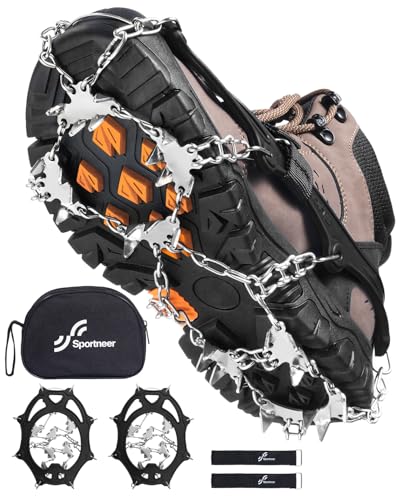
These Sportneer crampons are not boots by themselves. They are traction covers that stretch over compatible shoes or winter boots. That difference matters, but it also makes them useful when your current boots are warm and dry yet lack grip. The 28-spike layout is designed to help bite into snow and ice while you walk or shovel.
I see ice cleats as a helpful second layer for icy driveways and packed paths. They are light and easier to store than a separate pair of heavy winter boots. Fit is critical, so match the cleat size to the boot and inspect the rubber before each use. Remove them before walking on indoor floors, wood decks, or delicate surfaces because the spikes can cause damage.
Pros:
- Adds traction to compatible winter shoes and boots
- 28 spikes provide broad contact with icy ground
- Slip-on design is quick to put on outdoors
- Lightweight format stores easily in a car or garage
- Useful for shoveling, walking, and icy steps
- Can extend the life of boots you already own
Cons:
- Does not provide warmth or waterproofing on its own
- Spikes should not be worn on indoor floors
- Incorrect sizing can cause shifting or stretching
My Recommendation
I recommend these cleats for people whose main problem is ice rather than cold. They can turn an ordinary waterproof boot into a safer setup for slick snow removal. In that role, they support the goal of finding the best boots for shoveling snow without forcing you to replace a comfortable pair. Keep in mind that cleats improve traction, but they do not remove the need for slow steps and good balance.
Stasslang Insulated Waterproof Snow Boots

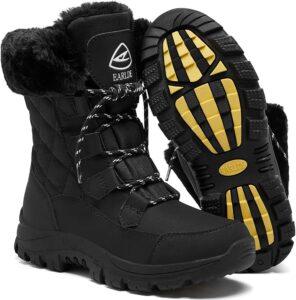
The Stasslang winter boot takes a warm, work-friendly approach to snowy chores. Its insulated and fur-lined design targets the cold spots that often make shoveling unpleasant. The waterproof outer helps handle wet snow, while the rubber sole is intended to improve contact with the ground. The bold yellow color may also make the wearer easier to see on a gray winter morning.
This boot looks suited to people who spend real time outdoors instead of only walking from the door to the car. The higher profile can help with snow depth, but it may feel warmer and heavier than a casual winter shoe. I would pair it with moisture-wicking socks rather than cotton socks, which can hold sweat against the skin. As always, confirm the size and allow enough room for natural toe movement.
Pros:
- Insulated lining helps hold warmth during long chores
- Fur lining adds soft comfort around the foot
- Waterproof design suits snow, slush, and wet ground
- Rubber outsole supports outdoor work
- Higher shaft helps protect against deeper snow
- Bright color can improve visibility outdoors
Cons:
- May feel too warm for mild winter weather
- Bulkier than a light hiking boot
- Bright styling may not suit every user
My Recommendation
This model is best suited to cold-climate homeowners, rural workers, and anyone who shovels for long periods. It is a strong candidate among the best boots for shoveling snow when warmth is your first concern. The insulation and tall shape offer comfort in deep, wet snow. I would choose it for function over a low-profile look, especially when winter weather is harsh and frequent.
10-Stud Ice Cleats for Shoes and Boots

These 10-stud ice cleats offer a simple way to add grip to footwear you already trust. The stretch design fits over many shoes and boots, while the metal studs help engage packed snow and light ice. They are a useful choice for quick jobs, icy sidewalks, and short trips outdoors. Since they do not include insulation, your base boot still controls warmth and water protection.
The smaller stud count can feel less aggressive than a 28-spike model, but it may also be easier to wear for routine walking. I would check that the cleat sits evenly under the heel and forefoot before stepping onto ice. Keep the rubber away from sharp edges and store the cleats dry after use. They are best viewed as a traction accessory, not a complete replacement for the best boots for shoveling snow.
Pros:
- Works over many existing shoes and boots
- Slip-on design makes use quick and simple
- Ten studs add grip on packed snow and light ice
- Compact shape is easy to carry and store
- Useful for walking, steps, and brief snow removal
- Lets users keep their favorite warm boots
Cons:
- Fewer studs may offer less grip on severe ice
- Provides no warmth or waterproof protection
- Can wear out if used on pavement often
My Recommendation
I recommend these cleats for occasional ice and for shoppers who want a low-cost backup. They suit older adults and cautious walkers who need more sole grip on short outdoor routes, provided the cleats fit securely. They can improve a boot’s footing, but they cannot replace a warm, waterproof base. For the best boots for shoveling snow, use them with a supportive winter pair and remove them before entering the house.
Sportneer Lightweight 28-Spike Crampons

This second Sportneer 28-spike option gives shoppers another way to add strong traction to winter footwear. It is designed to stretch over boots and shoes rather than act as a stand-alone boot. The spike coverage may help when a driveway has hard, uneven ice under a thin layer of snow. The light format is convenient for keeping near a shovel or inside a vehicle.
I prefer this style when conditions change during the day. You can wear a warm boot on snow, add the crampon for an icy section, and remove it when the surface changes. A secure fit matters more than a high spike count, so inspect the front and heel placement before use. These cleats work best with boots that have a firm sole and enough room for the cover.
Pros:
- 28-spike layout supports traction on icy surfaces
- Lightweight design is easy to carry
- Slip-on format saves time when weather changes
- Fits many compatible winter boots and shoes
- Helpful for shoveling and walking on packed ice
- Offers a practical add-on for existing footwear
Cons:
- Cannot keep feet warm or dry by itself
- Metal spikes can damage indoor and delicate surfaces
- Needs careful sizing to prevent movement
My Recommendation
Choose this version if your driveway often freezes after snow falls. It is best for users who already own comfortable waterproof boots but need more bite underfoot. Used with a good winter boot, it can help create one of the best boots for shoveling snow setups for icy areas. The overall value is high because one pair can support several types of outdoor footwear.
Ice Cleats with 28 Shoe Spikes

These 28-spike crampons are made for people who want extra grip without buying another pair of boots. The rubber body stretches over shoes or boots, and the straps help hold the cleat in place. That makes them useful for winter walking, fishing, hiking, and snow removal. They are especially relevant when a dry snowfall hides a layer of slick ice.
I would use this type of traction cover with a supportive waterproof boot, not with a loose sneaker. The sole should sit flat, and the straps should stay snug during movement. Spikes can help reduce sliding, but they do not make an icy slope risk-free. Follow safe winter practice: keep your steps short, carry the shovel close, and avoid rushing when lifting heavy snow.
Pros:
- 28 spikes provide broad traction coverage
- Straps help secure the cleats over footwear
- Fits many men’s, women’s, and youth shoes
- Useful for snow, ice, hiking, and outdoor work
- Easy to pack for travel or winter emergencies
- Lets users upgrade existing boots at low cost
Cons:
- Fit depends on the shape and size of the base boot
- Not suitable for indoor floors
- Spikes may lose effectiveness with heavy pavement use
My Recommendation
This is a good pick for households that share traction gear or need a flexible winter safety item. It works for people who already have warm footwear and only need help with icy ground. In a complete setup, these cleats can make ordinary waterproof boots closer to the best boots for shoveling snow. Store them with your shovel so they are easy to find before the next storm.
Fly Racing Marker BOA Snow Boot

The Fly Racing Marker BOA snow boot brings a motorcycle and outdoor-sport feel to winter footwear. Its BOA-style closure is designed to make tightening fast, which can help when gloves make normal laces awkward. The boot has a structured look and is suited to users who value a close, secure fit. It may also appeal to riders and outdoor enthusiasts who want a snow boot that matches their gear.
A dial closure can make fit adjustments simple during a long day outside. Still, users should check the system before each season and keep snow or ice from freezing around the hardware. The boot’s winter design can help with cold and wet conditions, but warmth depends on the fit, socks, activity, and weather. For driveway work, I would focus on heel hold and sole grip rather than the closure alone.
Pros:
- BOA-style closure allows quick fit adjustments
- Easy to tighten while wearing winter gloves
- Structured build supports a secure foot feel
- Distinct outdoor styling suits active users
- Useful for snow chores and winter recreation
- Firm closure can reduce loose-foot movement
Cons:
- May cost more than a basic lace-up winter boot
- Closure parts need care in freezing conditions
- Sport-focused design may feel stiff for casual users
My Recommendation
I recommend this boot to active users who want fast adjustment and a firm fit. It can be among the best boots for shoveling snow for people who wear gloves, move often, and dislike stopping to retie laces. It is also a natural fit for motorsports fans and winter recreation users. Before purchase, confirm that the boot’s warmth and shaft height match your local winter conditions.
What Makes the Best Boots for Shoveling Snow?
Snow shoveling places different demands on footwear than a short winter walk. You push against packed snow, twist your body, bend your knees, and carry changing loads. A good boot must protect your feet while still letting you move naturally. I judge each pair by five main traits: waterproofing, warmth, traction, support, and comfort.
Waterproofing comes first because wet socks can make even a warm boot feel cold. Look for a sealed outer shell, water-resistant materials, and a tongue that limits snow entry. A tall shaft helps when snow is deep, but it should not rub the calf. Remember that “waterproof” claims can vary by design and use, so avoid standing in deep water or letting snow soak the upper for hours.
Warmth depends on more than insulation. A boot that fits too tightly can compress socks and reduce the warm air around your foot. A boot that fits too loosely can let cold air in and cause heel movement. I prefer enough room to wiggle the toes, but not enough space for the foot to slide inside the boot.
Traction is also easy to misunderstand. Deep tread can work well in loose snow, while metal spikes or rubber studs help on hard ice. No sole works perfectly on every winter surface. If your area gets freezing rain, keep ice cleats nearby and use them only when the surface calls for extra grip.
How I Choose Winter Boots for Snow Removal
I start by matching the boot to the job. A small suburban driveway may need a light waterproof boot with moderate warmth. A long rural lane may call for taller insulation and stronger support. An icy sidewalk may need cleats over a comfortable boot. This approach is more useful than naming one boot as perfect for every person.
I also consider the motion of shoveling. You need to bend at the knees, step backward, and turn without losing balance. A boot that feels fine while standing may feel stiff when you work. I look for a sole that bends near the forefoot while still protecting the heel and arch.
Fit checks matter before the first storm. Wear the socks you plan to use, then check for toe room and heel hold. Walk up and down a hallway, bend your knees, and mimic a push with your hands. If your heel lifts a lot or your toes touch the front, choose a different size or model.
I also review care needs. Even the best boots for shoveling snow can lose performance if they stay wet in a cold garage. Knock off snow after use, open the boots, and let them dry at room temperature. Avoid strong direct heat, which can damage adhesives, leather, rubber, or insulation.
Best for Table
| Best for | Why |
|---|---|
| Cold, long shoveling sessions | Choose an insulated, tall waterproof boot for warmth and snow coverage. |
| Wet snow and daily chores | Choose a waterproof hiking-style boot for lighter movement and flexible use. |
| Icy driveways and sidewalks | Add 10- or 28-spike cleats to a secure winter boot for extra grip. |
Winter Shoveling Safety and Comfort Tips
Good footwear helps, but it cannot do the whole job. I recommend clearing snow in layers instead of waiting for a deep, heavy pile. Push snow when possible, and lift only small amounts. This reduces strain and makes it easier to keep your balance.
Use short steps on ice and keep your feet under your hips. Do not run in cleats, and remove spiked covers before walking inside. If you feel numbness, pain, dizziness, or unusual shortness of breath, stop and warm up. Cold weather can hide strain until it becomes serious.
Socks deserve attention, too. Wool or synthetic socks move moisture away better than cotton. Avoid wearing two pairs if they make the boot tight. Your toes need room to move, and a tight boot can make feet colder rather than warmer.
Before each season, inspect the outsole, seams, laces, and closure. Cracked rubber can allow water in and reduce grip. A loose cleat can catch on the snow and create a trip hazard. Replace worn traction gear rather than trusting it during the first major storm.
Are Ice Cleats Better Than Snow Boots?
Ice cleats and snow boots solve different problems. Snow boots provide warmth, waterproofing, and support. Cleats add traction to a boot that may already fit well. If your boots are warm but slide on ice, cleats may be the better purchase.
Cleats are not ideal for every surface. They can be uncomfortable on bare pavement and unsafe on indoor floors. They can also damage wood, tile, or other delicate surfaces. I treat them as removable equipment for icy outdoor areas, not as an all-day accessory.
For many homes, the best setup uses both. Wear waterproof insulated boots for snow, then add cleats when ice appears. This gives you more flexibility than trying to make one sole handle deep snow, wet slush, and hard ice equally well.
How Should Snow Boots Fit?
A winter boot should feel secure without squeezing your toes. Your heel should stay mostly in place as you walk, and your toes should not press against the front when you step downhill. Leave room for the socks you will actually wear. Do not size up so much that the boot becomes loose and unstable.
Try both boots because feet can differ slightly in size. Walk, bend, and turn before removing the tags. If the boot has laces, tighten the lower area enough to hold the foot and adjust the upper area for ankle support. If it has a dial or strap, make sure you can use it with gloves.
Wide feet need width, not just extra length. A long boot can still pinch the sides and make the foot slide. Several hiking-style models offer a roomier shape, while cleats can fit over a wide boot if you select the correct size. Always review the current seller size information because fit can vary between models.
How Warm Should Shoveling Boots Be?
The answer depends on your climate and work time. For a short job in wet snow, moderate insulation may feel best. For a long session in below-freezing weather, stronger insulation and a taller shaft can make a clear difference. If your feet sweat, too much insulation may leave them damp.
Activity also changes warmth needs. Shoveling creates more body heat than standing still at a bus stop. A very thick boot may feel comfortable at first but too hot after steady work. I prefer a balanced boot for active users and a more heavily insulated boot for slow chores or very cold regions.
FAQs Of Best Boots for Shoveling Snow
What are the best boots for shoveling snow?
The best boots for shoveling snow should be waterproof, warm, supportive, and stable. For general use, a waterproof hiking-style winter boot offers a strong balance. Choose heavier insulation for extreme cold and add ice cleats when hard ice covers the driveway.
Are waterproof boots enough for shoveling?
Waterproofing protects against wet snow, but it does not guarantee warmth or traction. Check the insulation, shaft height, and outsole as well. Dry socks and a secure fit also affect comfort during long snow removal jobs.
Should I wear ice cleats while shoveling snow?
Use ice cleats when the ground has hard ice or packed snow that feels slippery. They are less useful on loose, deep snow and may be awkward on bare pavement. Make sure the cleats fit firmly and remove them before entering the home.
How much room should winter boots have?
Leave enough room for your normal winter socks and natural toe movement. Your heel should not slide, and your toes should not touch the front. A boot that is too tight can reduce warmth, while a loose boot can reduce control.
Can I use hiking boots for snow shoveling?
You can use hiking boots if they have reliable water protection, enough warmth, and a winter-ready sole. Light hiking boots work well for short chores and mild weather. They may need thicker socks or cleats in severe cold and icy conditions.
Final Verdict: Which Should You Buy?
For most homeowners, the NORTIV 8 Waterproof Hiking Winter Boot offers the best balance of warmth, water protection, support, and daily use. Choose the insulated NORTIV 8 or Stasslang for deeper cold, and add Sportneer cleats for hard ice.
The best boots for shoveling snow should match your weather, work time, and footing needs. Check size, tread, and current availability before ordering, then keep your boots dry and ready for the next storm.

Madison Clark is a footwear expert and the voice behind MyStyleGrid.com. She specializes in honest shoe reviews, style tips, and practical guides to help readers find the perfect pair for any occasion. With years of experience in blogging and content creation, Madison makes footwear knowledge simple, stylish, and easy to follow.