The best hiking boots for Achilles tendonitis offer a stable heel, soft collar, roomy fit, and mild heel lift.
A long trail can turn into a slow, painful walk when every step pulls on an irritated Achilles tendon. I know how frustrating that feels, especially when your boots rub the back of your ankle or let your heel slide. The right pair cannot cure tendonitis, but it can reduce rubbing, limit unwanted foot motion, and make hiking more manageable. In this guide, I review supportive boots, ankle braces, and hiking insoles that may help hikers who need comfort without giving up trail time. Always seek medical advice for sharp pain, swelling, weakness, or pain that keeps getting worse.
Men’s Orthopedic Wide Trail Boots

This wide trail boot focuses on comfort around the foot and ankle. Its roomy shape may help hikers who feel squeezed by narrow hiking footwear. The cushioned build and arch-support design can also suit people who deal with heel or arch discomfort along with Achilles irritation.
I like this style for easy trails, park paths, and long days that involve both walking and standing. The non-slip outsole should provide useful grip on common trail surfaces, though no sole is perfect on wet rock or loose mud. Its ankle coverage may help reduce side-to-side movement, but the boot should still bend naturally as you walk.
Pros:
- Wide fit gives toes more room to spread
- Supportive shape may reduce foot fatigue
- Ankle coverage adds useful trail stability
- Non-slip outsole suits daily walking and light hikes
- Orthopedic design targets arch and heel comfort
- Neutral khaki color works well for casual wear
Cons:
- Wide sizing may feel loose on narrow feet
- Support may feel firm before a short break-in period
- Not a substitute for treatment of serious tendon pain
Men’s Waterproof Wide Trekking Trail Sneakers

This waterproof wide trekking sneaker combines a low-profile feel with features often found in hiking boots. That mix can appeal to hikers who dislike stiff, heavy footwear. The wide fit leaves more space for the forefoot, while the cushioned interior may make flat walks and moderate trails easier on tired feet.
Water resistance is valuable when a trail is damp or morning grass is wet. Still, waterproof footwear can feel warmer than mesh shoes, so I would pair it with moisture-wicking socks. The ankle-boot shape can help you feel secure, but I would check the heel hold carefully because heel movement can add stress near the Achilles tendon.
Pros:
- Waterproof design helps block light rain and surface moisture
- Wide shape supports a less cramped fit
- Lighter sneaker style feels easier than a rigid boot
- Arch-support construction may help reduce foot strain
- Useful for walking, work, travel, and casual hikes
- Gray color hides normal trail dust well
Cons:
- May feel warm in hot summer conditions
- Waterproof claims do not mean fully submersible
- Heel fit may vary from one foot shape to another
BLITZU Ankle Brace with Arch Support
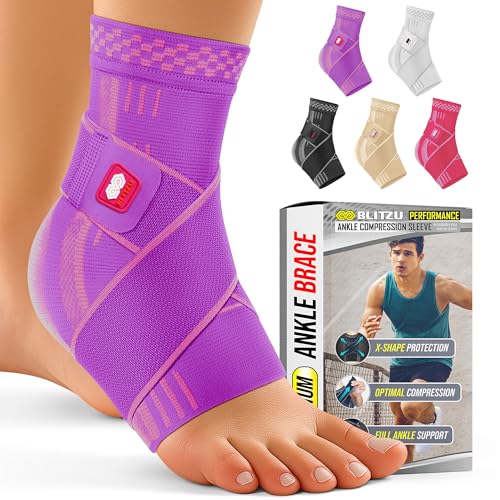
This is not a hiking boot. It is a compression ankle sleeve that can work with your current hiking footwear. The design includes arch support, which may help hikers whose Achilles discomfort comes with poor foot control or general ankle fatigue. A brace can also provide a gentle reminder to avoid excessive ankle motion.
I see this as a useful add-on for short walks, recovery days, and mild support needs. The fit should feel snug, not numb or painfully tight. Because compression products affect comfort differently, start with a short wear period before taking the brace on a long hike.
Pros:
- Fits inside many hiking shoes and boots
- Compression may help reduce the feeling of ankle fatigue
- Arch support adds another layer of foot control
- Lightweight design is easy to pack
- Useful for men and women
- Can support daily walking as well as trail use
Cons:
- Does not replace a supportive hiking boot
- Incorrect sizing can cause slipping or excess pressure
- May feel hot under thick hiking socks
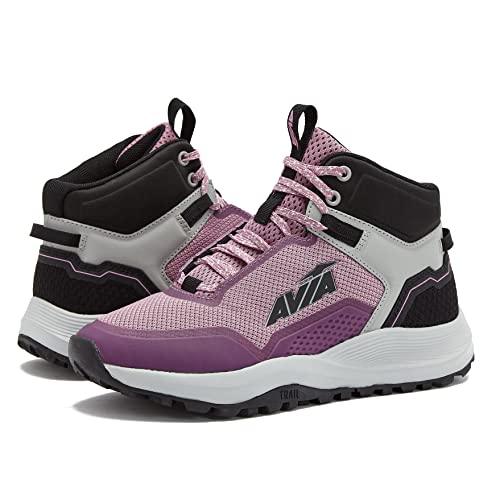
Women’s Orthopedic Waterproof Trail Sneakers

This women’s trail sneaker is built for hikers who want waterproof protection and orthopedic-style support. Its ankle-boot profile gives more coverage than a regular walking shoe. The design may suit people with heel pain, arch fatigue, or Achilles sensitivity who need a supportive shoe for everyday use.
I would consider it for paved trails, light hiking, errands, and work days on your feet. The waterproof upper can help in mild wet weather, but it may not provide the same breathability as a fabric trail runner. A careful fit matters here: the heel should stay planted while the toes should still move freely.
Pros:
- Women’s sizing provides a more targeted fit
- Waterproof build helps in damp conditions
- Orthopedic shape supports the arch and heel
- Trail outsole adds traction for routine outdoor use
- Ankle coverage offers a secure feel
- Versatile enough for walking and light work
Cons:
- May need a brief break-in period
- Waterproof material can retain heat
- Not designed for severe ankle instability
NORTIV 8 Lightweight Waterproof Hiking Boots

NORTIV 8 makes this boot for hikers who want waterproof coverage without a bulky feel. The lightweight build may reduce the effort needed to lift each foot on a long walk. Its coyote color also gives it a classic outdoor look that works well beyond the trail.
For Achilles tendonitis, I pay close attention to the heel counter, collar, and lacing system. A secure heel can reduce rubbing and unwanted sliding, while a well-padded collar can make the boot more comfortable near the tendon. The boot still needs a gradual break-in, and I would test it on short walks before using it for a full-day hike.
Pros:
- Lightweight design helps reduce leg fatigue
- Waterproof upper suits changing trail weather
- Full hiking-boot shape offers useful protection
- Outsole supports traction on common outdoor surfaces
- Good choice for hikers who dislike heavy boots
- Classic coyote color looks practical outdoors
Cons:
- May feel less cushioned than orthopedic footwear
- Waterproof construction can reduce airflow
- Wide or narrow feet may need careful size selection
Pro-Tec Athletics Achilles Tendon Support

This adjustable support targets the Achilles area directly. It uses compression, a stabilization pad, and a heel lift to help manage the feel of pressure around the tendon. A heel lift can slightly reduce the amount of stretch placed on the Achilles during each step, which some people find more comfortable.
I would use this product only as part of a larger plan that includes rest, suitable footwear, and professional advice when needed. The adjustable strap lets you fine-tune the fit, but too much compression can irritate the skin or cause numbness. Wear it around the house first, then test it with a short walk before taking it into the backcountry.
Pros:
- Designed specifically for Achilles support
- Adjustable strap helps personalize the fit
- Heel lift may reduce tendon stretch during walking
- Compression pad offers a focused support feel
- Works with many hiking shoes and boots
- Compact design is easy to carry in a pack
Cons:
- Requires careful adjustment to avoid pressure points
- May not fit comfortably inside tight footwear
- Does not address the cause of tendonitis by itself
Men’s Orthopedic Waterproof Wide Trail Sneakers

This wide trail sneaker is aimed at men who need a supportive fit for walking, standing, or light trekking. The orthopedic-style design may help spread pressure across the foot instead of concentrating it under the heel. Its waterproof construction is useful for damp sidewalks, wet grass, and mild trail conditions.
The roomy shape may be especially helpful if swelling makes standard shoes feel tight. I would still leave enough space for hiking socks without letting the heel move up and down. This model is a practical option for people who want the comfort of a walking shoe with more trail-ready protection.
Pros:
- Wide fit can improve comfort for broader feet
- Waterproof design protects against light moisture
- Orthopedic support may help reduce foot strain
- Suitable for walking, work, and casual hiking
- Trail-style outsole provides useful everyday grip
- Ankle-boot shape gives more coverage than a low shoe
Cons:
- May feel too roomy for narrow feet
- Less breathable than many mesh trail shoes
- Not intended for technical mountaineering
PowerStep Pinnacle Hiker Orthotic Insoles

These hiking insoles are made to upgrade the fit of a boot you already own. They provide arch support, cushioning, and control for mild overpronation. That matters because a foot that rolls inward too much can change the way force travels through the ankle and into the Achilles tendon.
The best result comes from pairing the insole with a roomy, stable boot. Remove the original footbed if the boot feels crowded, then check that your toes still have space. I recommend a gradual break-in because a firm orthotic can feel unusual during the first few walks.
Pros:
- Turns compatible boots into more supportive footwear
- Arch support may help control mild pronation
- Cushioning improves comfort on hard ground
- Useful for hikers who already own good boots
- Unisex design suits many walking routines
- Made in the USA according to the product listing
Cons:
- May not fit boots with limited interior space
- Firm support can require a gradual adjustment
- Wrong size can create pressure under the arch
How Achilles Tendonitis Changes Boot Choice
Achilles tendonitis is an overuse injury that affects the thick tendon linking the calf muscles to the heel bone. Pain often appears above the heel and may feel worse after activity or when you first start walking. Some people also notice morning stiffness, tenderness, or swelling.
Boots cannot repair a damaged tendon. They can, however, change how your foot sits and moves inside the shoe. A stable heel, mild cushioning, and a comfortable heel-to-toe drop may make walking less irritating. Think of the boot as a quiet helper, not a cure.
Many hikers make the mistake of choosing the stiffest boot they can find. More stiffness is not always better. A boot that presses the tendon, causes heel lift, or forces the ankle into a painful angle may make the problem worse.
What I Look For in the Best Hiking Boots for Achilles Tendonitis
A comfortable heel collar
The collar sits close to the Achilles tendon, so its shape matters. I look for soft padding and smooth edges. A collar should hold the ankle without digging into the sore spot.
Try the boot with the socks you plan to hike in. Walk up and down stairs. If the collar rubs indoors, it will likely rub more after several miles. A small hot spot can become a large problem on the trail.
A secure heel without heel lift
Heel movement creates friction. It can also make you tense your calf with every step. Lace the boot firmly around the ankle, but do not crush the foot.
A useful test is simple. Walk downhill and stop. Your toes should not slam into the front, and your heel should remain mostly in place. If the heel slides but the toe box feels right, try a different lacing pattern or another model.
A moderate heel-to-toe drop
The heel-to-toe drop is the height difference between the heel and the forefoot. A modest drop may reduce the amount of stretch placed on the calf and Achilles during walking. This is one reason some hikers feel better in traditional hiking shoes than in very flat shoes.
Do not change from a high-drop shoe to a zero-drop shoe during an active flare. That sudden change can load the calf and tendon in a new way. If you want a lower-drop shoe, make the change slowly after your symptoms settle.
Enough cushioning, but not a soft sponge
Cushioning can reduce the harsh feel of rocks and hard paths. Yet a very soft midsole may feel unstable, especially on uneven ground. I prefer a balanced platform that cushions impact while still giving the foot a steady base.
Hikers with Achilles pain should also check the insole. Some boots include a flat footbed, while others have more shape. An aftermarket hiking orthotic may help if it fits without making the boot tight.
A roomy toe box
Your toes need room to spread and help with balance. A narrow toe box can make the foot work harder and create pressure across the arch. Swelling can also make a narrow boot uncomfortable by the end of the day.
Room does not mean sloppy. The best fit keeps the midfoot and heel secure while giving the toes natural space. Measure both feet, since one foot may be longer or wider than the other.
Reliable traction
A slip can create a sudden load on the Achilles. Good traction helps you walk with more confidence on dirt, gravel, and damp leaves. Look for a rubber outsole with a tread pattern that matches your trails.
Deep lugs are useful in mud, but they may feel awkward on pavement. If you hike mixed routes, choose a balanced outsole instead of a very aggressive one. No outsole can replace careful steps on wet rock.
Boots, Insoles, and Braces: Which Approach Is Best?
The right choice depends on your symptoms and current footwear. If your boot rubs the tendon or lets your heel move, start with a better-fitting boot. If the boot fits well but lacks arch support, an insole may be the simpler fix.
A brace can help add compression or a small heel lift. It may be useful during a short recovery walk. It should not mask pain so well that you continue an activity that is harming the tendon.
For many hikers, the most practical setup is a supportive boot, a moisture-wicking sock, and a properly fitted insole. Add a brace only if it feels comfortable and a health professional agrees that it suits your condition.
How to Fit Hiking Boots When Your Achilles Hurts
Shop later in the day when feet are slightly larger. Wear your usual hiking socks. If you use an orthotic, bring it with you or place it in the boot before testing the fit.
Leave about a thumb’s width between your longest toe and the front of the boot. Your toes should not touch when you walk downhill. At the same time, the heel should not lift with every step.
Walk on several surfaces if possible. Bend your knees, climb a step, and walk down a slope. Check the heel collar for rubbing. Do not trust a boot only because it feels good while sitting.
Many online shoppers order two sizes or widths, then keep the pair that fits best after checking the return policy. Follow the brand’s sizing chart. Product sizes can vary, and the size printed on one boot does not guarantee the same fit in another.
How to Break In the Best Hiking Boots for Achilles Tendonitis
Start with 15 to 20 minutes indoors. Wear the socks and any brace you plan to use. Look for redness, rubbing, or increased pain after you remove the boots.
Next, take short walks on level ground. Add time only when your tendon feels calm during and after the walk. Do not use a new boot for a steep, full-day hike on its first outing.
Pay attention to the next morning. Achilles pain can appear later, not just during activity. If your morning stiffness increases, reduce your walking load and ask a medical professional for guidance.
Trail Habits That Can Reduce Achilles Stress
Warm up before you climb. A few minutes of easy walking helps your muscles prepare. Gentle ankle movements may also help, but stop if they cause pain.
Shorten your stride on steep climbs. Use trekking poles if they help you stay steady. On descents, slow down and avoid letting your heel drop sharply off each step.
Rest before pain becomes severe. A short break can save a long walk back to the trailhead. Hydrate, change wet socks, and check your feet for hot spots.
Strength work can support long-term recovery, but it should match your condition. Calf raises and other tendon exercises may help some people, yet the timing and load matter. A physical therapist can show you a safe plan.
Common Mistakes to Avoid
Do not choose boots by appearance alone. A rugged sole and tall ankle do not guarantee Achilles comfort. Fit, heel hold, collar shape, and underfoot support matter more than a tough-looking design.
Do not rely on pain relief to push through a hike. Reduced pain does not always mean the tendon has recovered. If each walk leaves you more sore, your activity level or footwear needs a change.
Do not lace the ankle as tightly as possible. Excess pressure can irritate the tendon and reduce comfort. Use a secure but relaxed fit, and adjust the laces if swelling changes during the day.
Finally, do not ignore sudden pain or a popping sound. A suspected rupture needs urgent medical assessment. Persistent pain also deserves professional care, especially if normal walking becomes difficult.
My Recommendation
For hikers who want one complete boot, I would start with the NORTIV 8 Lightweight Waterproof Hiking Boots. They offer a useful mix of light weight, weather protection, ankle coverage, and trail traction. They are best for people with mild Achilles sensitivity who need a general hiking boot, not a medical device.
For a wider foot, the orthopedic wide trail boots and wide waterproof trail sneakers may feel more forgiving. The women’s orthopedic trail sneakers are a practical choice for women who want support for walking and light hikes. If your current boots already fit well, the PowerStep Pinnacle Hiker insoles may offer better value than replacing them.
The BLITZU brace and Pro-Tec support are add-ons, not stand-alone hiking boots. They may suit hikers who need compression or a small heel lift, provided the fit feels comfortable. Among these options, the best hiking boots for Achilles tendonitis are the ones that hold your heel, avoid tendon pressure, and let you walk without rising pain.
| Best for | Why |
|---|---|
| Best complete hiking boot | NORTIV 8 combines light weight, waterproof coverage, ankle support, and trail-ready traction. |
| Best for wide feet | The orthopedic wide trail boots provide more forefoot room and supportive arch coverage. |
| Best support add-on | Pro-Tec Athletics offers adjustable Achilles support and a heel lift for targeted use. |
FAQs Of Best Hiking Boots for Achilles Tendonitis
Can hiking boots help Achilles tendonitis?
They may improve comfort by reducing heel movement, rubbing, and foot fatigue. Hiking boots do not cure tendonitis. Stop hiking and seek care if pain worsens or normal walking becomes hard.
Should hiking boots have a heel lift for Achilles pain?
A modest heel lift may reduce tension on the Achilles for some people. It can also change your walking pattern. Use one gradually and ask a health professional if symptoms continue.
Are waterproof boots good for Achilles tendonitis?
Waterproof boots can be helpful in wet weather, but they may feel warmer and less breathable. Choose them when moisture protection matters. Use good socks and check for rubbing.
Are hiking insoles useful for Achilles tendonitis?
They may help when poor arch support or mild overpronation adds strain. An insole must fit without crowding the toes or lifting the heel. Introduce it slowly.
How long can I hike with Achilles tendonitis?
There is no safe time limit for everyone. Start with a short, easy walk and monitor pain during the hike and the next morning. A clinician or physical therapist can set a safer activity plan.
Final Verdict: Which Should You Buy?
My top pick is the NORTIV 8 Lightweight Waterproof Hiking Boots for balanced trail support and comfort. Wide-foot hikers may prefer the orthopedic wide boots, while the Pro-Tec support and PowerStep insoles work well as targeted add-ons.
The best hiking boots for Achilles tendonitis should fit securely, avoid tendon rubbing, and support steady steps. Choose slowly, break them in, and treat growing pain as a warning.

Madison Clark is a footwear expert and the voice behind MyStyleGrid.com. She specializes in honest shoe reviews, style tips, and practical guides to help readers find the perfect pair for any occasion. With years of experience in blogging and content creation, Madison makes footwear knowledge simple, stylish, and easy to follow.