The best work boots for HVAC balance safety, waterproofing, grip, comfort, and all-day support.
An HVAC job can take you from a hot roof to a wet crawl space in one shift. You may climb ladders, kneel on sharp metal, carry heavy tools, and walk across dusty floors. Poor boots can turn that normal day into sore feet, wet socks, or a painful slip. I looked for boots that match real HVAC work, including strong toe protection, stable soles, useful water resistance, and comfort for long hours. The picks below cover several needs, from affordable waterproof boots to premium leather models.
Cat Threshold Waterproof Steel Toe

The Cat Threshold is a practical pick for HVAC technicians who need a steel toe and waterproof build at a fair price. Its six-inch work-boot shape gives the ankle more coverage than a low shoe. That extra height can help when you step through wet grass, loose gravel, or cluttered job sites. The brown leather look also feels at home in both service calls and construction work.
I like this boot for technicians who spend part of the day outside and part inside. The waterproof design helps during rain, damp basements, and small floor puddles, though no leather boot should sit in deep water. A steel toe adds protection from dropped hand tools and equipment. The rubber outsole should also give useful traction on common work surfaces, but you still need to slow down on oil or slick refrigerant residue.
Pros:
- Steel toe helps guard against impact and compression
- Waterproof design suits wet service calls
- Six-inch height gives useful ankle coverage
- Rugged work-boot style fits many job sites
- Rubber outsole supports daily traction
- Good value for technicians on a budget
Cons:
- Steel toe can feel heavier than composite toe
- May need a break-in period with thicker leather
- Waterproof boots may feel warm in hot attics
My Recommendation
I recommend the Cat Threshold for HVAC apprentices, residential service workers, and anyone who wants one boot for wet outdoor work and indoor repairs. It is especially useful when toe protection matters more than a very light feel. Among the best work boots for HVAC, this model offers a sensible mix of safety, weather protection, and cost. Check the current size and price before ordering because fit and availability can change.
Wolverine Floorhand Waterproof Steel Toe

The Wolverine Floorhand is built for workers who want a traditional six-inch steel-toe boot with waterproof coverage. Its dark brown finish hides everyday dust and scuffs better than a light boot. The design looks sturdy without adding the bulk of a tall logger boot. That makes it a strong choice for HVAC work that includes ladders, service vans, and unfinished buildings.
A steel toe gives this boot a clear safety advantage around compressors, furnaces, sheet metal, and tool boxes. The waterproof upper can help keep feet dry during outdoor unit work or wet utility rooms. Its work-focused outsole should feel more secure than a casual sneaker on rough floors. Like most protective boots, it may feel firm at first, so wear it for short periods before taking it into a full shift.
Pros:
- Waterproof upper helps block rain and surface moisture
- Steel toe offers strong impact protection
- Six-inch shaft supports the ankle
- Classic color hides job-site marks
- Suitable for construction and maintenance work
- Solid choice for workers who prefer a firm boot
Cons:
- Heavier than soft-toe service shoes
- Steel toe may not suit workers who prefer flexible footwear
- Can run warm in poorly ventilated spaces
My Recommendation
The Wolverine Floorhand is best for HVAC installers who carry heavy parts and work around active construction. I would choose it for a worker who values a firm, protective feel over low weight. It earns a place among the best work boots for HVAC because it combines a steel toe, waterproof coverage, and familiar Wolverine work-boot construction. Review the size chart and current listing details before purchase.
NORTIV 8 Composite Toe Slip-Resistant Boot
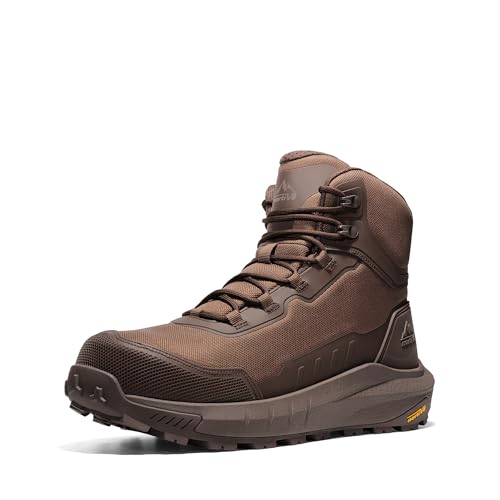
This NORTIV 8 model targets workers who want toe protection without the weight of steel. Its composite toe can be a useful choice for HVAC technicians who climb, kneel, and move often during a shift. The dark brown color gives it a clean work-ready appearance. The slip-resistant outsole is also a key feature for smooth floors, dusty mechanical rooms, and changing weather.
Composite toe caps do not conduct cold as quickly as steel, which may feel better during winter work. They also avoid some of the extra weight that can make long ladder climbs tiring. Still, a composite toe does not mean you can ignore proper fit or workplace rules. Check the boot’s current safety markings and compare them with your employer’s required ASTM standard before relying on it for a regulated task.
Pros:
- Composite toe reduces weight compared with many steel toes
- Slip-resistant outsole supports safer movement
- Comfortable choice for active technicians
- Dark color works well in dirty service areas
- Useful for workers sensitive to cold metal toes
- Good option for long walking routes
Cons:
- Composite toe may have a larger shape than expected
- Safety rating must be checked for your job requirements
- May offer less traditional leather feel than premium boots
My Recommendation
I recommend this NORTIV 8 boot for HVAC technicians who want a lighter protective boot for frequent movement. It suits service calls, warehouse work, and jobs where cold weather makes steel toes uncomfortable. For many people, it is one of the best work boots for HVAC when low weight and traction rank high. Confirm the fit, safety label, and return terms before wearing it on a demanding job.
Wolverine Floorhand Waterproof Soft Toe
The soft-toe Wolverine Floorhand is a comfortable alternative to a steel-toe work boot. It keeps the familiar six-inch waterproof shape but removes the rigid safety cap. That can make the boot easier to flex while kneeling beside an air handler or walking between service calls. The dark brown color also gives it a simple, professional look.
This model makes the most sense when your employer does not require protective toe footwear. Its waterproof build helps with wet ground and damp work rooms, while the work outsole supports daily grip. A soft toe will not protect against heavy falling objects like a compliant safety toe can. I would not use it in a workplace that requires ASTM-rated impact or compression protection.
Pros:
- Soft toe feels more flexible than steel toe designs
- Waterproof build helps in damp conditions
- Six-inch height gives ankle coverage
- Often feels lighter during long service days
- Classic design suits everyday maintenance work
- Useful for indoor HVAC service work
Cons:
- Does not provide protective toe-cap coverage
- May feel warm in summer attic work
- Leather still needs cleaning and care
My Recommendation
This Wolverine is best for residential HVAC service workers whose employer allows soft-toe boots. It is a good match for indoor maintenance, light installations, and technicians who put comfort and flexibility first. It is not among the best work boots for HVAC when a safety toe is mandatory. Choose it only after checking your company policy and the hazards at your job sites.
EVER BOOTS Tank Soft Toe Leather Boot
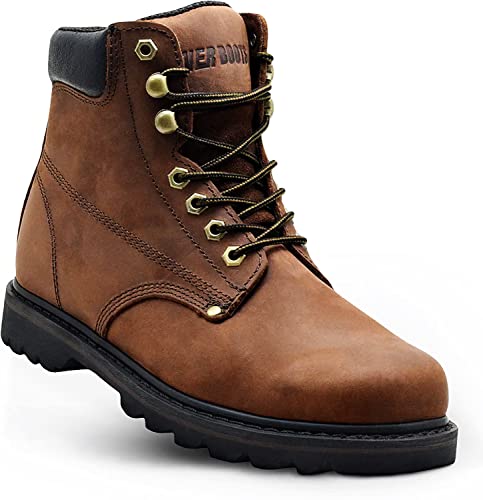
The EVER BOOTS Tank is a full-grain leather soft-toe boot made for workers who like a traditional leather feel. Its oil-treated appearance gives it a rugged look that fits HVAC installation and general construction. The rubber sole is useful for everyday walking, climbing, and standing. This is a straightforward boot for technicians who do not need a safety toe.
Full-grain leather can become more comfortable as it breaks in and forms around the foot. It also needs basic care, such as brushing off dirt and applying a suitable leather conditioner. The soft toe keeps the front of the boot flexible, which helps when you kneel or crouch. However, I would not treat this boot as impact protection unless the current product information clearly states a certified safety toe.
Pros:
- Full-grain leather offers a durable classic upper
- Soft toe allows natural movement
- Rubber sole supports daily job-site traction
- Oil-treated finish gives a rugged appearance
- Comfortable for workers who dislike rigid toes
- Can suit HVAC, carpentry, and general maintenance
Cons:
- No protective safety toe listed
- Leather care is needed to maintain the upper
- Soft leather may show marks over time
My Recommendation
I recommend the EVER BOOTS Tank for indoor HVAC technicians who want affordable leather boots with a flexible toe. It is a sensible everyday option for service calls without major impact hazards. It should not replace a steel- or composite-toe boot where your employer requires one. For light-duty work, it offers useful value and a traditional feel among the best work boots for HVAC.
Thorogood American Heritage 8-Inch Boot

The Thorogood American Heritage is a premium-style boot for technicians who want strong materials and a supportive eight-inch design. It uses full-grain leather, a steel toe, and a moc-toe shape. The wedge outsole gives it a broad platform that can feel stable on flat indoor floors. Its comfort insole is a welcome feature when a workday includes hours of standing.
The listed electrical-hazard rating may help workers who face certain electrical risks, but it does not make a boot safe for every electrical task. Employers and safety managers should confirm the exact rating and conditions of use. The eight-inch shaft gives more ankle and lower-leg coverage than a six-inch boot. On the other hand, that extra height can feel restrictive until the leather softens.
Pros:
- Full-grain leather supports long-term wear
- Steel toe provides impact protection
- Eight-inch shaft gives added ankle coverage
- Comfort insole helps during long standing periods
- Wedge outsole offers a stable flat-foot feel
- Electrical-hazard rating adds useful job-site coverage
Cons:
- Premium price may exceed a starter budget
- Eight-inch height can feel bulky in tight spaces
- Wedge sole may collect dirt in muddy outdoor areas
- Needs a longer break-in than some lighter boots
My Recommendation
The Thorogood is best for experienced HVAC installers, commercial crews, and workers who spend many hours on their feet. I would choose it when leather quality, support, and a stable wedge sole matter more than low weight. It is a strong candidate for the best work boots for HVAC, especially for indoor commercial work. Its higher price can make sense if you maintain the leather and wear the boots often.
Wolverine Overpass Waterproof Composite Toe

The Wolverine Overpass combines a waterproof upper with a composite toe for workers who need protection without a heavy steel cap. Its six-inch mid-cut shape offers a useful balance between ankle support and mobility. The summer brown color looks less formal than black but hides dust well. This boot fits the mixed demands of HVAC work, where you may move from a truck to a roof or crawl space in minutes.
A composite toe can help reduce cold transfer in winter and weight during long walks. Waterproofing is valuable when you service outdoor condensers or work near wet mechanical equipment. The boot’s flexible build should also help with kneeling and climbing. Remember that waterproof membranes can reduce breathability, so moisture-wicking socks are a smart match in warm weather.
Pros:
- Composite toe provides lighter protective coverage
- Waterproof build suits wet outdoor HVAC work
- Six-inch height supports the ankle without excess bulk
- Flexible feel helps with climbing and kneeling
- Good all-season choice for mixed job sites
- Established work-boot brand and useful design balance
Cons:
- Waterproof lining may feel warm in hot spaces
- Composite toe can need careful sizing
- May cost more than basic soft-toe boots
My Recommendation
The Overpass is one of my favorite choices for technicians who split time between indoor service and outdoor installation. It gives you a practical blend of water protection, lighter toe protection, and flexible movement. I consider it among the best work boots for HVAC when one pair must handle changing weather. It is a strong value for workers who will use its waterproof and safety features often.
NORTIV 8 Waterproof Steel Toe Boot

This NORTIV 8 waterproof steel-toe boot is aimed at workers who want broad protection for a lower price. The brown, black, and tan color mix gives it a modern outdoor-work look. Its waterproof design can help during rain, wet basements, and outdoor unit repairs. A steel toe adds confidence when you carry motors, compressors, tools, and sheet-metal parts.
The boot’s slip-resistant design is useful because HVAC floors can change from dry concrete to dusty tile or wet ground without warning. Steel adds reliable impact protection but also adds weight and may feel cold in winter. I suggest wearing the boots with work socks that leave room around the toes. As with every safety boot, check the current product label and your workplace standard before use.
Pros:
- Steel toe helps protect against dropped equipment
- Waterproof design supports outdoor and wet-room work
- Slip-resistant outsole suits changing floor conditions
- Modern color mix hides common job-site dirt
- Useful choice for installers who need broad coverage
- Often attractive to shoppers seeking lower-cost protection
Cons:
- Steel toe adds weight on long shifts
- May feel warm during summer attic work
- Exact fit can vary by foot shape
- Needs regular drying after heavy exposure to water
My Recommendation
I recommend this NORTIV 8 for new HVAC workers, weekend installers, and budget-minded professionals who want steel-toe and waterproof features in one boot. It is especially helpful for outdoor work where wet ground and dropped tools are common. It belongs on a shortlist of the best work boots for HVAC because it covers several core needs at once. Compare the current price, size options, and safety details before ordering.
How I Choose HVAC Work Boots
HVAC work is not one simple job. A technician may service a furnace in a dusty basement, install ductwork in a new home, or repair a condenser on a hot roof. Each setting places different demands on footwear. I judge a boot by how well it handles the full workday, not by how it looks in a product photo.
Toe Protection
Start with the hazards at your job. A steel toe can protect against impact and compression, while a composite toe often reduces weight and cold transfer. A soft toe may feel more comfortable, but it does not replace certified protection. OSHA rules and employer policies can require specific protective footwear, so check those rules before choosing a casual work boot.
Do not buy a safety toe that pinches. Your toes should not touch the cap when you walk downhill or climb a ladder. Leave enough room for normal swelling during a long shift. A painful safety boot can distract you as much as an unsafe one.
Slip Resistance
HVAC technicians walk through dust, water, oil, insulation, and metal scraps. A sole with a useful tread pattern can help, but no outsole prevents every slip. Clean the tread when it fills with mud or debris. Take short steps on slick surfaces and keep one hand free on ladders.
Waterproofing and Breathability
Waterproof boots help with rain and damp work areas. They do not always feel cool in a hot attic. If you work in warm climates, use moisture-wicking socks and let boots dry fully between shifts. Never place leather boots directly against a high heater, since intense heat can damage leather and adhesives.
Electrical Protection
Some boots carry an electrical-hazard rating. That rating has limits. It does not protect against energized contact in every situation, and wet conditions can change the risk. Follow your employer’s electrical safety program and use the right gloves, tools, and lockout procedures.
Fit and Comfort
Comfort is not a luxury for HVAC workers. You may stand on a ladder, crawl under a home, or walk across a large commercial building. Look for a snug heel, room at the toe, and support across the arch. Try boots late in the day, when your feet are closer to their largest size.
Wear the socks you use at work. A boot that fits with thin store socks may feel tight with thick winter socks. Walk on a clean surface and test the laces, heel, and toe space. A short break-in period is normal for leather, but sharp pain is not.
Leather Care and Boot Life
Brush dirt from leather after each shift. Let wet boots air-dry at room temperature. Use a conditioner made for the boot’s leather, and avoid soaking the upper unless the care instructions allow it. Replace boots when the sole loses its tread, the upper separates, or the safety toe becomes damaged.
Best Features at a Glance
| Best for | Why |
|---|---|
| Wet outdoor HVAC work | Choose a waterproof steel- or composite-toe boot for rain, damp ground, and outdoor units. |
| Long indoor service shifts | A lighter composite toe, cushioned insole, and flexible upper can reduce fatigue. |
| Heavy installation work | Look for a sturdy steel toe, firm ankle support, strong leather, and a stable outsole. |
What HVAC Technicians Should Wear With Work Boots
The right boot works best with the right sock. Choose socks that move sweat away from your skin and do not bunch at the ankle. Cotton can hold moisture during a hot day, which may lead to blisters. In cold weather, use a warm sock without filling the toe box so tightly that circulation suffers.
Keep a spare pair of socks in your truck. A wet sock can ruin an otherwise good workday. If your feet sweat heavily, let the first pair dry while you use the second. This small habit often helps more than buying the most expensive boot.
Use a quality insole only if it does not crowd the boot. Extra cushioning cannot fix a poor heel fit or a narrow toe box. If you have foot pain, diabetes, or a known gait issue, ask a qualified health professional for footwear advice.
Common Buying Mistakes
The first mistake is choosing by price alone. A cheap boot may work well for light service, but it may not offer the safety rating, support, or weather protection needed for commercial installation. The second mistake is assuming every waterproof boot breathes well. Waterproof materials can trap heat, especially in attics and mechanical rooms.
Another mistake is ignoring the sole. HVAC workers need traction on ladders, concrete, tile, gravel, and unfinished floors. A smooth casual sole can become a liability. Finally, do not assume a steel toe means the boot meets every safety rule. Read the current marking and compare it with your work requirements.
FAQs Of Best Work Boots for HVAC
What type of toe is best for HVAC work?
A steel or composite toe is best when your job includes dropped tools, heavy equipment, or employer-required protection. Composite toes weigh less and transfer less cold. Steel toes offer a familiar, strong protective option. A soft toe works only when your job hazards and workplace rules allow it.
Should HVAC boots be waterproof?
Waterproof boots are useful for outdoor units, rain, wet basements, and damp crawl spaces. They can feel warm in hot attics, so choose moisture-wicking socks and allow the boots to dry. Waterproofing also does not mean the boot can stay submerged.
Are composite-toe boots safer than steel-toe boots?
Neither is automatically safer in every situation. Both can meet safety standards when properly certified. Composite toes are often lighter and warmer in cold weather. Steel toes may provide a familiar feel but can weigh more and conduct cold.
Do HVAC technicians need electrical-hazard boots?
Some HVAC tasks involve electrical risks, but the boot alone does not make electrical work safe. Check your employer’s rules and the current boot rating. Always follow lockout, test, and protective-equipment procedures.
How should HVAC work boots fit?
Your heel should stay in place, and your toes should have room to move without touching the toe cap. The boot should feel snug across the midfoot but not pinch. Try it with your normal work socks late in the day.
Final Verdict: Which Should You Buy?
For most technicians, I would choose the Wolverine Overpass for its waterproof build, lighter composite toe, and flexible feel. The Thorogood is the premium pick for long commercial shifts, while the Cat Threshold offers strong value.
The best work boots for HVAC should match your hazards, climate, and employer rules. Choose protection first, then fit, traction, comfort, and price for a boot you can trust each day.

Madison Clark is a footwear expert and the voice behind MyStyleGrid.com. She specializes in honest shoe reviews, style tips, and practical guides to help readers find the perfect pair for any occasion. With years of experience in blogging and content creation, Madison makes footwear knowledge simple, stylish, and easy to follow.