The best sandals for arthritic knees offer soft cushioning, firm arch support, adjustability, and a stable walking base.
Knee pain can turn a short summer walk into a careful, tiring task. Hard soles, thin straps, and loose shoes may send extra shock up the legs with every step. I look for sandals that feel steady, spread pressure across the foot, and stay secure without squeezing swollen areas. The two options below focus on comfort, support, and easy fit changes. They may help during errands, travel, beach walks, or relaxed days at home. Still, sandals cannot treat arthritis, so use them with advice from your health care professional when pain, swelling, or balance problems continue.
Orthopedic Sandals With Adjustable Straps

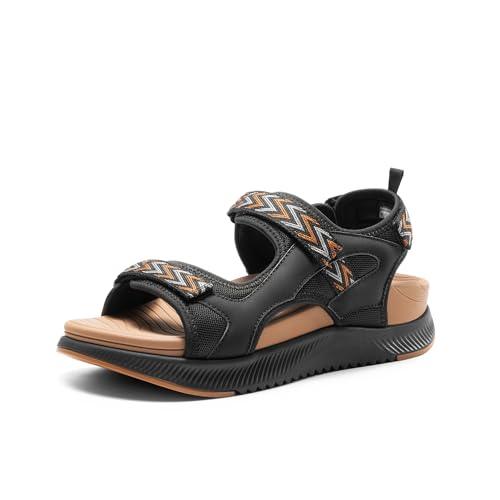
This orthopedic sandal has a useful mix of an open toe, adjustable straps, arch support, and a raised platform sole. Those features matter when arthritis makes the knee feel stiff or sensitive to impact. The straps can help you fine-tune the fit instead of forcing your foot into one fixed shape. I also like the platform design because it may create a more even feel under the foot than a very thin, hard sandal.
The design suits casual walking, warm-weather errands, and daily wear. Its open shape allows air to move around the toes, which can feel pleasant on hot days. The extra height may appeal to shoppers who dislike flat soles, but it can also change how the foot meets the ground. For arthritic knees, I would begin with short walks and check whether the sole feels stable before using this pair for a full day.
Pros:
- Adjustable straps allow a more personal fit
- Arch support may reduce strain from a flat foot position
- Open-toe design improves airflow in warm weather
- Platform sole adds cushioning and a little lift
- Casual style works with many summer outfits
- Useful choice for shoppers who need room to fine-tune fit
Cons:
- Platform height may feel less natural to people who prefer low soles
- Open sandals offer less protection from dust, stones, and cool weather
- Shoppers should check the size chart before ordering
How It May Help Arthritic Knees
Arthritic knee pain often becomes worse when a shoe feels unstable or sends a sharp jolt up the leg. A supportive sandal cannot remove that joint pain, but it can improve the way the foot feels during a step. An adjustable upper may keep the heel and midfoot from sliding around. That secure feeling can make normal walking feel less demanding.
The arch area also deserves attention. If the foot rolls inward too much, the knee may not track in a comfortable line. Arch support can help guide the foot, although the right amount varies from person to person. I never treat an advertised support feature as a guarantee; I use comfort, balance, and walking response as the final test.
Fit and Comfort Notes
Adjustable straps are one of the strongest features in this design. Feet may swell during the day, after a long walk, or in hot weather. A strap that loosens slightly can help prevent pressure across the toes and upper foot. A strap that tightens can reduce movement when the sandal feels too loose.
Try the sandals indoors on a clean floor first. Stand still, take slow steps, and turn in both directions. Your heel should stay reasonably secure, and your toes should not grip the sole to keep the shoe in place. If the platform feels wobbly, or if the knee hurts more after a short test, stop and reassess the fit.
Walking Performance
This style is best for light to moderate walking on smooth ground. Think sidewalks, stores, patios, and paved paths. The platform sole may feel more forgiving than a paper-thin fashion sandal, but product photos cannot confirm the exact level of shock absorption. I would not assume that a casual orthopedic sandal has the same control as a medical walking shoe.
For a person with mild knee stiffness, the sandal may be a practical warm-weather option. For severe arthritis, recent surgery, major swelling, or poor balance, a closed shoe with a firm heel counter may be safer. The sandal also may not suit steep trails or wet surfaces unless the tread proves reliable. In short, it is a comfort-focused choice for daily life, not a technical hiking shoe.
Who Should Consider This Sandal?
I would consider this pair for someone who wants a summer sandal with more structure than a basic flip-flop. It may suit a shopper with mild knee discomfort, a wider range of foot shapes, or a need to adjust the fit during the day. The open toe can also help people who dislike tight toe boxes. However, people with balance issues should take special care with the platform height.
It may also work well for someone who values style. Some supportive shoes look overly clinical, while this design keeps a more casual, outfit-friendly appearance. That matters because the best sandals for arthritic knees are sandals you will actually wear. A supportive pair left in the closet cannot help your daily walking routine.
Orthopedic Wide Sandals With Arch Support

This wide orthopedic sandal combines a strappy upper, arch support, an ankle strap, and a low wedge-style platform. The wider shape may give the toes more breathing room than a narrow summer shoe. That can be valuable when joint pain, bunions, or foot swelling make tight footwear hard to tolerate. The ankle strap also adds a layer of security for shoppers who do not like loose slip-on sandals.
The design looks suited to casual use, travel, beach settings, and everyday summer outfits. A wedge can offer a small amount of lift while keeping the sole flatter than a high heel. I see this as a balance between a flat sandal and a dressier platform. As with any wedge, test it slowly because even a modest change in height can affect comfort for a sensitive knee.
Pros:
- Wide shape may provide more room around the toes
- Ankle strap helps improve security during normal walking
- Arch support may feel better than a completely flat footbed
- Low wedge profile offers a little lift without a tall heel
- Strappy style works for casual and vacation outfits
- Open construction helps keep feet cooler in summer
Cons:
- Wide sizing may feel loose on a narrow foot
- Wedge soles may not suit shoppers who need a very low shoe
- Several straps may take longer to adjust than a simple slide
Why the Wide Fit Matters
A cramped sandal can press on the toes and make every step feel tense. When the toes cannot spread or relax, the foot may feel less stable. A wide sandal gives the forefoot more space, though “wide” does not mean the same thing for every brand. I recommend measuring both feet and comparing those measurements with the seller’s chart before ordering.
Remember that extra width should not let the foot swim from side to side. Your heel should remain within the rear of the footbed, and your toes should not hang over the front. The ankle strap should hold the sandal in place without leaving deep marks. A good fit feels secure, not restrictive.
Support for Daily Activity
This pair has several details that can make a daily sandal feel more supportive. The arch area gives the middle of the foot a defined place to rest. The ankle strap may reduce forward sliding, especially when walking faster. The wedge platform may also keep the foot from sitting directly against a hard, thin sole.
These benefits are useful, but they are not the same as treatment for knee arthritis. Support needs differ with foot shape, gait, weight, and the severity of joint disease. If you use orthotics, ask a foot specialist whether the sandal can work with them. Many sandals cannot hold a removable insert, so this point deserves a check before purchase.
Warm-Weather Use
The open-toe design makes this sandal a natural choice for summer. It may work for a short beach stroll, a patio meal, a shopping trip, or a relaxed vacation day. The ankle strap is especially helpful when you want the ease of a sandal without the loose feel of a flip-flop. I still suggest keeping a closed, supportive shoe available for long walks.
Be careful on wet floors and uneven ground. Open sandals can collect sand, and a wet foot may slide more easily across a smooth footbed. The product listing should be checked for current material, size, and care details because online specifications can change. Let the sandals dry fully after exposure to water or heavy sweat.
Who Should Consider This Sandal?
This model may suit women who need extra forefoot room and prefer an ankle strap. It is a strong candidate for mild to moderate daily knee discomfort when the wearer also wants a polished summer look. The wide shape may help people who dislike narrow straps over the toes. It may also be useful for people whose feet swell during warm weather.
I would be more cautious if you have a narrow foot, poor balance, or pain that increases with any raised heel. In those cases, a low, stable walking shoe may be a better choice. Still, among the best sandals for arthritic knees, a wide adjustable style can offer a welcome mix of space, support, and easy wear.
Comparing the Two Sandals
Both sandals aim to improve comfort over a basic flat sandal, but they serve slightly different needs. The first pair focuses on adjustable straps and a platform shape. The second pair emphasizes a wide fit, an ankle strap, and a low wedge look. Your best choice depends on what bothers you most: pressure, loose fit, lack of arch support, or a completely flat sole.
If you want more control over the fit, start with the first sandal. If your toes need extra room, the wide sandal deserves closer attention. Neither pair should cause rubbing, numbness, sharp pain, or a feeling that your knee is twisting. Comfort should improve as you walk, not fade after five minutes.
What I Look For in Sandals for Knee Arthritis
When I review footwear for sore knees, I do not focus on style alone. I look at how the shoe holds the foot, how much the sole bends, and whether the base feels steady. I also consider whether a person can put it on without bending deeply or fighting a stiff closure. These small details matter when arthritis affects the knees, hips, hands, or back at the same time.
A useful sandal should have a footbed that feels supportive but not hard. It should bend near the toes rather than fold in the middle. The heel should not slide with every step, and the upper should not rub the skin. I also prefer adjustable straps because feet change during the day.
Cushioning Versus Stability
Soft cushioning feels pleasant at first, but softer is not always better. A very squishy sole may make the foot work harder to stay balanced. That extra movement can feel tiring during a long day. I prefer moderate cushioning with a stable base for knee-sensitive walking.
Look for a sandal that sits level when placed on a flat surface. Press the sole with your hand, then bend it gently. A little flex near the toes is helpful, while a sole that twists easily may feel unstable. These simple checks do not replace a walking test, but they can reveal obvious concerns.
Arch Support and Knee Alignment
Arch support is a common search term for people shopping for sandals for arthritic knees. The arch does not directly cushion the knee, but foot position can affect the path of the leg during walking. A supportive footbed may help some people feel more aligned. Others may find a firm arch uncomfortable, especially if they have a high arch or a sensitive sole.
Start with short wear periods. If you feel mild pressure that fades as you adjust, the sandal may be acceptable. If you feel a sharp spot, burning, or new pain in the foot, ankle, or knee, remove it. Do not force your body to adapt to a support feature that feels wrong.
Straps, Heel Hold, and Easy Entry
Straps should do three jobs. They should hold the foot in place, avoid rubbing, and allow small fit changes. An ankle strap can improve heel control, while an adjustable front strap can make room for swelling. A slip-on may be easy to wear, but it can encourage toe gripping if it does not stay secure.
People with stiff fingers may want to check the closures carefully. A hook-and-loop strap may be easier than a small buckle. If you need help putting on shoes, ask another person to test the closure with you. Ease of use is part of comfort, especially for daily wear.
Heel Height and Knee Comfort
Many shoppers assume that a flat sandal is always best for sore knees. That is not true for everyone. An extremely flat sole may place strain on the foot or calf, while a high heel can move the body forward and increase pressure around the knee. A low, stable platform often feels like a sensible middle ground.
The right height depends on your gait and health needs. A person who walks well in a small wedge may prefer it over a flat sole. Someone with balance problems may need the lowest, widest base available. Test both sandals on a firm indoor floor before wearing them outside.
How to Choose the Right Size
Measure your feet at the end of the day. Feet often become slightly larger after hours of standing. Wear the socks or hosiery you plan to use, although many summer sandals are worn barefoot. Measure both feet and choose the size that fits the larger foot.
Check the heel, arch, and toe areas. The heel should not hang off the back. The toes should not extend beyond the front or press against the upper. Leave enough space for normal movement, but not so much that the foot slides on each step.
Breaking In New Sandals
Do not wear new sandals for an all-day outing on the first try. Wear them indoors for 15 to 30 minutes. Check for red marks, hot spots, rubbing, or increased knee pain. Then add time slowly over the next few days.
Keep a bandage nearby during the first few wears. If a strap rubs, adjust it before the skin becomes sore. Never use pain as proof that a sandal is “breaking in.” A small amount of new-shoe awareness is normal, but strong pain is a warning.
Care and Longevity
Clean the upper according to the care instructions. Wipe away grit because sand and dirt can act like small blades under the foot. Allow the sandals to air dry away from strong heat, which can damage adhesives or change the shape of the sole.
Inspect the tread every few weeks during heavy use. Replace sandals when the sole becomes smooth, uneven, cracked, or tilted to one side. A worn sole can change your step and reduce stability. Even the best sandals for arthritic knees lose value when the base no longer supports a steady gait.
Common Mistakes to Avoid
The first mistake is choosing a sandal by appearance alone. A pretty strap cannot make up for a poor fit. The second mistake is assuming that every orthopedic label means the same level of support. Read the details, study the photos, and use the return policy wisely.
Another mistake is wearing sandals for terrain they cannot handle. A casual open-toe sandal may be fine on a smooth sidewalk but poor on loose gravel. Finally, do not ignore new swelling, locking, giving way, or severe pain. Those symptoms deserve professional medical attention.
My Recommendation
I recommend the first orthopedic sandal for shoppers who want adjustable straps, arch support, and a platform sole in a casual design. It may be the better match for feet that change size during the day or need careful strap control. The second wide orthopedic sandal is my pick for shoppers who need more toe room and prefer an ankle strap with a low wedge shape. Both can be useful options when searching for the best sandals for arthritic knees, but fit and walking stability should decide the final choice.
For mild knee stiffness, either pair may offer more comfort than an unsupportive flip-flop. For swelling, compare the strap placement and choose the design that leaves no pressure marks. For balance concerns, select the sandal with the most stable feel rather than the most stylish height. Prices, colors, sizes, and stock can change, so check the current Amazon listing before buying.
| Best for | Why |
|---|---|
| Adjustable everyday fit | The first sandal uses adjustable straps to help manage normal changes in foot width and swelling. |
| Wide forefoot comfort | The second sandal may give toes more room while its ankle strap helps keep the foot secure. |
| Warm-weather casual wear | Both designs offer open construction, arch support, and a more structured feel than basic flat sandals. |
FAQs Of Best Sandals for Arthritic Knees
What features should I seek in sandals for arthritic knees?
Look for a stable sole, moderate cushioning, useful arch support, a roomy toe area, and adjustable straps. A secure heel can also reduce sliding and toe gripping. Choose the features that match your foot shape and walking needs.
Are flat sandals good for knee arthritis?
Some people like a low, flat sandal, but an extremely thin sole may not provide enough comfort or stability. A low platform or gentle wedge may feel better for some users. Test the sandal slowly and stop if knee pain increases.
Can sandals cure arthritis knee pain?
No. Sandals cannot cure arthritis or repair a damaged joint. Supportive footwear may improve comfort during walking, but ongoing pain, swelling, locking, or weakness should be assessed by a qualified health professional.
Should I choose a wide sandal?
Choose a wide sandal if narrow straps press on your toes or if your feet swell. Make sure the shoe still holds the heel and midfoot securely. Extra width should create comfort, not side-to-side slipping.
How long should I wear new supportive sandals at first?
Start with about 15 to 30 minutes indoors. Check your skin, feet, ankles, and knees after wearing them. Increase use gradually only when the fit feels secure and pain does not increase.
Final Verdict: Which Should You Buy?
The first orthopedic sandal is the best overall pick for adjustable comfort and daily use. Choose the wide orthopedic sandal if toe room and ankle security matter most.
The best sandals for arthritic knees should feel stable, roomy, and easy to adjust. Check fit, walk slowly at first, and review current Amazon details before ordering.

Madison Clark is a footwear expert and the voice behind MyStyleGrid.com. She specializes in honest shoe reviews, style tips, and practical guides to help readers find the perfect pair for any occasion. With years of experience in blogging and content creation, Madison makes footwear knowledge simple, stylish, and easy to follow.