The best sandals for feet that hurt combine soft cushioning, steady arch support, a secure fit, and a non-slip sole.
After a long day, even a short walk to the kitchen can feel like a test. Sore arches, heel pain, bunions, and tired toes can make summer shoes hard to enjoy. The right sandals should feel like a gentle bridge between comfort and support. I looked for pairs with useful footbed shape, easy fit, grip, and enough cushion for daily wear. These picks cover walks, beach days, recovery time, errands, and indoor use. They cannot cure a foot problem, but they may help reduce pressure when the fit is right.
Bravover Orthopedic Walking Sandals
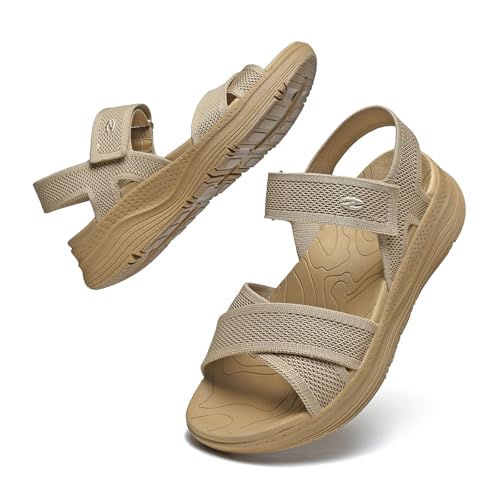
Bravover’s orthopedic walking sandals focus on the needs that matter most during daily walks. The design includes arch support to help hold the foot in a more balanced position. A cushioned base can make hard pavement feel less harsh under the heel and forefoot. The open style also lets air move around the foot on warm days.
I see this pair as a practical choice for errands, travel, and casual outdoor use. The walking profile offers more support than a flat fashion sandal, while the adjustable fit can help keep the foot from sliding. That matters because loose sandals often make the toes grip the footbed. People with sore arches should still begin with short wear sessions and check for pressure points.
Pros:
- Arch support helps reduce the feel of a flat footbed
- Cushioned sole adds comfort on firm floors
- Walking design suits errands and light daily activity
- Open construction improves airflow in warm weather
- Adjustable fit may help limit foot movement inside the sandal
- Orthopedic shape offers more structure than basic flip-flops
Cons:
- May feel too structured for people who prefer very soft sandals
- Fit can vary by foot width and instep height
- Not a replacement for custom orthotics or medical care
Evshine Yoga Mat Thong Sandals

Evshine’s yoga mat thong sandals are made for shoppers who want a soft, light pair for relaxed days. The foam-like footbed is designed to feel gentle beneath the sole. Its simple flip-flop shape makes it easy to slide on after a shower, at the pool, or around the house. The white and khaki color mix also gives the sandals a clean summer look.
This pair may suit mild foot soreness better than severe arch or heel pain. It has the easy comfort many people want from a casual sandal, but a thong design does not hold the foot as securely as an ankle strap. I would choose it for short walks, beach use, and quick trips rather than long city walks. If your toes or arches hurt easily, compare the softness with the amount of support you need.
Pros:
- Soft yoga-mat style footbed feels pleasant under bare feet
- Lightweight design is easy to pack for travel
- Simple thong style slips on in seconds
- Open construction helps keep feet cool
- Casual colors work with shorts, dresses, and beach clothing
- Useful for home, poolside, and short summer outings
Cons:
- Thong straps may rub between sensitive toes
- Less heel and ankle security than a strapped walking sandal
- May not provide enough arch support for plantar fascia pain
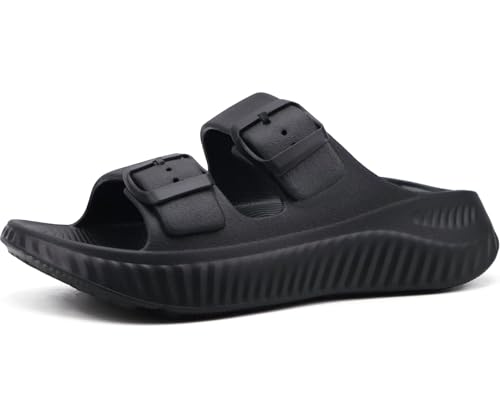
KuaiLu Arch Support Slide Sandals

KuaiLu’s arch support slides are built for fast comfort at home and beyond. The broad upper helps the sandal stay in place without the pressure of a toe post. A contoured footbed gives the arch a clear point of support, which can feel helpful after hours in flat shoes. The thick sole also creates a buffer between sore feet and hard floors.
Slides work well when you need a shoe that is simple but more supportive than a bedroom slipper. I like this style for recovery after work, quick errands, and indoor standing. Since the heel is open, it may not feel secure during fast walking or uneven trail use. Wearers with plantar fasciitis should look for a stable fit and avoid walking in any sandal that makes the toes claw.
Pros:
- Contoured arch area supports the middle of the foot
- Wide slide upper avoids pressure from a toe thong
- Thick cushion helps soften contact with hard floors
- Easy slip-on style saves time during busy routines
- Useful as a recovery sandal after work or exercise
- Open design allows quick drying and airflow
Cons:
- Open heel gives less security on slopes and long walks
- Raised arch may take time to get used to
- Slides can move if the upper does not match your foot width
KuaiLu Orthotic Fashion Slides

This KuaiLu model adds a more polished look to the familiar recovery slide. Its orthotic-style footbed is shaped to support the arch and cushion the step. The thick base may help absorb some of the shock that travels through the heel on tile, concrete, or wood floors. The tan and beige look is easy to wear with casual outfits.
I would consider this pair for shoppers who want comfort without a strictly athletic appearance. It can work for home recovery, casual shopping, and light walking when the fit feels stable. The slide format remains less secure than a sandal with a back strap, so I would not use it for steep trails or fast exercise. As with any strong arch shape, the best comfort depends on whether the curve matches your foot.
Pros:
- Orthotic-style footbed gives the arch more shape
- Thick cushioned sole helps soften each step
- Fashion look works with everyday casual clothing
- Slip-on design is convenient for indoor recovery
- Light construction is easy to wear around the home
- Open upper promotes airflow during warm weather
Cons:
- Open heel limits security during active walking
- Firm arch shape may not suit every foot
- Thick soles can feel bulky to people who prefer low sandals
shevalues Orthopedic Recovery Flip-Flops

shevalues combines the relaxed feel of a flip-flop with a more shaped footbed. The arch support is the main reason to consider this pair over a flat rubber sandal. A recovery-focused sole can give tired feet a softer place to land after a long day. The open design keeps the shoe cool and simple for warm-weather use.
This style may appeal to people who enjoy flip-flops but want more structure. I would use it for short walks, casual home wear, and post-workout recovery. The toe post can still bother people with bunions, sensitive skin, or irritation between the toes. It is wise to test the straps indoors before wearing the sandals for a full day.
Pros:
- Arch support offers more structure than a flat flip-flop
- Recovery design suits tired feet after daily activity
- Open upper keeps feet cool in hot weather
- Flip-flop shape makes the pair easy to put on
- Light feel works well for home and casual use
- Footbed may help reduce the harsh feel of hard floors
Cons:
- Toe post may irritate sensitive skin
- Not as secure as an ankle-strap walking sandal
- May not meet the needs of severe foot conditions
shevalues EVA Arch Support Beach Slides

These shevalues beach slides use an EVA-style build for a light and easy feel. EVA is common in casual footwear because it can provide soft cushioning without adding much weight. The medium arch support gives the footbed more shape than a basic beach slide. The simple design also makes this pair useful near water, at home, or for quick outdoor tasks.
I like EVA sandals when convenience matters as much as style. They are easy to wipe clean and can be useful after a shower or at the pool. The support is likely better for mild soreness than for a complex foot issue, and an open slide will not lock the heel in place. Check the sole grip before using them on wet surfaces, since water and smooth flooring can still create a slip risk.
Pros:
- Light EVA build feels easy on tired legs
- Medium arch support adds useful footbed shape
- Simple surface is easy to clean
- Good choice for beach, pool, shower, and home use
- Slip-on design makes quick changes convenient
- Soft material can feel gentle during casual wear
Cons:
- Open slide design offers limited heel control
- Medium support may be too mild for some users
- Wet floors still require careful steps
UBFEN Hiking Water Sport Sandals

UBFEN takes a more active approach to comfortable summer footwear. The hiking and water-sport design is made for people who need more coverage and security than a flip-flop provides. Arch support can help the sandal feel more stable during walks, while the closed and open sections offer a useful balance of protection and airflow. Its outdoor shape suits trails, parks, boating, and travel.
This is one of the stronger choices for active users with tired feet. A secure sandal can reduce unwanted movement, which may help prevent the toes from working too hard to hold the shoe. I would still check the fit around the heel, toes, and instep before a long hike. Water sandals can dry at different speeds, so allow them to air out after wet use to help control odor.
Pros:
- More secure design suits walking and outdoor activity
- Arch support helps add structure on longer outings
- Water-sport shape works for beaches, boats, and wet paths
- More coverage helps shield parts of the foot from rough ground
- Outdoor sole is more suitable for uneven surfaces than a flat slide
- Brown color hides some dust from trail use
Cons:
- More coverage may feel warmer than an open sandal
- Outdoor construction can feel heavier than a recovery slide
- Needs careful sizing around the heel and instep
HMWEB Massage Slippers and Slides

HMWEB massage slippers are designed for indoor comfort, showers, gyms, and everyday recovery. The textured footbed can create a massage-like feel beneath the feet as you walk. That raised texture may feel pleasant to some users and too strong to others, especially during the first few wears. The open-toe design keeps the sandal airy and makes it easy to rinse.
I would place this pair in the home and shower category rather than the long-walk category. It can be useful when feet feel tired after standing, and the non-slip indoor focus adds confidence around wet areas. However, textured massage bumps do not replace true arch control or medical treatment. Start with short wear periods if your soles are tender, numb, or prone to blisters.
Pros:
- Textured footbed creates a massage-like walking sensation
- Useful for shower, bath, gym, and house wear
- Open toe allows airflow and quick rinsing
- Indoor non-slip focus suits wet home surfaces
- Easy slide-on style works well during recovery time
- Available for women and men who want a shared house sandal
Cons:
- Raised texture may feel uncomfortable on sensitive soles
- Not the best choice for long outdoor walks
- Massage bumps do not equal clinical arch support
Aoowoll Quick-Dry Shower Slides
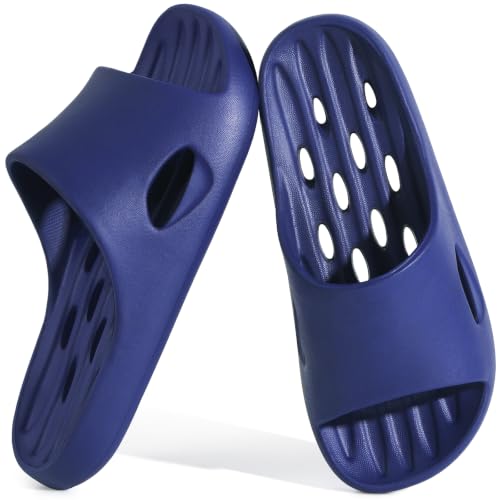
Aoowoll shower slides are aimed at wet areas where grip and fast drying matter. The quick-dry format can be handy for shared showers, locker rooms, pools, and beach trips. A roomy slide shape allows fast on-and-off use and may be comfortable for swollen feet. The blue color gives the pair a simple, sporty look.
This is not my first choice for serious arch pain, but it can solve a different comfort problem. Wet floors, damp shoes, and tight straps can make feet feel worse, so a light shower slide has a clear role. I would use it for brief periods and avoid treating it as a daily walking shoe. Confirm the US size conversion carefully, since the listed size uses an EU measurement.
Pros:
- Quick-dry design suits showers and pool areas
- Non-slip focus helps improve confidence on wet floors
- Roomy slide shape may suit feet that swell
- Unisex design works for shared household use
- Easy to rinse after beach or gym use
- Light construction is convenient for travel bags
Cons:
- Limited arch support for long-term foot pain
- Open heel reduces stability during outdoor walks
- EU sizing requires extra care before ordering
YESWIN Adjustable Orthotic Walking Sandals
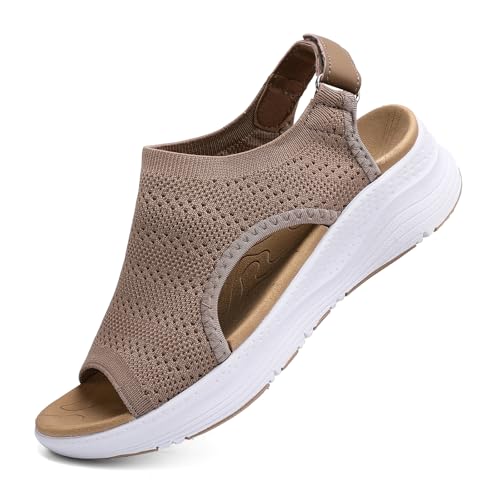
YESWIN’s walking sandals bring together arch support, an ankle strap, and a non-slip outdoor design. The adjustable straps can help create a closer fit than a loose slide. That extra control is useful when walking on sidewalks, boardwalks, or packed paths. The open toe keeps the style ready for summer while allowing more room for natural toe movement.
I would recommend this type of sandal to anyone who wants support for daily walking but does not want a closed shoe. The ankle strap can help reduce heel lift, and the footbed shape may feel more supportive than a thin fashion sole. Still, straps must sit flat and should never pinch a bunion or swollen area. Break them in slowly, especially before a vacation that involves many miles.
Pros:
- Adjustable ankle strap improves fit and walking control
- Orthotic-style footbed offers useful arch structure
- Non-slip sole suits casual outdoor use
- Open toe design helps keep feet cool
- Walking shape works for travel, errands, and beach days
- More secure than a loose flip-flop or basic slide
Cons:
- Multiple straps may take longer to adjust
- Straps can rub if the fit is not set correctly
- May require a break-in period before all-day wear
My Recommendation
Choosing the best sandals for feet that hurt starts with the kind of pain and activity you face. For daily walks, I favor the Bravover orthopedic walking sandals or the YESWIN adjustable walking sandals because both focus on support and a more secure fit. YESWIN is especially useful when heel control matters, while Bravover offers a simple orthopedic walking option.
For indoor recovery, the KuaiLu arch support slides and KuaiLu orthotic fashion slides are strong choices. They provide easy slip-on comfort with a shaped footbed. The fashion model is a better match for people who want a sandal that can move from the house to casual errands.
For beaches, showers, and wet spaces, the shevalues EVA slides and Aoowoll shower slides make more sense. They are light and easy to rinse. The UBFEN pair is the better outdoor choice when you need water use, hiking support, and more foot coverage.
People with mild soreness may enjoy the Evshine yoga mat thong sandals or shevalues recovery flip-flops. Both are more relaxed, but neither offers the same hold as a strapped sandal. HMWEB massage slippers are best for short indoor use when a textured footbed feels soothing.
No sandal can diagnose or fix foot pain. The American College of Foot and Ankle Surgeons advises people to seek professional care when pain is severe, persistent, or linked with swelling, numbness, injury, or trouble walking. A foot specialist can assess issues such as plantar fasciitis, arthritis, tendon problems, or nerve pain. I also recommend checking the return policy and trying new sandals indoors first.
| Best for | Why |
|---|---|
| Daily walking and errands | Bravover and YESWIN offer arch support with a more secure walking fit. |
| Home recovery and tired arches | KuaiLu slides provide cushioning, shaped support, and quick slip-on use. |
| Beach, shower, and water use | shevalues and Aoowoll models are light, simple, and easy to rinse. |
How I Chose the Best Sandals for Feet That Hurt
Comfort is not just about a soft sole. A pillow can feel soft, but it cannot guide your foot or keep it steady. I judge supportive sandals by looking at several parts at once: arch shape, heel control, cushioning, strap placement, sole grip, weight, and the activity the sandal is meant to handle.
I also look at the difference between support and marketing language. A label that says “orthopedic” does not prove that a sandal will suit every foot. Feet vary in arch height, width, toe shape, and pressure points. The best sandals for feet that hurt are the ones that match the wearer, not simply the ones with the longest product name.
Arch support
A shaped arch area can help spread pressure across more of the foot. It may also reduce the feeling that the entire sole is sinking into a flat shoe. The support should meet your arch without creating a sharp lump. If the curve feels painful after a few minutes, the sandal may have the wrong shape for you.
Cushion and shock control
Cushion helps soften the step, but very soft is not always best. A footbed that collapses too much can make the foot work harder to stay stable. I prefer a balanced feel: enough give for comfort, with enough firmness to keep the sole from wobbling. Thick soles may help on concrete, but they must still feel stable.
Fit and foot hold
A sandal should hold the foot without squeezing it. Your heel should not hang off the back, and your toes should not spill over the front. Straps should stay flat and should not rub across bunions, blisters, or sensitive skin. Adjustable straps are helpful because feet can swell during heat, travel, or long periods of standing.
Grip and sole design
Good grip matters more when feet hurt. A slip can cause a sudden twist and add new pain to an already sore foot. Look for a sole with visible tread and use extra care on wet tile. Even a sandal marked non-slip cannot remove every risk from water, soap, oil, or uneven ground.
Weight and flexibility
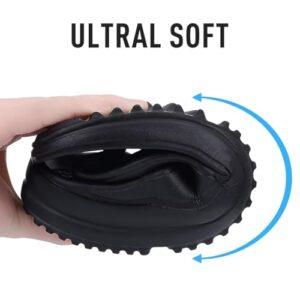
Heavy sandals can tire the legs, while overly flexible sandals may lack support. A useful walking sandal should bend near the toe area but should not fold in half through the arch. A light pair is often best for travel and home use. An outdoor sandal can be slightly heavier if it gives better grip and foot control.
Which Sandal Features Help Common Foot Problems?
Different types of foot pain need different features. Heel pain often feels worse after rest or long standing. Arch pain may become more noticeable after walking in flat shoes. Toe pain can increase when straps press on the front of the foot. Since pain has many causes, I avoid calling any sandal a cure.
For plantar fasciitis
People with plantar fasciitis often look for arch support and heel cushioning. A stable footbed may feel better than a thin, flat sole. A secure heel fit can also limit sliding inside the sandal. Start with short walks, and stop if the sandal increases pain rather than easing pressure.
For heel pain
Heel cushioning can make hard surfaces feel less punishing. A slightly raised heel may feel comfortable for some people, but the best height depends on the cause of pain. Avoid sandals that let the heel strike the ground without any cushion. If heel pain continues, a podiatric exam is more useful than simply buying softer shoes.
For bunions
Bunions need room at the front of the sandal. Avoid narrow straps that press across the big-toe joint. Open-toe styles can help, but the edge of the footbed should not rub the bunion. Adjustable straps are useful because they let you create space without making the entire sandal loose.
For wide or swollen feet
A broad, adjustable upper is often more comfortable than a fixed strap. Slides may work at home, while an adjustable walking sandal gives better control outside. Shop later in the day if your feet tend to swell. This can help you choose a size that feels comfortable during normal daily use.
For tired feet after standing
Recovery slides can feel good after work, cooking, shopping, or exercise. Look for a footbed with cushion and moderate support. A textured massage sole may feel pleasant, but it can bother tender feet. The right pair should relax the foot rather than make it fight the shoe.
How to Get the Right Fit
Measure both feet because one foot is often slightly larger than the other. Use the larger foot when choosing a size. Check the length from the heel to the longest toe, and leave a small amount of space at the front. Your foot should sit inside the footbed without hanging over any edge.
Next, check width and strap pressure. Walk on a clean indoor floor for several minutes. Notice whether the heel slips, the toes grip, or the arch feels poked. Look for red marks after removing the sandals. A small mark may show that the strap needs adjustment, while lasting pain signals a poor match.
Do not judge a new sandal by standing still for ten seconds. Walk, turn, climb a few steps, and sit down. Try the sandals at the time of day when your feet are usually largest. If you use custom inserts, confirm that the sandal has enough room and a footbed that can accept them.
How to Break In Supportive Sandals
Even comfortable sandals can need a short adjustment period. Wear them indoors for 15 to 30 minutes on the first day. Add time slowly if your feet feel fine. Do not begin with a full day of sightseeing, a long hike, or a beach trip.
Pay attention to hot spots. A hot spot is an area that feels like it may become a blister. Change shoes before the skin breaks. You can also adjust straps, wear thin socks when suitable, or use a protective bandage. Never ignore sharp arch pain, numbness, or increasing heel pain.
Sandals Versus Flip-Flops for Sore Feet
Flip-flops are easy and cool, but many have little arch support or heel control. The toe post also makes the toes work to keep the shoe attached. That may be fine for a short trip to the mailbox. It may not be enough for a full day of walking.
Supportive sandals usually hold the foot better. They may include a contoured footbed, a wider upper, or an ankle strap. This can reduce sliding and improve confidence on outdoor surfaces. Still, a supportive sandal must fit well; a poor fit can cause pain even when the footbed looks impressive.
Care Tips for Comfortable Summer Sandals
Clean sandals after beach, pool, or sweaty use. Follow the care instructions for the material. Many EVA styles can be wiped with mild soap and water, but strong heat may warp foam. Let wet sandals dry in a shaded, well-ventilated place.
Check the sole from time to time. Tread can wear down, especially if you walk on rough pavement. Replace sandals when the footbed becomes uneven, the sole loses grip, or the support feels compressed. Worn footwear can change how pressure moves through the foot.
Rotate between two pairs when possible. This gives each pair time to dry and lets your feet use slightly different support patterns. It also helps you notice which sandals truly reduce discomfort. Keep the pair that feels good after real use, not only the pair that looks best in the box.
FAQs Of Best Sandals for Feet That Hurt
What are the best sandals for feet that hurt?
The best choice depends on the pain and activity. For daily walking, I would start with Bravover or YESWIN because they offer support and a more secure fit. For home recovery, KuaiLu slides are practical and easy to wear.
Are arch support sandals good for plantar fasciitis?
They may help some people feel less strain, especially when the sandal also has cushioning and a stable fit. They do not treat every cause of heel pain. Stop wearing a pair that increases symptoms, and seek medical advice for ongoing or severe pain.
Are flip-flops bad for sore feet?
Not always, but many flat flip-flops offer little support and make the toes grip the shoe. A supportive flip-flop can be better for short use. For long walks, a sandal with adjustable straps usually gives better control.
Should sandals be soft or firm?
A balanced footbed is usually more useful than an extremely soft one. Cushion can reduce harsh impact, while moderate firmness can improve stability. Choose the feel that supports your foot without creating pressure under the arch.
When should I see a foot specialist?
Seek care for severe pain, sudden injury, swelling, numbness, open wounds, or pain that does not improve. A specialist can identify the cause and suggest treatment. Comfortable sandals are helpful footwear, but they are not a substitute for an exam.
Final Verdict: Which Should You Buy?
For most daily needs, I would choose the YESWIN adjustable walking sandals. They combine arch support, ankle control, and a non-slip outdoor design. The Bravover pair is a close choice for simple orthopedic walking comfort.
The best sandals for feet that hurt should match your foot, routine, and pain level. Start slowly, check the fit, and choose support over looks when comfort matters most.
Madison Clark is a footwear expert and the voice behind MyStyleGrid.com. She specializes in honest shoe reviews, style tips, and practical guides to help readers find the perfect pair for any occasion. With years of experience in blogging and content creation, Madison makes footwear knowledge simple, stylish, and easy to follow.