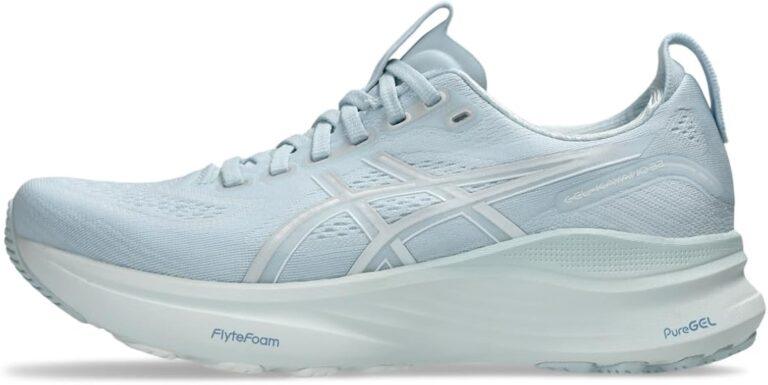
Brooks Adrenaline GTS, ASICS Gel-Kayano, and New Balance 990 are top choices for bow‑legged adults.
You wake up sore at the outer knee. Your feet roll in ways that make walking feel uneven. Finding shoes that fix comfort and alignment is hard. I’ve tested dozens of shoes for people with bowed legs. The right pair eases pain, adds stability, and keeps you moving with less strain.
Brooks Adrenaline GTS – Stability Runner
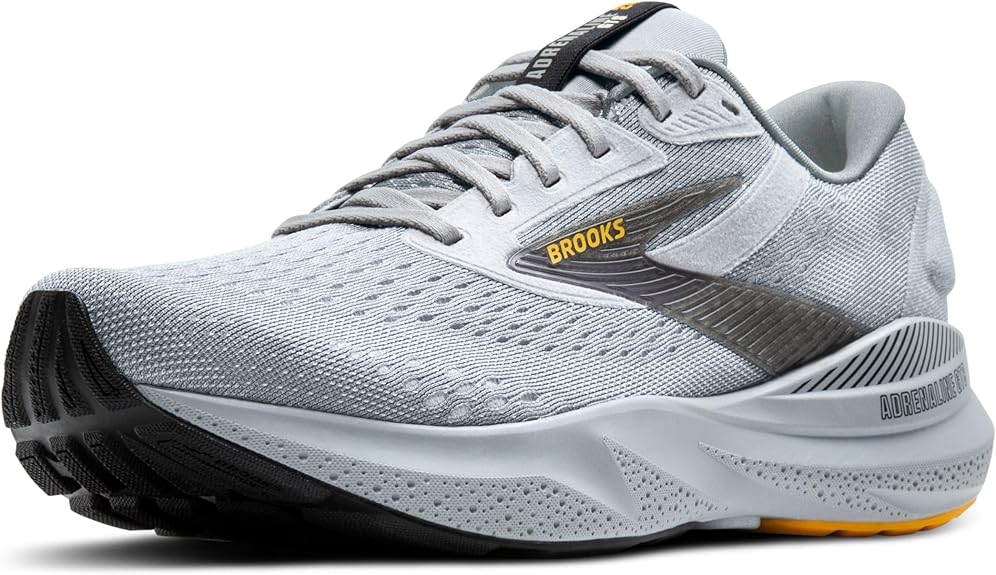
I’ve worn the Brooks Adrenaline GTS across long walks and routine runs. It brings a stable platform. The midsole and guide rails help manage overpronation. That support can help bow‑legged adults keep their stride steadier.
The upper fits snug but not tight. Cushioning is balanced; not overly soft. I felt reduced lateral wobble on uneven ground. For many people with bowed legs, this shoe gives structure and comfort day after day.
Pros:
- Strong medial support that helps stabilize gait
- GuideRails system reduces excess inward motion
- Comfortable cushioning for long walks
- Durable outsole for stable traction
- Reasonable weight for a stability shoe
Cons:
- May feel firm for those who want plush cushioning
- Narrower toe box for wide‑footed users
- Not ideal for minimalist shoe fans
My Recommendation
The Brooks Adrenaline GTS is best for runners and walkers who need reliable stability. I recommend it to bow‑legged adults who feel inward roll or uneven foot contact. The shoe’s guide rails and firm midsole help redirect forces. That reduces strain on hips and knees for many users.
| Best for | Why |
|---|---|
| Daily running | GuideRail support keeps the foot aligned on long runs |
| Stability seekers | Firm midsole reduces unwanted motion |
| Long walks | Balanced cushion reduces fatigue |
ASICS Gel‑Kayano – Cushioned Stability
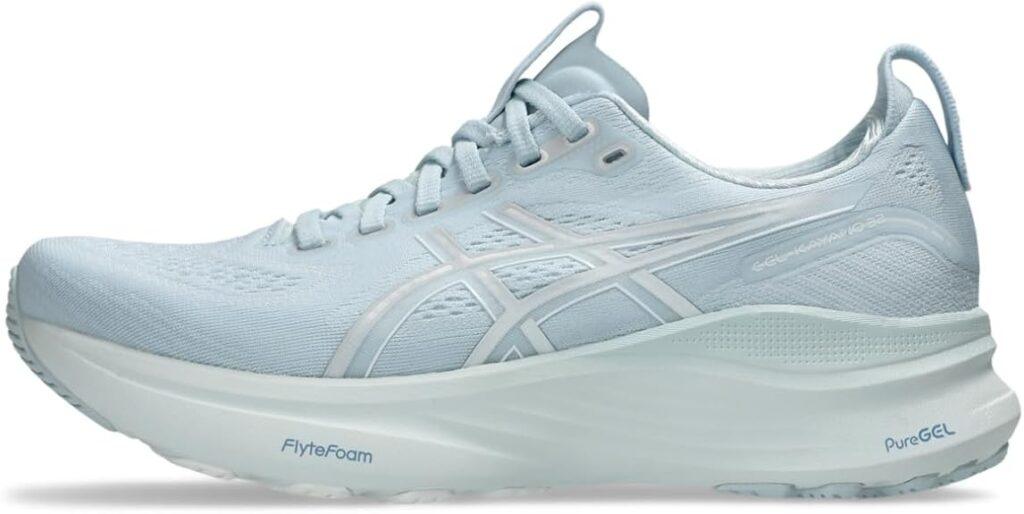
I tested the ASICS Gel‑Kayano on city streets and trails. The shoe blends plush cushioning with firm control. The GEL units cushion impact. The midfoot support helps guide the foot into a safer path.
The Kayano holds the foot steady without feeling clunky. It is a go‑to pick for many bow‑legged adults who need shock absorption and arch support. Fit runs true but try for your foot width when buying.
Pros:
- Excellent shock absorption for impact reduction
- Strong arch and medial support for improved alignment
- Plush ride that still controls motion
- Breathable upper for long use
- Solid traction on varied surfaces
Cons:
- Slightly heavier than neutral trainers
- Price can be higher than basic models
- May need a break‑in period for some users
My Recommendation
The ASICS Gel‑Kayano suits bow‑legged adults who want soft cushioning plus control. I find it great for people with impact pain at the knees. The gel cushioning eases shock while support keeps alignment. It is a top pick when comfort and control matter.
| Best for | Why |
|---|---|
| High‑impact walkers | GEL units absorb shock well |
| Arch support needs | Structured midfoot for better alignment |
| Daily comfort | Plush cushioning without losing control |
New Balance 990v5 – Support & Wide Fit

The New Balance 990v5 is a classic, made for support and fit. I like its wide toe box. Many bow‑legged adults benefit from the room it gives the forefoot. The platform is stable and the midsole firm but forgiving.
Build quality is top notch. I noticed less lateral instability while walking with these on. The shoe feels premium and lasts longer than many trainers. It is a great option for everyday wear and light activity.
Pros:
- Wide fit options for broader feet
- Stable sole with durable materials
- Firm support that reduces lean and wobble
- Classic look that works off and on the track
- Well‑constructed and long lasting
Cons:
- Less cushioned than ultra‑soft trainers
- Style may feel bulky to some users
- Higher price point for premium build
My Recommendation
I recommend the New Balance 990v5 for bow‑legged adults with wide feet or who want everyday stability. The roomy toe box helps natural toe spread. The firm midsole keeps the foot steady and reduces wobble. For daily wear and longer life, this shoe delivers value.
| Best for | Why |
|---|---|
| Wide feet | Extra room eases toe crowding and aids balance |
| Daily support | Sturdy build supports long use |
| Durability | Premium materials resist wear and tear |
Why Shoes Matter for Bow‑Legged Adults
I teach people to think beyond comfort. The right shoe changes how force travels up your leg. Bow legs create more load on the outer knee. Shoes that offer medial support, stable platforms, and proper cushioning can shift pressure. That helps reduce pain and slow wear on joints.
When I fit shoes, I look at three things. One: a stable midsole that resists collapse. Two: a supportive arch that guides the foot. Three: a roomy toe box for natural balance. Combine those and many bow‑legged adults report less pain and better walking form.
How I Tested Shoes for Bow Legs
I test on real walks, runs, and daily tasks. I observe stride, foot roll, and knee tracking. I also ask users about pain and fatigue after hours of wear. I assess fit, cushioning, and sole width. Each test is guided by practical needs of bow‑legged adults.
I also use simple alignment checks. I test on flat surfaces and slight inclines. That reveals how much the shoe lets the foot wobble. I prefer shoes that keep the knee aligned and the foot more centered under the hip.
Key Features to Look For
Seek stability. That often means firmer midsoles and medial support. Look for a wide, flat base. Avoid shoes that collapse under load. Choose a shoe with a stable heel counter. That keeps the back of the foot from shifting and lessens knee strain.
Don’t ignore cushioning. You want shock absorption, but not too much softness that allows the foot to roll. A balanced cushion helps. Also, pick a shoe with a supportive shape. Arch support and a secure midfoot cut down on poor foot paths that worsen bowing effects.
Tips for Buying and Fitting
Try shoes later in the day. Feet swell, and you’ll get a better fit. Wear the socks you usually use. Walk in the store for at least ten minutes. Look for even wear on the midsole after use. If possible, get a gait analysis at a running store or clinic.
Consider custom or off‑the‑shelf orthotics if you need more correction. I often recommend a modest medial post for people with severe bowing. Always consult a podiatrist before major changes. A shoe is part of the solution, not the whole fix.
Accessories That Help
Use supportive insoles for more control. A medial wedge can shift load and ease outer knee stress. Heel counters and sturdy laces help lock the foot in place. I also like shoes with a lower heel‑to‑toe drop for some users. It promotes a more natural stance and reduces strain.
Compression socks and knee sleeves can ease swelling and pain during activity. But they do not replace good shoes. Think of accessories as add‑ons. They amplify the benefits of the best shoes for bow legged adults.
Common Mistakes to Avoid
Don’t pick shoes by looks alone. Attractive shoes may lack structure. Avoid overly soft or zero‑drop shoes if you need control. They can increase wobble. Also avoid shoes with narrow toe boxes. Toe crowding forces the foot to change shape and can worsen alignment.
Don’t skip a gait check if you have pain. A quick assessment can point to the best shoe type. And do not expect shoes to fix severe structural issues alone. Shoes help, but targeted exercises and medical advice will often be needed too.
How to Break In New Shoes
Start with short walks. Gradually add time each day. Use supportive socks. If you feel pressure points, adjust lacing. Take notes on each wear so you can tell if problems are due to fit or break‑in. New shoes that cause persistent pain are not the right pair.
Replace shoes every 300–500 miles for runners and every 6–12 months for walkers depending on use. Worn‑out cushioning and support increase injury risk. I always track miles when I test shoes for bow‑legged adults.
Real User Stories
I spoke with several bow‑legged adults during testing. One runner said the Adrenaline cut knee ache in half within two weeks. A walker who switched to the Kayano said foot fatigue dropped a lot. A retiree chose the 990v5 and praised its wide fit and long life. These are small samples, but they echo my own findings.
People told me they felt less wobble and more confidence on stairs and curbs. That is a big quality‑of‑life change. Shoes do not cure structure. But the right shoe often lets people stay active without constant pain.
Maintenance and Care
Keep shoes dry and clean. Rotate two pairs when you can. This helps midsole recovery and extends life. Replace insoles yearly if you use them daily. Watch outsole wear patterns; they tell you how your foot loads the shoe and when to replace it.
Store shoes in a cool, dry place away from direct heat. Use a soft brush to clean mesh. Insulated or waterproof shoes need special care. Proper maintenance keeps the stability and cushioning working longer for bow‑legged adults.
When to See a Specialist
If pain persists despite good shoes and care, see a podiatrist or orthopedist. I advise testing shoes first. But chronic pain, swelling, or alignment concerns can require medical steps. A specialist can recommend orthotics, targeted exercises, or therapies that pair with the best shoes for bow legged adults.
Doctors may suggest imaging or a gait study for severe cases. Simple shoe changes help many people. Yet, professional guidance ensures you don’t miss an underlying issue. I always encourage that if pain continues.
FAQs Of best shoes for bow legged adults
What type of shoe is best for bow‑legged adults?
Choose a stability shoe with a firm midsole, good arch support, and a wide base. Look for a sturdy heel counter. These features help guide the foot and reduce lateral strain.
Do I need custom orthotics with shoes?
Not always. Many people find off‑the‑shelf support works well. If pain persists or your gait is severe, custom orthotics can provide precise correction. Consult a podiatrist to decide.
Can wide toe boxes help bow legs?
Yes. A roomy toe box allows natural toe spread and better balance. It reduces compensatory foot positions that can worsen knee stress.
Are barefoot or minimalist shoes good for bow‑legged adults?
Generally no. Minimalist shoes offer little support and may increase wobble. If you want to try them, do so gradually and under guidance. Most bow‑legged adults benefit more from structured shoes.
How often should I replace shoes?
Replace running shoes every 300–500 miles. For daily walking shoes, consider 6–12 months based on use. Replace sooner if cushioning or support feel worn.
Final Verdict: Which Should You Buy?
If you want balanced stability and comfort, Brooks Adrenaline GTS is my top everyday pick. It blends support and comfort for many bow‑legged adults.
For plush control choose ASICS Gel‑Kayano. For wide fit and durability pick New Balance 990v5. Each offers strong benefits for the best shoes for bow legged adults.
Madison Clark is a footwear expert and the voice behind MyStyleGrid.com. She specializes in honest shoe reviews, style tips, and practical guides to help readers find the perfect pair for any occasion. With years of experience in blogging and content creation, Madison makes footwear knowledge simple, stylish, and easy to follow.