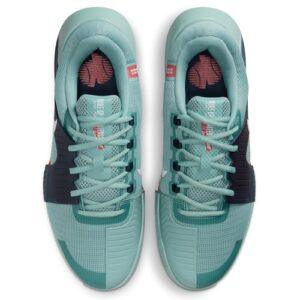
The best ski boots for big calves combine a roomy cuff, easy entry, strong support, and a fit you can adjust.
If ski boots leave red marks on your legs, feel hard to close, or make your feet go numb, the problem may be the cuff rather than your ski socks. Bigger calves need room at the top of the boot, but the shell must still hold your heel and ankle firmly. I reviewed these current 2026 options with that balance in mind. They include comfort-focused women’s boots, high-volume models, easy-entry designs, and a stiffer option for advanced skiers. The right pair should feel like a firm handshake, not a clamp.
Rossignol Kelia 50 Ski Boots

The Rossignol Kelia 50 is a friendly downhill boot for women who want comfort without giving up basic control. Its softer flex feels less demanding than a race-style boot. That makes it a sensible choice for new skiers, casual resort trips, and anyone who spends long hours on groomed runs. The cuff is also less intimidating for skiers who find tall, stiff boots tight around the calf.
I like this model for its simple approach to ski boot fit. A softer boot can be easier to buckle over a larger lower leg, especially when you use thin ski socks and adjust the buckles in small steps. It will not offer the same power as a stiff all-mountain boot, but that is part of its appeal. For many recreational skiers, relaxed comfort creates better balance and more time on the snow.
Pros:
- Soft flex feels comfortable for beginner and casual skiers
- Less demanding cuff for fuller calves
- Women-specific shape supports a natural stance
- Simple buckles make daily adjustments easy
- Good choice for groomed resort terrain
- Comfort-focused design helps reduce leg fatigue
Cons:
- May feel too soft for aggressive or very fast skiers
- Not the best match for frequent off-piste use
- Available fit and size options can vary by seller
My Recommendation
I recommend the Rossignol Kelia 50 for beginner and intermediate women who need a forgiving boot with a less forceful cuff. It is especially useful if standard women’s ski boots pinch your calves or feel too rigid to close comfortably. Measure your foot and lower-leg width before ordering, because a roomy cuff cannot fix the wrong shell size. Among the best ski boots for big calves, this is a practical comfort pick when easy skiing matters more than maximum edge power.
K2 BFC 80 Men’s Ski Boots
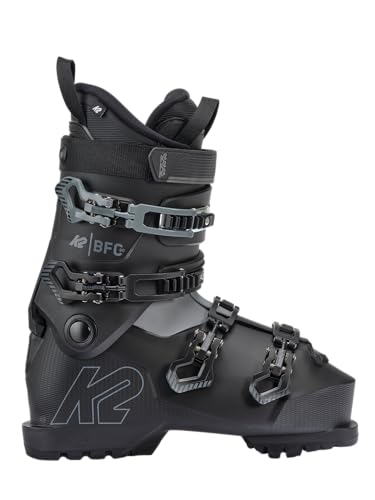
The K2 BFC 80 is built around a comfort-first fit for men who want more space than a narrow performance boot provides. “BFC” stands for Big Foot Comfort, and the design aims to make the boot easier to wear and less cramped. Its 80 flex rating gives it more support than a very soft beginner boot while keeping the ride approachable. The high-volume shape can help skiers with broad feet, thicker ankles, or larger calves.
This boot stands out when you want a supportive shell that does not feel like a locked box. The wide stance and forgiving flex suit resort skiing, light cruising, and steady progression. I would still check the cuff position and calf height, since leg shape varies widely even among skiers with the same foot size. A proper shell check is more useful than relying on the label alone.
Pros:
- Comfort-oriented high-volume fit
- 80 flex offers a useful balance of comfort and control
- Roomy interior helps reduce pressure on wider feet
- Good option for men with larger calves
- Approachable for beginner and intermediate skiers
- Works well for long resort days
Cons:
- May lack power for expert-level aggressive turns
- Roomy fit can feel loose on narrow feet
- Large listed sizes may not suit every foot shape
My Recommendation
I recommend the K2 BFC 80 for men who want one of the most comfort-focused choices in this group. It suits a recreational skier who needs extra room but still wants enough flex for controlled turns on groomed trails. It is also a strong choice for skiers who dislike painful buckles and cramped toes. If your foot is narrow, ask a boot fitter about volume before buying, since too much space can reduce heel hold.
Rossignol Kelia 50 Ski Boots, Alternate Size
This Rossignol Kelia 50 listing uses the same comfort-minded boot family but a different Amazon size listing. That matters because fit is personal, and the best ski boots for big calves still need the correct foot length. The model uses a softer, more forgiving feel that works well for relaxed resort skiing. Its design is less likely to punish a new skier who is still learning how to flex forward.
For fuller calves, a softer women’s boot can be easier to close without forcing the upper cuff into the leg. I would begin with the loosest buckle setting, then tighten only after standing in a ski stance. Do not size up just to gain calf room, because extra length can cause heel lift and cold toes. If the shell fits your foot but the cuff does not, a shop can often adjust the cuff more safely than a larger size can.
Pros:
- Comfortable flex for easy resort skiing
- Suitable for many beginner and intermediate women
- Less harsh feel around the lower leg
- Easy to compare with other Kelia size listings
- Good value for a recreational ski boot
- Supports a relaxed, upright learning stance
Cons:
- Not designed for high-speed expert skiing
- Soft flex may feel underpowered on hard snow
- Exact size availability depends on the listing
My Recommendation
This Kelia 50 listing is best for women who have already identified the right Rossignol size and want a gentle, comfortable boot. It makes sense for short trips, first seasons, and skiers who value a warm, low-stress fit. I would choose it over a stiff boot if calf pressure is the main reason you stop skiing early. Always compare the seller’s size chart with your measured mondo size before checkout.
Rossignol EVO 70 HV+ Ski Boots

The Rossignol EVO 70 HV+ is one of the more interesting options for skiers who need extra space without moving to a very soft beginner boot. The “HV” name points to a higher-volume fit, which may help around the forefoot, ankle, and lower leg. Its 70 flex rating keeps the boot manageable for developing skiers. The design is well suited to resort use and steady all-mountain progress.
I would consider this boot when a standard-volume shell feels tight but a wide comfort boot feels too loose. The moderate flex gives a little more response than a basic entry-level model while remaining forgiving. It may work for big calves when the cuff shape matches the leg and the buckle position does not sit on a pressure point. Fit depends on calf height, muscle shape, and sock thickness, so try the boots indoors before using them on snow.
Pros:
- Higher-volume design gives more room than many standard boots
- 70 flex supports controlled progression
- Good middle ground between comfort and response
- Useful for wider feet and fuller lower legs
- Unisex design can suit different recreational skiers
- Practical choice for resort and light all-mountain use
Cons:
- May still need cuff adjustment for very large calves
- Not stiff enough for demanding expert skiing
- High volume can reduce precision on narrow feet
My Recommendation
The Rossignol EVO 70 HV+ is best for intermediate skiers who need a roomier shell but still want a stable platform. I especially like it for someone moving beyond first-day boots and seeking better control on blue and easy black runs. It is a strong candidate for the best ski boots for big calves when foot width and calf comfort must work together. Choose it if you want more structure than the Kelia 50 but less demand than a high-flex performance boot.
Rossignol Kelia 50 Comfort Ski Boots
This third Kelia 50 listing offers another buying path for the same easygoing women’s boot. That can be helpful when sizes, colors, or prices differ across Amazon listings. The boot’s soft feel is suitable for skiers who want to move with less effort. It can also be a better match for people who find a rigid cuff uncomfortable around the calf.
In my view, the main benefit is not simply extra room. It is the calmer feel that lets a skier relax the lower leg instead of fighting the boot. That can improve comfort during lift rides and long beginner lessons. I would pair it with a thin, smooth ski sock, since thick socks often create more calf pressure and cold spots rather than solving fit problems.
Pros:
- Gentle flex suits relaxed skiing
- Comfortable choice for many new women skiers
- Less intimidating than a race or freeride boot
- May reduce pressure at the upper cuff
- Easy to use for resort rental replacement
- Multiple listings may make size shopping easier
Cons:
- Limited power for advanced technique
- Soft shell may feel less precise on firm snow
- Duplicate listings can make size comparison confusing
My Recommendation
I recommend this listing for a beginner or casual woman skier who wants comfort first and needs to compare available sizes. It is also a sensible choice for family ski trips, lessons, and low-mileage resort days. The boot will not transform into a race model, but it does not need to. For buyers seeking the best ski boots for big calves at an approachable price, this Kelia version deserves a close look if the size is correct.
Nordica Cruise S W Women’s Ski Boots
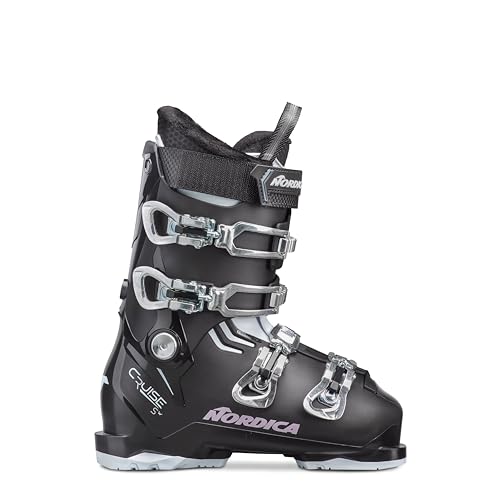
The Nordica Cruise S W is designed for women who want a comfort fit for all-mountain resort skiing. Its name signals a relaxed approach, with space and ease taking priority over an ultra-tight race fit. The boot can appeal to skiers with wider feet, thicker ankles, or calves that do not fit well in narrow cuffs. It is a good option for someone who wants to cruise with less foot fatigue.
Nordica’s comfort-focused shape is useful for long days when the boot must feel supportive but not punishing. I would look closely at the cuff height and buckle reach if your calves are especially full. A boot that feels roomy at the foot may still need a professional cuff adjustment. When fitted well, this type of design can help a skier stay warm, balanced, and focused on turns instead of pressure points.
Pros:
- Comfort-fit shape supports wider feet
- Good match for women’s recreational all-mountain skiing
- Roomier feel can help fuller ankles and calves
- Comfortable for long resort days
- Approachable flex for developing technique
- Useful alternative to narrow race-style boots
Cons:
- May not provide enough precision for expert skiers
- Specific size listings may sell out quickly
- Very narrow feet may need extra heel support
My Recommendation
The Nordica Cruise S W is best for women who want a comfortable all-mountain boot rather than a basic beginner boot. I would choose it for regular resort use, especially when the skier spends full days on the hill. It may be a better fit than the Kelia 50 for someone who wants a little more all-mountain purpose. Check the size carefully, and consider a boot fitter if calf pressure remains after normal buckle adjustment.
Rossignol EVO 70 HV+ Comfort Fit
This EVO 70 HV+ listing gives shoppers another way to find Rossignol’s higher-volume boot in the desired size. The shell is aimed at skiers who need more room than a low-volume performance model provides. A moderate flex keeps the boot comfortable while still giving useful support for linked turns. It is a versatile choice for adults who ski a few times each season or are building confidence.
The key point for big calves is the boot’s overall volume, not just the word “wide.” Calf fit comes from the upper cuff, liner, buckle placement, and the skier’s leg shape. I suggest standing in the boot for at least 15 minutes with a ski stance before deciding. The liner may feel firm at first, but pressure should never become sharp, numb, or painful.
Pros:
- High-volume build gives useful interior space
- Moderate flex works for many intermediate skiers
- More supportive than a very soft comfort boot
- Good for wider feet and fuller lower legs
- Works for groomers and mild all-mountain terrain
- Several listings can improve size availability
Cons:
- May need heat molding or cuff work for a precise fit
- Not ideal for racers or powerful expert skiers
- Can feel loose if the skier has a narrow heel
My Recommendation
I recommend this EVO 70 HV+ option for the skier who wants comfort but still cares about steering accuracy. It is one of the better choices here for moving from beginner runs into regular blue-run and easy black-run skiing. It fits the needs of many people searching for the best ski boots for big calves because it starts with more room. Buy it when you want a balanced boot, not a plush boot with very little response.
K2 BFC 80 Men’s Ski Boots, 2025
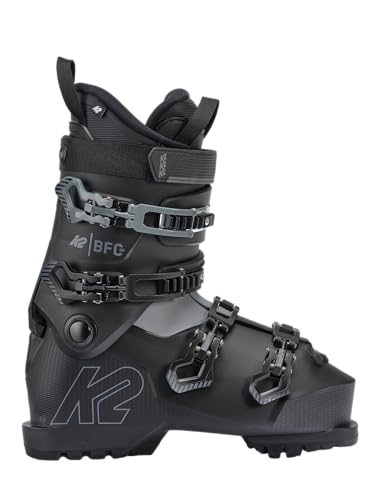
The 2025 K2 BFC 80 remains a strong comfort pick for men who need a generous fit. The BFC platform is designed to make entry and wear less stressful than a tight performance shell. Its 80 flex rating gives a recreational skier enough support for controlled turns without demanding race-level strength. The listed 27.5 size makes this particular offer worth checking for shoppers who need that exact mondo size.
For larger calves, easy entry is more than a luxury. It means you can put the boots on without forcing the leg into a narrow opening. Once buckled, the boot should hold the heel while allowing natural ankle flex. I would not assume that the 2025 label changes the fit of every size, so check the seller details, return terms, and current measurements before ordering.
Pros:
- High-volume comfort design
- Easy-going flex suits recreational men skiers
- Roomy feel can help reduce calf and forefoot pressure
- Useful support for groomed and mild all-mountain runs
- Good option for skiers who struggle with tight shells
- Exact size listing can simplify shopping
Cons:
- May feel too forgiving for aggressive skiing
- Specific 27.5 listing may not fit every shopper
- Wider shape can reduce precision on slim feet
My Recommendation
This 2025 K2 BFC 80 is best for a man who wants a roomy, supportive, and easy-to-wear resort boot in size 27.5. It is a smart pick for casual skiing, ski vacations, and people who value comfort over maximum speed. I would select it over a narrow boot when calf pressure and difficult entry are the main problems. Confirm the size and return policy because Amazon inventory can change between listings.
Nordica HF Pro 110 Ski Boots

The Nordica HF Pro 110 is the performance choice in this review. Its 110 flex is much stiffer than the comfort models, so it targets strong intermediate and advanced men who want direct power transfer. The easy-entry design can make the boot simpler to put on than many stiff alpine boots. It is listed in a medium fit, which means it may suit a calf that needs an easier opening but does not need a very wide foot shell.
This boot proves that a skier with big calves does not always need a soft boot. The better question is whether the cuff, stance, and shell shape match the leg. A strong skier may prefer the firm support of this model, but I would not buy it only because the entry feels easy. Stiff boots expose poor fit quickly, and a boot fitter may need to adjust the cuff or liner for all-day comfort.
Pros:
- 110 flex gives strong edge-to-edge response
- Easy-entry design helps with putting the boots on
- Good choice for advanced resort skiers
- Firm platform supports powerful turns
- Medium fit may suit average-width feet
- More performance than the softer boots in this review
Cons:
- Too stiff for many beginners and light skiers
- Medium fit may not provide enough calf or foot room
- Usually needs careful professional fitting
- Less forgiving when the size or stance is wrong
My Recommendation
I recommend the Nordica HF Pro 110 for an experienced male skier who wants a stiff, precise boot and needs easier entry. It is not my first pick for someone whose only goal is maximum calf room. Instead, it suits a powerful skier whose calf issue comes from a difficult cuff opening rather than an oversized lower leg. If it fits correctly, it offers the best control here; if it does not, the comfort cost can be high.
Rossignol EVO 70 HV+ All-Mountain Boot
This EVO 70 HV+ listing is another current buying option for the same higher-volume Rossignol platform. The boot is designed for a skier who needs space but still wants a clear connection to the ski. Its moderate flex is not extreme, so it remains approachable for most recreational adults. The higher-volume shape is the main feature for shoppers dealing with wide feet, thick ankles, or calf pressure.
I see this model as a dependable middle lane. It is not as gentle as the Kelia 50, and it is not as demanding as the Nordica HF Pro 110. That middle ground often works well for adults who ski several weekends each winter. As with every wide boot, avoid overtightening the buckles to compensate for a poor foot fit; the correct shell size and a secure heel matter more than brute force.
Pros:
- Roomier HV shape supports comfort around the leg
- 70 flex gives usable control for progressing skiers
- Balanced choice for resort all-mountain use
- Less demanding than a high-flex performance boot
- More structured than many soft beginner models
- Good fit category for wider adult feet
Cons:
- May need a shop adjustment for unusual calf shapes
- Not intended for expert-level high-speed charging
- Can feel too roomy without a proper heel fit
My Recommendation
This EVO 70 HV+ listing is best for an adult skier who wants a forgiving all-mountain boot with extra volume. I would suggest it for people who have outgrown rental boots but do not want a harsh, narrow shell. It is one of the best ski boots for big calves for a mixed group because the design is not limited to one narrow skill level. Check the listing size, then plan a careful indoor fit before taking it to the mountain.
| Best for | Why |
|---|---|
| Soft comfort for women beginners | Rossignol Kelia 50 offers an easy, forgiving flex and a less demanding feel. |
| Roomy fit for men | K2 BFC 80 gives men a high-volume platform with useful resort support. |
| Performance and easy entry | Nordica HF Pro 110 suits strong skiers who need firm control and easier access. |
How I Choose Ski Boots for Big Calves
Finding ski boots for big calves starts with more than looking for the word “wide.” A boot can have a roomy toe box and still pinch high on the leg. I look at cuff shape, buckle reach, flex, shell volume, liner height, and entry design. I also consider the skier’s ability, because a soft boot may feel comfortable but fail to deliver enough support.
I use mondo sizing as the starting point. Mondo size matches foot length in centimeters, but it does not describe calf size or foot volume. I measure both feet while standing and compare the result with the manufacturer’s chart. I then assess shell fit, heel hold, instep pressure, and the space around the cuff.
Good ski boots should feel snug, not painful. New liners often feel firm because they pack out with use. However, numb toes, sharp calf pain, or a burning pressure point are warning signs. A bigger size is not always the answer. A qualified boot fitter can work with cuff alignment, buckles, liners, and shell modifications in ways that a larger boot cannot.
Why Cuff Fit Matters More Than Boot Size
The cuff surrounds the lower leg and transfers your movement to the ski. If it presses too hard on the calf, you may stand too upright or avoid flexing forward. That can make turning harder and cause fatigue. If the cuff is too loose, the ski may respond late because your leg moves before the shell does.
Big calves come in many shapes. Some skiers have a low calf muscle that sits close to the ankle. Others have a high, full calf that meets the cuff quickly. The same boot can feel fine on one person and painful on another. This is why the best ski boots for big calves are not always the widest boots on a product page.
Look for a cuff that closes without forcing the buckles to their tightest setting. You should have some room for small adjustments as the day changes. Calves can swell after walking, skiing, or sitting for a long time. A cuff with useful buckle range gives you more control over that change.
High-Volume Versus Soft-Flex Ski Boots
High-volume describes interior space. Soft flex describes how easily the boot bends forward. They are not the same thing. A high-volume boot may still be stiff, and a soft boot may still feel narrow.
For many casual skiers, a high-volume boot with a moderate flex is the safest balance. The Rossignol EVO 70 HV+ and K2 BFC 80 fit this idea. They offer more room while retaining enough structure for normal resort turns. The Kelia 50 and Nordica Cruise S W focus more strongly on comfort and easy movement.
Advanced skiers may need more flex. The Nordica HF Pro 110 gives better support for fast turns and firm snow, but it demands a more exact fit. I would not choose a stiff boot to solve calf pressure unless the skier has the skill and strength to use it. Comfort is useful only when the boot also matches your technique.
How to Measure for the Best Ski Boots for Big Calves
Measure your feet at home in the afternoon, when they may be slightly larger than in the morning. Wear the thin ski socks you plan to use. Stand with your heel against a wall and measure each foot in centimeters. Use the larger foot as your main reference.
Next, measure the widest part of your calf while standing in a natural stance. Record the number in centimeters. This does not replace a boot fitting, but it gives you useful information when comparing models. Look for product details that mention high volume, comfort fit, wide fit, or easy entry.
When the boots arrive, wear them indoors. Put on the liner and shell, then stand in a normal ski stance. Keep your heel back and flex your knees slightly. The cuff should touch the leg evenly without a sharp edge or strong pinch.
Do not test ski boots with thick casual socks. Thick socks can create folds and pressure. They may also cut circulation and make the foot feel colder. A thin ski sock usually gives a better fit and lets the liner provide the warmth.
How to Stop Ski Boots From Pinching Your Calves
Start by checking the buckle position. Close the upper buckle only as much as needed to hold your leg. Many skiers over-tighten the top buckle because they want a firm feel. That can create pain without improving control.
Check your ski pants too. A bulky cuff, thick base layer, or tight pant hem can add pressure inside the boot. Pull the base layer smoothly above the boot. Keep fabric out of the shell whenever possible. The goal is a clean, flat layer between your skin and the liner.
If the cuff still hurts, ask a boot fitter about adjustment. Some boots allow cuff changes, spoiler changes, liner work, or shell expansion. Never cut or heat a shell at home unless you have the correct tools and experience. A small professional change can make a larger difference than buying a much larger boot.
Common Buying Mistakes to Avoid
The most common mistake is buying a boot that is too large. A bigger shell may feel better around the calf, but it can let the heel lift. Heel lift reduces control and can cause blisters. It may also make the skier tighten the buckles until the cuff hurts.
Another mistake is judging a boot in a straight-legged stance. Ski boots are made for a flexed position. Stand with knees bent and shins touching the tongue. This shows how the cuff feels when you actually ski.
Some shoppers also focus only on flex numbers. Flex ratings are not perfectly identical between brands. A 70 from one company may not feel exactly like a 70 from another. Treat flex as a guide, then consider your weight, strength, skill, and preferred terrain.
Finally, do not ignore return rules. Online ski boot shopping can work, but fit is personal. Keep tags and packaging until you know the boot works. Check that the listing shows the correct size, year, and model before placing the order.
Care Tips for Ski Boots With Roomy Cuffs
Dry your liners after every ski day. Remove them from the shell if the manufacturer allows it, then place them in a warm, dry room. Avoid direct heat from a heater or fireplace. Strong heat can damage foam, glue, or plastic.
Keep the buckles closed loosely during storage. This helps the shell maintain its shape without stressing the hardware. Store the boots in a dry bag, not in a wet car overnight. Cold and moisture can make the plastic stiff and increase wear.
Inspect the cuff and buckles before each trip. Look for cracks, loose screws, or damaged teeth. A roomy cuff still needs a secure closure. If a buckle slips or the shell shows damage, repair it before skiing.
Who Should Buy Each Boot?
The Rossignol Kelia 50 is the easiest match for a woman who is new to skiing or prefers a soft, calm ride. The Nordica Cruise S W is better for a woman who wants comfort with an all-mountain focus. Both can work for fuller calves, but the exact cuff fit remains important.
The K2 BFC 80 is the most natural fit for a man who needs a roomy comfort boot. It gives more space and moderate support. The Rossignol EVO 70 HV+ is a more balanced choice for men or women who want a higher-volume boot with a little more response.
The Nordica HF Pro 110 belongs with advanced skiers. Its stiff flex can reward strong technique, but it will not forgive a poor fit. Choose it for power and control, not simply because the easy-entry system sounds convenient.
FAQs Of Best Ski Boots for Big Calves
What features should I look for in ski boots for big calves?
Look for a higher-volume cuff, adjustable upper buckles, easy entry, and a liner that does not create pressure points. Also check the boot’s flex and foot volume. A wide cuff alone will not help if the shell is too long or the heel slips.
Are soft ski boots better for large calves?
Not always. A soft boot may close more easily, but calf fit depends on cuff shape and adjustment range. High-volume models such as the K2 BFC 80 and Rossignol EVO 70 HV+ can offer room with more support.
Should I buy a bigger ski boot to get more calf room?
No. A larger boot can cause heel lift, poor control, and cold feet. Buy the correct length first, then look for a cuff that fits. A boot fitter can often adjust the cuff without changing the shell length.
Can a boot fitter make ski boots fit larger calves?
Often, yes. A fitter may adjust the cuff, buckle position, liner, or shell. The available options depend on the boot’s design and plastic. Seek professional help instead of cutting or heating the shell yourself.
How tight should ski boot buckles be?
Close them firmly enough to hold your foot and leg, but do not force them to the tightest setting. You should keep some adjustment range. If you need extreme force to stop movement, the boot may be the wrong size or shape.
Final Verdict: Which Should You Buy?
For most shoppers, the Rossignol EVO 70 HV+ is the best ski boot for big calves because it balances extra volume, comfort, and useful control. Choose the K2 BFC 80 for maximum men’s comfort, the Kelia 50 for a softer women’s fit, or the Nordica HF Pro 110 for advanced performance.
Measure twice, use thin ski socks, and check the cuff before skiing. The best ski boots for big calves should support your turns without stealing your comfort.

Madison Clark is a footwear expert and the voice behind MyStyleGrid.com. She specializes in honest shoe reviews, style tips, and practical guides to help readers find the perfect pair for any occasion. With years of experience in blogging and content creation, Madison makes footwear knowledge simple, stylish, and easy to follow.