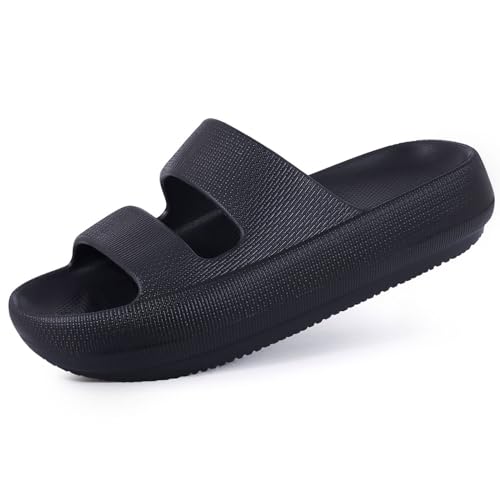
The best slide sandals for plantar fasciitis combine firm arch support, soft cushioning, a stable sole, and a secure fit.
You know the feeling: you step out of bed, walk across the floor, and your heel sends a sharp warning up your foot. Plantar fasciitis can make simple tasks feel much harder. The right slide sandal cannot cure the condition, but it can reduce strain during short walks, errands, and time at home. I reviewed these options for arch shape, cushioning, grip, fit, and daily comfort. This guide to the Best Slide Sandals For Plantar Fasciitis will help you choose a pair that supports your feet without feeling stiff or bulky.
shevalues Orthopedic Slides for Women

The shevalues orthopedic slides offer a simple slip-on design with a support-focused footbed. I like this style for women who need more structure than a flat house slipper can give. The raised arch area helps spread pressure across the foot instead of leaving the heel to take every step. The open-toe shape also gives the toes room to relax during warm days.
These sandals make sense for home use, quick shopping trips, and light daily walking. The sole appears thick enough to create a useful buffer between the foot and hard floors. Still, the fit matters a great deal with any slide, so I would check the size chart before ordering. A sandal that feels supportive but lets the heel move too much may create new strain.
Pros:
- Supportive footbed for everyday arch comfort
- Easy slip-on design for quick use
- Open toe helps improve airflow
- Cushioned base feels kinder on hard floors
- Useful choice for home, errands, and casual wear
- Light design does not feel like a heavy orthopedic shoe
Cons:
- Open slides may not feel secure during fast walking
- Arch height may feel too strong for very flat feet
- Not intended for running or demanding workouts
GPOS Men’s Sport Recovery Slides

The GPOS sport recovery slides target men who want a roomy, cushioned sandal after work or exercise. Their recovery-style build gives the foot more underfoot padding than a thin pool slide. I found the broad shape appealing for feet that feel tired or swollen by the end of the day. The arch area adds a layer of support for people who dislike completely flat sandals.
I would place these among the Best Slide Sandals For Plantar Fasciitis for casual recovery, not high-impact activity. They can work well after a walk, at the gym locker room, or around the house. The thick sole may soften the feel of tile and concrete, which often trigger heel discomfort. However, users with narrow feet should pay close attention to the fit because a loose recovery slide can shift underfoot.
Pros:
- Thick cushioning helps reduce harsh ground feel
- Sport-inspired shape suits post-workout use
- Roomy design can suit wider feet
- Arch support adds structure to a soft recovery sole
- Easy to wear after exercise or a long workday
- Open construction promotes airflow
Cons:
- Wide fit may not suit narrow feet
- Large sole can feel less nimble than a thin sandal
- Recovery slides are not a replacement for athletic shoes
HMLHML Men’s Orthotic Recovery Slides
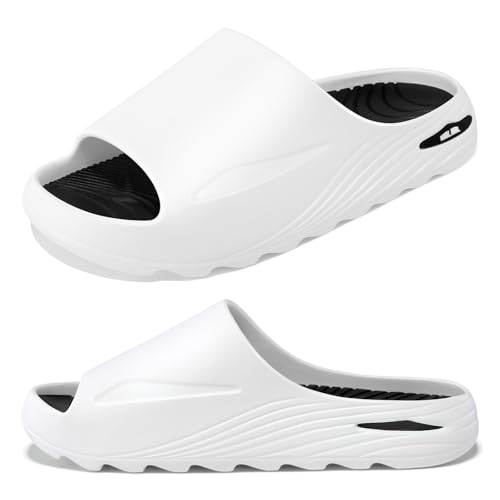
The HMLHML recovery slides use a soft, cushioned platform and an orthotic-style arch zone. This combination can feel soothing when the bottoms of the feet feel bruised or worn out. I especially like the open-toe layout for indoor wear, showers near the pool, and relaxed summer use. The simple design also makes them easy to keep near the door.
A thick cushion may help take the edge off each step, but softness alone does not equal support. The useful feature here is the balance between padding and a shaped footbed. I would recommend breaking them in with short periods of wear, since a new arch contour can feel unusual at first. Buyers should also confirm the size because a loose upper may reduce the sandal’s stability.
Pros:
- Comfortable cushioning for tired feet
- Orthotic-style arch shape supports the midfoot
- Open toe keeps the design cool
- Suitable for home and light recovery wear
- Thick sole helps separate feet from hard surfaces
- Easy slip-on construction saves time
Cons:
- Soft foam may compress with frequent heavy use
- Arch contour may require a short adjustment period
- Not designed for uneven trails or long hikes
KuaiLu Women’s Recovery Arch Slides

KuaiLu’s women’s recovery slides stand out for their curved support profile and bold green color option. The sandal has the relaxed look of a casual slide, but the footbed offers more shape than a basic flat flip-flop. That matters because a flat sole can leave the plantar fascia working harder during repeated steps. The cushioned base also helps make household floors feel less unforgiving.
I see this pair as a good fit for women who want comfort without a medical-looking shoe. It works for short walks, daily chores, travel, and time spent near a pool or patio. The wide front can give the toes space, yet some feet may slide forward if the upper does not hold firmly. For that reason, I would use these for steady walking rather than quick turns or sports.
Pros:
- Shaped arch support provides more structure than flat sandals
- Soft cushion helps ease contact with hard floors
- Bright color adds style to a practical design
- Roomy toe area supports relaxed casual wear
- Good option for errands and home use
- Simple slide design makes them easy to put on
Cons:
- Color selection may not suit every wardrobe
- Loose fit can affect stability for narrow feet
- Not a substitute for prescribed orthotics
BRONAX Thick Sole Pillow Slides

The BRONAX pillow slides focus on a thick, soft sole that feels springy under the foot. This is the pair I would consider when floor impact is the main source of discomfort. The generous platform can cushion each step around the house, while the open slide format keeps daily wear simple. The black color also works well for both men and women.
These slides feel more like comfort slippers than firm medical sandals. That can be a benefit for sore feet, but buyers who need strong arch control may want a more structured model. I would use them for indoor walking, quick outdoor tasks, and relaxed recovery time. The thick sole may also take some getting used to, especially if you prefer a low-to-the-ground sandal.
Pros:
- Very thick sole helps soften hard floor impact
- Soft pillow feel suits relaxed home wear
- Unisex design works for men and women
- Black color is easy to match
- Simple slip-on style is convenient
- Useful for post-workout and indoor recovery
Cons:
- Arch support may feel milder than orthopedic slides
- Thick sole can feel bulky to some users
- Less suitable for long outdoor walks
KuaiLu Women’s Arch Support Sandals

This KuaiLu model is built for women who want a casual sandal with visible arch support. The footbed rises under the midfoot and gives the sandal a more supportive feel than a flat beach slide. I like that balance because many people want relief without giving up a light summer look. The cushioned base adds comfort during chores and short periods of standing.
The design is best for everyday use at a moderate pace. It may help reduce the tired feeling that develops after hours on hard surfaces, although results vary from person to person. I would make sure the strap holds the foot without rubbing and avoid wearing any new sandal all day at once. With the right fit, this is a practical option for users searching for the Best Slide Sandals For Plantar Fasciitis on a casual budget.
Pros:
- Noticeable arch support for daily comfort
- Casual look works with warm-weather clothing
- Cushioned footbed supports standing and light walking
- Easy slip-on design is convenient for home use
- Open toe improves airflow
- Good choice for shoppers who want a lighter sandal
Cons:
- Arch shape may not match every foot
- Limited security compared with sandals with heel straps
- Not intended for intense exercise or long hikes
PIMIO Women’s Recovery Slides

The PIMIO recovery slides aim to help women who wake up with foot pain or feel soreness after a busy day. Their thick cushion gives the foot a soft landing, while the raised arch adds useful support beneath the middle of the foot. I find that combination helpful for indoor use, where people often walk barefoot on tile, wood, or concrete. The lightweight construction should also make the slides easy to wear for daily tasks.
A non-slip outsole is an important detail in a home recovery sandal, especially around kitchens, bathrooms, and smooth patios. Even so, grip depends on the floor, moisture, and wear on the sole. I would begin with short walks and watch for pressure points around the upper. This pair is a strong candidate for shoppers who want comfort, cushion, and a simple women’s fit in one package.
Pros:
- Thick cushion helps protect sore heels
- Arch support adds shape for indoor walking
- Lightweight feel suits long periods at home
- Non-slip sole may improve confidence on smooth floors
- Designed with morning foot discomfort in mind
- Easy to put on when feet feel stiff
Cons:
- Slip-on fit may not feel secure for fast walking
- Soft foam can show wear with heavy daily use
- Arch support may need a short break-in period
ONCAI Men’s Adjustable Orthotic Slides

The ONCAI slides bring an adjustable strap to a men’s sport sandal design. That feature matters because foot volume can change during the day, and a fixed upper may feel tight or loose. The orthotic footbed gives the arch more support than a basic pool sandal. Its open-toe shape also keeps the sandal practical for warm weather and casual outdoor use.
I consider adjustability one of this model’s best traits. A closer fit can help reduce unwanted foot movement, which is useful when plantar fasciitis makes every unstable step feel irritating. The sandal still works best for walking on level ground rather than running or rough trails. Men who want a supportive slide but need more control than a loose slip-on may find this design especially useful.
Pros:
- Adjustable strap allows a more personal fit
- Orthotic footbed gives the arch extra structure
- Open toe supports airflow in warm weather
- Sport style suits casual outdoor wear
- Can feel more secure than a loose recovery slide
- Useful for men with changing foot volume
Cons:
- Strap adjustment takes more time than a simple slip-on
- May feel firm for users who prefer a soft pillow sole
- Open sandal design offers limited protection from debris
My Recommendation
After comparing the support, cushion, fit options, and intended use, I would choose based on your main foot need. The shevalues and PIMIO models suit women who want easy home comfort with arch support. The GPOS, HMLHML, and BRONAX options work well for men or anyone who prefers a broad, cushioned recovery slide. The ONCAI is the better pick when adjustability and a more secure fit matter most.
For shoppers seeking the Best Slide Sandals For Plantar Fasciitis, I would not judge a pair by softness alone. Look for a footbed that supports the arch without causing sharp pressure, a sole that bends in a controlled way, and enough grip for your usual floors. Start with short wear sessions and stop if pain increases. If heel pain lasts, returns often, or limits normal activity, speak with a qualified health professional.
| Best for | Why |
|---|---|
| Morning and indoor foot pain | PIMIO offers thick cushioning, arch support, and a light slip-on feel. |
| Adjustable men’s fit | ONCAI uses an adjustable strap to help control movement and fit. |
| Soft recovery after work or exercise | GPOS and HMLHML provide broad, cushioned recovery-style platforms. |
How Plantar Fasciitis Changes Your Sandal Choice
Plantar fasciitis affects the thick band of tissue that runs along the bottom of the foot. That band helps support the arch and absorb force when you stand or walk. When it becomes irritated, pain often appears near the heel, especially after rest. Many people describe the first morning steps as the worst ones.
That pattern explains why a supportive slide can help at home. Bare feet have no cushion, and flat slippers may offer little arch control. Each step then acts like a small hammer on an already sore area. A well-shaped sandal can act more like a bridge, spreading load across the foot instead of placing it all under the heel.
Still, sandals do not work the same for every person. Some feet need a firm arch, while others prefer softer support. A person with a high arch may want more cushion and less direct pressure. A person with a low arch may prefer a broader, stable footbed. The Best Slide Sandals For Plantar Fasciitis should match your foot, not just a product label.
What I Look For in the Best Slide Sandals For Plantar Fasciitis
Arch Support
Arch support is the first feature I check. A useful footbed should meet the arch without digging into it. If the arch bump feels sharp within a few minutes, the shape may not suit you. Support should feel steady, like a gentle hand under the foot, rather than like a hard lump.
People with plantar fasciitis often need help managing load across the foot. A shaped footbed may reduce the need for the plantar fascia to work alone. However, no sandal can promise relief for every user. Foot shape, body weight, walking habits, and the cause of the pain all affect the result.
Cushioning and Shock Control
Cushioning matters because hard floors return force to the heel. A thicker foam sole can make tile, concrete, and wood feel less harsh. I prefer cushioning that feels soft at first contact but still gives stable support under the arch. A sole that feels like a sponge may become tiring if it lacks control.
Extra height can also change balance. Very thick slides may feel less stable on steps or uneven ground. For indoor and casual use, that trade-off may be fine. For longer walks, choose a sandal that feels planted when you move from heel to toe.
Heel Stability
A slide should stay under your foot without making you grip with your toes. Toe gripping can create extra tension through the foot and lower leg. This is one reason I pay attention to the upper width and the way the foot sits inside the sandal. Adjustable straps can improve the fit for people whose feet swell during the day.
A heel cup can also help, but many open slides use a flat rear edge. If your heel lifts with every step, the sandal may be too loose or too short. Try walking on a clean indoor floor first. The right fit should feel calm and quiet, not like you are chasing the sandal.
Outsole Grip
Plantar fasciitis already makes walking uncomfortable. Slipping adds fear and can change your natural stride. I look for an outsole with a visible tread pattern and enough rubber or traction material for the intended surface. A poolside sandal needs different grip expectations than a house slide.
No outsole stays slip-proof on every wet surface. Water, soap, oil, dust, and worn tread can reduce traction. Dry the sandal after use and replace it when the tread becomes smooth. Good care can extend comfort and improve safety.
Fit and Toe Space
Your toes should not hang over the front edge. The heel should sit inside the rear of the footbed without spilling over. The upper should hold the foot gently but should not leave red marks or numbness. If you wear socks with slides, allow room for that extra layer.
Size charts can differ across brands. I recommend measuring both feet and using the larger measurement when the sizes are close. Feet may also swell after standing, so check comfort later in the day. This small step can prevent a sandal that feels fine in the morning from becoming tight at night.
Why a Flat Flip-Flop May Make Heel Pain Worse
Flat flip-flops look easy, but many provide almost no arch support or heel cushion. They may also force the toes to grip the sole to keep the shoe in place. That action can increase fatigue during long walks. A supportive slide usually offers a better platform for indoor use and short errands.
This does not mean every flat sandal causes pain. Some people can wear one for a short time without trouble. The problem often starts when a thin sandal becomes the only shoe used all day. If your heel hurts after wearing flat shoes, switch to a more structured option and track how your feet respond.
How to Wear Recovery Slides Safely
Start with 15 to 30 minutes of wear. Walk around your home and check the heel, arch, toes, and top of the foot. Mild awareness of a new arch shape can be normal, but sharp pain is a reason to stop. Increase use slowly over several days.
Do not use a slide for running, court sports, or rough trails unless the design clearly supports that activity. A loose open sandal cannot match the control of a closed athletic shoe. Use the slides for recovery, home tasks, showers, patios, and short level walks. This approach helps you gain comfort without asking the sandal to do too much.
Keep the sole clean and inspect it often. Look for cracks, flattened foam, loose straps, or smooth tread. Worn cushioning can change how pressure moves through the foot. Replacing an old pair may cost less than dealing with months of added irritation.
Common Buying Mistakes to Avoid
Choosing the Softest Pair
Softness feels good in the first few minutes. Yet a very soft footbed may compress quickly or allow the foot to wobble. I prefer a blend of cushion and support. Think of a mattress: comfort needs a stable base beneath it.
Ignoring the Upper
A great footbed cannot fix a poor upper. If the strap rubs, the foot slides forward, or the sandal makes you curl your toes, the fit is wrong. An adjustable upper can solve some of these problems. A fixed strap may work well only when the foot shape matches the design.
Wearing New Slides All Day
Even the Best Slide Sandals For Plantar Fasciitis may feel unusual at first. Your foot must adjust to a new arch height and sole angle. Wear them for short sessions before using them for a full day. This simple habit helps you spot pressure issues early.
Expecting a Sandal to Cure the Condition
A supportive sandal may improve comfort, but it does not treat every cause of heel pain. Stretching, rest, activity changes, and professional care may also matter. The American Academy of Orthopaedic Surgeons and other clinical groups commonly recommend a wider care plan for plantar fasciitis. Seek medical advice if pain is severe, sudden, or persistent.
Care Tips to Keep Supportive Slides Comfortable
Clean the footbed with mild soap and water when needed. Avoid harsh chemicals that may damage foam or cause skin irritation. Let the sandals air dry away from strong heat. A hot car dashboard or heater can warp some materials.
Rotate between two pairs if you wear slides every day. Rotation gives each pair time to dry and helps reduce rapid compression. Store them flat so the upper does not bend out of shape. These small steps help protect the fit that supports your feet.
Are Slide Sandals Good for Plantar Fasciitis?
Supportive slide sandals can be useful for plantar fasciitis, especially at home. They give the foot more cushion and structure than bare feet or thin slippers. The best pair will feel stable and comfortable during normal walking. It should not increase pain or make you grip with your toes.
Slides are less useful for fast exercise, long hikes, or uneven paths. Their open design gives less heel control than a closed walking shoe. Use them for the task they fit best. When you need more stability, choose a supportive athletic shoe or a sandal with a back strap.
FAQs Of Best Slide Sandals For Plantar Fasciitis
What makes the Best Slide Sandals For Plantar Fasciitis?
Look for a shaped arch, useful heel cushioning, a stable sole, and a secure fit. The sandal should support your foot without creating pressure points. Good traction also matters for safe daily use.
Can I wear plantar fasciitis slides all day?
You may be able to wear them for long periods if they fit well and do not increase pain. Start with short sessions first. Stop and reassess if you notice sharp pain, numbness, rubbing, or toe gripping.
Should plantar fasciitis sandals feel firm?
They should feel supportive, not painfully hard. A firm arch can help some users, while others need a softer contour. The best feel is steady pressure that does not cause a hot spot under the arch.
Are recovery slides better than flip-flops?
Recovery slides often provide more cushion and arch shape than thin flip-flops. They also tend to offer a wider, more stable base. However, fit and foot shape still decide whether a slide works for you.
When should I see a doctor about heel pain?
Seek care if pain lasts for several weeks, becomes severe, follows an injury, or affects normal walking. Also ask for help if you have diabetes, numbness, swelling, or repeated foot problems. A clinician can check whether plantar fasciitis is the real cause.
Final Verdict: Which Should You Buy?
For most shoppers, I recommend the ONCAI for its adjustable fit and structured support. Women may prefer the shevalues or PIMIO, while GPOS and HMLHML suit cushioned recovery. The Best Slide Sandals For Plantar Fasciitis should match your foot shape and daily use.
Choose support over hype, break in slowly, and replace worn soles. These slides can make home steps and short walks feel kinder while you manage heel pain.

Madison Clark is a footwear expert and the voice behind MyStyleGrid.com. She specializes in honest shoe reviews, style tips, and practical guides to help readers find the perfect pair for any occasion. With years of experience in blogging and content creation, Madison makes footwear knowledge simple, stylish, and easy to follow.