The best steel toe boots for diabetics combine roomy fit, soft support, stable soles, and certified safety protection.
A long shift can turn a small boot problem into a serious foot issue. Tight toes, hard seams, wet socks, or poor support may cause rubbing that a person with diabetes does not feel right away. I looked for work boots that balance toe protection with comfort, fit, traction, and moisture control. These picks suit different needs, from extra-wide diabetic-friendly footwear to waterproof boots for outdoor work. Still, every foot is different, so check your feet often and ask your doctor or podiatrist about the right fit.
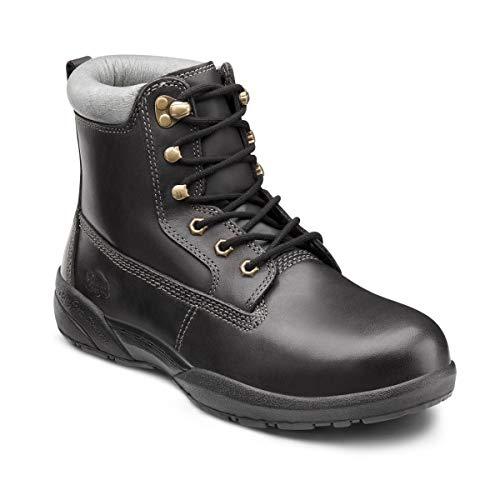
Dr. Comfort Protector Steel Toe Boots

The Dr. Comfort Protector is the most diabetic-focused option in this group. Its wide sizing gives toes more room to spread, which can help reduce pressure points during long workdays. The black upper also looks less bulky than many traditional job-site boots. I like this model for workers who need safety toe protection but do not want a stiff, narrow shoe.
This boot makes the most sense for people who already know that regular safety boots pinch their feet. A roomy toe area can be helpful when swelling changes throughout the day. The fit still needs careful checking, because extra room should never allow the heel to slide. For people with reduced sensation, I recommend wearing clean work socks and inspecting the feet after each shift.
Pros:
- Wide E/2E sizing supports a roomier fit
- Designed with diabetic foot comfort in mind
- Steel toe adds job-site protection
- Black color works with most work uniforms
- Useful choice for long standing and walking
- Room for a properly fitted medical insole
Cons:
- May feel less rugged than heavy construction boots
- Wide sizing may not suit narrow feet
- Buyers should confirm the exact size and toe-box fit
CAT Threshold Waterproof Steel Toe

The CAT Threshold is a strong all-around work boot for wet floors, rain, and outdoor jobs. Its waterproof build helps keep outside moisture away from the foot, while the steel toe protects against common impact and compression hazards. The real brown color gives it a classic work-boot look. I see it as a practical choice for workers who need one boot for many tasks.
For diabetes care, dry feet matter, but waterproof boots can also trap sweat if the lining and socks stay damp. I would pair this boot with moisture-wicking socks and allow it to dry fully between shifts. The boot should feel secure without pressing across the toes or rubbing the ankle. It is best for users who need weather protection and a sturdy sole, not for those seeking the softest medical shoe.
Pros:
- Waterproof design helps protect feet in wet work areas
- Steel toe supports workplace safety needs
- Rugged build suits outdoor and industrial work
- Classic brown finish hides normal job-site dirt
- Stable sole can help on uneven ground
- Useful year-round work boot for many trades
Cons:
- May feel warm in hot indoor work areas
- Traditional work-boot fit may need a break-in period
- Not as diabetes-specific as the Dr. Comfort model
NINGO Waterproof Side-Zip Steel Toe Boots

The NINGO combines an eight-inch work-boot shape with a side zipper. That zipper can make the boot easier to put on when bending, tying laces, or gripping small hardware is difficult. The waterproof exterior adds useful protection for outdoor work. Its tall shaft may also give the ankle a more supported feel than a low shoe.
I would consider this model for workers who want fast entry but still need a lace-up style fit. The laces let you adjust pressure around the foot, while the zipper saves time after the fit is set. Take care not to over-tighten the boot, since pressure across the top of the foot can create trouble for someone with reduced sensation. This is a useful pick for utility work, warehouse tasks, and wet conditions.
Pros:
- Side zipper makes daily entry and removal easier
- Eight-inch height offers added ankle coverage
- Waterproof design suits rainy or wet work
- Steel toe provides impact and compression protection
- Laces allow more fit control than a slip-on boot
- Good choice for workers who dislike repeated tying
Cons:
- Tall design may feel heavy for some users
- Side zipper adds another part that needs care
- Waterproof construction may reduce warm-weather breathability
CAT Outline Steel Toe Work Boot

The CAT Outline has the familiar shape of a classic industrial boot. It offers a protective steel toe without the extra features that can make some boots feel overly complex. The structured upper gives the foot a supported feel, while the work-ready sole is suited to hard indoor surfaces and outdoor ground. This model fits buyers who value a proven, simple boot design.
People with diabetes should pay close attention to the inside of this boot before wearing it for a full shift. Run a hand around the lining, toe area, and tongue to find any rough spot or fold. Wear it for short periods at first and watch for redness after removal. If the fit is wide enough and the heel stays secure, the Outline can serve well as a durable daily work boot.
Pros:
- Simple design is easy to use and maintain
- Steel toe protects against common workplace hazards
- Supportive boot shape suits demanding work
- Works for indoor shops and outdoor job sites
- Classic styling pairs well with work clothing
- May offer good long-term value for regular users
Cons:
- May require break-in time before full-shift use
- Fit may feel too firm for sensitive feet
- Check the toe box carefully before purchase
CAT Revolver Pull-On Steel Toe Boot
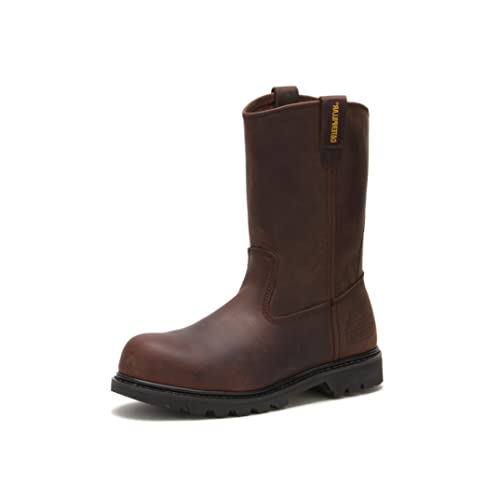
The CAT Revolver is built for workers who prefer a pull-on boot. Its wide option is important because many traditional pull-on boots can feel tight across the forefoot. Without laces, the design is quick to put on and easy to remove at the end of a long day. The brown finish gives it the look of a traditional construction boot.
A pull-on boot must hold the heel well without squeezing the toes. I would not use a loose fit as a substitute for proper support, since heel movement can cause rubbing and blisters. This boot may suit construction workers, ranch users, and others who move between indoor and outdoor tasks. If swelling is common, check the fit late in the day, when feet are often at their largest.
Pros:
- Pull-on style saves time during daily use
- Wide size helps provide more forefoot space
- Steel toe suits construction and trade work
- Classic leather boot style looks professional
- No laces to catch on equipment or require tying
- Tall shaft offers useful ankle coverage
Cons:
- Fit cannot be fine-tuned like a lace-up boot
- Pull-on entry may be hard for some users
- May feel stiff during the first few wears
CAT Drawbar Steel Toe Construction Boot
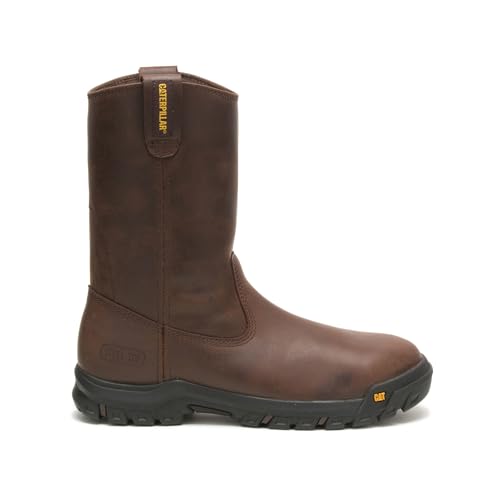
The CAT Drawbar is a compact choice for workers who want a steel toe boot with a classic construction look. Its lower visual profile may feel less imposing than an extra-tall work boot. The design targets daily job-site use and can work well for people who move often during a shift. It offers a practical blend of protection and familiar styling.
For diabetic feet, the main question is not only whether the boot feels comfortable in the store. I would test it with the same socks and insoles used at work, then check for hot spots after a short walk. The toe area should let the toes move freely, and the sole should bend in a natural place. This boot is a good match for moderate work when its shape fits the wearer well.
Pros:
- Classic work-boot shape suits many job settings
- Steel toe adds important front-foot protection
- Less tall profile may feel easier to walk in
- Useful for general construction and trade work
- Can pair with supportive work socks and insoles
- Simple design keeps daily care manageable
Cons:
- May not offer enough room for very wide feet
- Not a dedicated diabetic footwear design
- Users should inspect the lining before long wear
Furuian Pioneer Steel Toe Work Boots

The Furuian Pioneer stands out for its lightweight work-boot focus and unisex sizing. A lighter boot can reduce the effort needed during a long day of walking, lifting, or standing. It also gives shoppers an option beyond the usual heavy leather construction boot. The steel toe helps cover basic workplace protection needs while the design aims for everyday flexibility.
Light weight is helpful, but it does not replace a good fit or a stable sole. I would use this boot for work that needs frequent movement and less bulk, such as warehouse, delivery, maintenance, or light construction tasks. Check the footbed for enough cushioning and make sure the upper does not fold against the toes. Buyers with diabetes should still confirm the safety rating and workplace requirements before relying on any boot.
Pros:
- Lightweight design may reduce leg fatigue
- Available as a men’s and women’s work option
- Steel toe provides front-foot protection
- Useful for walking-heavy work shifts
- Less bulky feel than many traditional boots
- Can suit buyers who want a modern work style
Cons:
- Lightweight materials may feel less rugged
- Fit and width need careful checking
- May not suit the harshest heavy-construction work
NORTIV 8 Waterproof Steel Toe Work Boots

The NORTIV 8 Waterproof Steel Toe Work Boot is aimed at people who need protection in wet and uneven conditions. Its black look is easy to match with work clothes, and the boot shape provides more coverage than a low safety shoe. Waterproof construction can help keep rain and splash out during outdoor work. It is a practical option for landscaping, maintenance, delivery, and general labor.
I like the balance of weather coverage and everyday use, but I would pay attention to moisture inside the boot. Wet socks can create friction, so change them when needed and let the boots dry between shifts. The boot should not press the ankle or create a ridge under the tongue. For diabetic workers, the best use comes from combining the boot with careful foot checks and a smooth, well-fitting sock.
Pros:
- Waterproof build helps in rain and wet conditions
- Steel toe supports workplace impact protection
- Black color is easy to keep looking neat
- Higher boot shape offers added foot coverage
- Useful for outdoor and indoor work
- Stable profile can help on rough surfaces
Cons:
- Waterproof boots may feel warm in summer
- May need time to soften around the ankle
- Not designed specifically for diabetic foot care
CAT Second Shift Steel Toe Boot
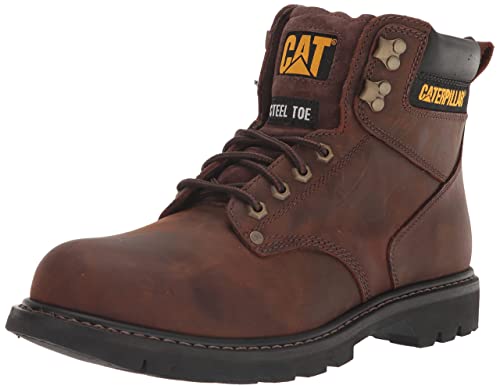
The CAT Second Shift is a familiar work boot with a wide option for shoppers who need more room. That detail matters because a narrow toe box can push the toes together and create pressure. The dark brown upper gives it a traditional look, while the lace-up design allows the wearer to adjust the fit through the day. It is a solid choice for general industrial work.
This boot can work well for people who want a dependable, no-frills pair. I would lace it so the heel stays firm but the forefoot stays relaxed. Never use extra socks to fill a boot that is too large, because folds can rub the skin. The wide version may be more suitable for diabetic feet, but each buyer should still check the actual fit, especially around the toe box and arch.
Pros:
- Wide version gives more forefoot space
- Lace-up design allows a custom adjustment
- Steel toe suits many industrial work needs
- Classic shape is easy to pair with uniforms
- Good option for daily shop or warehouse work
- Dark brown upper hides common work marks
Cons:
- May feel firm during the first few wears
- Heavy compared with lightweight safety shoes
- Requires regular lace adjustment for best fit
CAT Striver Chelsea Waterproof Steel Toe

The CAT Striver Chelsea brings a clean slip-on look to the steel toe category. Elastic side sections make it easier to enter than a fully laced boot, and the waterproof build helps during wet work. The brown finish looks less industrial than some heavy-duty models. This makes it appealing to workers who move from the job site to customer-facing spaces.
The Chelsea shape is convenient, but the boot must fit securely because it offers less adjustment than a lace-up model. I would check that the heel does not lift and that the elastic panels do not press against swollen areas. A smooth sock can help limit friction around the ankle. For the right foot shape, this boot offers a neat mix of convenience, weather protection, and steel toe safety.
Pros:
- Slip-on design makes daily use quick
- Waterproof construction helps block outside moisture
- Steel toe offers important work protection
- Clean Chelsea styling works beyond the job site
- Fewer laces mean fewer loose parts to manage
- Good option for workers who value easy entry
Cons:
- Less fit adjustment than a lace-up boot
- May not suit feet with a high instep
- Waterproof materials can feel warm indoors
How I Chose These Steel Toe Boots
Choosing the best steel toe boots for diabetics takes more than looking at the toe cap. A safe boot must also fit the foot without pressure, rubbing, or unwanted movement. I gave extra weight to roomy sizing, soft interior details, stable soles, waterproof choices, and easy entry. I also considered the type of work each boot suits.
I did not treat a “diabetic” label as a guarantee of safety. The American Diabetes Association and the Centers for Disease Control and Prevention both stress the value of daily foot care and quick attention to foot changes. A boot can support good habits, but it cannot prevent every problem. Workers with neuropathy, poor circulation, ulcers, swelling, or a past amputation should ask a health professional before choosing work footwear.
What Diabetic Workers Should Look For
A roomy toe box
Your toes should not touch the front or press against each other. A roomy toe box lets the toes rest in a natural shape. It also leaves a little space for normal swelling during a long shift. Do not confuse room with a loose fit; the heel and midfoot still need steady support.
A smooth inner lining
Turn the boot over and feel inside before wearing it. Look for rough seams, hard edges, loose threads, and folds near the toe. These small flaws can act like sandpaper against skin. This matters even more when neuropathy reduces the warning signal of pain.
Correct width and depth
Many buyers focus only on length. Width and depth can matter just as much. Measure both feet late in the day, since feet often swell after hours of work. Choose the size that fits the larger foot, and leave enough space in front of the longest toe.
Stable traction
A slip can cause a fall, a twist, or a hard impact. Look for a sole with a clear tread pattern that matches the work surface. Outdoor workers may need deeper lugs, while indoor workers may need a flatter, non-marking sole. A strong tread is useful, but it should not make the boot too stiff to walk naturally.
Moisture control
Wet skin breaks down more easily than dry skin. Waterproof boots help block outside water, but they can hold sweat inside. Wear clean moisture-wicking socks and let boots dry fully before the next shift. Never put damp feet into a boot and hope the problem will fix itself.
Safe closure
Laces offer the most fit control, while pull-on and side-zip boots offer speed. The best closure depends on your hands, mobility, and foot shape. A side zipper can help workers who have trouble bending or tying laces. A pull-on boot can be convenient, but it must fit snugly at the heel without squeezing the toes.