The best trail shoes for pronators combine steady footing, firm traction, and a secure fit without feeling stiff.
If your feet roll inward on rocky paths, a normal running shoe can feel shaky by mile two. Your arches may tire, your knees may ache, and loose ground can make each step feel less sure. I understand that frustration. The trail shoes below offer useful grip, cushioning, and foot hold for hikers and runners who pronate. Most are neutral shoes, not medical-grade stability shoes, so I focus on fit, heel control, platform width, and trail traction. Those details often matter just as much as a formal stability label.

Saucony Men’s Excursion TR14 Trail…
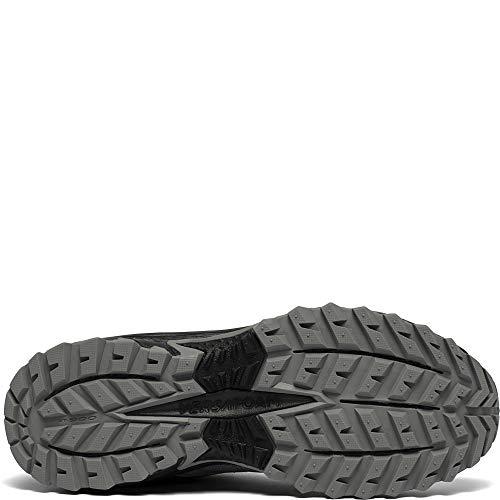
Grippy lugs on the outsole are made with carbon rubber for rock-solid footings. A moderate stack VERSARUN cushioning packs plenty of underfoot comfort no matter the destination. The trail-specific mesh…

PUMA Mens Reflect Lite Trail…
Lace closure Full length rubber outsole Rounded toe Surface type: Road running Recommended for: neutral pronators

Saucony Men’s Excursion TR15 Trail…
Rugged outsole: Grippy lugs on the outsole are made with carbon rubber for rock-solid footing. Versatile cushioning: A moderate stack VERSARUN cushioning packs plenty of underfoot comfort no matter the…
Saucony Excursion TR14 Trail Shoe

The Saucony Excursion TR14 is a simple, practical trail shoe for daily walks, light runs, and easy hiking. It uses a familiar low-cut design that feels easy to wear from the first outing. The shoe has enough cushioning for hard paths, while its trail outsole adds useful bite on dirt and gravel. For pronators, I like the stable feel that comes from its planted base and secure lace fit.
This is not a corrective motion-control shoe, so it will not force the foot into a new position. Instead, it gives the foot a steady platform and enough structure for mild inward rolling. The upper helps hold the midfoot in place, which can reduce sliding on uneven ground. I would choose it for a beginner who wants one affordable shoe for park trails, road-to-trail runs, and weekend hikes.
Pros:
- Stable feel for light pronation
- Trail outsole gives useful grip on dirt and gravel
- Cushioning feels comfortable for daily use
- Lace system helps secure the midfoot
- Versatile design works for walking and running
- Usually offers strong value for a first trail shoe
Cons:
- Not a true stability shoe for strong overpronation
- May feel basic on technical mountain trails
- Limited protection against sharp rocks
PUMA Reflect Lite Trail PTX Shoe

The PUMA Reflect Lite Trail PTX is aimed at people who want a light, casual trail runner. Its low-weight design can feel quick on packed paths and city trails. The PTX-style upper also gives it a more weather-ready look than a basic mesh shoe. I find this type of shoe useful for short trail runs when speed and easy movement matter more than heavy armor.
Pronators should pay close attention to the fit around the heel and arch. A snug fit can help the foot stay centered, but this model should not be confused with a prescribed stability shoe. Its best match is a mild pronator with a normal arch who wants a flexible shoe for smooth trails. If you run in wet grass or damp paths, the upper may offer more practical coverage than an open mesh design, though no trail shoe stays fully dry in deep water.
Pros:
- Light feel supports quick steps
- PTX upper offers useful coverage in damp conditions
- Flexible build suits smooth trails and park paths
- Sporty design works for casual daily wear
- Secure fit can help reduce foot movement
- Good choice for short runs and light trail use
Cons:
- Limited support for moderate or severe overpronation
- Less protective than a rugged hiking shoe
- Traction may not suit deep mud or loose rock
Saucony Excursion TR15 Men’s Shoe
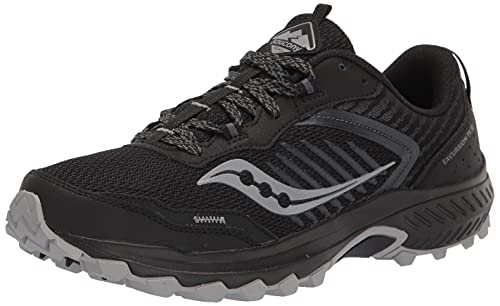
The Saucony Excursion TR15 gives outdoor walkers and runners a balanced mix of cushion, grip, and everyday comfort. Its familiar trail shape feels less bulky than a hiking boot. I like the way this category of shoe transitions from pavement to dirt without making the wearer feel awkward. The outsole is suited to common trail surfaces such as packed soil, gravel, and dry leaves.
For pronators, the main benefit is control rather than correction. A well-tied heel and a stable base can help limit excess side-to-side movement as the trail changes. The shoe also gives enough room for natural toe movement, which can help the foot stay relaxed late in a run. I would recommend the TR15 to runners with mild pronation who want a dependable shoe for mixed surfaces and moderate mileage.
Pros:
- Balanced cushioning for daily trail miles
- Good road-to-trail versatility
- Stable base feels planted on common paths
- Trail tread handles gravel and dry dirt well
- Comfortable choice for walking or light running
- Useful fit for runners who dislike bulky footwear
Cons:
- Does not provide dedicated medial support
- May lack grip in very wet mud
- Toe protection is modest on rocky routes
Saucony Excursion TR15 Women’s Shoe

The women’s Saucony Excursion TR15 is a practical option for runners and hikers who prefer a lighter trail shoe. It offers the familiar feel of the TR15 line in a women’s size range. The design is easy to use for local trails, walking paths, and casual outdoor trips. Its cushioning helps soften hard ground without creating a tall, unstable feel.
I consider this one of the more approachable picks for mild pronation. It does not add the firm correction found in specialty stability shoes, but its fit can help keep the foot from shifting inside the shoe. The outsole also gives a useful grip advantage over a road-only trainer. Choose it if you want comfort, moderate trail traction, and a price that usually stays friendly to a tight budget.
Pros:
- Comfortable women’s fit for daily trail use
- Moderate cushioning helps reduce ground impact
- Stable enough for easy and moderate paths
- Useful traction on dry dirt and gravel
- Lightweight feel makes long walks easier
- Versatile style works beyond the trail
Cons:
- Not designed for strong overpronation
- May feel narrow for wide forefeet
- Not the best choice for technical rock routes
Saucony Excursion TR14 Women’s Shoe

The women’s Saucony Excursion TR14 is built for people who want a no-fuss trail shoe at a reasonable cost. It feels at home on walking trails, gravel lanes, and dry woodland paths. The cushioned midsole helps make hard ground more forgiving. Its overall shape gives a steady, familiar ride for users who are new to off-road footwear.
When I assess trail shoes for pronators, I check how well they hold the heel and how stable they feel when the foot lands at an angle. This model can work well for mild inward rolling when the size and lacing are right. It is especially useful for casual hikers who need grip but do not want a stiff boot. Runners with a history of pain or marked overpronation should still seek a professional fit before relying on a neutral trail shoe.
Pros:
- Friendly price for casual outdoor use
- Comfortable cushioning for walks and easy runs
- Secure lace fit supports heel control
- Trail outsole improves grip over road shoes
- Light enough for daily errands and walking
- Easy transition from pavement to dirt
Cons:
- Older design may feel less refined than newer models
- No firm correction for notable overpronation
- Limited defense against sharp trail debris
Saucony Excursion TR16 Men’s Shoe

The Saucony Excursion TR16 is a strong all-purpose option in this group. It suits runners, walkers, and hikers who spend time on mixed trail surfaces. The design provides a useful mix of cushioning and ground feel, so the shoe does not feel like a heavy boot. I also like its practical shape for people who want one pair for local trails and everyday outdoor work.
Its stable sensation comes from the overall platform and secure fit, not from a hard support post. That makes it a better choice for mild pronators than for runners who need strong motion control. The outsole should feel confident on packed dirt, gravel, and ordinary park trails. If you want the best trail shoes for pronators for general use, this is one of the safest starting points in the list.
Pros:
- Updated design offers dependable daily performance
- Balanced cushioning supports longer walks
- Stable platform helps on uneven ground
- Good match for mixed road and trail routes
- Comfortable for new and experienced trail users
- Versatile enough for hiking and light running
Cons:
- Still lacks dedicated pronation correction
- May not have enough rock protection for alpine trails
- Standard width may not fit every foot shape
New Balance DynaSoft Nitrel V6

The New Balance DynaSoft Nitrel V6 is a comfortable choice for runners who want a soft, smooth ride on light trails. New Balance often appeals to shoppers who need more room and a familiar everyday fit. The DynaSoft midsole name points to a cushioned feel, which can help reduce harsh impact on firm paths. This shoe works well for fitness walks, short runs, and daily outdoor miles.
Soft cushioning alone does not correct pronation, so fit remains important here. I would look for a snug heel, a stable landing, and enough forefoot room without excess movement. The Nitrel V6 may suit a mild pronator who values comfort more than a firm, structured ride. It is less suited to highly technical terrain, where a more protective upper and stronger outsole would be useful.
Pros:
- Soft cushioning feels comfortable on hard paths
- Good option for walking and short trail runs
- Roomy feel may suit some wider feet
- Light design reduces fatigue during daily use
- Stable enough for many smooth trail surfaces
- Easy style for road-to-trail training
Cons:
- Soft ride may feel less stable for heavy pronators
- Limited protection on sharp, rocky terrain
- Traction is better for light trails than deep mud
PUMA Seasons Voyage Nitro 3

The PUMA Seasons Voyage Nitro 3 is the most adventure-focused option in this selection. It is made for people who want a trail runner with a bold outdoor build and a comfortable ride. The shoe can handle more varied paths than a basic road sneaker, making it a useful pick for weekend hikes and longer outings. Its design also gives the foot a more protected feel than very light trail models.
For pronators, a protective shoe can improve confidence, but it does not replace true stability technology. I would choose this model for a mild pronator who wants cushioning and trail readiness on rolling routes. The higher level of outdoor focus may appeal to hikers who carry a small pack or spend many hours outside. Before a long trip, I would test the heel fit and make sure the forefoot does not slide downhill.
Pros:
- Adventure-ready design suits varied outdoor routes
- Cushioning helps on longer trail outings
- More protective feel than a basic road shoe
- Useful choice for hiking and trail fitness
- Secure fit can improve confidence on uneven ground
- Distinctive style works for outdoor daily wear
Cons:
- May feel heavier than a simple trail runner
- Not a medical stability shoe for severe overpronation
- Can require a break-in period for some users
Kricely Men’s Non-Slip Trail Shoe

The Kricely men’s trail shoe targets shoppers who want a low-cost hiking and outdoor shoe. Its non-slip focus makes it appealing for walks on common paths, work around camp, and casual hikes. The simple design keeps the shoe easy to pair with everyday clothes. I see it as a practical entry point for someone who does not yet want to spend heavily on trail gear.
A grippy outsole can help a pronator feel more secure, since slipping may cause the foot to roll even farther inward. Still, traction is only one part of support. I would use this shoe for light trails and normal outdoor tasks, not demanding mountain runs. It may be a good value choice for occasional users, but frequent runners should compare its fit and durability with established running brands.
Pros:
- Non-slip design suits casual outdoor use
- Budget-friendly option for occasional hikers
- Useful for walking, camping, and light trails
- Simple look works for daily wear
- Firm footing may help mild pronation feel controlled
- Good starter option for new trail users
Cons:
- Long-term durability may vary by use
- Not intended for severe overpronation
- Less proven than major running shoe lines
How I Choose Trail Shoes for Pronators
Pronation is the natural inward motion of the foot after it lands. Every runner pronates to some degree. The issue is not the word itself; the issue is whether excess motion links with pain, poor control, or early fatigue. A shoe should support your own stride, not force every foot into the same shape.
When I review the best trail shoes for pronators, I start with the fit. The heel should feel held without pressure. The midfoot should stay in place when I walk downhill. The toes should have room to spread, but the foot should not slide from side to side.
I also check the base of the shoe. A broad platform often feels calmer than a narrow one on uneven ground. A firm heel counter may add control, though it should not rub the Achilles tendon. These small details can act like a handrail on a rough path.
Look for a secure heel
A loose heel can make any trail shoe feel unstable. It allows the foot to shift before the sole meets the ground. That shift can increase fatigue, especially on slopes. Try the runner’s knot if the shoe has enough lace length, and walk downhill before deciding that the fit is wrong.
Check the midsole feel
Very soft foam can feel pleasant in a store but less steady on roots and rocks. Very firm foam may offer control but feel harsh over long miles. I usually prefer a middle-ground midsole for pronators. It should cushion the foot while still letting me sense where the ground is.
Study the outsole
Trail traction must match the surface you run on. Short, closely spaced lugs work well on packed dirt and gravel. Deeper lugs help in mud, loose soil, and wet grass. No outsole grips every surface, so I avoid promising universal traction in any review.
Consider a true stability model when needed
The products in this guide are mainly neutral or general trail shoes. Their stable feel comes from fit, platform shape, cushioning, and outsole contact. If you have strong overpronation, repeated ankle rolling, or pain that does not improve, a specialty stability shoe may be a better path. A podiatrist, physical therapist, or experienced running-store fitter can assess your gait.
Are Neutral Trail Shoes Good for Pronators?
They can be, especially when the pronation is mild and the shoe fits well. Many runners do not need a stiff support post. They need a stable base, a locked-in heel, and enough room for the toes. A neutral trail shoe can provide those features without changing the natural feel of the stride.
However, a product page may use words such as “supportive,” “stable,” or “non-slip” in a broad way. Those terms do not always mean the shoe offers formal motion control. I read the product details carefully, then judge the design by the needs of the user. That approach helps prevent a common buying mistake: expecting a basic trail shoe to solve a major gait problem.
If you feel no pain and your feet stay comfortable, start with a stable neutral model. If your arch collapses, your knees hurt, or your ankles roll often, do not ignore those signs. The best trail shoes for pronators should make the trail feel safer, not hide an injury.
How to Get the Right Fit
Measure your feet late in the day. Feet often swell during long walks and runs. Wear the socks you plan to use on the trail. Leave about a thumb’s width between your longest toe and the front of the shoe.
Walk on a slope if possible. Your toes should not hit the front when you move downhill. Your heel should not lift with each step. If you use custom insoles, bring them when you test the shoe.
Do not rely on size alone. One brand’s size 11 can feel different from another brand’s size 11. Foot width, arch height, sock thickness, and swelling all change the fit. Amazon shoppers should read recent fit comments and check the current return policy before wearing the shoes outdoors.
Trail Shoe Care Tips
Let muddy shoes dry at room temperature. Do not place them on a heater, since high heat can damage glue and foam. Remove the insoles and loosen the laces so air can reach the inside.
Brush off dried dirt before it builds up around the outsole. Check the lugs for smooth spots. If the tread looks worn or the midsole feels flat, replace the shoe even if the upper still looks clean.
Rotate two pairs when you run often. This gives the foam time to recover and helps each upper dry fully. A clean, well-fitted shoe gives a pronator a better chance of maintaining steady form.
My Recommendation
For most mild pronators, I would start with the Saucony Excursion TR16. It offers the best balance of comfort, trail use, stable footing, and everyday value in this group. The men’s and women’s Excursion TR15 models are also strong choices for shoppers who want a lighter, simple trail shoe. The TR14 models work well when price and basic versatility matter most.
The PUMA Seasons Voyage Nitro 3 is better for longer outdoor trips and users who want a more adventure-ready feel. The New Balance DynaSoft Nitrel V6 suits walkers who prefer soft cushioning. The PUMA Reflect Lite PTX fits short, light trail runs, while the Kricely model is best for occasional outdoor use on a smaller budget. Among these options, the best trail shoes for pronators are the pair that holds your heel, feels stable, and stays pain-free over your usual distance.
| Best for | Why |
|---|---|
| Best overall mild-pronation pick | Saucony Excursion TR16 balances grip, cushion, fit, and daily trail use. |
| Best for soft comfort | New Balance DynaSoft Nitrel V6 gives walkers a smooth, cushioned feel. |
| Best for adventure use | PUMA Seasons Voyage Nitro 3 offers a more outdoor-focused design for varied routes. |
What Makes a Trail Shoe Feel Stable?
Stability comes from several parts working together. The heel must stay centered. The midsole must resist unwanted twisting. The outsole must make steady contact with the ground. A wide base can also reduce the feeling that the foot will tip on uneven soil.
Support does not always feel firm. Some runners prefer a gentle, guided ride. Others need a stronger correction. I never judge stability by stiffness alone. A stiff shoe can still feel poor if the heel is loose or the forefoot is too narrow.
For this reason, product reviews cannot replace a real fitting session. A trail shoe that feels stable to one runner may feel too soft or too narrow to another. Use my recommendations as a starting point, then compare them with your foot shape and trail habits.
Common Mistakes Pronators Make
The first mistake is buying the most supportive shoe without checking the fit. Too much structure can cause pressure, blisters, or an awkward stride. The second mistake is choosing a road shoe for muddy or loose trails. A stable upper cannot make a smooth road outsole grip wet soil.
Another mistake is wearing new shoes on a long hike. Start with short walks. Check for heel rubbing, hot spots, and toe pressure. Give your feet time to learn the shoe before you trust it far from the trailhead.
Finally, do not assume pain always means you need more support. Pain can come from a worn shoe, poor training, weak hips, tight calves, or a sudden increase in distance. If discomfort continues, stop and get qualified advice.
FAQs Of best trail shoes for pronators
What are the best trail shoes for pronators?
The Saucony Excursion TR16 is my best overall pick for mild pronators in this guide. It offers a steady platform, useful trail grip, and balanced cushioning. It is not a prescription stability shoe.
Do pronators need stability trail shoes?
Not always. Mild pronators may feel comfortable in a neutral shoe with a secure heel and stable base. Runners with pain or strong overpronation should ask a professional for a gait and fit check.
Can trail shoes stop overpronation?
No shoe can promise to stop overpronation. A well-fitted shoe may improve control and comfort. Strength work, training changes, and professional care may also help.
Should trail shoes for pronators feel stiff?
They should feel stable, not painfully stiff. A moderate level of structure often works well for daily trails. The right feel depends on your foot, speed, surface, and personal comfort.
How much space should trail shoes have?
Leave about a thumb’s width in front of your longest toe. Your heel should stay secure, and your toes should not hit the front downhill. Test the fit with your trail socks.
Final Verdict: Which Should You Buy?
The Saucony Excursion TR16 is the best all-around choice for mild pronators. It blends comfort, grip, and a steady feel for daily trails.
Choose the best trail shoes for pronators by matching fit and terrain first. A secure heel and pain-free stride matter most.

Madison Clark is a footwear expert and the voice behind MyStyleGrid.com. She specializes in honest shoe reviews, style tips, and practical guides to help readers find the perfect pair for any occasion. With years of experience in blogging and content creation, Madison makes footwear knowledge simple, stylish, and easy to follow.