The best winter boots for delivery drivers combine warmth, waterproof protection, steady grip, and all-day comfort.
A delivery route can turn into a long battle with slush, black ice, wet steps, and cold truck floors. You may climb porch stairs, walk across parking lots, and press the gas pedal for hours. The right footwear keeps your feet warm and helps you stay steady when the ground feels like glass. I reviewed insulated boots, waterproof work boots, and traction cleats to help you find dependable winter footwear for daily delivery work.
STABILicers Maxx 2 Traction Cleats

The STABILicers Maxx 2 is a heavy-duty traction aid for drivers who already own a comfortable pair of winter boots. It uses metal traction points to help your soles bite into packed snow and slick ice. The broad design spreads pressure across the bottom of the shoe, which feels more stable than a small heel-only grip. For a driver who faces icy walkways on many stops, this extra layer can make a real difference.
I like this style because it lets you use one familiar boot through changing weather. The cleats stretch over suitable shoes and boots, so you can remove them before stepping into the vehicle or a customer’s home. They are not a replacement for insulation or waterproofing, but they can improve outdoor grip in a hurry. Check the size chart carefully, since a loose traction device can shift while you walk.
Pros:
- Strong grip for ice and packed snow
- Useful with many existing work boots
- Heavy-duty build for frequent outdoor use
- Easy to remove before entering a vehicle
- Broad coverage helps support the foot
Cons:
- Does not add warmth or waterproofing
- Metal points can mark indoor floors
- Needs careful sizing for a secure fit
My Recommendation
I recommend the STABILicers Maxx 2 for delivery drivers who already have warm, waterproof boots but need more traction. It suits rural routes, steep driveways, and icy apartment paths. This product is also handy when the weather changes during a shift. As part of a complete Best Winter Boots for Delivery Drivers setup, it offers strong value because you can move it from one boot to another.
GGS Mid-Sole Ice Cleats

GGS Ice Cleats offer a simple way to add traction without buying a new pair of boots. Their mid-sole spike layout focuses grip under the center of the foot, where many people need support on icy ground. The adjustable strap helps hold the cleat in place over compatible shoes and boots. That makes them a practical choice for short walks from a vehicle to a front door.
These cleats are especially useful for drivers who want a lightweight backup in the truck. They take up little space and can go on when a route becomes more slippery than expected. I would still pair them with insulated boots, because the cleats only address traction. Remove them before walking on indoor tile, wood, or polished concrete to help protect the floor and avoid a noisy step.
Pros:
- Lightweight option for emergency traction
- Adjustable strap helps create a snug fit
- Compact enough to keep in a delivery vehicle
- Works with many shoes and boots
- Helpful on snow-covered sidewalks and paths
Cons:
- Less full-sole coverage than heavy-duty cleats
- Not suitable for indoor walking
- Does not protect feet from cold or rain
My Recommendation
I suggest the GGS Ice Cleats for drivers who want a portable safety tool rather than a full winter boot solution. They work well for mixed routes where only some stops have ice. Keep them beside your gloves and flashlight for quick access. For the Best Winter Boots for Delivery Drivers, these cleats are a useful low-cost add-on, especially when your current boots already fit well.
WIN.MAX 19-Spike Crampons

The WIN.MAX crampons use 19 stainless steel spikes to improve contact with hard snow and ice. They wrap around the lower part of a compatible shoe or boot and offer more aggressive bite than a smooth rubber sole. This design can help on outdoor steps, frozen paths, and slippery driveways. It is best viewed as a traction accessory, not as a warm winter boot.
I find this type of crampon useful for routes in colder areas where ice stays on the ground for much of the day. The spikes give confidence when you take short, careful steps. Still, aggressive traction needs careful handling, especially near vehicle pedals and indoor floors. Put them on only when needed, and inspect the rubber and straps often for wear.
Pros:
- 19 steel spikes provide strong ice contact
- Good choice for hard, frozen surfaces
- Flexible design fits many outdoor boots
- Can improve confidence on steep walkways
- Useful for walking, hiking, and delivery work
Cons:
- Spikes may feel too aggressive for light snow
- Must be removed before entering buildings
- Provides no warmth, cushioning, or water barrier
My Recommendation
The WIN.MAX crampons suit delivery drivers who regularly face solid ice and need more bite than standard soles provide. They are a good backup for storm days and remote routes. I would not use them as the only winter footwear, since your underlying boot still needs insulation and waterproof protection. In a Best Winter Boots for Delivery Drivers kit, they are most valuable for severe traction needs.
ALEADER Men’s 400g Insulated Snow Boots

The ALEADER snow boot is one of the strongest all-around choices in this review. Its 400-gram insulation is designed for cold weather, while the waterproof build helps block slush and wet snow. The hiking-boot shape gives it more support than a soft casual shoe. For drivers who spend a full shift moving between a warm vehicle and cold sidewalks, that balance matters.
The higher shaft helps keep snow and splash away from your socks when you step into a drift. A sturdy outsole also gives you a useful base for uneven ground. These boots may feel warmer and heavier than lightweight ankle styles, so they can take a short break-in period. I recommend wearing medium winter socks and leaving enough room for your toes to move.
Pros:
- 400g insulation supports cold-weather comfort
- Waterproof design helps block slush and snow
- Higher cut offers added lower-leg protection
- Hiking-style shape supports active walking
- Strong candidate for long winter delivery shifts
Cons:
- Warmer and heavier than casual winter shoes
- May need break-in time for some wearers
- Fit can feel snug with thick socks
My Recommendation
I recommend the ALEADER 400g boots for drivers who want one serious pair for cold, wet routes. They are best for snow belts, rural stops, and long outdoor walks. The mix of insulation, water protection, and ankle coverage makes them a leading Best Winter Boots for Delivery Drivers option. Check the current size chart and product details before ordering, since fit and availability can change.
Lightweight Thermal Boots with Side Zipper
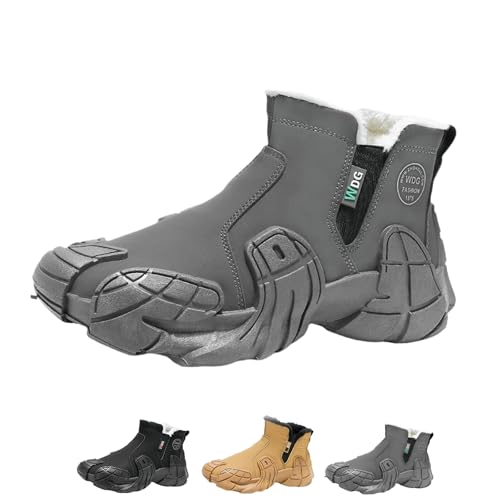
These thermal boots focus on easy daily wear. The fleece lining adds a soft layer of warmth, while the lightweight shape can feel less tiring during a route with many stops. A side zipper makes them quick to put on when you are working against the clock. The design also works for men or women who prefer a simple winter boot with a casual look.
I see the main appeal in short to moderate delivery shifts, errands, and light snow. The non-slip outsole can help on wet ground, but drivers should not expect the same ice grip as a dedicated spike cleat. The side zip is convenient, though it needs to close fully to maintain the boot’s protective seal. Wear them with moisture-wicking socks to reduce dampness inside the fleece.
Pros:
- Lightweight feel reduces leg fatigue
- Fleece lining adds soft warmth
- Side zipper makes entry fast
- Waterproof design suits wet winter streets
- Unisex style works for many daily outfits
Cons:
- Less protection for deep snow than tall boots
- Traction may not handle severe black ice
- Side zipper needs regular care and full closure
My Recommendation
Choose these thermal boots if comfort, speed, and low weight matter most. They are a smart fit for urban drivers who make many quick stops on cleared sidewalks. They may also suit drivers who dislike stiff work boots. Among the Best Winter Boots for Delivery Drivers, this style offers good everyday value when the route brings wet streets instead of deep snow.
Carhartt 10-Inch Waterproof Insulated Work Boot

The Carhartt CMC1259 is built more like a work boot than a casual snow shoe. Its 10-inch height offers useful coverage, and the waterproof insulated construction is suited to wet, cold job conditions. The composite toe adds another layer of protection for drivers who carry heavy parcels or work around equipment. This is the kind of boot that feels ready for demanding routes.
A work boot like this usually rewards a careful break-in period. It may feel firm at first, but that structure can help support your feet during long hours on pavement. The taller shaft helps keep snow out, while the rugged build is made for repeated use. Because safety features can vary by model and production year, confirm the current listing details before relying on the boot for a specific workplace requirement.
Pros:
- 10-inch height helps block snow and splash
- Waterproof insulation suits wet winter work
- Composite toe adds workplace protection
- Rugged build fits demanding delivery routes
- Good support for long hours on hard ground
Cons:
- Heavier than lightweight winter footwear
- May require a longer break-in period
- Could feel too warm in mild weather
My Recommendation
I recommend this Carhartt boot for drivers who want protection as well as warmth. It is especially useful for bulk delivery, warehouse work, and routes where boxes or equipment create added risk. The tall, insulated build makes it one of the more serious Best Winter Boots for Delivery Drivers choices. It costs more than basic casual boots, but the work-focused design can justify that price for frequent users.
Lightweight Women’s Thermal Side-Zip Boots

These women’s thermal boots offer a practical blend of warmth, simple styling, and quick entry. The fleece interior helps hold heat during cold stops, while the side zipper saves time when you get in and out of the vehicle. Their lighter build may feel easier to wear than a tall rubber or leather work boot. The non-slip sole adds basic support for wet sidewalks and light snow.
This pair is a good match for drivers who want a comfortable boot that does not look overly rugged. The ankle height works well in cities where streets are plowed and snow is not very deep. It may not offer enough shaft coverage for heavy drifts or deep slush. As with any winter boot, leave room for warm socks without squeezing your toes.
Pros:
- Fast side-zip entry helps during busy routes
- Fleece lining supports warm feet
- Lightweight design may reduce fatigue
- Non-slip sole suits wet daily walking
- Casual look works on and off the route
Cons:
- Ankle height gives limited deep-snow coverage
- Basic grip may not suit hard ice
- Not designed as a heavy-duty work boot
My Recommendation
I would choose these boots for women delivery drivers who work mostly on cleared urban routes. They are easy to wear, warm enough for normal winter stops, and less bulky in the cab. Add traction cleats for icy conditions if the outsole needs more bite. For shoppers comparing the Best Winter Boots for Delivery Drivers, this pair stands out for comfort and simple daily use.
SHIBEVER Women’s Warm Ankle Snow Boots
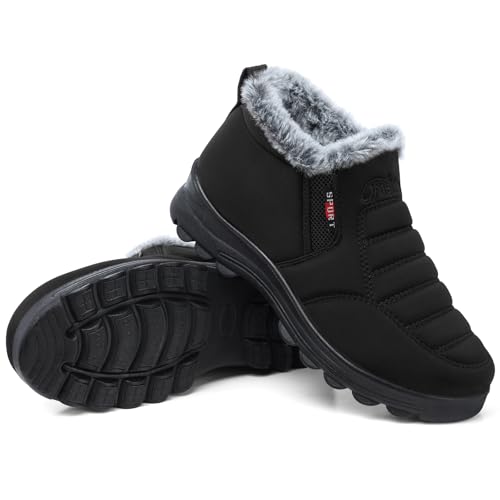
The SHIBEVER ankle snow boot is aimed at everyday winter comfort. Its warm interior helps shield feet during quick deliveries, and the ankle profile keeps the boot easy to move in. The non-slip outsole provides a better base than a normal fashion sneaker. It is a useful choice for drivers who want warmth without the tall, stiff feel of a work boot.
Ankle boots are easy to fit under a steering wheel and simple to wear inside a customer’s home. They also dry faster than very tall, heavily insulated boots when conditions stay mild. The trade-off is less protection from deep snow and standing water. I would use this pair on plowed routes and keep a stronger traction option in the vehicle for storm days.
Pros:
- Warm design suits routine winter deliveries
- Ankle height allows easy movement
- Non-slip sole supports daily outdoor use
- Comfortable style works beyond delivery work
- Less bulky inside a vehicle cab
Cons:
- Limited coverage in deep snow
- May not suit prolonged exposure to slush
- Traction is not equal to metal-spike cleats
My Recommendation
The SHIBEVER boot is best for women drivers in mild or moderate winter weather. It makes sense for city routes, short walks, and drivers who value a flexible ankle boot. I would not make it my first pick for deep snow or long outdoor work. Still, it earns a place among the Best Winter Boots for Delivery Drivers when comfort and easy movement lead the list.
Men’s Waterproof Fur-Lined Ankle Boots
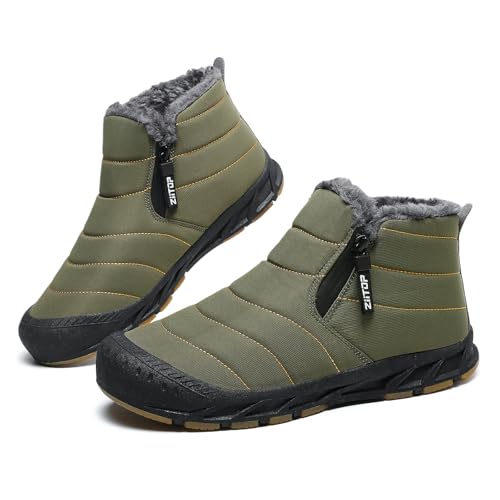
These men’s snow boots use a fur-lined interior and ankle-height shape for warm, simple daily wear. The zipper closure allows fast entry, which helps when a route includes dozens of stops. A waterproof outer layer is designed to keep light rain and slush away from the foot. The slip-on style also makes them convenient for drivers who do not want to deal with long laces.
The flexible design can feel more like a winter walking shoe than a heavy work boot. That is useful when you spend much of the shift inside a vehicle or on cleared sidewalks. The lower shaft does limit protection in deep snow, and the sole may need help on solid ice. For best results, pair these boots with warm socks and take shorter steps on slick ground.
Pros:
- Fur lining adds soft warmth
- Zipper closure makes changing quick
- Waterproof build helps resist slush
- Light feel suits active delivery routes
- Comfortable for walking and casual use
Cons:
- Ankle cut is not ideal for deep snow
- May need extra traction on black ice
- Less protective than a reinforced work boot
My Recommendation
I recommend these boots for men who want a warm, easy-on option for everyday winter driving. They fit best with urban and suburban routes that have regular snow removal. Drivers in very cold regions may need a taller, more insulated model. For the Best Winter Boots for Delivery Drivers, this pair offers practical comfort at stops without adding much bulk in the vehicle.
What Delivery Drivers Should Look For
Choosing winter boots for delivery work is different from choosing boots for a short walk. You may wear them for eight to twelve hours, climb wet steps, and repeat the same movement hundreds of times. A boot that feels fine for ten minutes may cause sore feet by the end of a shift. I always judge winter footwear by warmth, grip, fit, water protection, support, and how well it works inside a vehicle.
Warmth and insulation
Cold feet can distract you from traffic and create discomfort long before the rest of your body feels cold. Look for insulation, fleece, or a thermal lining that matches your local weather. More insulation is not always better, since overheated feet can sweat and then feel colder later. Drivers in very cold areas may prefer insulated tall boots, while city drivers may do well with a lighter thermal ankle boot.
Do not rely only on a marketing temperature claim. The real result depends on your socks, activity level, wind, moisture, and how long you stand outside. Leave a little room around the toes, since cramped toes lose warmth. Merino wool or moisture-wicking synthetic socks often perform better than thick cotton socks.
Waterproof protection
Snow is not the only problem. Meltwater, rain, wet grass, and slush can soak a boot during a single route. A waterproof upper and sealed seams help keep socks dry. Pay attention to the tongue, zipper, and boot opening because water can enter through those areas even when the main material resists rain.
Water resistance can decline with wear, especially around flex points. Clean road salt from the upper after a shift and let boots dry at room temperature. Do not place wet boots against a direct heater, as high heat can damage glue, leather, foam, and waterproof layers. A dry boot is a warmer boot.
Traction on ice and snow
Good winter traction starts with a flexible rubber outsole and a deep, well-spaced tread. It should help shed snow instead of packing it into a smooth block. However, no normal boot can guarantee a safe step on every sheet of ice. Black ice is still dangerous, even with a strong tread.
Traction cleats can help when ice is common. Metal spikes offer strong bite outdoors, but they must come off before you enter a building or sit behind the wheel. Never assume a cleat is safe around vehicle pedals. Keep your steps short, use handrails, and test the ground when conditions look uncertain.
Fit and comfort
Fit matters more than a long feature list. Your heel should stay in place without rubbing, and your toes should not touch the front when you walk downhill. Try boots with the socks you plan to wear on the route. If you use orthotics, check whether the insole comes out and whether the boot has enough depth.
Drivers often prefer a boot that bends near the toe but still supports the ankle. A rigid boot can protect well yet feel tiring during repeated stops. A soft boot can feel pleasant but may lack support on uneven steps. Aim for a middle ground that matches your route and walking style.
Weight and vehicle comfort
Heavy boots can drain your legs over a long shift. They may also feel awkward when you move between the brake and accelerator. Before using a new pair on a full route, wear them around the house and take a short drive. Make sure the sole does not catch on the pedal or limit ankle movement.
Lightweight boots usually feel easier in the cab, but they may offer less insulation and structure. This is why I prefer a route-based choice. Use a lighter boot for cleared city streets and a taller work boot for deep snow, ice, or rough ground.
Ease of entry
A delivery driver may remove and put on boots many times. Side zippers, pull tabs, and slip-on designs can save time and reduce frustration. Laces offer a more adjustable fit, but they take longer and can loosen during work. If you choose a zipper boot, inspect the zipper path and close it fully before walking through wet snow.
Safety features
Some delivery work involves heavy packages, loading docks, and crowded warehouses. A composite toe or safety toe may be useful in those settings. It can add weight and reduce flexibility, so do not pay for a safety feature you do not need. If your employer requires a certified safety boot, check the current product listing and workplace rules before buying.
Best Features Comparison
| Best for | Why |
|---|---|
| Deep snow and cold routes | ALEADER 400g boots offer insulation, waterproof protection, and a higher shaft. |
| Heavy-duty work and package handling | Carhartt boots add a tall work-boot build, insulation, and composite-toe protection. |
| Extra ice traction | STABILicers, GGS, and WIN.MAX cleats add grip to compatible winter footwear. |
How I Would Use These Boots on a Route
I would match the boot to the forecast before leaving the depot. For light rain and cleared roads, a lightweight thermal boot saves energy. For deep snow, I would choose a taller insulated boot with room for warm socks. If freezing rain is expected, I would carry traction cleats and put them on only when the outdoor surface requires them.
I would also keep a spare pair of socks in a sealed bag. Even a waterproof boot can feel cold if snow enters through the opening or if sweat builds up inside. A small towel can help dry the boot’s outer surface during a lunch break. These simple habits often matter as much as the boot itself.
At the end of each shift, I would remove the insoles if possible and let both the insoles and boots dry. I would brush off salt and mud before they harden. I would also check the outsole for worn tread, loose rubber, and damaged straps. A boot can look fine from above while losing grip underneath.
Common Buying Mistakes to Avoid
The first mistake is buying based on appearance alone. A stylish boot may lack insulation, water protection, or a useful tread. The second mistake is choosing a size that is too tight for winter socks. Tight boots restrict movement and can leave your toes cold.
Another mistake is treating “non-slip” as a guarantee against ice. That phrase can describe basic rubber tread, not true ice traction. If you face frequent black ice, consider a boot with a proven winter outsole and keep removable cleats available. Even then, slow movement and good balance remain essential.
I also advise against wearing a brand-new boot on the busiest day of the season. Break it in first and learn where it rubs. Adjust the laces or zipper before a long shift. Small pressure points can become painful after several hours of repeated walking.
FAQs Of Best Winter Boots for Delivery Drivers
What are the best winter boots for delivery drivers?
The best choice depends on your route. ALEADER boots are a strong all-around pick for cold and wet conditions. Carhartt suits heavy work and drivers who need a composite toe. Lightweight thermal boots fit milder urban routes.
Do delivery drivers need waterproof boots?
Yes, waterproof protection is highly useful. Snow, rain, slush, and wet steps can soak socks fast. Dry feet stay warmer and feel more comfortable during long shifts.
Are ice cleats safe for driving?
Remove ice cleats before operating a vehicle. Spikes can affect pedal movement and may catch on the floor. Put them on only after parking in a safe place, and remove them before entering indoor areas.
Should winter delivery boots be one size larger?
Not always. Choose a size that leaves room for winter socks without letting your heel slip. Check the maker’s size chart and read the current fit notes before ordering.
How can I keep winter boots warm and dry?
Dry them at room temperature after each shift. Remove the insoles when possible, clean off salt, and avoid direct heat. Use moisture-wicking socks and replace wet socks during the route.
Final Verdict: Which Should You Buy?
For most drivers, I would choose the ALEADER 400g insulated snow boots. They offer the best balance of warmth, waterproof protection, height, and walking support. Carhartt is better for heavy work, while thermal ankle boots suit mild city routes.
The Best Winter Boots for Delivery Drivers should match your weather, route, and work needs. Choose dry feet, steady grip, and a secure fit first, then confirm current sizing, features, and availability before ordering.

Madison Clark is a footwear expert and the voice behind MyStyleGrid.com. She specializes in honest shoe reviews, style tips, and practical guides to help readers find the perfect pair for any occasion. With years of experience in blogging and content creation, Madison makes footwear knowledge simple, stylish, and easy to follow.