The best women’s hiking boots for bunions combine a roomy toe box, soft support, firm grip, and a comfortable fit.
A long trail can feel much shorter when your boots stop pressing on your big-toe joint. I know how quickly a tight toe box can turn a fun hike into a slow, painful walk. Bunions need space, steady support, and a smooth upper that does not rub. The boots below cover easy walks, wet trails, backpacking, winter use, and rocky ground. I also explain the trade-offs, because no boot fits every foot. Always check the size chart, wear your hiking socks, and stop using any boot that causes sharp pain or numbness.
NORTIV 8 Lightweight Ankle Hiking Boots

The NORTIV 8 Lightweight Ankle Hiking Boots offer a practical start for women who want low weight and basic ankle coverage. The gray color looks easy to match with hiking pants or outdoor layers. A lighter boot can reduce leg fatigue on long paths, especially when the trail is mild or packed. For bunions, I would pair this boot with a thin, smooth sock and check that the forefoot does not feel tight.
This style suits day hikes, park trails, travel, and light backpacking. The ankle height adds more support than a trail shoe without the bulk of a tall trekking boot. Its main strength is balance: you get outdoor protection without feeling as if you are carrying heavy gear on your feet. Still, women with wide bunions should confirm the width before a long trip, since a standard fit may not give enough room.
Pros:
- Lightweight feel helps reduce foot fatigue
- Ankle height gives useful support on uneven paths
- Neutral gray color works with many hiking outfits
- Good choice for day hikes and casual trail use
- More flexible than many heavy backpacking boots
- Easy design for travel and outdoor errands
Cons:
- Standard width may feel narrow over a large bunion
- May offer less protection than a rigid trekking boot
- Requires a careful break-in period before long hikes
My Recommendation
I recommend this NORTIV 8 pair for women who want a light ankle hiking boot for short to medium hikes. It is especially useful for beginners, travelers, and hikers who dislike stiff footwear. The low weight can make each step feel less tiring, while the ankle cut adds a little confidence on uneven ground. If you need the best women’s hiking boots for bunions on easy trails and prefer a lighter feel, this is a sensible value pick.
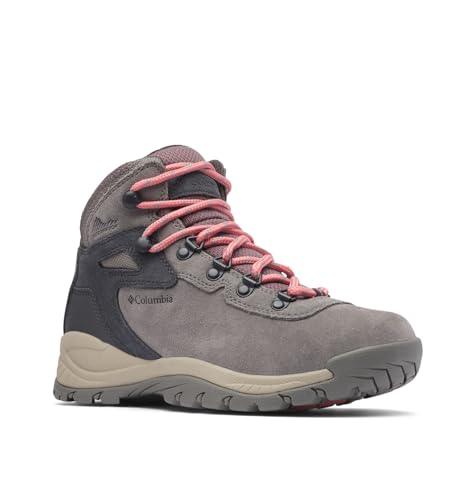
Columbia Newton Ridge Waterproof Hiking Boot

The Columbia Newton Ridge is a well-known style for women who want waterproof trail coverage and a classic hiking boot shape. Its mid-height design can help shield the ankle from brush, mud, and light debris. Waterproof protection is useful when a trail stays damp after rain or when you cross shallow wet ground. For bunions, the key question is not only waterproofing but also whether the upper bends smoothly over the widest part of your foot.
I see this boot as a strong choice for mixed weather and moderate day hikes. It offers a more traditional feel than a minimalist trail shoe, which some hikers prefer for added stability. The boot may feel firm at first, so I would wear it around the house and on short walks before planning a steep trip. Use a moisture-wicking sock, and leave enough space in front of the toes for downhill movement.
Pros:
- Waterproof build helps keep feet dry in wet conditions
- Mid-cut shape adds ankle coverage on uneven trails
- Classic hiking design suits many outdoor activities
- Useful for rain, mud, and cool-weather walks
- Firm platform can feel stable under a loaded daypack
- Good option for hikers who want a known outdoor brand
Cons:
- May feel heavier than lightweight trail boots
- Upper can need more break-in time
- Waterproof materials may feel warm in hot weather
My Recommendation
I recommend the Newton Ridge for women who hike in changeable weather and want one dependable boot for many seasons. It is best for moderate trails, rain-prone areas, and hikers who like a firm, traditional boot. It may not be the widest option for a painful bunion, so try it with your real hiking socks and consider a wide version when available. Among the best women’s hiking boots for bunions, this model stands out for weather protection and all-around trail use.
NORTIV 8 Waterproof Trekking Boots

The black and pink NORTIV 8 Waterproof Trekking Boots bring a brighter look to a practical outdoor boot. They are designed for women who want waterproof coverage, ankle support, and a sole suited to trail walking. The color can make them easy to spot in a crowded gear closet, while the boot shape gives more protection than a low shoe. Women with bunions should pay close attention to the front width and avoid tightening the lower laces across the joint.
This pair makes sense for casual trekking, weekend hikes, and wet outdoor work. The waterproof design can help during damp spring and fall trips, but no waterproof boot stays dry if water enters over the collar. I like the idea of using the lacing system in zones: secure the heel and ankle, but keep the forefoot relaxed. That simple adjustment can improve comfort for a wide forefoot without making the whole boot feel loose.
Pros:
- Waterproof construction supports wet-weather hiking
- Ankle coverage offers more protection than a low trail shoe
- Bright black-and-pink color gives the boot a sporty look
- Useful for casual trekking and weekend trail trips
- Adjustable lacing can help reduce pressure near a bunion
- Suitable for hikers who want a protective budget option
Cons:
- Forefoot may not suit very wide or swollen feet
- Can feel warm during summer hikes
- May require several short walks to soften
My Recommendation
This NORTIV 8 boot is best for women who want waterproof trekking support at a practical price. I would choose it for muddy park trails, light backpacking, and cool-weather walks. It works better for a mild to moderate bunion than for a very sensitive joint that needs a broad anatomical toe box. If you like a secure ankle and a colorful style, this is one of the best women’s hiking boots for bunions to consider in the affordable range.
ASOLO Acadia Mid GTX Bunion Fit Boots

The ASOLO Acadia Mid LTH GTX is the most specialized option in this review because its name directly identifies a bunion-fit design. That detail matters. A boot built with bunion comfort in mind should give the forefoot more thoughtful space while still holding the heel in place. The mid height and Gore-Tex-style waterproof protection also target serious hikers who face rough ground and changing weather.
This boot is aimed at women who expect more from their footwear than a casual trail walk. It may suit rocky routes, long day hikes, and demanding outdoor travel where support and protection matter. A structured boot can feel reassuring under a pack, but it may also feel less soft than a simple comfort shoe. I would allow extra break-in time and test the fit late in the day, when feet often swell slightly.
Pros:
- Bunion-fit design directly addresses forefoot pressure concerns
- Waterproof membrane helps protect feet in wet weather
- Mid-cut support suits uneven and rocky terrain
- Strong choice for serious day hiking and trekking
- Structured build can feel stable under a backpack
- Premium design may last through frequent trail use
Cons:
- Likely costs more than basic hiking boot options
- May feel stiff until fully broken in
- Structured materials can feel warm in summer
My Recommendation
I recommend the ASOLO Acadia Mid GTX for hikers who need a purpose-built bunion fit and regularly tackle demanding trails. It is the strongest choice here for women who value support, weather protection, and a more technical build. The price and break-in time are easier to accept when you hike often or carry a pack. For many users, this is the leading candidate for the best women’s hiking boots for bunions, provided the shape matches your foot.
NORTIV 8 Lightweight Orange Hiking Boots

This orange NORTIV 8 model offers the same light hiking idea in a bold, easy-to-see color. Bright footwear can be useful on group trips, outdoor work, or low-light walks because it is easier to notice. The ankle cut adds a layer of trail protection without creating the heavy feel of a full backpacking boot. For bunion comfort, I would focus on how the toe area flexes while walking rather than choosing by appearance alone.
The boot fits the needs of women who take short hikes, travel often, or want a casual outdoor boot for daily use. Its lighter build may feel more natural on smooth paths and gentle hills. It is not the pair I would choose first for a very heavy pack or highly technical terrain. However, it can be a useful value pick when you want basic support and a little more room to adjust the fit with laces.
Pros:
- Light design helps keep steps easy on mild trails
- Orange color improves visibility outdoors
- Ankle coverage gives useful support for casual hiking
- Good fit for travel, parks, and everyday outdoor use
- Less bulky than many heavy trekking boots
- Laces allow some forefoot fit adjustment
Cons:
- Bold color may not suit every hiking outfit
- Not ideal for heavy loads or technical mountain routes
- Standard fit may still press on a wide bunion
My Recommendation
This orange NORTIV 8 pair is best for women who want a light, visible boot for easy trails and travel. I would select it for park paths, sightseeing, and short hikes where comfort and low weight matter most. It offers useful value, but women with severe bunion pain should look first at the dedicated bunion-fit or orthopedic choices. It remains one of the best women’s hiking boots for bunions when visibility and a lighter step rank high.
Orthopedic Mid Trekking Boots for Bunions

These orthopedic mid trekking boots target several common foot concerns, including bunions and plantar fascia discomfort. The product description highlights arch support and recovery-focused comfort, which may appeal to women who need more than a standard hiking insole. A mid boot can also provide extra coverage for the ankle and lower leg. Still, “orthopedic” on a product page does not replace advice from a podiatrist or physical therapist.
I see this style as a comfort-first choice for walking, standing, light trekking, and everyday outdoor use. The black, rose, and red color mix gives it a fashion touch that many technical boots lack. Women with sensitive feet should inspect the seams and tongue, then walk indoors before wearing the boots outside. If the arch shape feels wrong, do not assume that more support is always better; the right support must match your foot.
Pros:
- Designed with bunion and arch comfort in mind
- Mid height offers more coverage than a walking shoe
- May help users who want extra insole support
- Fashionable color mix works beyond the trail
- Useful for standing, walking, and light trekking
- Comfort-focused design may suit recovery periods
Cons:
- May lack the rugged build of a technical hiking boot
- Arch support will not suit every foot shape
- Claims about recovery should not replace medical care
My Recommendation
I recommend these orthopedic mid boots for women who split their time between walking, standing, and gentle outdoor trails. They are a better match for comfort seekers than for technical hikers carrying a heavy pack. The roomy feel and support-focused design may help a mild bunion feel less crowded, but you still need to check the actual fit. For shoppers comparing the best women’s hiking boots for bunions, this pair is worth considering when arch comfort matters as much as trail grip.
Viakix Waterproof Lightweight Hiking Boots
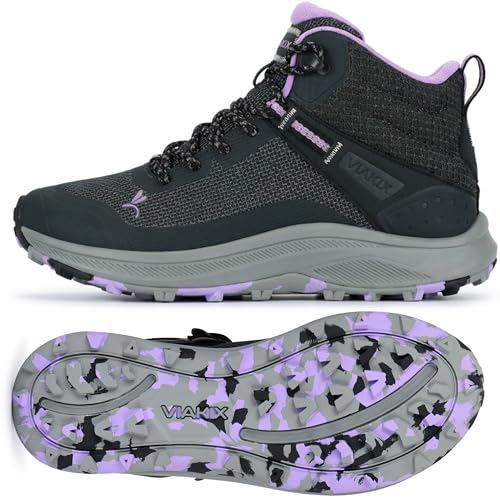
The Viakix Waterproof Hiking Boots focus on a simple mix of light weight, black styling, and wet-weather coverage. A black boot is easy to wear for hiking, travel, gardening, and outdoor chores. Lightweight footwear can be helpful when bunion pain grows worse after many miles, since less weight means less work with every step. I would still check the toe shape carefully because a light boot can be comfortable yet too narrow at the bunion joint.
This pair appears best suited to women who want a flexible everyday hiking boot rather than a technical mountaineering boot. It can work well for local trails, rainy walks, and casual weekend use. The waterproof feature may reduce worry around damp grass and light rain, though breathability becomes important in warm conditions. Try the boots with your preferred socks and any orthotic before deciding whether the volume feels right.
Pros:
- Lightweight design supports comfortable daily walking
- Waterproof feature helps in rain and damp conditions
- Black color is easy to match and maintain
- Useful for casual hiking and outdoor errands
- May feel less tiring than a heavy leather boot
- Simple styling works for travel and everyday wear
Cons:
- May offer less structure on rugged mountain trails
- Waterproof lining can feel warm on hot days
- Toe width must be checked carefully for bunion relief
My Recommendation
The Viakix boot is best for women who want one light black boot for rainy walks, local trails, and daily outdoor tasks. It is a useful middle ground between a casual shoe and a heavy trekking boot. I would not make it my first choice for severe bunions unless the forefoot feels clearly roomy during an indoor test. It deserves a place among the best women’s hiking boots for bunions for shoppers who value low weight and simple waterproof coverage.
Orthopedic Non-Slip Hiking Boots

These gray, rose, and purple orthopedic boots focus on comfort and traction for women who spend long hours on their feet. The non-slip feature can add confidence on wet floors, firm paths, and light outdoor terrain. The product description also points to arch support and bunion recovery needs. That combination makes this style interesting for people who want a hiking-inspired boot for work, walking, and gentle trails.
I would treat this pair as a comfort and safety boot first, not as a hard-use mountain boot. The non-slip outsole may be useful for wet daily surfaces, while the mid design gives more protection than a sneaker. Women with foot pain should look for pressure points around the bunion, little toe, heel, and arch during a slow indoor test. A boot that feels supportive at first may still cause problems if it rubs after an hour.
Pros:
- Non-slip design may improve confidence on wet surfaces
- Orthopedic focus targets arch and bunion comfort
- Mid height offers useful lower-ankle coverage
- Color options add a softer look than many work boots
- Suitable for standing, walking, and light trail use
- May suit women who need steady daily footwear
Cons:
- Not intended to replace a medical walking device
- May be too soft for rough, technical trails
- Arch shape may not match every wearer
My Recommendation
I recommend these non-slip orthopedic boots for women who need dependable footing during daily work and easy outdoor walking. They may be especially helpful for people who stand for long periods and want bunion-friendly features in one pair. For backpacking or rocky routes, I would choose a more technical boot with stronger trail protection. Still, this is one of the best women’s hiking boots for bunions for daily comfort, grip, and support at a practical price.
NORTIV 8 Waterproof Lightweight Hiking Boots

This black NORTIV 8 model combines a lightweight design with waterproof trail coverage. It is a clean, versatile choice for women who do not want bright colors or a bulky boot shape. The 8.5 size listed in the product block gives shoppers a clear reference, but fit can change by foot shape and sock thickness. For a bunion, I would leave enough room for the big toe to point forward without forcing the foot inward.
The boot should appeal to women who hike in light rain, walk on mixed paths, or need a practical pair for travel. Lightweight waterproof boots often make a good compromise for day hiking because they offer protection without the full weight of backpacking footwear. Before a long hike, test the heel hold on an incline and check for forefoot rubbing on a decline. Small fit issues become much bigger after several miles.
Pros:
- Waterproof design supports wet-weather trail use
- Lightweight feel can reduce fatigue on day hikes
- Black styling works for hiking and daily wear
- Ankle coverage adds protection on uneven paths
- Good choice for travel and mixed outdoor activities
- Balanced design suits casual to moderate hiking
Cons:
- May not provide enough width for a large bunion
- Could feel warm in hot, dry weather
- Less protective than a heavy-duty backpacking boot
My Recommendation
This NORTIV 8 model is best for women who want a black, waterproof, lightweight boot for regular day hikes. It offers a useful balance of coverage and ease, especially for beginners and casual hikers. I would choose it over a heavy boot when the route is moderate and the forecast is uncertain. If the fit is roomy across your forefoot, it can be a strong affordable option among the best women’s hiking boots for bunions.
Best For and Key Benefits
| Best for | Why |
|---|---|
| Technical hikes and serious bunion-fit needs | ASOLO Acadia Mid GTX offers a dedicated bunion-fit design, waterproof protection, and strong support. |
| Light day hikes and travel | NORTIV 8 lightweight models and Viakix reduce bulk while giving useful ankle and weather coverage. |
| Daily walking, standing, and comfort support | The orthopedic mid and non-slip boots focus on arch comfort, steady footing, and everyday use. |
How I Choose Hiking Boots for Bunions
Finding the best women’s hiking boots for bunions requires more than reading a product title. A bunion forms at the base of the big toe, where the joint may become tender and swollen. Tight shoes can increase pressure at that spot. Hiking adds more stress because feet swell, toes move downhill, and the ground pushes the foot in different directions.
I start with the toe box. Look for enough width and height for the toes to spread in a natural way. The front should not squeeze the big toe toward the smaller toes. It should also leave about a thumb’s width between the longest toe and the end of the boot. That space helps prevent toe impact on descents.
Next, I check the upper. Soft mesh, flexible fabric, or supple leather may bend more easily over a bunion than a hard seam or stiff overlay. A smooth inside matters too. Even a roomy boot can cause trouble if a seam sits directly on the joint. Run your hand inside the boot and feel for rough edges before wearing it outdoors.
Heel hold is just as important as toe room. A roomy toe box should not mean a loose heel. If the heel slips, your foot may slide forward and hit the front on every downhill step. Use the upper eyelets to lock the heel, then keep the lower laces relaxed enough to avoid pressure across the bunion.
Support depends on the trail. A flexible boot may feel pleasant on flat paths, while a firmer midsole may feel safer on rocks and roots. Neither choice is right for every hiker. I match boot structure to terrain, pack weight, balance, and personal comfort.
What Features Help a Bunion Feel Better?
A wide toe box is the first feature I seek. Do not confuse a round-looking toe with a truly wide fit. Some boots look broad but taper sharply inside. Read customer comments about forefoot width, and measure both feet if possible. One foot may be wider than the other.
A smooth, flexible upper can reduce rubbing. It should flex near the ball of the foot, not fold into the bunion. Padding can help, but thick padding may also steal interior space. I prefer a boot that gives real room rather than one that tries to hide a tight fit with extra foam.
A removable insole can make fitting easier. You may replace it with an orthotic or a thinner insert, but check that the replacement does not lift your foot into the upper. Too much insole volume can make the toe box feel tight. If you use custom orthotics, bring them when you try on boots.
A stable heel and outsole also matter. When the heel stays planted, the foot does not slide forward as much. Good traction lets you walk with a natural stride instead of gripping the ground with your toes. That can reduce stress during wet or uneven hikes.
Waterproofing is useful, but it involves a trade-off. Waterproof boots can keep out rain and puddle splash, yet they may breathe less than mesh boots. If your feet sweat, choose moisture-wicking socks and let boots dry fully between hikes. Never place wet boots directly on a hot heater, as high heat can damage adhesives and materials.
How to Get the Right Fit
Try hiking boots later in the day. Feet often expand after hours of normal activity, which gives a more realistic fit test. Wear the socks you plan to hike in. If you use a brace, pad, or orthotic, include it in the test.
Stand up and wiggle every toe. Your big toe should move without hitting the side or front. Walk up and down a slope if you can. In a store, use an incline board. Online shoppers can test indoors on carpet while keeping the packaging and tags intact.
Pay attention to pressure, not only pain. A slight snug feel may become a painful hot spot after miles. Redness at the bunion after a short test is a warning sign. Do not expect a boot to “stretch enough” if the joint already feels squeezed.
Use a heel-lock lace method if the heel slips. This method secures the back of the foot while leaving the lower laces less tight. It can improve downhill control without pressing hard on the forefoot. However, lacing cannot turn a narrow boot into a wide one.
Break boots in slowly. Start with 20 to 30 minutes indoors, then take short walks. Increase time only when your feet remain calm. Blisters, numbness, burning, and sharp joint pain all mean you should stop and reassess.
Hiking Socks, Insoles, and Bunion Pads
Socks can change the fit more than many shoppers expect. Thick wool socks may feel warm and soft, but they also take up space. A thin, smooth, moisture-wicking pair may give a bunion more room. Avoid wrinkled socks, since folds can create hot spots over the joint.
An insole can help with comfort and alignment, but it cannot fix a cramped toe box. If the sole feels flat, try a supportive insert with moderate arch control. Test it for short periods. Stop if it pushes your foot toward the bunion or creates new pain.
Bunion pads may reduce rubbing in some boots. Gel and fabric pads can cushion the joint, but they also add bulk. Put the pad on before trying the boot. If the boot feels tight with the pad, choose more volume rather than forcing the foot into place.
Some hikers use toe spacers during rest or at home. Their comfort varies, and they may not fit inside a hiking boot. Ask a qualified foot-care professional if you have significant pain, swelling, a rigid joint, or trouble walking. A boot review can guide shopping, but it cannot diagnose or treat a foot condition.
Waterproof vs. Breathable Boots for Bunions
Waterproof boots work well in rain, mud, wet grass, and cool climates. They can keep socks dry, which helps reduce friction. The trade-off is heat. If your feet sweat, moisture can remain inside even when outside water stays out.
Breathable boots usually feel cooler in warm weather. They can dry faster after light moisture, but they provide less protection in heavy rain. For desert trails or hot summer hikes, breathability may matter more than waterproofing.
Think about your normal route. A person hiking in the Pacific Northwest may value waterproof protection. Someone walking dry Southwest trails may prefer a lighter, airier boot. The best women’s hiking boots for bunions should fit both your feet and your local conditions.
Common Mistakes to Avoid
The first mistake is buying a smaller size for a snug feel. Hiking boots should hold the heel, not squeeze the toes. Feet swell during long activity, and downhill walking pushes the foot forward. Extra toe room is a safety feature, not wasted space.
The second mistake is choosing a boot only by arch support. A strong arch does not help if the toe box rubs the bunion. Start with width, shape, and pressure points. Then consider the insole and arch.
The third mistake is wearing new boots on a major hike. Even a comfortable pair may rub in a new place. Give your feet time to learn the boot. Carry blister care on every longer hike.
The fourth mistake is trusting the word “wide” without testing. Width can vary by brand, model, and size. Read the current size details and user feedback. If your feet are very wide, look for a true wide or bunion-fit version.
The last mistake is ignoring pain. A boot should not cause numbness, sharp pain, color change, or lasting swelling. Remove it and seek professional advice if symptoms continue.
FAQs Of Best Women’s Hiking Boots for Bunions
What makes a hiking boot good for bunions?
A roomy toe box, smooth upper, flexible forefoot, stable heel, and suitable support all help. The boot should not press the big-toe joint or force the toes together.
Should I buy hiking boots one size larger for a bunion?
Not always. Extra length can cause heel slip and toe impact. Choose the correct length first, then seek a wider shape or wide size if needed.
Are waterproof hiking boots good for bunions?
They can be, especially in wet climates. Check that the waterproof upper bends without rubbing the joint. Use breathable socks if heat and sweat bother your feet.
Can hiking boots cure a bunion?
No. A comfortable boot may reduce pressure and rubbing, but it cannot correct the joint. See a foot-care professional for ongoing pain or walking problems.
How should hiking boots fit around the toes?
Your toes should wiggle freely, and your longest toe should sit about a thumb’s width from the front. The heel should stay secure without tight lacing across the bunion.
Final Verdict: Which Should You Buy?
The ASOLO Acadia Mid GTX is my top choice because its bunion-fit design, support, and waterproof build target serious hikers. For a lower-cost light boot, choose a NORTIV 8 model after checking forefoot width.
The best women’s hiking boots for bunions should feel roomy, steady, and pain-free from the first short test. Choose fit over color, break them in slowly, and protect your feet on every trail.

Madison Clark is a footwear expert and the voice behind MyStyleGrid.com. She specializes in honest shoe reviews, style tips, and practical guides to help readers find the perfect pair for any occasion. With years of experience in blogging and content creation, Madison makes footwear knowledge simple, stylish, and easy to follow.